Neem oil is gentler and slower-acting, while insecticides act fast but can harm beneficial life.
I’ve worked with plants and pest control for over a decade, testing neem oil and many insecticides in home gardens and small farms. This guide compares neem oil vs insecticide clearly. I’ll explain how each works, when to use them, safety notes, and real-world tips so you can make a confident choice.

How neem oil works and why it matters
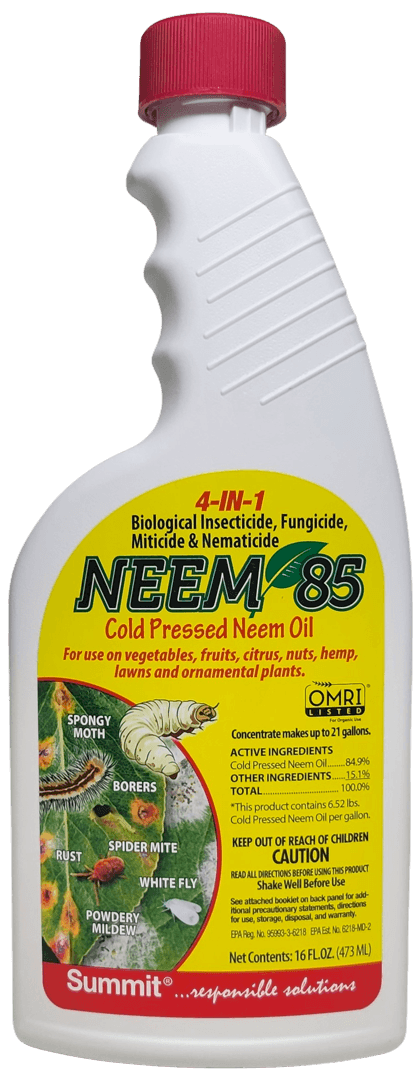
Neem oil comes from the seeds of the neem tree. It contains azadirachtin and other compounds. These interfere with insect hormones. That stops insects from feeding and breeding. Neem oil also repels some pests and reduces fungal spores.
Benefits of neem oil:
- Slows pest growth and reduces reproduction.
- Low toxicity to mammals and birds when used as directed.
- Biodegrades quickly in the environment.
Limitations of neem oil:
- Works slower than many insecticides.
- Needs repeated applications for good control.
- Can be less effective on large infestations or very fast-breeding pests.
I often use neem oil on young plants and in organic beds. It keeps pest pressure low without wiping out helpful insects. For me, neem oil vs insecticide is a choice between prevention and quick removal.

How insecticides work: types and mechanisms
Insecticide is a broad term for chemical products that kill insects. They act in different ways. Some attack insect nerves. Others block breathing or digestion. Common types include contact insecticides, systemic insecticides, and insect growth regulators.
Key points about insecticides:
- Fast knockdown and high efficacy on heavy infestations.
- Many are synthetic and persistent in soil or plants.
- Can harm beneficial insects, pollinators, and aquatic life.
When I faced a sudden aphid explosion, a targeted insecticide gave quick relief. But I saw bees affected nearby. That taught me to weigh speed versus wider impact when comparing neem oil vs insecticide.

Comparing effectiveness: neem oil vs insecticide
Effectiveness depends on pest type, infestation size, and timing. Here’s a fair comparison.
When neem oil is better:
- Early infestations or preventive use.
- Soft-bodied pests like aphids, whiteflies, and mites.
- Organic or low-impact garden goals.
When insecticides are better:
- Large or fast-growing infestations.
- Time-critical situations on edible crops before harvest.
- Situations where immediate control is essential.
Practical comparison notes:
- Neem oil needs contact or ingestion and repeat use.
- Systemic insecticides move inside the plant and last longer.
- Some pests show resistance to certain insecticides.
From my tests, neem oil controlled small aphid colonies in a week with three applications. A contact insecticide cleared them in a day. The tradeoff was collateral damage to lacewings and some bees.

Safety and environmental impact
Safety matters for people, pets, and ecosystems. Both neem oil and insecticides have safety profiles to respect.
Neem oil safety:
- Low acute toxicity to humans and mammals.
- Can irritate skin or eyes if concentrated.
- Safer for many beneficial insects when applied at night or early morning.
Insecticide safety:
- Some insecticides are toxic to mammals and bees.
- Drift and runoff can contaminate water.
- Long-term residues can harm soil life.
Tips to reduce harm:
- Read and follow label directions.
- Avoid spraying when pollinators are active.
- Use spot treatments rather than blanket spraying.
I once learned the hard way to avoid daytime spraying. I killed pollinators on three fruit trees. Now I spray at dusk and use selective methods. This is a key practical lesson in neem oil vs insecticide choices.
Application, timing, and best practices
How you apply a product often matters more than which product you choose. Good technique improves results and safety.
General steps:
- Identify the pest. Mistaking mites for fungal damage wastes time.
- Start early. Treat small outbreaks before they explode.
- Apply at the right time of day. Dusk or dawn protects pollinators.
- Rotate methods. Use cultural controls, biologicals, neem oil, or selective insecticides as needed.
Specific tips for neem oil:
- Mix with water and mild soap as an emulsifier.
- Apply every 5–10 days during active pest periods.
- Test on a few leaves first to check plant sensitivity.
Specific tips for insecticides:
- Use targeted products for the pest species.
- Follow pre-harvest intervals for edible crops.
- Avoid mixing incompatible chemicals.
I keep a simple pest log. It records treatments, weather, and results. That log helped me fine-tune timing. It improved efficacy whether I used neem oil or an insecticide.

Costs, availability, and organic certification
Budget and certification goals affect choices. Both options vary in price and access.
Cost factors:
- Neem oil is often more affordable for home gardeners.
- Some specialized insecticides are costly.
- Organic certification typically allows neem oil but restricts many synthetic insecticides.
Availability:
- Neem oil is widely sold online and in garden stores.
- Professional-strength insecticides may require special suppliers.
If you run a small organic farm, neem oil fits certification rules. If you manage large-scale pest outbreaks, a licensed insecticide may be necessary for quick control.

Personal experience and lessons learned
I’ve used neem oil and insecticides on vegetables, ornamentals, and fruit trees. Here are hard-won lessons.
Real-life takeaways:
- Start with cultural fixes: clean beds, resistant varieties, and healthy soil.
- Use neem oil as a first-line, low-impact option.
- Reserve insecticides for emergencies or when monitoring shows failure.
- Test on a few plants before broad application to avoid plant damage.
One season, I let a caterpillar infestation grow. I waited with neem oil. The crop suffered. After that, I adopted a threshold-based approach. If a specific pest crosses a set threshold, I act quickly with a targeted product. That balance improved yields and kept ecosystems healthier.

When to choose which: quick decision guide
Use this short guide to decide fast.
Choose neem oil when:
- The infestation is small.
- You want organic or low-impact control.
- You can reapply over several weeks.
Choose insecticide when:
- The pest outbreak is severe and immediate control is needed.
- There is a public health risk or crop-critical timeline.
- You have a labeled, targeted product and follow safety rules.
This guide helps in many real situations. It keeps neem oil vs insecticide choices clear and practical.
Frequently Asked Questions of neem oil vs insecticide
Is neem oil the same as an insecticide?
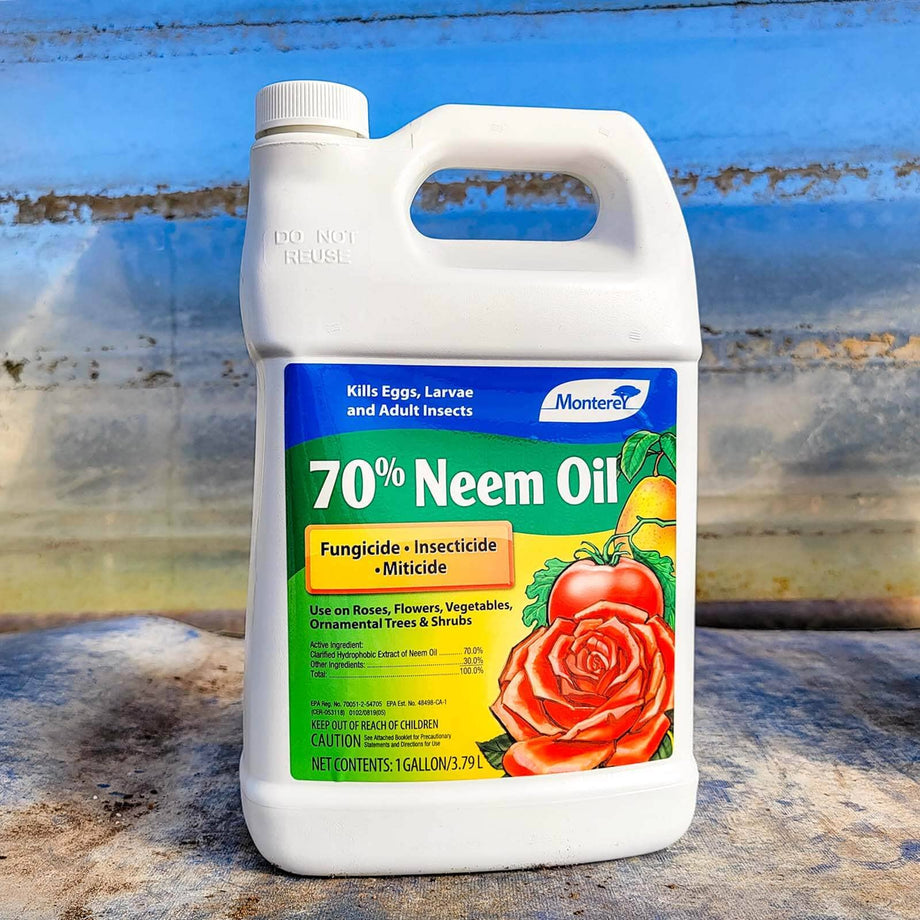
Neem oil acts as a natural insecticide, but it is milder and works differently than most synthetic insecticides. It interferes with insect feeding and reproduction rather than delivering instant knockdown.
Can neem oil harm beneficial insects?
Neem oil is less harmful to many beneficials when used properly, but it can still affect insects on contact. Apply at dusk or dawn to reduce harm to pollinators.
How often should I apply neem oil?
Apply neem oil every 5–10 days during active pest periods and after rain. Consistent repeats help control pests that grow or reproduce quickly.
Do insecticides cause resistance?
Yes, some insecticides can lead to resistance if overused. Rotate modes of action and use integrated tactics to reduce resistance risk.
Can I use neem oil and insecticide together?
Avoid mixing unless labels allow it. Use neem oil first for prevention and switch to a labeled insecticide if necessary, following wait times and safety directions.
Conclusion
Choosing between neem oil vs insecticide depends on your goals, urgency, and values. Neem oil offers a gentle, eco-friendlier path for prevention and small outbreaks. Insecticides bring fast results for heavy infestations but carry greater risk to non-target life. Use identification, timing, and careful application to get the best outcome. Start with cultural controls, monitor regularly, and pick the method that balances efficacy and safety for your space. Try a small test, keep a pest log, and share your results or questions below to keep learning.