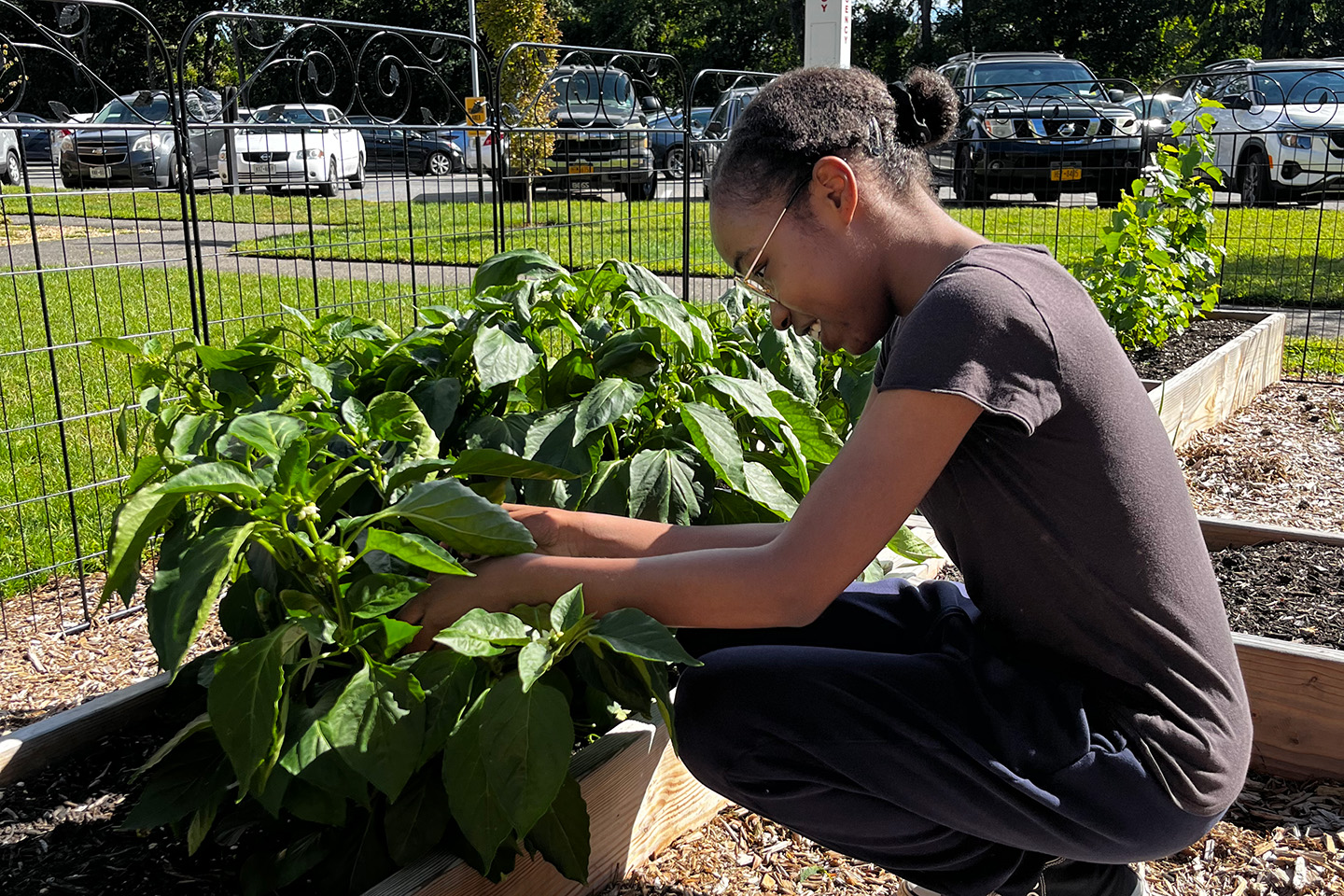
Garden volunteer plant management means organizing people, plant care tasks, schedules, and garden resources so volunteers can maintain healthy plants and keep a shared garden productive throughout the year.
Across the United States, community gardens bring neighbors, families, students, and local groups together. Many gardens depend on volunteers to plant flowers, grow vegetables, water beds, remove weeds, and care for shared green spaces. Without a clear plan, even a willing group can struggle to keep plants healthy.
Garden volunteer plant management starts with a simple system. Each person needs a clear task, the right tools, basic plant care instructions, and someone to ask for help. A good plan also considers local weather, plant needs, garden size, and the time people can give.
The word volunteer in this guide means a person who gives time to help care for garden plants. It does not mean self-seeded volunteer plants. The goal is to help garden leaders build a reliable team that can handle daily care, seasonal work, and long-term plant health without placing every duty on one person.
Source: rawpixel.com
What Does Garden Volunteer Plant Management Mean?
Garden volunteer plant management is the process of planning and guiding the people who care for plants in a shared garden. It brings plant care and team coordination into one system. The aim is to keep the garden healthy while making the work fair and easy to follow.
A garden may have flowers, herbs, fruit trees, vegetables, native plants, and pollinator beds. Each group has its own needs. Some plants need regular water, while others need pruning, support, or less care. Volunteers need to know these needs before they begin.
This type of management applies to school gardens, neighborhood gardens, public parks, church gardens, food gardens, and nonprofit growing spaces. The plan will change with the size of the site and the number of people who help.
Plant care
Plan watering, planting, weeding, mulching, pruning, pest checks, and harvest work.
People management
Recruit volunteers, assign duties, provide training, and share updates.
Resource management
Keep tools, seeds, soil, compost, water, and other supplies ready for each task.
Garden records
Track plant names, care needs, work dates, problems, and completed tasks.
Long-term care
Build a system that can keep working when volunteers or garden leaders leave.
Why Does a Garden Need a Volunteer Management Plan?
A garden can look simple from the outside. Yet, many small tasks must happen at the right time. A missed watering shift can harm young plants. Poor weed control can affect crop growth. Unplanned pruning can damage flowers or fruit crops.
A clear plan helps prevent these problems. It also stops two people from doing the same task while another job gets missed. Each volunteer can see what needs care and who is responsible.
Good planning also helps new people feel welcome. They do not need to guess where to start or fear that they may harm a plant.
Less confusion
People know where to work and what result they should achieve.
Better plant care
Plants receive care based on their growth stage and actual needs.
Shared responsibility
The garden does not depend on one busy person.
Set a Clear Mission and Garden Scope
Start by deciding what the garden should achieve. A clear mission helps volunteers understand why their work matters. It also guides choices about plants, tasks, supplies, and schedules.
For example, a neighborhood garden may grow fresh food for local families. A school garden may teach children about seeds and plant growth. A public flower garden may focus on beauty and local pollinators. These goals need different plant care plans.
Talk with the people who use the garden before setting the rules. Ask what they want to grow, how often they can help, and what skills they can share. Also speak with the landowner or sponsoring group about site rules and access.
Decide whether the garden will grow food, support wildlife, teach plant care, improve a public space, or serve more than one purpose.
Set clear limits
Define the garden area, work hours, planting rules, water use, tool storage, and areas that volunteers must not enter.
Agree on shared rules
Explain how volunteers should handle plants, harvest crops, report damage, and care for shared equipment.
Plan the budget
List the cost of seeds, soil, compost, mulch, tools, water, repairs, and basic safety supplies.
Write a Short Garden Mission Statement
A mission statement should be short and easy to understand. It should tell people what the garden grows, who it serves, and how volunteers help.
For example: Our community garden grows fresh food and useful plants for local families. Volunteers work together to plant, care for, and harvest crops while learning safe and healthy gardening methods.
Share this statement during volunteer meetings and new member training. Review it when the garden changes or takes on a new project.
Keep the goal realistic
Start with the garden area, available water, plant needs, and the number of reliable volunteers.
Invite community input
Let regular garden users help shape plant choices and shared work rules.
Check the Site Before Growing Food
Before volunteers prepare a new garden, check the site’s past use and soil condition. Old building sites, busy roads, and some urban lots may have lead or other harmful substances in the soil.
A basic soil test for plant growth may not test for every harmful substance. Ask a local university extension office or qualified soil laboratory about tests for lead and other possible contaminants. If the site may be contaminated, use suitable clean-soil raised beds or containers based on test results and local guidance.
Also check sunlight, drainage, water access, paths, and access for people with different physical needs. These checks help prevent costly changes later.
Test the soil
Check soil fertility and request environmental contaminant testing when the site’s history or location creates a concern.
Check water access
Make sure volunteers can reach a safe water source without crossing unsafe areas.
Plan access
Provide stable paths, clear signs, and suitable raised beds where possible.
Build a Plant Care Map and Task System
A plant care map gives volunteers a clear view of the garden. It shows where plants grow and what each area needs. This is one of the easiest ways to prevent missed tasks and plant damage.
Start with a simple drawing of the garden. Mark each bed, path, water point, tool area, compost space, and storage area. Give each bed a short name or number, such as Bed A, Herb Bed, or North Flower Border.
Add plant names and care notes to the map. Include planting dates when known, expected harvest times, water needs, and special care instructions. Keep a printed copy in the garden and a digital copy if the team uses one.
Source: rawpixel.com
Label every growing area
Use clear signs so new volunteers can find the correct bed without asking someone each time.
Record plant needs
Write down sunlight, water, spacing, support, pruning, and harvest needs for each plant group.
Mark special areas
Show compost piles, native plant beds, seedling areas, restricted spaces, and places that should not be disturbed.
Update the map
Change plant labels and records when crops are removed, new plants are added, or beds change.
Create Clear Plant Care Task Cards
A task card turns a broad job into a clear action. Instead of asking someone to care for the vegetable garden, explain what to do, where to do it, and what a good result looks like.
For example, a watering card can say which beds need water, how to check the soil, where to find the hose, and who to contact if the water supply fails. This gives a new volunteer enough detail to work with care.
Keep each card short. Use simple words and pictures where they help. Review instructions when plant needs or weather conditions change.
Task name
Use a clear name such as Water Herb Bed or Check Tomato Supports.
Work area
Name the bed, plant group, or garden zone.
Steps
List the actions in the right order and explain any limits.
Expected result
Describe what the area should look like when the work is complete.
Reporting
Tell volunteers where to record completed work or report a plant problem.
Separate Daily, Weekly, and Seasonal Tasks
Not every garden job needs daily attention. Some plants need frequent checks in hot weather, while other tasks can wait for a weekly workday. A task calendar helps volunteers use their time well.
Daily checks may include looking for dry soil, fallen plants, damaged hoses, or ripe produce. Weekly work may include weeding, bed checks, and tool cleaning. Seasonal work may include adding compost, changing crops, pruning suitable plants, or preparing beds for cold weather.
Use plant needs as the guide. Do not water every bed just because it is on the calendar. Check the soil and local weather first.
Daily
Check urgent plant needs, water systems, ripe crops, and visible damage.
Weekly
Review weeds, supports, mulch, paths, plant health, and shared tools.
Seasonal
Plan planting, crop changes, soil care, pruning, and winter preparation.
Assign Volunteer Roles That Match Plant Care Needs
Give each volunteer a clear role based on the work that needs to be done. A good role also considers the person’s skills, interests, time, and physical ability. Not everyone needs to do the same type of garden work.
Some people enjoy planting and watering. Others may prefer record keeping, seed sorting, event planning, or taking photos of plant growth. These tasks all support the garden. A useful team includes people with different skills.
For a small garden, one person may hold more than one role. Larger gardens may need a lead and a backup for each main task. Make sure no key job depends on one person alone.
Source: freepik.com
Garden coordinator
Plans workdays, assigns duties, checks progress, and helps solve problems.
Plant care lead
Guides planting, watering, pruning, and routine checks based on plant needs.
Watering volunteer
Checks soil moisture and waters the assigned beds when needed.
Weeding and bed care volunteer
Removes known weeds, adds suitable mulch, and keeps paths and beds tidy.
Harvest volunteer
Checks crop readiness, follows harvest rules, and records collected produce.
Tool and supply lead
Checks tools, keeps supplies in order, and reports items that need repair.
Volunteer welcome lead
Greets new people, explains the garden, and connects them with suitable tasks.
Match Tasks to Skills and Physical Ability
A volunteer should not be forced into a task that does not suit their needs. Ask about their interests, past experience, comfort with tools, and available time. Offer more than one way to help.
Light tasks may include labeling plants, sorting seeds, checking records, or picking herbs. Medium tasks may include watering, planting small seedlings, and light weeding. Heavy tasks may include moving soil, lifting compost bags, or carrying large supplies.
Make heavy tasks optional and provide safe tools or carts where possible. Volunteers should be able to ask for a different task without feeling that they have let the team down.
New gardeners
Start with plant labels, simple watering checks, seed sorting, and guided planting.
Experienced gardeners
Offer crop planning, pruning guidance, propagation, and mentoring roles when their skills are suitable.
People with limited mobility
Offer raised-bed work, seated tasks, plant records, seed preparation, and other accessible duties.
Short-term helpers
Prepare clear tasks that can be completed during one workday.
Use a Simple Responsibility Chart
A responsibility chart shows who owns each job. It can be a paper sheet, a shared spreadsheet, or a board in the garden shed. The tool does not matter as much as keeping the information clear and current.
For every important job, name a main person and a backup. The backup should know where the instructions and supplies are kept. This simple step helps the garden continue when someone is sick, busy, or away.
Main volunteer
The person who checks that the assigned task is completed.
Backup volunteer
The person who can take over when the main volunteer is unavailable.
Coordinator
The person who reviews progress and helps with problems that need a decision.
Recruit and Train New Garden Volunteers
Recruit volunteers by explaining the garden’s purpose and the tasks they can do. People are more likely to join when they know what to expect. Avoid vague requests such as Help With the Garden. Give clear examples of the work and the time needed.
Share opportunities through neighborhood groups, schools, local organizations, libraries, community centers, and garden events. Ask current volunteers to invite friends and neighbors. If a school or nonprofit is involved, agree on supervision and child safety rules before a group visit.
Once someone joins, provide a short welcome session. Show them the garden layout, explain the rules, point out water and tool areas, and introduce the person who can answer questions. A friendly start can help a new volunteer feel part of the team.
Source: adelphi.edu
Explain the opportunity
State the work, location, time, age limits if any, and whether gardening experience is needed.
Ask about interests
Find out what the person hopes to learn and what tasks they enjoy.
Show the garden
Walk through the beds, paths, tool storage, water points, and restricted areas.
Teach basic rules
Explain plant labels, watering methods, tool care, waste handling, and reporting steps.
Pair new volunteers
Let a trained volunteer guide a new person during the first few work sessions.
Teach Plant Care Before Giving Independent Duties
Do not assume that every volunteer knows how to care for plants. Some may have years of garden experience, while others may be planting their first seed. Give each person the level of guidance needed for the task.
Show volunteers how to check soil moisture, identify common weeds in the garden, use hand tools, and avoid damaging young roots. Explain which plants must not be cut, moved, or removed without approval.
For pruning, pest control, fertilizer use, or other tasks that may harm plants if done incorrectly, give specific training and supervision. Volunteers should not guess when a plant or treatment is uncertain.
Watering practice
Show where and how to water, how to check soil moisture, and which plants need special care.
Weed identification
Use photos or live examples to show which plants may be removed and which should stay.
Plant handling
Demonstrate safe ways to transplant seedlings and support growing stems.
Tool training
Explain correct tool use, safe carrying, cleaning, and storage.
Create a Short Volunteer Welcome Guide
A welcome guide keeps basic information in one place. It should include the garden mission, contact details for the coordinator, work hours, plant care rules, and emergency instructions.
Add a simple map and a list of common tasks. Include a note about how volunteers can report broken tools, dry plants, pests, or safety concerns. Review the guide when rules or garden plans change.
Garden contacts
List the coordinator and backup contact.
Plant care notes
Include basic watering, weeding, pruning, and harvest rules.
Workday information
Show the usual schedule, sign-up method, and cancellation process.
Plan Garden Workdays and Weekly Plant Care
A good workday has a clear start, a short task briefing, enough supplies, and time for cleanup. Volunteers should know what they will do before they begin. This makes the work easier to share and helps the team finish important jobs.
Set a regular schedule that fits the garden and the people who help. A weekly workday may suit some gardens, while others need short watering shifts several times a week. Choose a schedule based on plant needs, local weather, and volunteer availability.
Do not fill every minute with work. Leave time for questions, water breaks, tool cleanup, and a short review. A calm workday is often more useful than a rushed one.
Before the workday
Check the task list, weather, water supply, tools, plant needs, and volunteer sign-ups.
At the start
Welcome people, explain the main goal, assign tasks, and review safety rules.
During the work
Check progress, answer questions, and move people to other tasks when needed.
At the end
Clean tools, return supplies, record completed jobs, and report plant problems.
Example of a Two-Hour Community Garden Workday
The following is a sample plan for a small garden with a group of volunteers. It is a planning example, not a fixed schedule. Change the timing to match the garden, weather, and number of people.
First 10 minutes
Welcome volunteers, review the day’s goal, and share safety information.
Next 15 minutes
Show the garden map, assign roles, and hand out tools.
Next 60 minutes
Complete planned jobs such as planting, weeding, watering checks, or mulching.
Next 20 minutes
Check plant health, finish small tasks, and review any problems.
Final 15 minutes
Clean tools, store supplies, record completed work, and thank the team.
Avoid Overloading the Work Schedule
A common mistake is to plan more work than volunteers can finish. A large list may look useful, but it can leave people tired and unsure whether they have made progress.
Choose a few high-value tasks for each workday. For example, prepare two beds for planting rather than trying to rebuild the whole garden. Small, visible results can help people see the value of their time.
Set a clear finish point
Tell the team how much work should be done and what result to aim for.
Keep backup tasks ready
Prepare light tasks in case the main job finishes early or weather changes the plan.
Allow task changes
Move volunteers when a job becomes too hard, unsafe, or unsuitable.
Use a Seasonal Plant Care Calendar
A seasonal calendar helps volunteers prepare for changes in plant growth and weather. It should follow local growing conditions rather than a single national schedule. Spring planting dates in the northern United States may differ greatly from those in southern states.
Use local frost dates, regional planting advice, and the needs of the plants in the garden. A local university extension office can help with crop timing and plant care. Update the calendar when heat, rain, frost, or other conditions change.
Keep the plan flexible. Some jobs depend on weather or plant growth, not a fixed date. Volunteers should check the plants before acting.
Source: americasgrowarow.org
Spring
Prepare beds, check soil, add suitable compost, plant crops at the right time, and inspect irrigation systems.
Summer
Monitor soil moisture, support growing plants, harvest ready crops, check for pests, and maintain mulch.
Fall
Harvest remaining crops, remove diseased plant material, prepare suitable beds, and plant crops that fit the local season.
Winter
Protect suitable plants, clean and store tools, review garden records, plan new beds, and order supplies.
Adjust Plant Care to Local Weather
Weather can change plant care needs within a few days. Hot, dry weather may increase the need for soil checks. Heavy rain may make extra watering harmful. Cold snaps can damage young plants and some tender crops.
Assign a weather check to the garden coordinator or plant care lead. The person should review local forecasts and tell volunteers when tasks need to change. Avoid watering on a fixed schedule when the soil is already wet.
For areas with high heat and humidity, plan heavy outdoor work for cooler parts of the day. Make water and shaded rest areas easy to reach.
During dry weather
Check soil before watering and give extra attention to new plants and containers.
During heavy rain
Check drainage and avoid walking on wet soil when it may become compacted.
Before frost
Follow local plant guidance for covering, harvesting, or moving tender plants.
During strong wind
Check plant supports and remove loose items that may become hazards.
Keep a Simple Plant Growth Record
Plant records help volunteers understand what has changed over time. Record planting dates, early growth, flowering, fruiting, harvests, and signs of stress. Photos can help the team compare plant growth between workdays.
These notes can also help the next volunteer. If a crop needs less water or a certain bed has poor drainage, the record gives the team a useful starting point.
Plant details
Record plant names, varieties when known, and bed locations.
Care dates
Record planting, watering changes, pruning, and other key actions.
Plant problems
Note signs of disease, pest damage, poor growth, or water stress.
Keep Volunteers Safe and Make the Garden Accessible
Safety must guide every garden task. Volunteers may use sharp tools, move heavy supplies, work in hot weather, or come into contact with soil, insects, and plant materials. Give people clear instructions before they start.
Provide suitable gloves, closed-toe shoes, drinking water, sun protection, and access to shade. Keep tools in good condition and remove broken items from use. Store fertilizers, pesticides, fuels, and other products according to their labels and site rules.
Do not ask untrained volunteers to operate powered tools, handle unknown chemicals, or carry out work that needs special skill. Any pesticide use must follow the product label, applicable laws, and the garden’s approved rules. When in doubt, ask a qualified person.
Source: adelphi.edu
Safe tool use
Teach volunteers how to carry, use, clean, and store hand tools. Keep sharp edges pointed away from people.
Safe lifting
Avoid oversized loads. Use carts or ask for help with heavy items.
Sun and heat protection
Provide drinking water, shade, suitable clothing, and breaks. Schedule hard work during cooler hours.
Hand and skin care
Use gloves for soil and plant work. Wash hands after gardening and before eating.
Clear work areas
Keep paths free of hoses, sharp objects, loose tools, and other trip hazards.
Know the Signs of Heat Illness
Outdoor garden work can become risky during hot and humid weather. Heat exhaustion may cause headache, nausea, dizziness, weakness, heavy sweating, and strong thirst. Stop the task if someone feels unwell and move them to a cool place.
Confusion, slurred speech, seizures, or loss of consciousness can be signs of heat stroke. Call 911 for emergency help, move the person to a cooler place, and begin rapid cooling while help is on the way. Do not leave the person alone.
New volunteers and people returning after time away may need lighter tasks and more frequent breaks while they adjust to the heat. A garden workday should never pressure someone to keep working when they feel unwell.
Plan ahead
Check heat conditions and move heavy tasks to cooler hours.
Provide water
Make drinking water easy to reach and encourage regular breaks.
Stop unsafe work
End or change the task when heat, weather, or a person’s condition makes it unsafe.
Make Plant Care Open to More People
An accessible garden gives more people a chance to help. Raised beds, firm paths, clear signs, suitable seating, and tools with comfortable grips can make plant care easier for people with different needs.
Offer more than one way to take part. Someone who cannot dig may still label plants, sort seeds, check records, or help plan the next planting day. Good management values the work people can do rather than focusing on what they cannot do.
Accessible beds
Use raised or container beds where suitable so people can work from a standing or seated position.
Clear paths
Keep walking and rolling routes stable and free from stored tools.
Easy instructions
Use clear signs, simple task cards, and pictures where useful.
Build Strong Communication and Volunteer Retention
Clear communication helps volunteers stay involved. People need to know when the next workday will happen, what jobs are available, and whether the garden plan has changed. Share updates in a way that everyone can use.
A simple message group, email list, notice board, or shared calendar may be enough. Choose one main way to share important updates. Too many channels can cause people to miss key information.
Thank volunteers for specific work. Instead of saying only that everyone did a good job, explain how their work helped the garden. For example, thank someone for preparing a bed before planting or for keeping a watering shift covered during a hot week.
Send regular updates
Share workday dates, task needs, weather changes, and important garden notices.
Ask for feedback
Give volunteers a simple way to share problems, ideas, and concerns.
Recognize effort
Thank people in person or through a group message and name the work they completed.
Share garden progress
Show plant growth, harvest results, new beds, and other visible changes.
Respect volunteer time
Keep schedules clear and allow people to change shifts when possible.
Create a Backup Plan for Missed Shifts
A missed shift should not cause confusion or blame. People may become sick, face family needs, or have changes in their work schedule. Build a backup plan before the growing season begins.
List the jobs that cannot wait, such as checking young plants during dry weather. Give each job a backup person and explain how to report an absence. The coordinator can then find another volunteer or arrange a smaller task plan.
If a garden has too few people for regular care, reduce the number of beds or plants. A smaller, healthy garden is better than a large garden that the team cannot maintain.
Keep a backup list
Ask regular volunteers who can cover urgent tasks when needed.
Set task priorities
Mark jobs as urgent, important, or optional.
Reduce the workload
Change the planting plan when the team cannot support the current garden size.
Help New Volunteers Return
Follow up soon after a person’s first workday. Thank them for a specific task and invite them to a suitable next activity. A clear invitation is more useful than a general request to come back sometime.
Ask whether the work matched their interests. If someone enjoyed seed preparation but disliked heavy digging, offer more seed work. This small change can help the person find a lasting role.
Make a personal connection
Learn volunteer names and welcome people when they return.
Offer a next step
Suggest a clear task for the next workday.
Build confidence
Let returning volunteers take on more responsibility as their skills grow.
Troubleshoot Common Garden Volunteer Problems
Problems can happen even when a garden has a good plan. The best response is to check the cause, protect the plants, and update the system so the same issue is less likely to happen again.
Start with the plant or safety concern. Do not blame a volunteer before checking the instructions, weather, tools, and work schedule. A mistake may show that the task was unclear or the training was not enough.
Keep a short record of the issue and the action taken. This helps the coordinator see patterns and decide whether a change in training, plant selection, or task planning is needed.
Source: americasgrowarow.org
Problem: Plants are dry
Possible causes include a missed shift, poor water access, heat, or unclear watering duties. Check soil moisture, confirm the backup plan, and review the watering schedule.
Problem: Plants are damaged after weeding
Volunteers may not know which seedlings or young plants should stay. Add plant labels, clear photos, and supervised weed identification.
Problem: Too many volunteers arrive for one task
Divide the group into small work areas and prepare other useful tasks before the next event.
Problem: People stop attending
Ask whether the schedule, task type, training, or group experience needs to change. Avoid assuming that volunteers have lost interest in gardening.
Problem: Tools keep going missing
Use a simple sign-out sheet, marked storage spaces, and a closing tool count.
Problem: One person does most of the work
Share responsibilities, train backups, and review the workload before the main volunteer becomes exhausted.
What to Do When Plant Growth Is Poor
Poor plant growth does not always mean that volunteers have done something wrong. Plants may struggle because of unsuitable soil, low light, poor drainage, pests, disease, crowding, or the wrong planting time.
Check the affected plants first. Compare their condition with nearby healthy plants. Look at soil moisture, sunlight, leaves, stems, roots when appropriate, and signs of pest damage. Record what you see before changing the care plan.
If the cause is unclear or a serious disease or pest problem is suspected, ask a local extension service or qualified horticulture professional for help. Avoid using a pesticide or strong treatment based on guesswork.
Check water
Look for dry soil, standing water, and signs of poor drainage.
Check light
Compare the plant’s sunlight needs with the actual growing location.
Check spacing
Look for crowding and poor airflow between plants.
Check plant health
Look for leaf spots, damaged stems, unusual growth, and visible insects.
What to Do When the Garden Has Too Much Work
A garden can become too large for its volunteer team. This often happens when new beds are added without a plan for long-term care. The result may be missed watering, overgrown paths, and tired volunteers.
Review the number of plants, the time needed for care, and the number of reliable helpers. Remove or reduce low-priority projects where needed. Keep the plants that best support the garden’s main purpose.
Do not expand until the current growing areas have a stable care plan. A slow, well-managed garden can grow over time without placing too much pressure on the team.
Review the workload
List the time and people needed for each growing area.
Focus on key plants
Keep the crops and plants that fit the mission and available resources.
Pause expansion
Wait until current beds receive regular care before adding new ones.
Measure Garden Results and Plan for Long-Term Success
A simple review shows whether the volunteer plan is working. Do not measure success only by the number of people who attend. Plant health, completed tasks, safe work, and the ability to keep the garden running also matter.
Choose a few measures that the team can track without much effort. Record them during normal workdays. Review the results at the end of each month or growing season and use them to improve the next plan.
Keep the records useful and fair. Volunteer hours can help with planning, but they do not show the full value of a person’s work. A person who gives one hour of skilled support may solve a problem that would otherwise take much longer.
Plant health
Track healthy growth, damaged plants, pest issues, and areas that need more care.
Task completion
Check whether important jobs were finished on time.
Volunteer participation
Record attendance, repeat visits, and the number of active task leaders.
Garden output
Record harvested produce, flowers, or other results that match the garden’s purpose.
Resource use
Review spending on plants, soil, tools, water, and repairs.
Safety and access
Record hazards, reported incidents, and changes that make work easier for more people.
Use a Simple Monthly Garden Review
Set aside a short time each month to review the garden. Invite the coordinator, plant care lead, and other volunteers to share what went well and what needs attention.
Keep the meeting focused on useful changes. If watering is often missed, review the rota. If new volunteers struggle to identify plants, improve labels and training. If a bed needs too much work, change the planting plan.
Write down the decisions and name the people who will follow up. This helps the team turn discussion into action.
Review completed work
Compare the task list with what the team finished.
Review plant health
Identify beds that need a change in water, soil, light, or plant care.
Review volunteer needs
Ask whether training, tools, schedules, or role changes would help.
Set the next goal
Choose a small number of clear actions for the next month.
Prepare for Changes in Garden Leadership
A strong volunteer garden should not stop when one coordinator leaves. Keep the garden map, plant records, schedules, contact details, and task instructions in a shared place that authorized team members can access.
Train at least one backup person for important roles. Before a leader steps down, review the current planting plan, open tasks, supply needs, and any unresolved problems. Give the next person time to learn the system.
This kind of handover protects the work that volunteers have already done. It also gives new leaders a clear place to begin.
Keep shared records
Store current garden maps, plant lists, work schedules, and important instructions.
Train backup leaders
Share key duties with more than one person.
Review before handover
List unfinished tasks, current plant problems, and upcoming seasonal work.
A Practical Garden Volunteer Management Checklist
A checklist makes it easier to turn the plan into daily action. Use it before a new season, when a new coordinator joins, or when the garden adds more volunteers.
The best checklist is short enough to use. Keep the items that match the garden and update them when the site, plants, or team changes.
Garden planning
The mission, site rules, growing areas, plant choices, and budget are clear.
Plant information
Beds are labeled, plant care notes are current, and key instructions are easy to find.
Volunteer roles
Each main task has an assigned person and a backup.
Training
New volunteers receive a welcome, a garden tour, and task guidance.
Work schedules
Workdays, watering checks, and seasonal tasks are planned.
Tools and supplies
Tools are safe, clean, stored well, and ready for the planned work.
Safety
Water, shade, first aid information, safe paths, and task limits are in place.
Communication
Volunteers know where to find updates and how to report problems.
Review
The team checks plant health, task results, volunteer needs, and future plans.
Start Small and Improve the System
A new garden does not need a complex management system. Start with a clear map, a short list of jobs, a basic volunteer schedule, and a person who can answer questions.
As the garden grows, add better plant records, role descriptions, training notes, and seasonal plans. Keep the system easy to use. The aim is to support the plants and people, not to create extra paperwork.
First step
Map the garden and list the plants that need regular care.
Second step
Assign each important task to a main volunteer and a backup.
Third step
Set the next workday and explain the tasks before volunteers arrive.
Fourth step
Review the results and improve the plan after the first few work sessions.
Frequently Asked Questions
Q
How do you manage volunteers in a community garden?
Start with a clear garden mission and a list of plant care tasks. Assign roles based on volunteer skills, interests, and available time. Provide a garden map, simple instructions, and basic training. Use a regular schedule and keep a backup person for important tasks.
Review the garden often and ask volunteers for feedback. This helps the team solve problems and share work fairly.
Q
How many volunteers are needed to maintain a garden?
There is no fixed number. The right team size depends on the garden’s area, plant types, climate, water needs, and work schedule. A small garden may need only a few regular helpers, while a large public or food garden may need several task leaders and many occasional volunteers.
Start with the number of people who can provide reliable care. Add growing areas only when the current team can maintain them.
Q
What are the main duties of a garden volunteer?
Common duties include planting, watering, weeding, mulching, checking plant health, harvesting, cleaning tools, and keeping garden records. Some volunteers also help with recruitment, communication, fundraising, and garden events.
The coordinator should explain each task and provide training when needed. Volunteers should not carry out specialist or risky work without suitable guidance.
Q
How can garden volunteers prevent plant damage?
Use clear plant labels, garden maps, and task cards. Train volunteers to identify common weeds and the plants that must stay. Show them how to water, prune, transplant, and handle tools correctly.
When someone is unsure about a plant, they should leave it in place and ask the plant care lead. This is safer than removing or cutting an unknown plant.
Q
How can a community garden keep volunteers involved?
Give volunteers clear tasks, flexible schedules, useful training, and a friendly welcome. Match work to their interests and thank them for specific contributions. Share garden progress so people can see what their time has helped achieve.
Also avoid placing too much work on a few regular helpers. Shared roles, backup schedules, and regular feedback can help the garden remain active over time.
✦ Wrapping Up
Conclusion
Garden volunteer plant management works best when people and plant care are planned together. A clear mission, labeled beds, simple task cards, and fair role assignments give volunteers the direction they need. Good training and regular communication help prevent mistakes and keep the garden organized.
The system should also change with the plants and the people who care for them. Local weather, seasonal growth, volunteer availability, and garden size all affect the work. Regular reviews help the team make useful changes before small problems become larger ones.
A healthy garden does not depend on one person doing everything. It grows through shared effort, clear instructions, safe work, and steady care. When volunteers understand their roles and see the results of their work, they can help build a garden that lasts.
💡 Key Takeaway
Begin by drawing a simple garden map, listing every plant care task, and assigning a main volunteer and backup to each important job. Then create a short work schedule and review the results after the next garden workday.