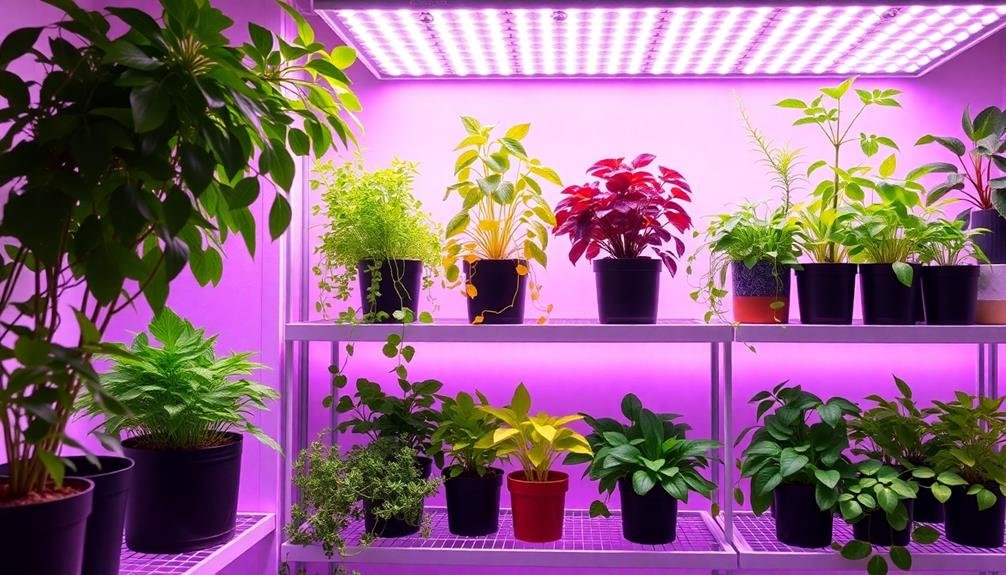
Group garden plants by the amount and type of sunlight they need. Create separate full-sun, part-sun, part-shade, and full-shade areas. Then match plants within each area by soil, water, and growing space.
Across the United States, home gardens face very different light conditions. A backyard in Arizona may have strong afternoon sun, while a yard in the Northeast may sit beneath mature oak trees. Even a small American suburban yard can have sunny lawns, shaded fences, covered porches, and bright spots beside the house. The best way to plan these spaces is to group plants according to the light each area receives.
Garden plant grouping by light needs helps prevent common growing problems. Sun-loving plants may become weak in deep shade, while shade-loving plants may suffer from hot direct sunlight. Before planting, watch how sunlight moves across your yard. Then create planting groups that fit those conditions instead of trying to make every plant grow in the same place.
A good garden plan also considers changing seasons. Trees can block more sunlight after their leaves appear in spring. Buildings, fences, and other plants can create new shadows as the garden grows. By checking these changes and grouping plants with similar needs, you can make better use of your available space and reduce extra care.
Source: ecohomegenius.com
Understand the Main Garden Light Categories
Garden plants are commonly grouped into four light categories: full sun, part sun, part shade, and full shade. These labels describe how much direct sunlight a plant needs during the day. They help gardeners match plants to the right location before planting.
The exact hour ranges can differ between plant guides and nurseries. Some sources use part sun and part shade in similar ways. Therefore, treat these ranges as useful starting points and check the growing instructions for each plant or variety.
Direct sunlight means the sun reaches the leaves without being blocked by a roof, tree, or other object. Bright shade may look sunny to your eyes, but it does not provide the same light as direct sun. This difference matters when you group plants.
Full Sun
Full-sun plants generally need at least 6 hours of direct sunlight each day. Many vegetables and flowering plants grow well with 6 to 8 hours or more. Tomatoes, peppers, zinnias, and many sun-loving perennials fit this group.
Part Sun
Part-sun plants often need about 4 to 6 hours of direct sunlight. They can grow well in areas with morning sun or a mix of sun and light shade. Some flowering plants and garden vegetables can fit this category.
Part Shade
Part-shade plants often prefer about 2 to 4 hours of direct sunlight or filtered light for much of the day. Many prefer protection from strong afternoon sun. Ferns, coral bells, and some hydrangeas are examples, depending on the species and variety.
Full Shade
Full-shade plants generally need less than 2 to 3 hours of direct sunlight. They still need usable natural light, such as bright indirect light or dappled sunlight. Hostas, shade-tolerant ferns, and some sedges are common choices.
Why Full Sun Is Not the Same as Bright Shade
A garden bed can look bright even when it receives little direct sunlight. For example, a white wall may reflect light into a narrow planting area. This can help some shade-tolerant plants, but it does not always provide enough direct light for plants that need full sun.
Plants that produce flowers, fruits, and seeds often need more light than plants grown mainly for their leaves. This is why tomatoes may struggle in a shady corner even when leafy greens grow well nearby.
Check the light source
Look for direct sunlight reaching the leaves rather than relying only on how bright the ground appears.
Read the plant label
Check the light needs of the exact species or variety. General plant names can include types with different sunlight preferences.
Morning Sun and Afternoon Sun
Morning sunlight is usually cooler and less intense than strong afternoon sunlight. Some plants that grow well with morning sun may struggle when exposed to hot afternoon conditions. This is especially relevant in warmer parts of the United States.
A bed that receives four hours of morning sun may behave differently from one that receives four hours of late afternoon sun. Consider both the number of hours and the heat of the location when choosing plants.
Morning exposure
Often works well for plants that need some direct sun but benefit from protection against intense afternoon heat.
Afternoon exposure
Can suit heat-tolerant sun plants, but may be too intense for plants that prefer cooler or partly shaded conditions.
Measure Sunlight Before Grouping Garden Plants
The first practical step is to measure how much sunlight reaches each part of your garden. Do this before buying plants or preparing beds. A simple sunlight chart can help you avoid placing a plant in the wrong area.
Walk around your yard during a clear day and observe the same areas at different times. Check in the morning, around midday, and in the afternoon. Mark which parts receive direct sunlight and which remain shaded.
Repeat the process over several days if possible. A single cloudy day may give you a poor picture of normal exposure. Also, note the objects that create shade, such as trees, fences, sheds, houses, and roof edges.
Source: lamphq.com
Step 1: Draw a basic garden map
Sketch your yard and mark garden beds, paths, walls, trees, fences, sheds, and other fixed objects. Divide large planting areas into smaller sections if their light conditions differ.
Step 2: Observe the morning light
Check each area after sunrise and record where direct sunlight reaches the ground or plants. Note the time when the first direct sunlight appears.
Step 3: Check around midday
Observe the same locations near midday. Look for changes caused by the sun moving across the sky and shadows shifting behind buildings or trees.
Step 4: Record afternoon sunlight
Check again in the late afternoon. Some beds receive most of their direct sunlight during this period, while others may become shaded.
Step 5: Add the direct sunlight hours
Combine the periods of direct sunlight for each area. For example, a bed that receives 2 hours in the morning and 3 hours in the afternoon gets about 5 hours of direct sun.
Step 6: Assign a light category
Use your observations to label each section as full sun, part sun, part shade, or full shade. Keep a note of whether the sunlight comes mainly in the morning or afternoon.
Count Direct Sunlight Instead of General Brightness
A shaded garden can receive plenty of indirect light. However, indirect light and direct sunlight are not equal. If a tree canopy blocks the sun, the area may remain bright without receiving enough direct exposure for a full-sun plant.
For accurate grouping, count the time when sunlight reaches the planting area directly. If a shadow moves across the bed, record the direct periods separately and add them together. This gives you a better picture of the site’s light conditions.
Direct sun
Sunlight reaches the planting area without an object blocking it.
Dappled shade
Sunlight passes through leaves or other openings and creates changing patches of light.
Deep shade
Very little direct sunlight reaches the ground, and the area may also receive limited indirect light.
Repeat the Check When Seasons Change
Garden exposure changes during the year. Deciduous trees lose their leaves in fall and winter, allowing more sunlight to reach the ground. When their leaves return in spring, the same areas may become much shadier.
The sun also follows a different path across the sky as seasons change. A garden bed that receives good spring sunlight may receive less direct light later in the growing season. Check the area again when nearby trees have full leaves.
Spring
Check how newly emerging tree leaves change the light reaching garden beds.
Summer
Look for the strongest shade from mature tree canopies and nearby structures.
Fall
Notice how falling leaves change sunlight exposure and prepare for future planting.
Create Separate Plant Groups for Each Light Zone
Once you understand your garden’s exposure, divide the planting area into light-based groups. Each group should contain plants that can grow under similar sunlight conditions. This makes plant selection easier and helps you avoid unnecessary moves later.
Start with the sunniest areas because many vegetables and flowering plants need strong direct light. Use the shadier areas for plants that naturally grow beneath trees or along woodland edges. A small yard can support several groups, even when each group has only a few plants.
Source: atophort.com
Group A: Full-sun plants
Consider tomatoes, peppers, squash, zinnias, marigolds, coneflowers, and many sun-loving herbs. Check each plant’s mature size and local growing guidance before planting.
Group B: Part-sun plants
Consider plants that grow well with several hours of direct light and some shade. Some daylilies, bee balm varieties, and selected flowering plants can fit this group.
Group C: Part-shade plants
Consider coral bells, columbine, selected hydrangeas, and some woodland perennials. These plants often benefit from morning sun and protection from intense afternoon heat.
Group D: Full-shade plants
Consider hostas, shade-tolerant ferns, sedges, and wild ginger. Choose varieties that can grow with the amount of indirect or filtered light available.
How to Build a Full-Sun Planting Group
Place plants with high sunlight needs in open areas away from large trees and buildings. These spots are useful for many vegetables that produce flowers and fruits. Tomatoes, peppers, cucumbers, and squash are common examples.
Flowering plants such as zinnias, marigolds, and many coneflowers can also fit sunny beds. However, check the needs of the exact species and variety. Some plants need excellent drainage or extra protection in very hot regions.
Vegetable group
Place sun-loving fruiting crops together when they also have similar watering and soil needs.
Flower group
Combine compatible sun-loving flowers to create a bed with a shared exposure and care plan.
How to Build a Part-Sun and Part-Shade Group
Part-sun and part-shade areas are useful for plants that need some direct light but cannot handle strong exposure all day. These zones often occur beside fences, under trees with open canopies, and along the east side of buildings.
Use the actual plant label to decide which group fits best. Some plants tolerate a wider range of light, but their flowering, leaf color, and growth may change depending on the location.
Part-sun border
Use suitable flowering perennials and selected herbs that can handle several hours of direct sunlight.
Part-shade border
Use plants that prefer cooler conditions and filtered light, especially where afternoon sun is strong.
How to Build a Full-Shade Group
Full-shade areas can still support attractive garden beds. They are common beneath large trees, beside tall buildings, and in narrow spaces where direct sunlight rarely reaches the ground.
Choose plants that are adapted to these conditions instead of forcing sun-loving plants to grow there. Ferns, sedges, and other shade-tolerant plants can provide texture and ground cover. Some woodland flowers also grow well in filtered light.
Leaf-focused plants
Choose suitable foliage plants when the area receives limited direct sunlight.
Woodland plants
Look for native or well-adapted plants suited to your local soil, moisture, and shade conditions.
Match Light Needs With Water and Soil Requirements
Matching plants by sunlight is only the first step. Plants in the same light group may still need different amounts of water, soil moisture, drainage, and nutrients. For better results, divide each light group into smaller planting groups based on these needs.
For example, two plants may both need full sun, but one may prefer dry, well-drained soil while the other needs steady moisture. Placing them together can make watering difficult. One plant may receive too much water while the other remains dry.
The same issue occurs in shaded areas. A shady bed beneath a large tree may be dry because the tree roots absorb much of the available water. A shaded area beside a downspout may stay moist for longer. Both areas receive shade, but they do not offer the same growing conditions.
Compare water needs
Group plants that prefer similar soil moisture. Keep drought-tolerant plants separate from plants that need consistently moist soil.
Check soil drainage
Observe the garden after rain. Avoid combining plants with very different drainage needs in the same small planting area.
Consider soil type
Check whether the soil is sandy, clay-rich, or loamy. Also review the preferred soil pH of plants with specific requirements.
Allow room for roots
Consider mature root systems and nearby trees. Plants may compete for water and nutrients even when their sunlight needs match.
Check local conditions
Use regional plant guidance to select species that suit your climate, soil, and growing season.
Grouping Plants in Dry Shade
Dry shade is one of the more difficult garden conditions. It often occurs beneath mature trees, where branches block sunlight and roots compete with smaller plants for water. A plant that prefers deep, moist shade may struggle in this location.
Look for shade-tolerant plants that can also handle the site’s moisture conditions. Some sedges and woodland ground covers may work, depending on your region and soil. Avoid adding water without checking soil moisture first.
Check the root zone
Look for strong tree roots and avoid cutting large roots while preparing the planting area.
Choose suitable plants
Select plants with both shade tolerance and suitable moisture needs.
Use careful watering
Water newly planted material as needed, then adjust based on soil moisture and plant response.
Grouping Plants in Moist Shade
Moist shade can support plants that prefer cooler soil and steady moisture. It may occur in a garden beside a building, under an open tree canopy, or in a naturally damp planting bed.
Ferns and selected woodland perennials can be useful choices. Still, check the drainage and avoid placing plants in soil that stays waterlogged unless they can tolerate those conditions.
Use moisture-compatible plants
Choose plants that tolerate the soil moisture found in the bed rather than assuming all shade plants need wet soil.
Watch drainage
Check for standing water after heavy rain and correct drainage problems before planting sensitive roots.
Arrange Plants to Protect Their Sunlight
The position of each plant can change the amount of light available to nearby plants. A tall plant may create a large shadow, even when the original garden area receives full sun. Good placement helps prevent one group from reducing the light available to another.
In most U.S. gardens, the sun travels across the southern part of the sky. As a general layout rule, place taller plants toward the north side of a bed when possible. This can reduce the shadow they cast over shorter plants during much of the day.
This rule is especially useful in vegetable gardens and narrow flower beds. However, always consider the direction of your actual light, nearby structures, and the mature height of each plant.
Source: plantingguys.com
Place tall plants toward the north
This can help shorter plants receive more direct sunlight instead of sitting behind a tall crop.
Place shorter plants toward the south
Keep low-growing flowers and vegetables where they have a clear view of the sun.
Check mature plant height
Use the expected full-grown height and spread rather than the size of a young nursery plant.
Leave space between groups
Use suitable plant spacing to reduce unwanted shade, poor airflow, and competition.
Plan trellises carefully
Place climbing plants where their structures will not block sunlight from nearby beds.
Use Plant Shadows as a Planned Garden Feature
Not every plant shadow is a problem. A tall plant can create a cooler spot for another plant that prefers partial shade. This can be useful during hot summer weather, especially in regions with intense afternoon sunlight.
However, planned shade should be based on the needs of both plants. Check how much light reaches the lower plant after the taller plant has grown. Do not assume that a suitable spring planting arrangement will remain suitable throughout summer.
Create a small shade pocket
Use a suitable tall plant or garden structure to provide partial protection for a compatible lower-growing plant.
Keep light-sensitive crops in view
Do not let shade-tolerant plants block the sunlight needed by nearby fruiting crops.
Build a Simple Garden Plant Grouping Plan
A simple garden map can turn your sunlight observations into a useful planting plan. You do not need special software or expensive tools. A sheet of paper, a pencil, and a few labels are enough to get started.
Imagine a small U.S. backyard with three planting areas. The first area receives about 7 hours of direct sunlight. The second receives about 4 hours of morning sun. The third sits under a tree and receives very little direct sunlight.
These areas can become three different planting groups. The sunny bed can support suitable sun-loving vegetables and flowers. The morning-sun bed can hold plants suited to part sun or part shade. The tree bed can support suitable shade plants, provided its soil and moisture conditions also match.
Source: acornhorticulture.com
Zone 1: Sunny planting bed
Record approximately 7 hours of direct sun. Consider suitable tomatoes, peppers, zinnias, and other full-sun plants with matching soil and water needs.
Zone 2: Morning-sun planting bed
Record approximately 4 hours of direct morning sun. Consider plants that tolerate part sun or part shade, based on their individual growing instructions.
Zone 3: Shaded planting bed
Record very limited direct sun and note whether the area receives filtered light. Consider suitable ferns, hostas, sedges, and other shade-tolerant plants.
A Practical Example of Plant Grouping
Suppose you have a small 12-foot by 8-foot garden area. The south-facing edge receives strong sunlight, the middle receives a mix of sun and shade, and the north edge stays mostly shaded because of a nearby structure.
Start by assigning each area a light category. Then list plants that match the light conditions. Compare their mature size, moisture needs, and soil preferences before deciding how many plants to place in each section.
This example is a planning model, not a fixed planting recommendation. Your actual sun hours and local growing conditions may differ. Use your own sunlight chart to set the final boundaries.
Sunny edge
Place suitable sun-loving crops and flowers in the open section.
Middle section
Use compatible plants that can grow with partial direct sunlight.
Shaded edge
Use shade-tolerant plants that also fit the area’s moisture and soil conditions.
Group Plants in Containers and Raised Beds
Containers make light-based grouping easier because you can move them when conditions change. A pot with a sun-loving plant can be placed in an open area, while a shade plant can sit under a suitable covered space. Check container moisture often because pots can dry faster in sunny locations.
Raised beds can also have more than one light zone. However, do not assume every part of a raised bed receives equal sunlight. A nearby fence, wall, or tall crop may create shade across one side.
If you use several containers, label each one with its plant name and light category. This makes it easier to return plants to suitable locations after moving them.
Use movable pots
Move containers when a plant receives too much or too little direct sunlight.
Check raised-bed shadows
Observe both ends and the center of a bed before assigning one light category to the entire structure.
Keep a planting record
Write down plant names, light hours, and any changes in growth so you can improve next season’s layout.
Recognize and Fix Common Light-Related Problems
Plants often show visible signs when their light conditions do not match their needs. Weak growth, poor flowering, pale leaves, and leaf damage can point to a light problem. However, these symptoms can also result from watering, pests, disease, or nutrient issues.
Check the sunlight conditions before changing fertilizer or adding more water. Compare the plant’s actual exposure with its growing instructions. Then make one change at a time so you can see whether the plant responds.
Long and weak stems
Possible cause: insufficient light. The plant may stretch toward a brighter area. Check whether nearby trees, fences, or larger plants block direct sunlight.
Few flowers or fruits
Possible cause: too little light for the plant’s reproductive growth. Check whether the plant needs more direct sunlight.
Bleached or scorched leaves
Possible cause: excessive sunlight, intense heat, or water stress. Check the timing of exposure and the soil moisture before deciding what to change.
Slow growth in a shady bed
Possible cause: insufficient light or unsuitable soil and water conditions. Check whether the plant is truly suited to that shade level.
Uneven plant growth
Possible cause: different parts of the bed receive different amounts of sunlight. Recheck the planting area’s exposure and adjust the grouping.
What to Do When a Plant Gets Too Little Sun
Start by checking whether a nearby plant or structure blocks sunlight. If possible, move the plant to a brighter location that matches its needs. Container plants are easier to relocate than established plants in the ground.
For plants growing in the ground, consider moving them during a suitable planting period. Water the plant as needed after transplanting and watch for signs of new growth. Avoid damaging major tree roots when working beneath established trees.
Check nearby shade
Look for new growth on trees, taller crops, or structures that may have changed the light pattern.
Relocate carefully
Move the plant to a suitable location if its current exposure cannot meet its needs.
Choose a better replacement
If moving the plant is not practical, replace it with a species that naturally tolerates the available light.
What to Do When a Plant Gets Too Much Sun
A plant that receives too much intense sunlight may develop dry, scorched, or bleached leaves. Check whether the damage appears after periods of strong afternoon heat. Also check the soil because dry roots can make sun damage worse.
Move container plants to a more suitable area if needed. For plants in the ground, consider a location with morning sun and afternoon shade when the species prefers those conditions. A suitable shade structure may also help in some gardens.
Check soil moisture
Make sure the plant is not suffering from drought before assuming sunlight is the only problem.
Reduce harsh exposure
Provide suitable afternoon protection when the plant’s growing requirements call for it.
Avoid sudden changes
Acclimate plants gradually when moving them between very different light conditions.
Account for Climate and Regional Garden Conditions
The same number of sunlight hours can produce different growing conditions in different parts of the United States. A garden in a hot, dry region may expose plants to stronger heat and faster soil drying. A garden in a cooler region may have similar sun hours but lower temperatures.
This means light grouping should consider both sunlight and local climate. A plant listed for full sun may still need afternoon protection in a very hot location. Another plant may grow well in full sun in a cooler region but struggle under intense summer heat.
Local plant recommendations are especially useful when choosing native flowers, shrubs, and perennials. Native plants are often adapted to regional conditions, but their light and moisture needs still vary. Check the exact species rather than assuming every native plant prefers the same exposure.
Hot and dry regions
Pay attention to afternoon heat, soil moisture, and plants that tolerate strong sunlight.
Humid regions
Consider airflow, moisture levels, and the possibility of leaf diseases in dense planting areas.
Cooler northern regions
Check the local growing season and the sunlight available during the months when plants actively grow.
Coastal and mountain gardens
Consider local temperature changes, wind, elevation, and seasonal exposure when selecting plants.
Use Local Plant Information
University Extension programs in the United States provide useful information about local plant selection and garden conditions. Their recommendations can help you compare sunlight needs with regional climate, soil, and growing seasons.
Plant labels and seed packets are also useful, but read them carefully. A general label may not describe every variety or growing condition. When information conflicts, look for guidance about the exact plant and your region.
Check university Extension resources
Use regional gardening publications and plant databases to confirm light and growing requirements.
Read cultivar details
Look for differences between species and named varieties, especially for flowering plants and vegetables.
Observe your own garden
Use local sunlight records rather than relying only on a general description of your climate.
Common Mistakes When Grouping Plants by Light Needs
A good light-based planting plan can still fail when the gardener overlooks other growing conditions. Some mistakes happen because plant labels seem simple, while the actual garden environment is more complex. Check the full growing area before making changes.
Avoid treating sunlight categories as exact rules for every plant. The labels provide a useful guide, but individual plants can have different needs. A careful review of exposure, moisture, soil, and plant size will lead to better grouping.
Judging sunlight only once
A single observation may miss changing shadows. Observe the garden at several times and repeat the check when seasons change.
Treating all shade as the same
Dry shade beneath a tree differs from moist shade beside a building. Check soil moisture and root competition.
Grouping plants only by sunlight
Plants may have different watering, soil, and drainage needs even when they prefer the same light level.
Ignoring mature plant size
A small plant can grow tall enough to shade its neighbors. Plan the layout using expected mature height and spread.
Planting sun lovers beneath dense trees
Many fruiting and flowering plants need more direct sunlight than dense tree shade can provide.
Changing too many conditions at once
Moving plants, changing water, and adding fertilizer at the same time makes it difficult to identify the real problem.
Using fertilizer to solve a light problem
Extra nutrients cannot replace missing sunlight. Match the plant to a suitable location before changing its feeding plan.
Cutting large tree roots to create planting space
Large roots support tree health. Do not cut them without proper assessment, and consult a qualified arborist when major roots or branches may need work.
A Simple Checklist Before Planting
Review the garden one last time before placing plants in the soil. A short checklist can reveal problems that are easy to miss during the planning stage. It also gives you a useful record for future planting seasons.
Sunlight recorded
You have checked the morning, midday, and afternoon exposure of each planting area.
Light categories assigned
Every bed or container has a clear sunlight category.
Plant needs confirmed
You have checked the exact light requirements of each plant.
Water and soil matched
Plants in the same group have compatible moisture and soil requirements.
Mature size considered
Plants have enough room and will not block important sunlight as they grow.
Seasonal changes considered
You have checked whether tree leaves or changing shadows will affect the bed later.
Frequently Asked Questions
Q
How many hours of sunlight do most garden plants need?
Many common garden vegetables and flowering plants need at least 6 hours of direct sunlight each day. Some grow better with 8 hours or more. Shade-tolerant plants may need much less direct sunlight, so check the requirements of each species and variety.
Q
Can I group full-sun and part-shade plants in the same garden bed?
You can grow them in the same large bed if you place them in separate areas with suitable exposure. However, avoid putting both groups in exactly the same light conditions. Tall plants should also be arranged carefully so they do not block sunlight from nearby plants.
Q
Do shade plants need any direct sunlight?
Many shade plants can grow with little direct sunlight, but they still need usable natural light. Bright indirect light and dappled sunlight can support many shade-tolerant plants. Deep, dark areas may be unsuitable even for plants labeled as full shade.
Q
Is morning sun better than afternoon sun for garden plants?
Morning sun is usually cooler and less intense than afternoon sun. It can suit plants that need some direct light but benefit from protection against strong heat. However, sun-loving plants that tolerate heat may grow well with afternoon exposure when their other needs are met.
Q
How often should I check sunlight in my garden?
Check your garden when you first plan the planting area and repeat your observations when seasons change. Pay special attention after trees develop their leaves in spring. Also recheck areas when nearby plants grow taller or new structures create shadows.
✦ Wrapping Up
Conclusion
Garden plant grouping by light needs starts with understanding how sunlight moves across your yard. Divide the garden into full-sun, part-sun, part-shade, and full-shade areas. Then choose plants that match those conditions and have compatible soil and water needs.
A little planning can prevent many common garden problems. Measure direct sunlight, consider seasonal changes, and leave enough room for mature plants. Watch how your plants respond after planting and adjust their positions when needed.
💡 Key Takeaway
Start by drawing a simple map of your garden. Record direct sunlight in the morning, midday, and afternoon for several clear days. Label each area by its light needs, then make a plant list that matches sunlight, soil, moisture, and mature size before planting.