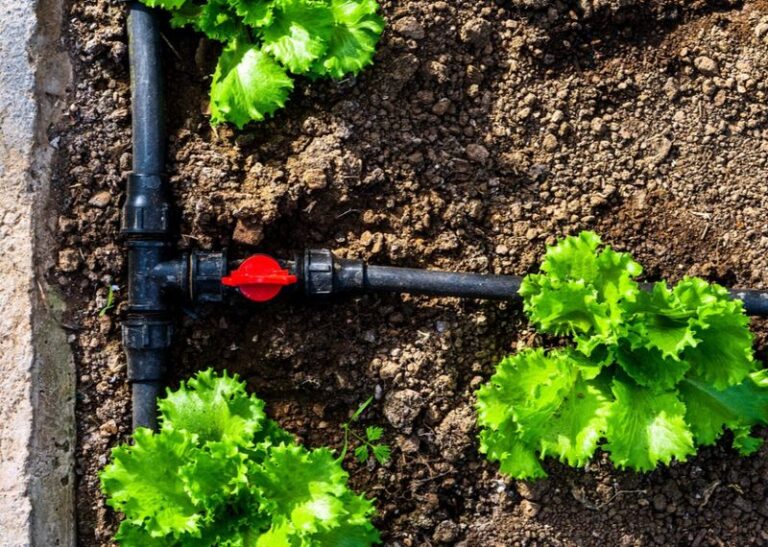
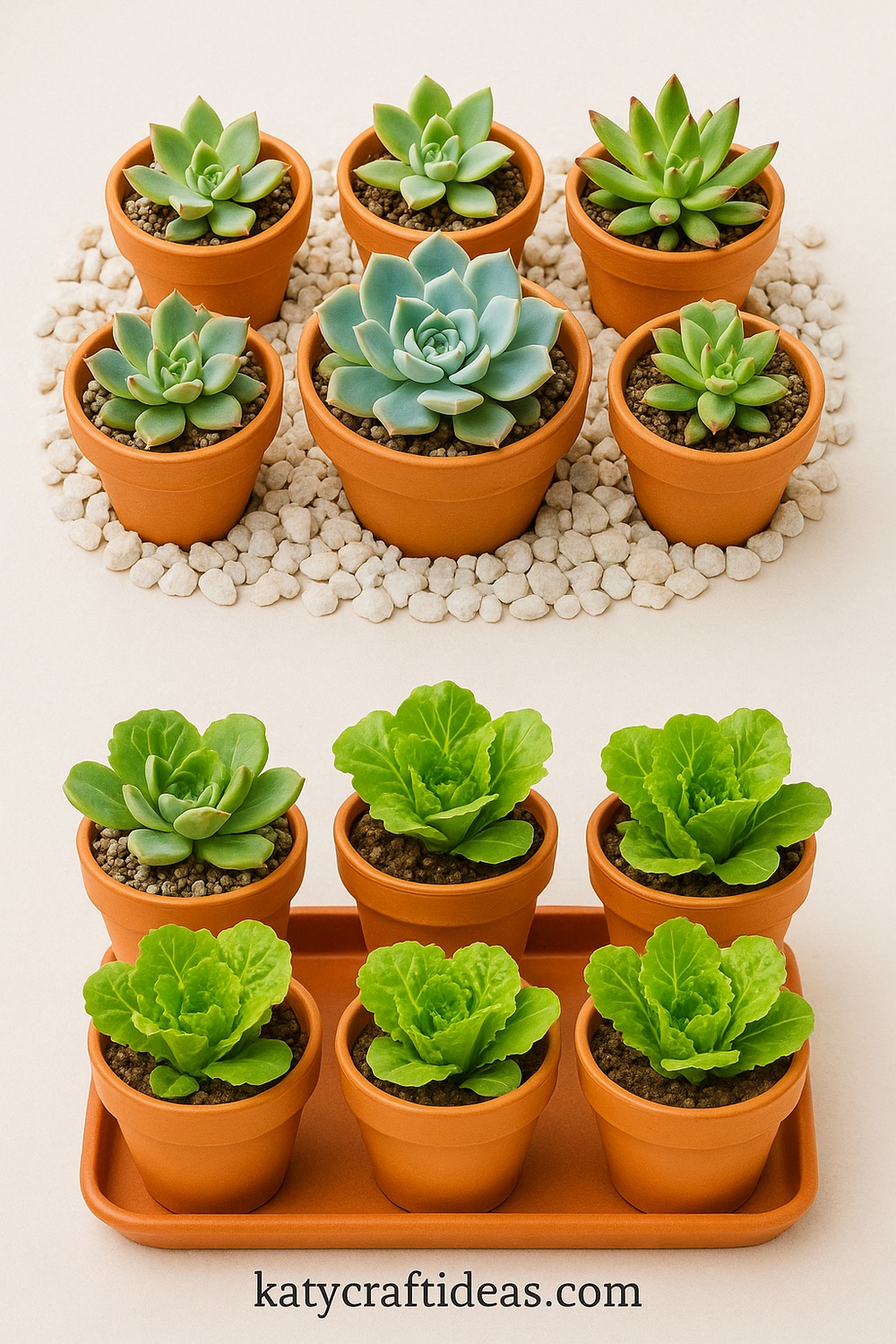
Group garden plants with similar water needs in the same bed or watering zone. Keep dry-loving plants away from plants that need steady moisture. Also consider soil, sunlight, drainage, root depth, and local weather. This makes watering easier and helps prevent root damage.
Across the United States, gardens face very different water challenges. A gardener in Arizona may deal with hot, dry soil, while someone in Florida may face heavy rain and damp ground. Gardens in the Pacific Northwest may need a very different watering plan from those in the Midwest. Yet all these gardens share one simple need: plants must get the right amount of water.
Garden plant grouping by water needs is a simple way to meet that need. It means placing plants with similar moisture needs close together. You can then water each group in a way that suits its plants. This method is also called hydrozoning.
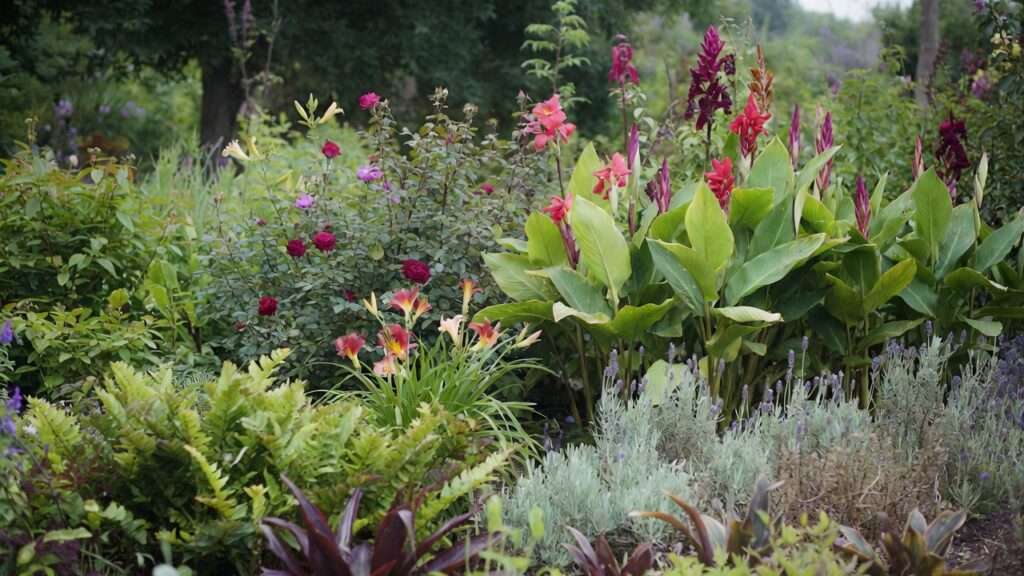
Think of your garden as a set of small water zones. One area may hold lavender, rosemary, and other plants that prefer drier soil. Another may hold vegetables that need steady moisture. A third may hold ferns or other plants that grow well in damp soil. Each group gets the care it needs without forcing every plant to follow the same schedule.
The key is to look beyond a plant’s name or its drought rating. Soil type, sun, wind, plant age, and root depth all affect water use. A plant that needs little water after it grows may need more care during its first season. Once you understand these factors, you can build a garden that is easier to manage and less likely to waste water.
Source: treecarezone.com
What Does Grouping Plants by Water Needs Mean?
Grouping plants by water needs means planting species together when they need similar soil moisture and watering care. The goal is to avoid giving too much water to dry-loving plants or too little to thirsty plants.
This method is known as hydrozoning. A hydrozone is an area where plants have similar water needs and can share a suitable watering plan. A hydrozone can be one flower bed, a vegetable patch, a group of pots, or several planting areas linked to one irrigation valve.
The method matters because plants do not all use water at the same rate. Some have roots that grow deep into the soil. Others have shallow roots near the surface. Some plants need soil that dries between watering, while others grow best when the soil stays moist.
A single watering plan cannot always meet all these needs. If you water a whole garden bed often, plants that prefer dry soil may suffer. If you water less often, plants that need steady moisture may wilt. Separate groups help solve this problem. They also make it easier to spot changes in plant health and soil moisture.
Source: homegardenglow.com
Better plant health
Plants receive water that matches their root and soil needs. This can lower the risk of root rot, dry roots, and poor growth.
Less water waste
You can avoid watering dry-loving plants just because a nearby plant needs more water.
Easier garden care
Each group can have its own watering plan. This makes it easier to manage large beds and mixed plantings.
Better irrigation control
Separate water zones allow you to use different schedules for plants with different needs.
Water Needs Are More Than Watering Frequency
Two plants may need a similar amount of water but still need different watering methods. A mature tree may need deep watering at longer gaps. A vegetable plant may need more frequent water near its shallow roots.
For this reason, group plants by both their moisture needs and their watering pattern. Consider how deep their roots grow, how fast the soil dries, and how much water reaches each plant. This gives you a better plan than using a simple low, medium, or high label.
Soil moisture
Does the plant prefer dry, evenly moist, or wet soil?
Water depth
Does it need shallow watering or water that reaches deep roots?
Water timing
Does it need frequent watering or longer gaps between watering?
Identify the Main Garden Water Groups
Start by sorting your plants into four broad groups. These groups give you a useful base for garden planning. You can then make smaller zones for plants with special needs.
Plant labels, local nursery advice, and university extension guides can help you make the first choice. In the United States, local advice matters because the same plant may use water at different rates in different climates. A dry region, a humid region, and a cool coastal area do not have the same watering needs.
The groups below are a starting point, not fixed rules. Check the needs of each plant and its variety before placing it in a zone.
Source: bluestem.ca
Group 1: Low-water plants
These plants can grow with less added water once they are well established. Many lavender, rosemary, yarrow, sedum, and dry-climate native plants fit this group. They often prefer well-drained soil and may suffer if the soil stays wet. Water them well during establishment, then adjust care to rainfall and local conditions.
Group 2: Moderate-water plants
These plants need regular water but may not need the soil to stay wet all the time. Many garden shrubs and established perennials fit here, though their needs vary by species and climate. Check the soil before watering and allow the surface to dry when the plant prefers it.
Group 3: High-water plants
These plants need a steady supply of moisture during active growth. Many vegetable crops, some annual flowers, lawns, and container plants need more frequent attention. Keep their watering zone separate from dry-loving plants.
Group 4: Moisture-loving plants
These plants grow well in soil that stays moist or in sites that collect water. Examples may include ferns, Siberian iris, turtlehead, and some wet-site shrubs. Their exact needs depend on the species. Do not assume that every moisture-loving plant can live in standing water.
Do Not Confuse High Water Use With Wet Soil Tolerance
A plant that needs frequent watering does not always like soggy soil. Many vegetables need regular moisture but still need air around their roots. Poor drainage can harm them even when they need plenty of water.
Wet-site plants are different. Some can handle soil that stays damp for long periods. Others can tolerate short periods of flooding. Check the plant’s actual site needs before placing it in a wet area.
University of Nebraska Extension lists plants that tolerate wet sites and plants that handle dry conditions. It also notes that some species can adapt to both types of conditions. This is why plant-specific advice is better than judging water needs by appearance alone. 【turn698146view4】
High water use
The plant needs a regular supply of water but may still need well-drained soil.
Wet-site tolerance
The plant can grow in soil that stays moist or in a site that receives extra water.
Drought tolerance
The plant can handle periods of limited water after it has become established.
Keep Trees in a Special Water Zone
Many mature trees need deep watering at longer intervals. This differs from the frequent, shallow watering often used for lawns and some flower beds.
Nebraska Extension gives an example of this difference. It describes tree watering that reaches about 12 to 18 inches deep, while turf roots are often around 4 to 6 inches deep. These are general examples, not a watering rule for every tree or lawn. Soil, tree age, rainfall, and local weather still matter. 【turn698146view4】
Tree zone
Plan deep watering that reaches the active root area. Avoid using a lawn schedule as the only source of water for a tree.
Lawn zone
Keep turf on a schedule that suits its shallow root system and local growing conditions.
Check Soil, Sunlight, and Local Growing Conditions
A plant’s water needs depend on more than its species. The place where it grows can change how fast the soil dries and how much water the roots can use. Check the growing site before you decide where to place each plant.
For example, a plant in full sun may dry out faster than the same plant in partial shade. A bed near a hot wall may lose moisture faster than a sheltered bed. A low area may collect water after rain, while a raised bed may dry out much faster.
Utah State University explains that plant water use can change with species and microclimate. It also warns that general plant water factors are only estimates. This supports a simple rule: use plant ratings to begin, then watch the soil and plant response. 【turn698146view0】
Source: positivebloom.com
Soil type
Sandy soil often drains and dries faster. Clay soil can hold water for longer. Loam may offer a more balanced mix of drainage and moisture storage.
Sun exposure
Full sun can increase water loss. Shade may help soil stay moist for longer, though dense shade can also change which plants grow well.
Wind
Wind can dry leaves and soil. Exposed beds may need closer checks during hot or windy weather.
Slope
Water may run downhill before it reaches the roots. Plants at the top and bottom of a slope may need different care.
Rainfall
Natural rain can meet part or all of a plant’s water needs. Do not use the same irrigation schedule during wet and dry periods.
Plant age
New plants have small root systems. They often need more frequent checks than mature plants of the same species.
Check the Soil Before You Choose a Water Zone
Take a small sample of soil from the root area. Feel it with your fingers. Dry soil may feel loose and dusty, while moist soil may feel cool and form a loose shape when pressed.
If the soil feels wet for many days, check for poor drainage. If it dries soon after watering, check for sandy soil, shallow roots, or water that runs away from the bed.
Do not judge the whole bed by its surface. The top layer can look dry while the deeper root area still holds water. Check at a depth that matches the plant’s root zone.
Dry soil
Check whether water reaches the roots. Add water slowly if the soil is very dry and water runs off.
Wet soil
Pause extra watering and check drainage, root health, and the plant’s moisture needs.
Uneven soil moisture
Check irrigation coverage and soil changes across the bed. You may need more than one water zone.
Use Local Plant Information
Read the plant label, but do not stop there. Look for details about soil drainage, sun, water needs after establishment, and the plant’s natural growing range.
Gardeners in California can use the Water Use Classification of Landscape Species database, also called WUCOLS. It lists water-use groups for many landscape plants. Its ratings are designed for regional use, so gardeners in other states should also check local university extension advice and plant lists.
A county Master Gardener program or local water provider may have useful plant lists for your area. These sources can help you avoid placing a plant in a zone that does not fit your local climate. 【turn698146view1】【turn698146view2】
Check the exact plant
A named variety may have different needs from another variety of the same species.
Check local advice
Use plant guides from your state or region instead of relying on a general list from another climate.
How to Group Garden Plants by Water Needs
You can plan water zones in a new garden or improve an existing one. Start with a simple garden map. Mark the areas that stay wet, the areas that dry fast, and the places that receive full sun or shade.
Do not rush to move every plant. First, find out which plants share similar needs. Then decide whether you can change the watering method or whether some plants need a new location.
Source: completegardening.com
Step 1: Make a garden map
Draw the beds, lawn, paths, trees, pots, slopes, and water sources. Mark areas that collect rain and areas that dry fast.
Step 2: List your plants
Write down each plant’s common name and variety if known. Add notes about its water needs, sun needs, soil preference, and mature size.
Step 3: Sort plants into groups
Place each plant in a low, moderate, high, or wet-site group. Create a separate note for plants that need deep watering or special care.
Step 4: Check the growing sites
Compare the soil, shade, sun, slope, wind, and drainage in each part of the garden. Make sure the site suits the plants you want to group.
Step 5: Mark the water zones
Draw a boundary around each group. Keep plants with very different water needs in separate zones, even if they are close to one another.
Step 6: Plan the irrigation
Choose a watering method for each group. Use separate valves, drip lines, or hand watering when the plants need different amounts or timing.
Step 7: Test and adjust
Water each group and check the soil near the roots. Watch for wilting, yellow leaves, poor growth, and signs of wet soil.
Use a Simple Plant Grouping Record
A small record can help you avoid mistakes when you add new plants. Keep the same details for each plant so you can compare their needs.
For example, write down whether the plant prefers dry or moist soil, how deep its roots grow, and how much sun it gets. Add a note about its needs during the first growing season.
Plant name
Record the common name and botanical name when available.
Water group
Record low, moderate, high, or wet-site needs.
Site conditions
Record sun, shade, soil type, slope, and drainage.
Watering pattern
Record whether the plant needs shallow, deep, frequent, or occasional watering.
Establishment notes
Record any extra care needed while the roots become established.
Plan the Right Irrigation for Each Water Group
Once you have sorted the plants, match each group to a suitable watering method. A good plan delivers water to the root area without soaking plants that prefer drier soil.
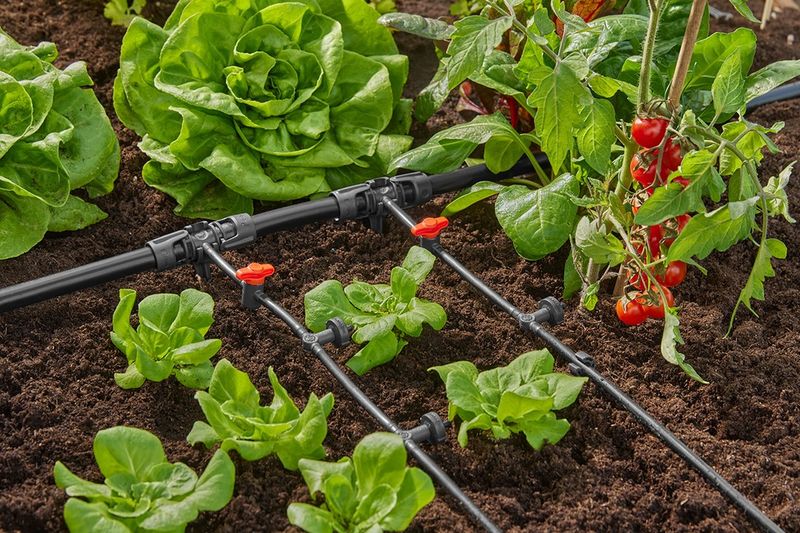
Drip irrigation can work well for many garden beds because it sends water close to plant roots. A soaker hose can help with beds that need even moisture. Hand watering may work best for a small group of plants with special needs.
The main rule is to avoid mixing very different watering needs on one irrigation valve. A valve controls the plants connected to it. If one group needs frequent watering and another needs long gaps, they may not work well together on the same schedule.
Source: katycraftideas.com
Low-water zones
Use slow, deep watering when needed. Allow suitable soil to dry between watering. Do not keep these plants on a frequent lawn or vegetable watering schedule.
Moderate-water zones
Check the root area and water when the soil reaches the plant’s preferred moisture level. Adjust the schedule as weather and plant growth change.
High-water zones
Use drip lines or soaker hoses to keep the root area moist. Check vegetables and containers more often during hot weather.
Wet-site zones
Choose a site that naturally stays moist or can safely hold the needed moisture. Do not create poor drainage for plants that only prefer regular watering.
Tree zones
Use a method that wets a wide area of the root zone. Water deeply when conditions call for it rather than copying a shallow flower-bed schedule.
Keep Drip Emitters Consistent Within a Zone
When you use drip irrigation, check the flow rate of each emitter. The flow rate tells you how much water an emitter releases over time. Plants on the same valve should receive a suitable and planned amount of water.
The UC Master Gardener Program of Sonoma County advises using emitters with matching flow rates on the same valve to help keep water delivery consistent. It also explains that distribution tubing can carry water to separate planting areas. This can help when plants in one water group are not all in the same bed. 【turn698146view2】
Keep water away from plant crowns and tree trunks when the plant is sensitive to constant wetness. Place emitters where they can wet the active root area. Check the system after installation to make sure water reaches the intended plants.
Check flow rates
Compare the gallons-per-hour rating of emitters before placing them on the same valve.
Check coverage
Make sure water reaches the root area rather than running away from the plant.
Check for leaks
Look for loose joints, blocked emitters, and water that sprays onto paths or walls.
Use Mulch to Help Manage Soil Moisture
Mulch can help slow water loss from the soil. It can also reduce weed growth and protect the soil surface from heat. Organic mulch may be useful around many shrubs, trees, and flower beds.
Use a mulch type that suits the plants and the site. Keep mulch away from stems and tree trunks. A thick, wet layer against a plant base can create problems.
Remember that mulch does not replace a good water plan. It helps manage moisture, but you still need to check the soil and adjust watering when the weather changes.
Use a suitable layer
Spread mulch across the soil without piling it against plant stems.
Check soil below the mulch
The surface may look dry while the soil below remains moist.
Refresh when needed
Replace mulch as it breaks down or becomes too thin to cover the soil.
Examples of Useful Garden Plant Groupings
A practical garden layout does not need to be complex. You can start with a few clear zones and add more as your plant collection grows. The best layout depends on your climate, soil, and the plants you want to grow.
Think about how each group will be watered before you plant. A bed that looks attractive may still be hard to manage if one plant needs dry soil and another needs steady moisture.
Example 1: A low-water flower bed
Group suitable lavender, rosemary, yarrow, and sedum in a sunny site with good drainage. Check the needs of each variety and leave enough space for mature growth. Avoid placing plants that need wet soil in this bed.
Example 2: A vegetable garden
Keep vegetables in a separate zone from dry-loving shrubs. Many vegetables need regular moisture while they grow and produce food. Use drip lines or soaker hoses and check soil moisture often.
Example 3: A shady moisture-loving bed
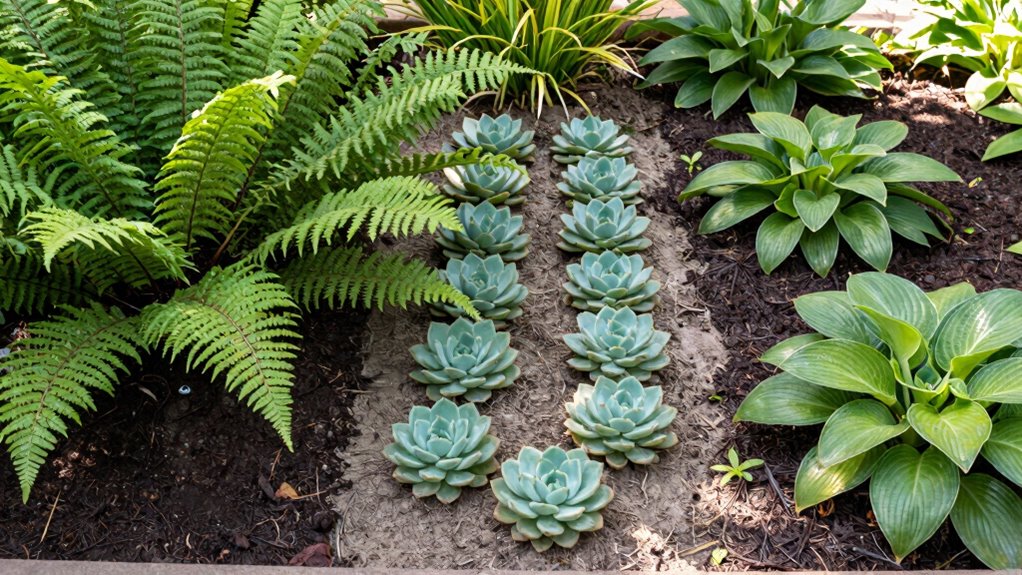
Place suitable ferns, hostas, and other shade plants together where the soil holds moisture without becoming harmful to their roots. Check each species because shade plants do not all need the same amount of water.
Example 4: A lawn and tree layout
Keep lawn watering separate from tree watering when their needs differ. Trees often need deeper water at longer intervals, while turf may need more frequent watering near the surface.
Example 5: A container garden
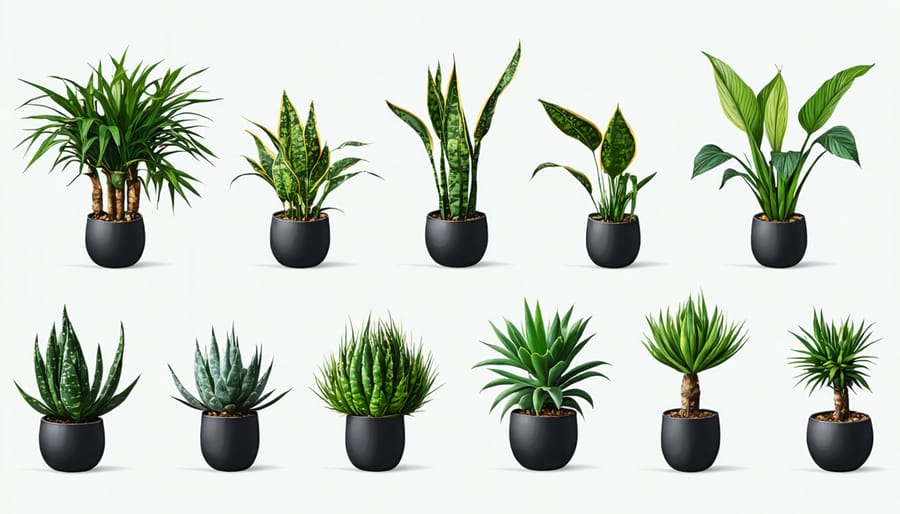
Group pots by how fast they dry and how much water the plants need. Keep thirsty vegetables and flowers together only when their needs match. Place drought-tolerant plants in their own pots or group.
Example 6: A rain garden
Use plants that can handle the site’s changing moisture levels. Place plants that tolerate wetter soil in lower areas and plants that prefer better drainage on higher edges. Check local rain garden plant lists before choosing species.
A Simple Example for a Small Home Garden
Imagine a small U.S. home garden with a sunny front bed, a vegetable patch, a few trees, and a shaded side bed. You could make four main water zones.
The sunny front bed could hold suitable low-water plants. The vegetable patch could have its own frequent watering plan. The trees could receive deep watering based on soil and weather. The shaded side bed could hold plants that prefer steady moisture.
This layout keeps the watering needs clear. It also gives you room to add new plants without changing the care of the whole garden.
Front bed
Low-water plants in well-drained soil.
Vegetable patch
High-water plants with regular moisture checks.
Tree area
Deep watering based on root depth and local conditions.
Shaded side bed
Plants that prefer moist soil and suitable shade.
How to Regroup Plants in an Existing Garden
You do not need to rebuild your whole garden to improve water use. Start with the plants that show signs of poor watering. Then check whether their neighbors have very different moisture needs.
A common problem occurs when an irrigation valve waters plants based only on their location. For example, one side of a yard may have both dry-loving shrubs and thirsty flowers. The shrubs may receive too much water, while the flowers may still need more.
The UC Master Gardener Program explains that plants do not always need to be moved to create better water zones. Distribution tubing can carry water to separate areas, where the right drip lines or emitters can be used. This gives gardeners more options than digging up every plant. 【turn698146view2】
Start with a water check
Water the bed and check moisture near the roots. Find out which plants dry too fast and which stay wet.
Find the irrigation valve
Learn which plants receive water from the same valve. Mark the current layout before changing anything.
Separate conflicting plants
Use another valve, a separate drip line, or hand watering when plants have very different needs.
Move plants only when needed
Relocate a plant when its site has the wrong soil, drainage, sun, or water conditions. Choose a suitable planting time for that species.
Watch the garden after changes
Check plant health and root-zone moisture over the next few weeks. Adjust the plan if the soil stays too wet or dries too fast.
When Should You Move a Plant?
Move a plant when its current location cannot meet its long-term needs. For example, a plant that needs dry, well-drained soil may struggle in a low area that stays wet after rain.
Before moving it, check its size, root spread, and best transplant time. Some plants handle moving well, while others may suffer if their roots are disturbed. Water the plant as needed during the transition and follow local planting advice.
Move dry-loving plants
Consider a higher, well-drained site if the current bed stays wet.
Move moisture-loving plants
Consider a site that holds moisture longer and provides suitable light.
Keep mature trees in mind
Avoid digging near major tree roots or changing soil levels around the trunk. Seek qualified tree-care advice before major work near a mature tree.
Common Mistakes When Grouping Plants by Water Needs
Even a well-planned garden can develop water problems. Many issues begin when gardeners use one watering schedule for every plant. Others happen when they judge water needs by plant appearance or a general label alone.
Watch for these common mistakes when you plan or change your water zones. Small changes can often improve plant health without a full garden redesign.
Grouping plants only by appearance
Plants may look good together but need very different soil moisture. Check their water needs before placing them in the same bed.
Assuming all native plants need little water
Native plants are adapted to local conditions, but those conditions can include wet soil, seasonal moisture, or regular rain. Check the needs of the exact species.
Treating drought tolerance as no-water tolerance
Most newly planted species need added water while their roots become established. Even mature drought-tolerant plants may need help during long dry periods.
Using the same schedule for trees and lawns
Trees and turf often have different root depths and watering patterns. Separate them when one schedule cannot meet both needs.
Ignoring soil drainage
A plant may receive the right amount of water but still suffer if the soil stays wet for too long. Check drainage before adding more water.
Watering by the calendar alone
A weekly schedule may work in one season but fail in another. Rain, heat, wind, and soil moisture should guide your decisions.
Mixing different emitters without a plan
Different flow rates can cause uneven water delivery. Check the irrigation design and emitter ratings before joining plants to one valve.
Planting too many thirsty species
A large high-water area may need more time and water to maintain. Choose plants that fit your available water and local climate.
A Plant Is Wilting, But the Soil Is Wet
Do not add more water at once. Wilting can happen when roots cannot take up water from damaged or poorly drained soil. Check the soil below the surface and look for signs of root problems.
If the soil stays wet, pause irrigation while you check drainage and plant health. If roots are damaged or the plant keeps declining, ask a local extension service or qualified garden professional for help.
Check soil moisture
Use a finger or soil probe to check the root area rather than judging by leaf appearance.
Check drainage
Look for standing water, compacted soil, or a blocked drain.
Review the watering zone
Check whether nearby plants are causing the whole zone to receive too much water.
A Plant Is Wilting, But the Soil Is Dry
Check whether water reaches the full root area. A short watering session may wet only the top layer. Water may also run off hard soil or move away from roots in a sloped bed.
Apply water slowly when needed and check the soil again. If the plant remains stressed, review its sun exposure, root health, and suitability for the site.
Check irrigation coverage
Look for blocked emitters, broken hoses, or dry areas between water outlets.
Check soil depth
Make sure water reaches the active roots.
Check the plant’s water group
A plant may be placed in a zone that receives less water than it needs.
Maintain Your Water Zones Through the Seasons
A good water plan should change as the garden grows and the weather changes. Plants may need more water during hot, dry periods and less during cool or rainy periods. A fixed schedule can waste water or leave roots too dry.
Check each zone at the start of a new season. Look at plant growth, soil moisture, rainfall, and irrigation coverage. Make small changes when needed rather than changing every zone at once.
Young plants may need more frequent watering than mature plants. A newly planted shrub may need close checks while its roots spread. As it becomes established, you may be able to reduce added water if its species and local conditions allow.
Spring
Check new growth, soil moisture, and irrigation lines. Give new plants the care they need as roots develop.
Summer
Watch for heat and dry soil. Check containers and vegetable beds more often, especially during long hot periods.
Fall
Reduce watering when cooler weather and rainfall lower plant needs. Continue to check new plants and trees.
Winter
Avoid watering frozen or waterlogged soil. Check local weather and plant needs before using irrigation.
Review Each Zone After Rain or Heat
Rain does not always reach every part of the garden in the same way. A roof may send extra water to one bed, while a covered area receives little rain. Check each zone instead of assuming the whole garden has the same soil moisture.
Heat and wind can also change water use. If one bed dries faster than others, check its soil, sun exposure, and plant density. You may need to adjust the irrigation time or make a separate zone.
After heavy rain
Check low areas and beds near downspouts for excess moisture.
During hot weather
Check the root area more often, especially in pots and raised beds.
After plant growth
Review spacing and water coverage as plants become larger.
How to Know If Your Plant Grouping Is Working
A good water-zone plan should make plant care easier and keep soil moisture closer to what each group needs. You should see healthy growth without constant changes to the whole garden’s watering schedule.
Look for healthy new leaves, steady growth, and soil that matches each plant’s needs. Low-water plants should not remain in soggy soil. Moisture-loving plants should not dry out again and again. Vegetable beds should receive enough water without staying flooded.
Do not expect every plant to look the same. Different species grow at different rates and have different leaf shapes. Judge success by the health of each plant and whether the site and watering plan suit its needs.
Healthy roots and growth
Plants produce normal new growth and do not show repeated signs of water stress.
Suitable soil moisture
The root area is neither too dry nor too wet for the plants in that zone.
Fewer watering conflicts
One group no longer suffers because another group needs more or less water.
Better irrigation control
Each zone can be watered and checked without changing the needs of unrelated plants.
Less unnecessary watering
Rainfall and soil moisture checks help prevent watering when the plants do not need it.
Keep a Simple Watering Record
Write down when you water each group and what the soil feels like afterward. Add notes about rain, heat, and plant growth. This can help you spot patterns over time.
If a plant often shows stress, review its group before adding more water. The issue may be poor drainage, wrong sun exposure, or an irrigation problem rather than a lack of water.
Record watering dates
Note when each zone receives water.
Record soil checks
Note whether the root area is dry, moist, or wet.
Record plant changes
Note new growth, wilting, leaf color, and other changes.
Frequently Asked Questions
Q
Can I group plants with different water needs in one garden bed?
Yes, but it may need extra care. Plants with different water needs can share a bed if you can water them separately. You might use individual drip emitters, separate lines, or hand watering. If you cannot control water delivery, choose plants with similar moisture needs for that bed.
Q
How often should I water each plant group?
There is no single schedule that works for every garden. Watering depends on plant type, soil, weather, root depth, and plant age. Check the soil near the roots before watering. Low-water plants often need longer gaps between watering, while vegetables and some containers may need more frequent checks.
Q
Do drought-tolerant plants need water after planting?
Yes. Most drought-tolerant plants need added water while their roots become established. Water them according to the planting instructions and local conditions. Once they are established, you may be able to reduce added water. Long periods of heat or drought may still require extra care.
Q
Are native plants always low-water plants?
No. Native plants grow in many types of natural habitats. Some come from dry hills and open grasslands, while others grow in wetlands, forests, or areas with steady moisture. Choose native plants that match your local site and check their actual water needs.
Q
Should trees and flowers share the same irrigation zone?
Usually, they should have separate watering plans when their needs differ. Many mature trees need water that reaches deeper into the soil and may need longer gaps between watering. Many flowers have shallower roots and need more frequent moisture. Check the needs of the exact plants before connecting them to the same valve.
✦ Wrapping Up
Conclusion
Garden plant grouping by water needs is a simple way to create a healthier and easier-to-manage garden. When plants with similar moisture needs grow together, you can give each group the right care. This helps reduce overwatering, underwatering, and wasted water.
Start by sorting your plants into low, moderate, high, and wet-site groups. Then check the soil, sunlight, drainage, and root depth in each area. Keep trees, lawns, vegetables, and containers separate when their watering patterns do not match.
You do not need to change your whole garden at once. Start with one bed, make a simple map, and check the soil near the roots. As you learn how each group responds, you can improve the layout and watering plan over time.
💡 Key Takeaway
Choose one garden bed today. List its plants, check their water needs, and divide them into suitable groups. Then check the soil near their roots and create a watering plan that fits each group. Make small changes and review the results as the seasons change.