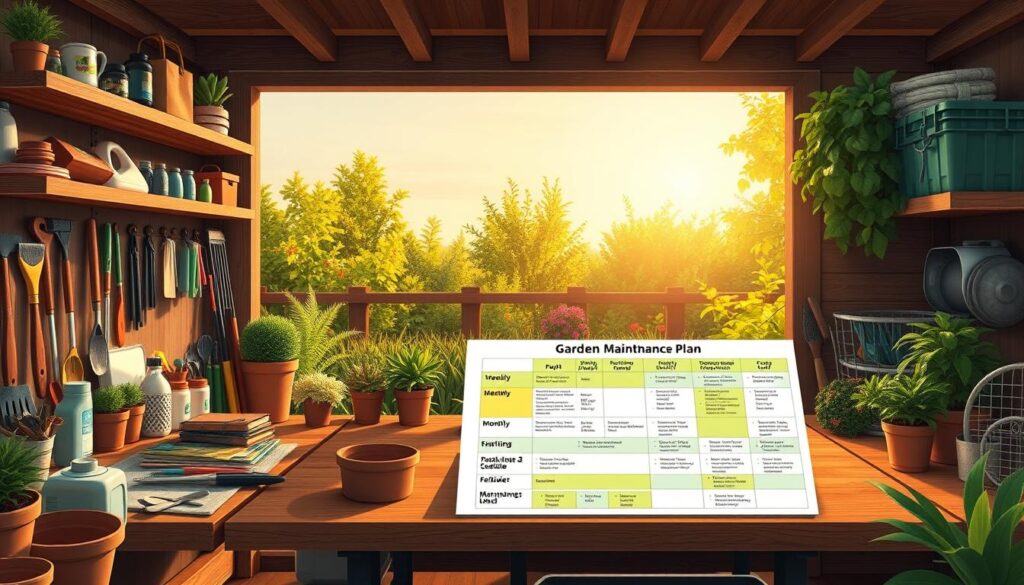
Garden annual maintenance planning is the process of organizing garden care tasks across the year. It helps you schedule watering, pruning, weeding, soil care, pest checks, planting, and seasonal cleanup at the right time for your plants and local climate.
Across the United States, garden care changes with the seasons. A homeowner in Minnesota faces frozen soil and harsh winter weather. A gardener in Florida may deal with heavy rain, heat, and year-round plant growth. Gardeners in Arizona face different needs, such as dry soil and high summer temperatures. These differences make a local garden maintenance plan far more useful than one fixed calendar.
A good annual plan breaks large jobs into small tasks. It helps you prepare before each season, spot plant problems early, and avoid doing work at the wrong time. You can also use it to track plant growth, soil changes, water use, and pest activity.
The best starting point is your own yard. List your plants, check the soil, study sunlight and drainage, and note your local frost dates. Then build a simple schedule around plant needs, weather, and the time you have available. A garden calendar should guide your work, not force you to follow dates that do not fit local conditions.
Source: newgenliving.com
1. Start With a Garden Inventory
A garden inventory gives your maintenance plan a clear starting point. Before setting dates, learn what grows in your yard and what each plant needs. This step helps prevent wasted work and poor care.
Walk through your garden and divide it into simple areas. You might have flower beds, vegetable beds, trees, shrubs, lawn edges, containers, and shaded spaces. Give each area a name so you can track its needs throughout the year.
Next, write down the plants in each area. Include their common names, mature size, sunlight needs, water needs, and bloom or harvest time. You do not need a complex database. A notebook or basic spreadsheet will work.
Plant information
Record plant names, planting dates, mature sizes, bloom periods, and special care needs.
Sunlight conditions
Mark areas that receive full sun, partial sun, or shade. Check how sunlight changes during the day.
Soil conditions
Note whether the soil is sandy, clay-heavy, loamy, compacted, or slow to drain.
Water access
Record hose locations, drip lines, sprinklers, rain barrels, and areas that dry out quickly.
Problem areas
Mark places with weeds, standing water, plant disease, pest damage, or poor growth.
Map Your Garden Areas
A simple garden map makes yearly work easier. Draw the main beds, paths, trees, fences, and water sources. Add plant names or short labels beside each area.
The map does not need to be perfect. Its main purpose is to help you find plants and plan work. You can also mark places where you want to add plants, improve drainage, or change the bed layout.
Use simple labels
Name each bed with a number or short title, such as Front Bed, Herb Area, or North Border.
Mark special conditions
Show slopes, wet spots, dry corners, shade, and areas exposed to strong wind.
Group Plants by Their Care Needs
Grouping plants by similar needs makes garden care more efficient. Plants that need frequent water should not share the same watering schedule as drought-tolerant plants.
You can also group plants by sunlight, soil type, pruning needs, or growing season. This reduces extra work and helps prevent damage from unsuitable care.
Water groups
Keep plants with similar moisture needs together when planning irrigation.
Light groups
Separate full-sun plants from those that need shade or filtered light.
Seasonal groups
Mark spring bloomers, summer flowers, fall plants, and winter-interest plants.
2. Build a Seasonal Garden Maintenance Calendar
A seasonal calendar is the main part of garden annual maintenance planning. It gives every task a general time window and helps you prepare before problems appear.
Divide the year into four seasons. Add the jobs that fit your plants and climate. Then adjust the dates based on local weather and plant growth.
The calendar below is a general guide for gardens in the United States. It is not a fixed rule. Spring may begin much earlier in the South than in the Upper Midwest. Some western gardens also have dry summers and wet winters, which change the usual work pattern.
Source: fascinatewithzea.com
Winter: Plan and prepare
Review garden records, inspect tools, plan new beds, order seeds, check stored supplies, and protect plants from local winter risks.
Spring: Inspect and renew
Check new growth, remove damaged material, test soil when needed, manage early weeds, refresh mulch, and prepare irrigation.
Summer: Maintain and protect
Monitor soil moisture, water when needed, remove weeds, check for pests, support tall plants, and remove spent flowers when useful.
Fall: Clean and prepare for cold weather
Plant suitable trees and perennials, collect leaves, compost healthy garden waste, plant spring bulbs, and prepare sensitive plants for winter.
Winter Garden Maintenance
Winter is a useful time to plan rather than rush into outdoor work. In colder parts of the country, frozen ground limits planting and digging. In warmer areas, winter may still allow planting and light garden care.
Check trees and shrubs for broken limbs. Remove only what you can safely reach and handle. Large branches near buildings or power lines need a qualified professional.
Review last year’s notes. Look for plants that struggled, beds that dried out, and areas that needed too much care. Use these findings to plan changes before spring arrives.
Check tools
Clean, sharpen, and repair hand tools. Service powered equipment according to its manual.
Protect plants
Check frost covers, winter mulch, and container plants during cold weather.
Plan new work
Choose plants, review seed needs, and sketch new beds or planting changes.
Check drainage
Look for blocked drains and areas where water collects after rain or snowmelt.
Spring Garden Maintenance
Spring is the time to inspect the garden as plants begin to grow. Wait until the soil is workable before digging or walking heavily across beds. Wet soil can become compacted and lose air spaces that roots need.
Remove dead or damaged growth when the plant is ready for cleanup. Some native plants and beneficial insects use old stems and leaves for shelter. Avoid clearing every bed too early.
Check irrigation lines before warm weather increases water needs. Repair leaks, clean filters, and test emitters. Add compost or mulch where the soil and plant needs call for it.
Check new growth
Look for healthy shoots, frost damage, broken stems, and signs of disease.
Control early weeds
Remove young weeds before they flower and spread seeds.
Prepare planting beds
Clear unwanted growth and add suitable organic matter based on soil needs.
Prepare watering systems
Test hoses, drip lines, sprinklers, and timers before regular watering begins.
Summer Garden Maintenance
Summer care focuses on keeping plants healthy during heat, dry spells, storms, and active growth. Check soil moisture often because surface soil can dry faster than the deeper root zone.
Water according to plant needs and local conditions. Early morning is often a useful time because less water is lost to heat and wind. Deep watering is generally more useful than frequent shallow watering when the plant and soil type allow it.
Inspect plants for insects, leaf damage, and disease. Remove weeds before they compete heavily for water and nutrients. Support plants that become too tall or heavy as they grow.
Monitor soil moisture
Check the soil near the roots before watering. Adjust irrigation after rain or during heat waves.
Remove unwanted growth
Pull weeds while they are small and remove dead plant parts when needed.
Check for pests
Inspect leaf surfaces, stems, buds, and the undersides of leaves.
Support plants
Secure climbing plants, tall flowers, and heavy fruiting branches with suitable supports.
Fall Garden Maintenance
Fall is a good time to review plant health and prepare the garden for the next growing season. In many US regions, cooler air and moist soil can help suitable plants establish roots before winter.
Collect healthy leaves for compost or use them as a loose mulch where suitable. Remove plant material that has serious disease or pest problems. Do not assume every fallen leaf or old stem must be removed.
Check irrigation needs as temperatures fall. Reduce watering when plant growth slows and rainfall increases. In cold regions, drain and store outdoor hoses and winterize irrigation systems as required.
Review plant performance
Record which plants grew well and which need a new location or replacement.
Prepare soil
Add compost or plant a suitable cover crop in open beds when appropriate.
Plant for next year
Plant suitable spring bulbs and other plants during the correct local planting window.
Prepare for winter
Protect sensitive plants, check mulch, and store equipment that may freeze or rust.
3. Turn Seasonal Tasks Into a Monthly Work Plan
A monthly work plan turns a broad seasonal calendar into clear actions. It helps you see what needs attention now and what can wait. It also prevents several large jobs from building up at the same time.
Start with the four seasons, then divide each season into monthly task groups. Add a weather note beside every job that depends on frost, rainfall, or soil conditions.
The following schedule is a planning example for a mixed home garden. Adjust it to your region, plant types, and local growing season.
January and February
Review the previous year’s records, plan garden changes, clean tools, check winter protection, and inspect trees and shrubs after storms.
March and April
Inspect new growth, prepare beds when soil is workable, remove suitable dead growth, test soil, and check irrigation equipment.
May and June
Complete suitable planting, manage weeds, apply mulch where needed, monitor pests, and adjust watering as temperatures rise.
July and August
Check plants during heat, water based on soil moisture, remove damaged growth, support heavy stems, and monitor summer pests.
September and October
Review plant performance, plant suitable fall additions, collect healthy leaves, prepare compost, and adjust irrigation.
November and December
Clean suitable garden areas, protect plants from cold, store tools, review the annual task list, and plan the next cycle.
Add Weather Triggers to Your Calendar
A fixed date does not always tell you when a garden task is ready. Weather triggers make the schedule more useful. For example, plant tender annuals after the local frost risk has passed and the soil is warm enough for the species.
Use your local average last and first frost dates as planning guides. Actual frost can happen earlier or later. Watch local forecasts when protecting sensitive plants.
Soil moisture is another useful trigger. Wait until wet soil drains before digging, dividing, or working a bed. Water only when the root zone needs it.
Frost trigger
Delay tender planting when frost remains a risk.
Soil trigger
Work the soil when it is moist enough to crumble rather than stick and smear.
Rain trigger
Reduce or pause irrigation when rainfall has supplied enough moisture.
Growth trigger
Prune, divide, or cut back plants according to their growth and flowering cycle.
4. Schedule the Main Garden Maintenance Jobs
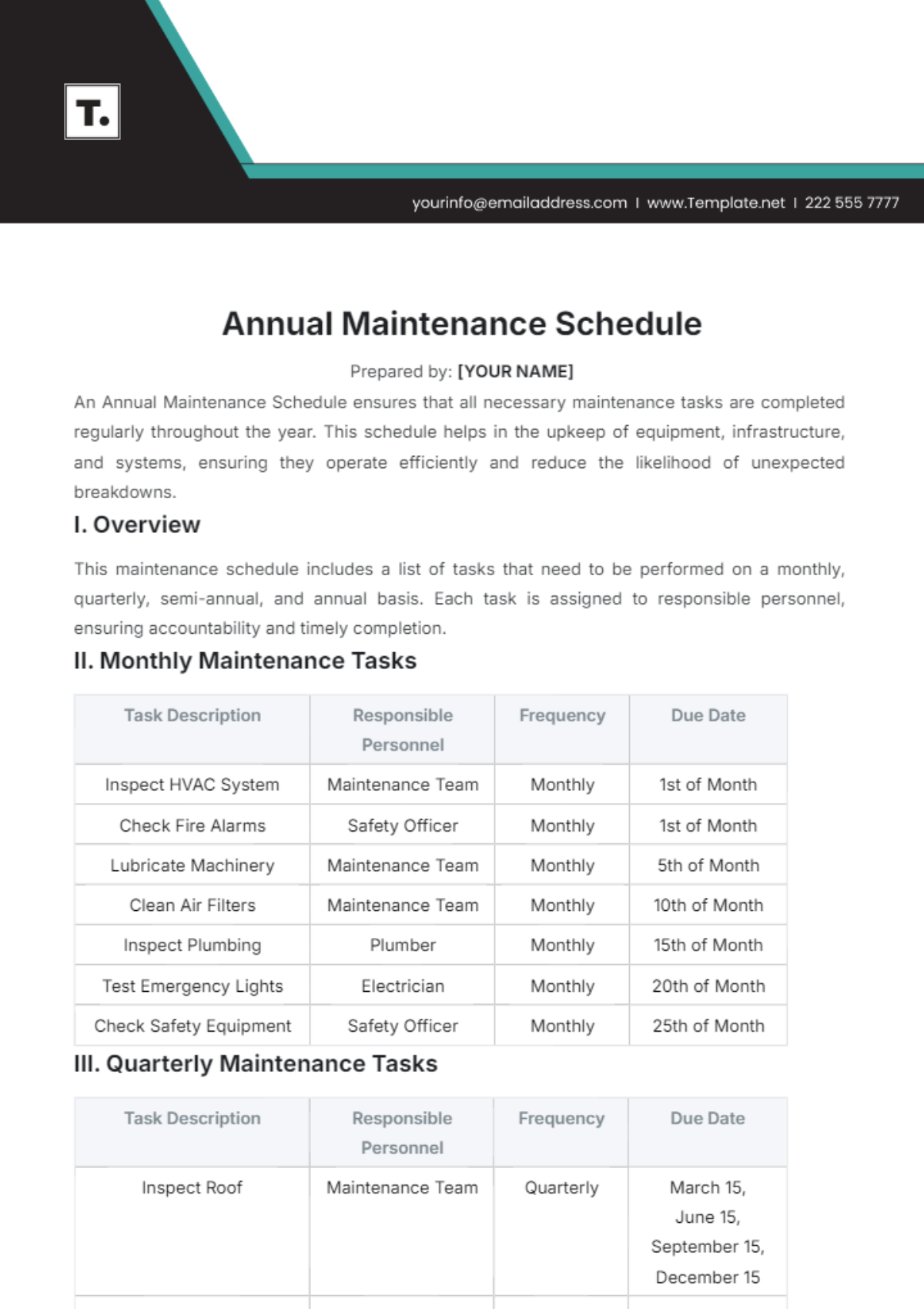
A useful maintenance plan gives each major garden job a clear purpose and time window. The most important jobs usually involve water, soil, mulch, pruning, weeds, plant health, and cleanup.
You do not need to perform every task every month. Some jobs are seasonal, while others need attention only when a problem appears. Match the work to the plant, soil, and weather.
The schedule should also separate routine care from corrective work. Routine care keeps plants healthy. Corrective work fixes issues such as poor drainage, damaged branches, or repeated pest problems.
Source: template.net
Watering and Irrigation
Watering needs change with rainfall, temperature, wind, soil type, and plant age. Newly planted plants often need closer checks than established plants because their roots have not spread far into the soil.
Check moisture near the root zone before turning on a sprinkler or hose. Sandy soil may drain quickly, while clay soil can hold water for longer. Containers also dry out faster than many garden beds.
Inspect irrigation systems at the start of the growing season and during periods of heavy use. Look for broken lines, blocked emitters, uneven spray, and leaks.
Water deeply when suitable
Apply water slowly enough to reach the active root zone without creating runoff.
Check containers
Inspect pots often during hot weather because small containers can dry quickly.
Adjust after rain
Do not follow a timer without checking recent rainfall and soil moisture.
Soil Care and Fertilizing
Healthy soil supports strong roots, steady water flow, and good plant growth. Soil care should focus on its actual condition rather than a routine application of products.
Use a soil test when you need to check pH or nutrient levels. Your local university Extension service can explain how to collect a sample and understand the results.
Add compost when it suits the soil and plants. Compost can improve soil structure and add organic matter. However, too much compost or fertilizer can create nutrient problems.
Test before feeding
Use soil test results to decide whether a nutrient or pH change is needed.
Add suitable compost
Use mature compost and mix or apply it according to the bed and plant type.
Avoid excess fertilizer
Too much fertilizer can harm roots, increase unwanted growth, and contribute to water pollution.
Mulching and Weed Control
Mulch helps limit weeds, reduce water loss, and protect soil from temperature changes. Organic mulch can also break down and add organic matter over time.
Check mulch depth before adding more. A layer of about two to three inches is often suitable for many landscape beds, but plant and site needs may differ. Keep mulch away from plant crowns and tree trunks.
Weed control is easier when you act early. Pull small weeds before they produce seeds. Remove as much of the root as practical, especially for weeds that regrow from underground parts.
Refresh mulch when needed
Replace thin or scattered mulch without building a deep pile around stems.
Weed after rain
Moist soil often makes it easier to remove young weeds and their roots.
Watch spreading weeds
Remove invasive or aggressive plants before they take over nearby beds.
Pruning and Deadheading
Pruning should follow the plant’s growth and flowering pattern. Cutting at the wrong time can remove flower buds or expose new growth to cold damage.
Many spring-flowering shrubs form flower buds before winter. Pruning them in late winter may remove the coming season’s flowers. These plants are often pruned after flowering instead.
Remove dead, damaged, or diseased growth when appropriate. Use clean, sharp tools and avoid removing more live growth than the plant can safely lose.
Check pruning time
Learn whether each plant flowers on old wood or new growth before cutting.
Deadhead when useful
Remove spent flowers from suitable plants to improve appearance or support further blooming.
Clean cutting tools
Clean tools between plants when disease spread is a concern.
Pest and Disease Monitoring
Regular inspection helps you find pest and disease problems before they spread. Look at both sides of leaves, new shoots, stems, flowers, and the soil around plants.
Do not assume every insect is harmful. Some insects feed on pests or help pollinate flowers. Identify the insect and assess the level of damage before taking action.
Start with suitable low-risk steps. Remove badly affected material when appropriate, improve airflow, adjust watering, or use physical barriers. If a pesticide is needed, select one labeled for the specific plant and pest.
Inspect regularly
Look for holes, spots, webbing, sticky leaves, curled growth, and unusual discoloration.
Identify the problem
Compare symptoms with reliable plant health resources before choosing a treatment.
Protect helpful insects
Avoid broad pesticide use that can harm pollinators and natural pest controls.
5. Create a Simple Weekly and Monthly Routine
A short, repeatable routine keeps garden work manageable. You do not need to spend every free day working outdoors. Regular checks help you find small problems before they become large jobs.
Set one day each week for a general garden walk during the active growing season. Use this time to check plant health, soil moisture, weeds, and irrigation. Add extra checks during heat waves, heavy rain, or known pest outbreaks.
At the end of each month, review your task list. Mark completed jobs, move delayed jobs, and record new problems. This small review keeps the annual plan useful as conditions change.
Weekly plant check
Look for wilting, damaged leaves, broken stems, pest activity, and signs of disease.
Weekly soil check
Check moisture in beds and containers before deciding whether to water.
Weekly weed check
Remove small weeds from beds and paths before they produce seeds.
Monthly equipment check
Inspect hoses, watering tools, hand tools, stakes, supports, and storage areas.
Monthly record review
Update plant notes, completed tasks, weather problems, and supplies that need replacement.
Keep a Garden Maintenance Journal
A garden journal helps you learn from each season. Write down planting dates, pruning work, fertilizer use, watering changes, pest problems, and plant losses.
Add a few photos from the same locations each season. These photos can help you compare plant size, flowering, bed coverage, and changes in problem areas.
Use the records to improve next year’s plan. If a bed needed frequent watering, consider better mulch or plants with suitable moisture needs. If a plant struggled for several years, review its location and growing conditions before replacing it.
Record the date
Write down when you completed a task or noticed a problem.
Record the condition
Describe the weather, soil moisture, plant growth, or damage.
Record the result
Note whether the action helped and whether more work is needed.
6. Adapt Garden Maintenance to Your US Climate
Your local climate should shape every part of the annual maintenance plan. A national calendar can offer ideas, but local weather and plant needs should decide the final schedule.
The USDA Plant Hardiness Zone Map is useful when choosing plants that can survive average winter cold in an area. However, a hardiness zone does not tell you the exact last spring frost, first fall frost, summer heat, rainfall, or soil drainage. Use local climate records and Extension advice for those details.
Also consider microclimates. A south-facing wall may stay warmer than an open lawn. A low spot may collect cold air or water. A shaded corner may remain moist long after other beds dry out.
Source: pinterest.com
Northeast and Upper Midwest
Plan around winter freezes, spring soil conditions, frost dates, snow damage, and suitable planting windows. Avoid working wet soil after snowmelt.
Southeast and Gulf Coast
Monitor humidity, heavy rain, summer heat, drainage, and fungal disease. Choose watering and pruning times that suit local plant growth.
Southwest and Desert Areas
Focus on efficient irrigation, water conservation, heat stress, soil moisture, and plants suited to dry conditions.
Pacific Northwest
Plan for wet winters, seasonal rainfall, summer dry periods, drainage, and changing irrigation needs.
Mountain and High-Elevation Areas
Allow for short growing seasons, rapid weather changes, frost risk, strong sun, and differences between exposed and sheltered sites.
Coastal Areas
Check wind exposure, salt spray, soil drainage, and local temperature patterns when choosing plants and setting maintenance dates.
Adjust the Plan for Different Garden Types
Not every garden needs the same annual checklist. A vegetable garden has different planting, harvesting, and soil needs than a landscape filled with trees and shrubs.
Container gardens need closer moisture checks because pots have limited soil volume. Native plant gardens may need less fertilizer and less frequent watering once established. Pollinator gardens may benefit from leaving some seed heads and plant stems through winter.
Match the work to the purpose of each garden area. This keeps the schedule practical and avoids unnecessary tasks.
Vegetable gardens
Plan seed starting, crop rotation, planting dates, harvesting, compost, and cleanup.
Flower gardens
Plan bloom periods, deadheading, staking, seasonal planting, and plant division.
Native gardens
Focus on establishment, weed control, suitable seasonal cleanup, and protection of local habitat.
Plan watering during establishment, mulch checks, plant health inspections, and species-specific pruning.
Use Local Extension Resources
Your state or county university Extension service is a useful source for local garden guidance. These services often provide planting calendars, soil testing information, pest identification help, and plant care recommendations.
Use local advice when a task depends on a specific climate or pest. A planting date that works in one state may be too early or too late in another.
Check local planting guides
Use regional recommendations for frost dates, planting windows, and suitable species.
Use local soil testing
Follow your state’s instructions for collecting and submitting soil samples.
Ask about local pests
Check current local guidance before treating an unfamiliar insect or plant disease.
7. Common Garden Maintenance Planning Mistakes
A garden plan can still fail when it ignores plant needs or local conditions. The most common problems come from using fixed dates, doing too much at once, or treating every garden area in the same way.
Review these mistakes before finalizing your annual schedule. Small changes can save time and prevent avoidable plant damage.
Following one national calendar
A schedule made for one climate may not suit another. Use local frost dates, weather, and plant growth to adjust every task.
Pruning every plant at the same time
Different plants flower and grow in different ways. Check the correct pruning window for each species.
Watering on a fixed timer
Rain, wind, heat, and soil type change water needs. Check moisture before applying more water.
Adding fertilizer without a reason
Routine feeding may add nutrients that plants do not need. Use soil tests and plant-specific guidance.
Adding too much mulch
Deep mulch can hold excess moisture and harm plant crowns or tree trunks. Check the existing layer before adding more.
Cleaning every bed too early
Old stems, seed heads, and leaves can shelter useful insects and provide habitat. Clean only where and when needed.
Ignoring garden records
Without notes, you may repeat the same mistakes each year. Record plant problems and the results of your actions.
Trying to complete every job at once
Large work sessions can become tiring and may lead to rushed pruning or poor planting. Spread tasks across the season.
How to Fix a Maintenance Plan That Is Not Working
If the garden looks worse despite regular care, stop adding more tasks. Review the basic growing conditions first. Too much water, poor drainage, unsuitable sunlight, and incorrect pruning can cause problems that extra maintenance will not solve.
Compare the current condition with your garden records. Look for changes in weather, irrigation, plant growth, and pest activity. Check one likely cause at a time so you can understand what is happening.
If a plant problem spreads or the cause remains unclear, contact a local Extension office or a qualified plant health professional. Accurate identification is better than repeated guessing.
Plants keep wilting
Check root-zone moisture, drainage, heat exposure, and recent planting. Both dry soil and waterlogged soil can cause wilting.
Leaves turn yellow
Check watering, soil drainage, root health, and nutrient conditions. Do not add fertilizer until you have a clear reason.
Plants produce few flowers
Review sunlight, pruning time, plant age, water needs, and nutrient balance.
Pest damage keeps returning
Identify the pest, inspect nearby plants, and review whether the current control method addresses its life cycle.
Weeds keep spreading
Remove weeds before they set seed, improve bed coverage where suitable, and identify plants that spread through roots or underground stems.
8. Set a Practical Garden Maintenance Budget and Supply List
A yearly budget helps you prepare for routine supplies and larger garden jobs. You do not need to buy everything at once. Start with the tools and materials that support the most important work.
List your expected needs before each season. Include compost, mulch, seeds, plant supports, replacement irrigation parts, gloves, and tool repairs. Add a separate amount for unexpected problems, such as storm damage or plant replacement.
Review your spending at the end of the year. Note which purchases were useful and which were not needed. This helps you avoid buying supplies that remain unused in storage.
Basic hand tools
Keep a suitable hand trowel, pruners, gloves, weeding tool, shovel, and watering equipment in good condition.
Soil materials
Plan for suitable compost, mulch, and soil amendments only when the garden needs them.
Watering supplies
Check hoses, connectors, drip emitters, filters, and other irrigation parts for wear.
Plant care supplies
Keep plant labels, stakes, ties, and suitable frost protection ready for seasonal use.
Safety supplies
Use suitable eye protection, gloves, and protective clothing for the work being performed.
Choose Work You Can Manage
Your available time is another part of the garden budget. A large garden needs more care than a small group of beds. If you have limited time, focus on plant health, water needs, weed control, and important seasonal work.
Choose plants that suit your soil, sunlight, and climate. Grouping plants with similar needs can also reduce the time spent watering and checking different areas.
For dangerous tree work, large branches, or major irrigation repairs, consider a qualified professional. Some jobs need tools and training that are not suitable for routine home garden care.
Keep the priority list short
Complete essential plant care before optional decorative changes.
Plan large projects early
Set aside time and money for bed renovation, drainage work, and major planting.
Review professional help
Seek qualified help for tasks that involve serious safety risks or specialized equipment.
Frequently Asked Questions
Q
How often should I maintain my garden?
Most home gardens benefit from a short inspection at least once a week during active growth. Check soil moisture, weeds, plant health, pests, and irrigation. Some tasks, such as pruning and soil testing, happen only when needed. Increase checks during heat waves, heavy rain, or pest outbreaks.
Q
When should I start annual garden maintenance planning?
You can start planning at any time, but winter is often a useful period for reviewing records and preparing for spring. Begin with a garden inventory, identify problem areas, and list the main jobs for each season. Then adjust the schedule using local weather and plant needs.
Q
Should I fertilize my garden every year?
No. Not every garden needs fertilizer each year. Some plants grow well without extra feeding, while others may need nutrients based on their growth and soil conditions. Use a soil test and plant-specific guidance before adding fertilizer. Excess nutrients can harm plants and affect nearby water.
Q
Can I use the same garden maintenance calendar in every US state?
A general seasonal calendar can provide a starting point, but it should not be followed without changes. Frost dates, rainfall, heat, soil, and plant types differ across the country. Use your local Extension service and regional planting guides to choose suitable task dates.
Q
What is the most important garden maintenance task?
There is no single task that matters most in every garden. Regular plant inspections are a strong starting point because they help you find water problems, pests, disease, and damage early. After inspection, focus on the needs of your plants and the growing conditions in each garden area.
✦ Wrapping Up
Conclusion
Garden annual maintenance planning makes garden care easier to manage throughout the year. It helps you divide large jobs into smaller tasks and prepare for changes in weather, plant growth, and seasonal needs.
Start with a garden inventory, build a four-season calendar, and set a simple weekly inspection routine. Use local frost dates, soil moisture, rainfall, and plant-specific guidance to adjust your schedule. Keep records of what works and what needs improvement.
A healthy garden does not need constant work. It needs the right care at the right time. A simple plan can help you save time, reduce waste, and enjoy a garden that grows well through every season.
💡 Key Takeaway
Start today by mapping your garden beds and listing the plants in each area. Record their sunlight, water, and soil needs. Then create a four-season checklist with weekly inspections, monthly reviews, and local weather reminders. Update the plan at the end of each season so next year’s garden care becomes easier.