A good garden soil mix balances organic matter, minerals, drainage, and air for strong plants.
I have built and tested hundreds of mixes for beds, containers, and raised planters. This guide on garden soil mix shares clear definitions, recipes, troubleshooting, and hands-on tips you can trust. Read on to learn how to choose, make, and tweak a garden soil mix that helps plants thrive.
What is a garden soil mix?
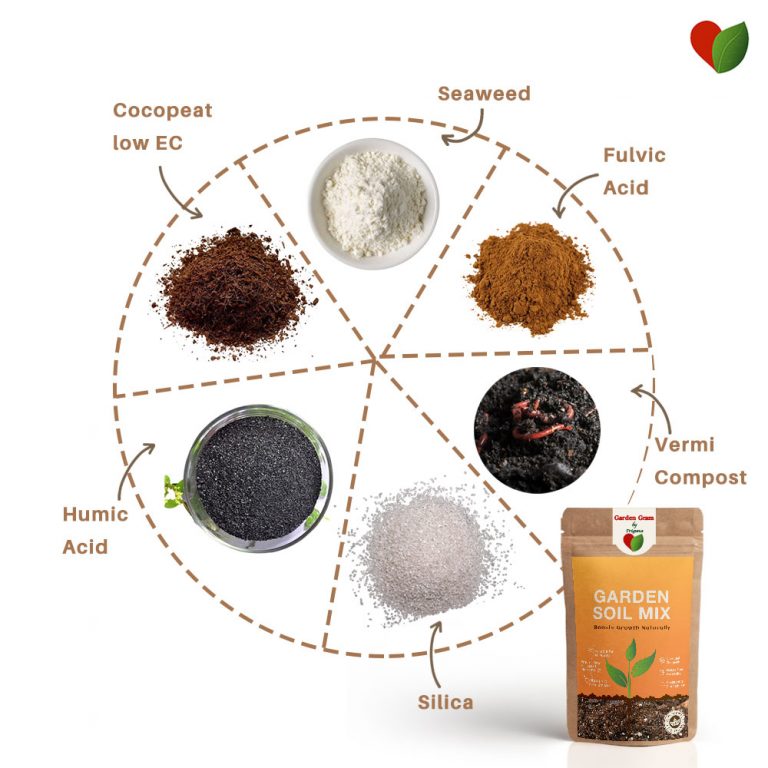
A garden soil mix is a crafted blend of materials made to support plant growth. It combines air, water, nutrients, and structure so roots can breathe and take up food. A good garden soil mix is not just dirt; it is a living medium that feeds and anchors plants.
Why the right garden soil mix matters
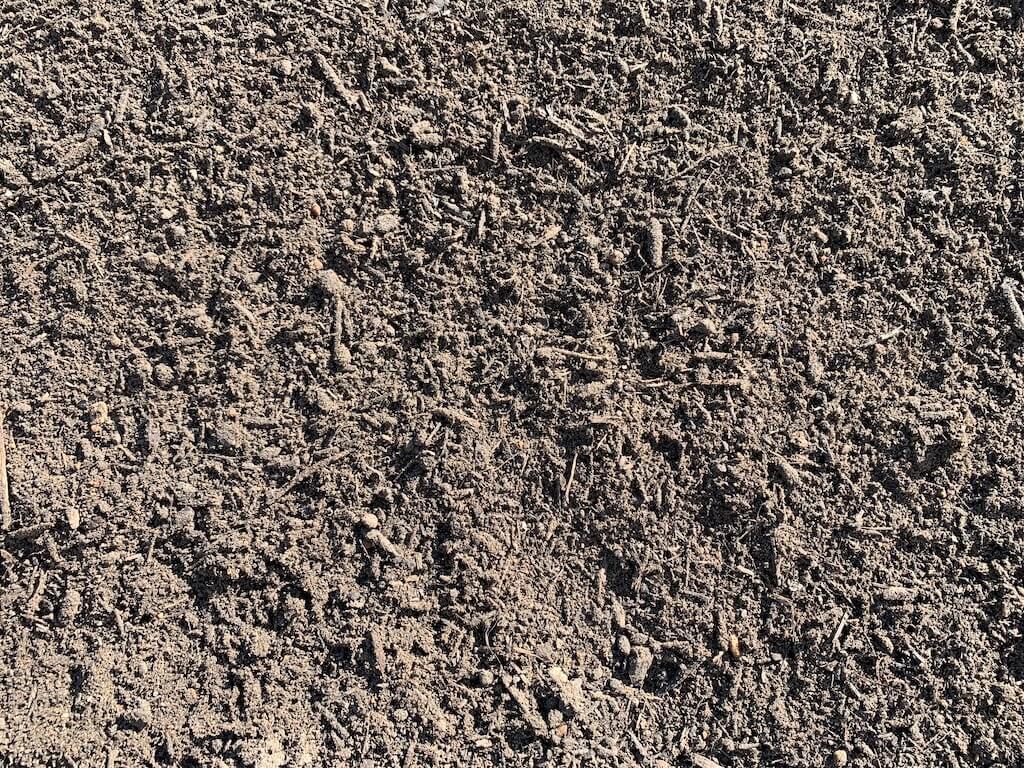
Plants respond fast to the soil around them. The right garden soil mix improves germination, root growth, water use, and disease resistance. Using the right mix saves water, reduces fertilizer use, and yields healthier plants with less work.

Core components of a garden soil mix
- Organic matter: Compost and well-rotted material supply nutrients and microbes.
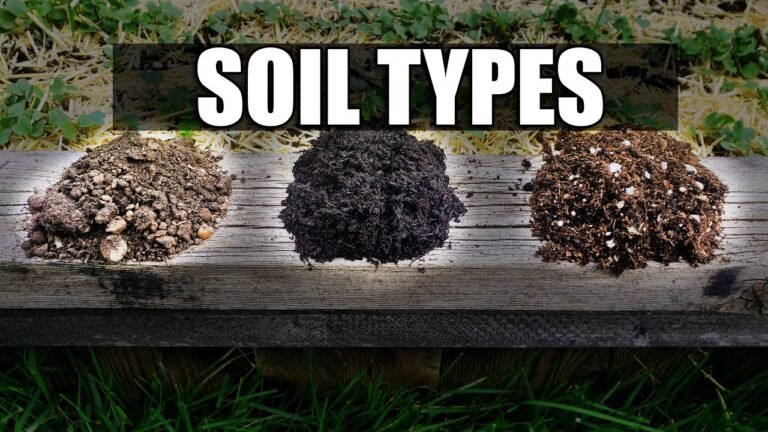
- Mineral base: Garden soil, topsoil, or screened loam gives body and minerals.
- Aeration material: Perlite, pumice, or coarse sand keeps the mix from compacting.
- Water-holding material: Coconut coir, peat moss, or compost holds moisture safely.
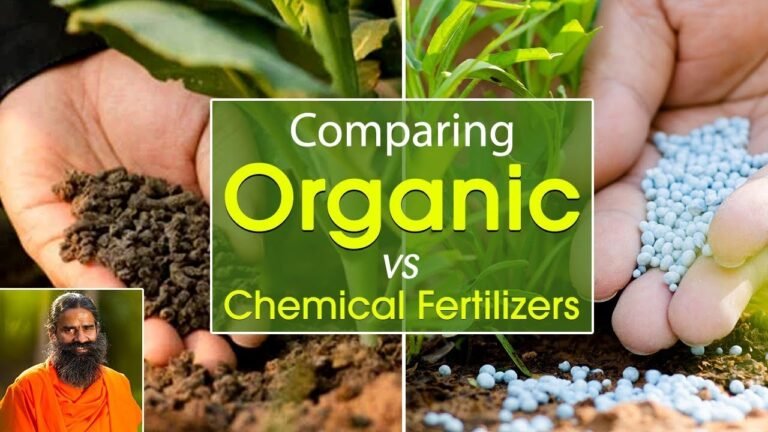
- Nutrient sources: Slow-release fertilizer or worm castings feed plants over weeks.
- pH modifiers: Lime or sulfur to adjust acidity for plant needs.
A balanced garden soil mix uses these parts to keep roots healthy and soil alive.

Simple garden soil mix recipes and ratios
Here are easy formulas for common needs. Adjust by plant type and climate.
-
All-purpose garden soil mix
1 part compost
1 part screened topsoil
1 part coarse sand or perlite -
Container mix (light and fast-draining)
2 parts coconut coir or peat
1 part compost
1 part perlite -
Seed starting mix (fine and sterile)
2 parts peat or coir
1 part fine vermiculite
1 part compost (small amount) -
Raised bed mix (rich and fertile)
1 part compost
1 part topsoil
1 part aged manure or leaf mold -
Succulent and cactus mix
2 parts coarse sand or pumice
1 part potting soil
1 part perlite
These recipes are flexible. Test small batches and adjust as you learn your plants’ needs.
How to make a garden soil mix at home
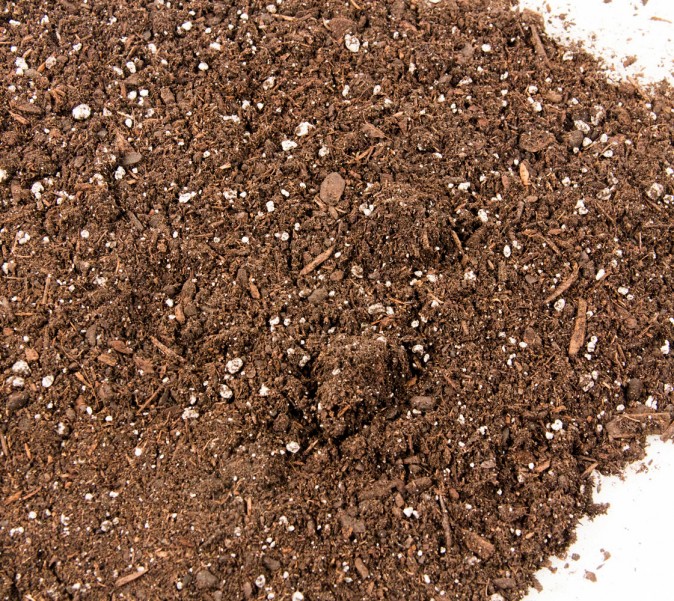
Follow simple steps to blend a reliable garden soil mix.
- Gather materials: compost, screened topsoil, perlite/coarse sand, coir or peat.
- Measure by volume: use buckets or wheelbarrow scoops for consistent ratios.
- Mix thoroughly: turn the pile or mix in a tub until uniform.
- Moisten lightly: dampen the mix so it holds together but is not soggy.
- Let it sit: a few weeks lets microbes stabilize and weeds break down.
- Test in a pot: plant a few seeds or a starter to check drainage and nutrient levels.
- Amend as needed: add more compost for nutrition or perlite for drainage.
Making your own garden soil mix saves money and lets you control quality.

Testing and adjusting your garden soil mix
Test texture and drainage first. A squeeze test shows water retention: it should clump but crumble easily. Use a simple pH meter or test strip to check acidity and adjust with lime or sulfur if needed.
For nutrients, observe plants for deficiency signs. Yellow leaves often mean low nitrogen. Add balanced organic feed or compost tea and retest after a month. Small, regular tweaks beat big, sudden changes.

Common problems and quick fixes for garden soil mix
- Compaction: Add perlite, coarse sand, or organic matter to open the mix.
- Poor drainage: Mix in more coarse material and reduce fine silt or clay.
- Low fertility: Top-dress with compost or add slow-release granular fertilizer.
- Salt buildup: Flush containers with water and repot if salts persist.
- Pest or disease carryover: Sterilize seed mixes or replace contaminated soil.
Spot testing and small fixes prevent repeat issues.
Practical tips from experience
I once used heavy clay topsoil for containers and saw root rot in weeks. Lesson learned: never skip aeration in pots. I now add perlite to every container mix. Also, save small failed batches for mulch or garden paths rather than discarding them.
A tip that helps most gardeners: prepare mixes in small batches and label them. This avoids wasting material and helps repeat success.

Quick PAA-style questions
Q: How often should I replace garden soil mix in containers?
A: Replace every 1–3 years depending on plant size and nutrient decline.
Q: Can I use garden soil mix for seed starting?
A: Use a finer, sterile seed mix for starting; garden soil mix can be too heavy.
Q: Is compost enough as a garden soil mix?
A: Compost is great but needs structure and minerals; blend with topsoil and aeration material.
Frequently Asked Questions of garden soil mix
What is the best garden soil mix for vegetables?
A balanced mix of compost, topsoil, and coarse sand or perlite works well. Aim for loose structure and steady nutrients for root vegetables and greens.
Can I use store-bought potting soil as a garden soil mix?
Store mixes are fine for containers but may lack minerals for garden beds. Amend them with compost and small amounts of garden soil for beds.
How do I adjust my garden soil mix for acid-loving plants?
Test pH and add elemental sulfur to lower pH or add peat to increase acidity. Adjust slowly and retest after several weeks.
How much compost should I add to a garden soil mix?
Aim for 20–40% compost by volume in most mixes. Too much compost can lead to nutrient flushes or poor drainage in some plants.
Will garden soil mix reduce watering needs?
A well-made mix can hold water better and reduce irrigation frequency. Use water-holding materials like coir and compost but keep good drainage.
Can I reuse garden soil mix from old pots?
You can reuse it after refreshing with compost and checking for pests or disease. For seedlings, use a fresh sterile mix to avoid pathogens.
How do I fix heavy clay in my garden soil mix?
Add coarse sand, perlite, and lots of organic matter to break up clay. Work the amendments in deeply and allow time for structure to improve.
Conclusion
A thoughtful garden soil mix is the foundation of healthy plants. Blend organic matter, minerals, and aeration to suit your plant types, test and adjust often, and learn from small trials. Try one of the recipes here, tweak it for your space, and share results or questions below to keep improving your garden soil mix.