Stop root rot by improving drainage, trimming diseased roots, repotting, and adjusting watering.
I have worked with houseplants and small-scale vegetable beds for years. I know how to stop root rot in both potted plants and garden beds. This guide explains clear steps you can use now. You will learn causes, signs, prevention, and step-by-step recovery methods. I’ll share real examples, common mistakes, and a simple care plan to help plants heal and thrive.
What is root rot?
Root rot is a disease that kills plant roots. It happens when roots sit in water and oxygen is low. Fungi and bacteria often cause root rot. Plants with rotten roots cannot take up water or nutrients. That leads to wilting, yellow leaves, and slow growth.

Common causes of root rot
Roots need air and moisture in balance. When that balance breaks, rot can start. Common causes include:
- Overwatering potted plants and garden soil that drains poorly.
- Pots without drainage holes or saucers that trap water.
- Heavy soils with too much clay or compacted mix.
- Poorly draining garden spots, low areas, or beds over hardpan.
- Contaminated soil, tools, or infected transplants.
- Cold soil that slows root activity and increases pathogen growth.
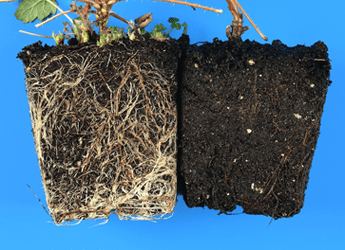
Early signs to watch for
Catching root rot early makes rescue easier. Look for these signs:
- Leaves turn yellow or brown while soil stays wet.
- Wilting even when you water the plant.
- Stunted growth or few new leaves.
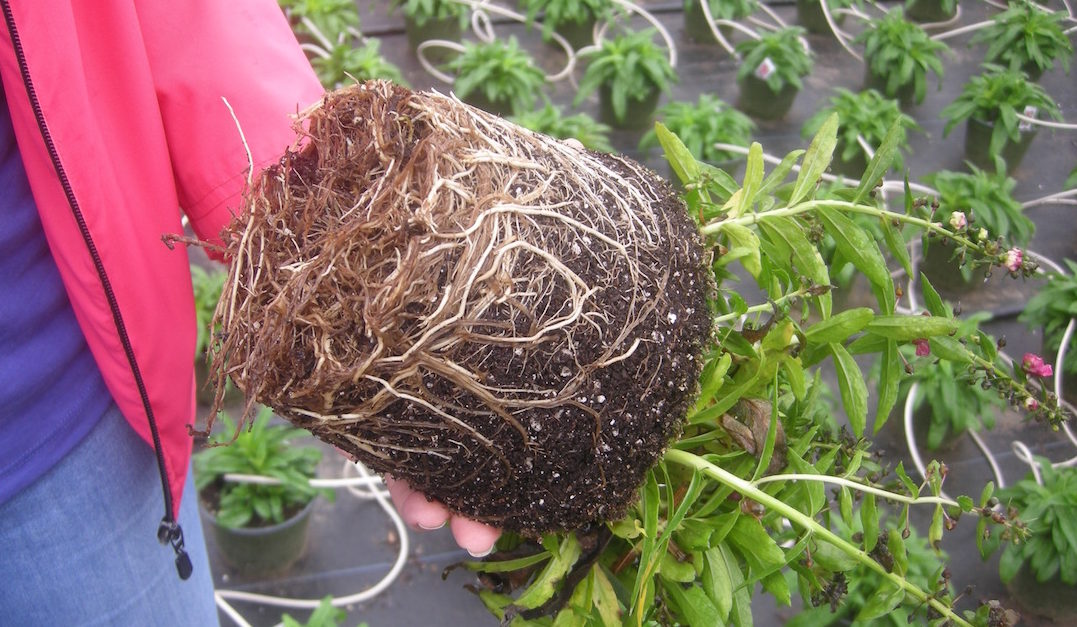
- Soft, dark, or slimy roots when you inspect them.
- Foul, musty smell from the potting mix.

How to stop root rot: prevention strategies
Preventing root rot is easier than curing it. Use these steps to stop root rot before it starts:
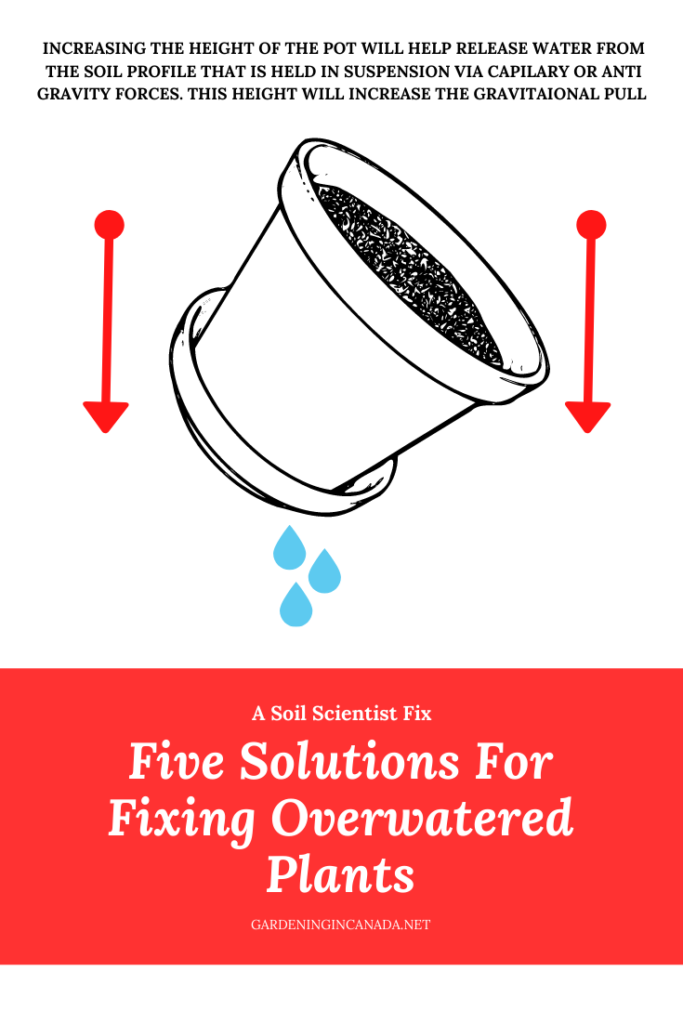
- Choose the right pot with drainage holes.
- Use a fast-draining potting mix for houseplants.
- Add grit or perlite to heavy mixes to improve airflow.
- Water only when the top inch of soil is dry for most plants.
- Lift pots after watering to check weight and avoid standing water.
- Avoid leaving saucers full of water beneath pots.
- Improve garden drainage with raised beds, organic matter, or sand mixes.
- Sterilize tools and reuse only clean pots and soil when possible.
- Quarantine new plants for a week and keep them dry to watch for issues.

How to stop root rot: treatment and recovery steps
If you find root rot, act fast. Here is a step-by-step rescue plan I use with good results.
- Remove the plant from the pot
- Gently take the plant out. Do this over a clean tray to catch soil.
- Shake and rinse old soil
- Remove as much old soil as you can. Rinse roots with lukewarm water.
- Inspect and trim diseased roots
- Healthy roots are white and firm. Cut away brown, black, or mushy roots.
- Use clean, sharp scissors and sterilize between cuts.
- Treat the remaining roots
- Dust cut areas with a mild fungicide or cinnamon as a natural option. Cinnamon can help reduce surface pathogens.
- Repot in fresh soil and a clean pot
- Use fresh, well-draining mix. Choose a pot slightly larger than the root mass.
- Adjust watering and placement
- Water lightly after repotting. Keep the plant in bright, indirect light to reduce stress.
- Monitor recovery
- Check soil moisture and roots after 2–4 weeks. New roots often form within a month.
I once saved an overwatered ficus by following these steps. I trimmed 30% of the roots and repotted into a mix with perlite. The tree recovered and grew new fine roots in three weeks.

Choosing soil, pots, and watering tools
Right materials make stopping root rot easier. Use these choices to help plants stay healthy.
- Potting mix
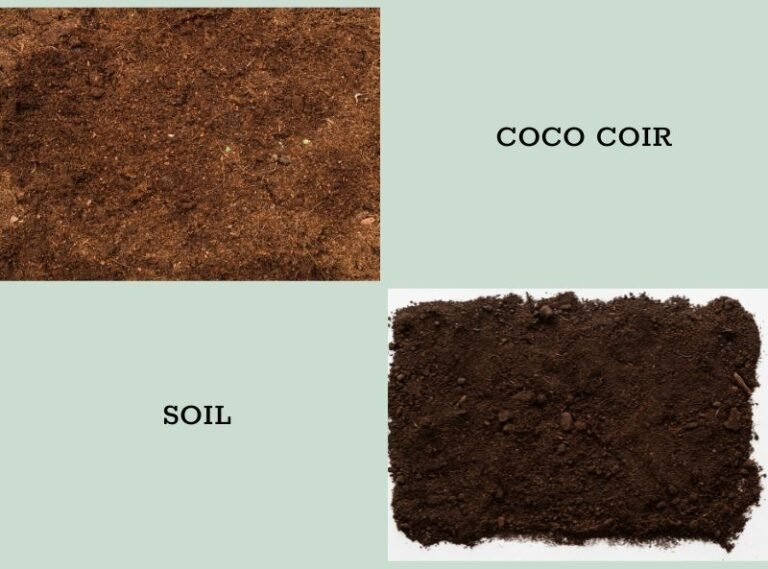
- Use mixes labeled “well-draining.” Look for ingredients like peat, bark, perlite, or coco coir.
- Pots
- Clay pots let moisture escape. Plastic pots hold moisture longer. Match pot to plant needs.
- Drainage
- Always use pots with holes. Add a layer of coarse material at the base if needed, but avoid blocking holes.
- Tools
- Use a moisture meter for precise checks. A simple finger test also works.
- Mulch and top layer
- Use a thin layer of gravel or bark for plants that prefer drier crowns. Avoid dense mulch that traps water at the stem.

Organic and chemical treatment options
Both natural and chemical methods can help stop root rot. Choose what fits your plant and comfort level.
- Organic options
- Hydrogen peroxide diluted (1 part 3% H2O2 to 3 parts water) can oxygenate roots briefly.
- Beneficial microbes or mycorrhizae can support root health and outcompete pathogens.
- Cinnamon or chamomile tea are gentle anti-fungal surface treatments.
- Chemical options
- Broad-spectrum fungicides can protect roots after trimming infected tissue.
- Use labeled products and follow directions for dose and safety.
- Notes on safety
- Test any treatment on one plant first. Always follow product instructions.
- Overuse of chemicals can harm beneficial microbes and plant roots.

Tips from experience and common mistakes to avoid
I’ve killed a few plants by trying to fix root rot badly. Learn from my errors.
- Mistake: Overwatering to “help” a wilting plant.
- Tip: Check roots. Most wilts from root rot need less water, not more.
- Mistake: Using the same contaminated soil and pot.
- Tip: Clean pots and use fresh mix after a severe infection.
- Mistake: Trimming too little or too much.
- Tip: Remove all soft, dark tissue. But keep most healthy roots to avoid shock.
- Simple wins I use often
- Let the top soil dry to the right depth before watering.
- Keep a watering journal for new plants.
- Quarantine new plants to stop spread of pathogens.

Monitoring, long-term care, and prevention calendar
A simple routine helps stop root rot from returning. Try this schedule:
- Weekly
- Check the top inch of soil for dryness.
- Inspect leaves for stress or discoloration.
- Monthly
- Lift and feel pots to learn each plant’s normal weight after watering.
- Clean saucers and check drainage holes.
- Every 6–12 months
- Refresh potting mix for fast growers.
- Repot plants that become rootbound into fresh mix and a slightly larger pot.
- Seasonal
- Reduce watering in winter when growth slows.
- Move tropical plants indoors before cold snaps to avoid slow roots and rot.
Frequently Asked Questions of how to stop root rot
How quickly do I need to act to stop root rot?
You should act as soon as you suspect root rot. The faster you remove wet soil and trim bad roots, the better the chance of recovery.
Can I save a plant with severe root rot?
Yes, sometimes. If most roots are still firm after trimming, repot and treat. If roots are almost all mushy, recovery is unlikely.
Is repotting always necessary to stop root rot?
Repotting is often the best fix. It removes infected soil and lets you give fresh, well-draining mix and a clean pot.
Will hydrogen peroxide kill root rot?
A mild hydrogen peroxide solution can help oxygenate roots and reduce some pathogens. Use it cautiously and not as a long-term fix.
How long before I see signs of recovery after treatment?
You may see new growth or firmer leaves in 2–6 weeks. Root recovery can take a month or more depending on plant type and care.
Can I use the same potting soil after treating root rot?
Avoid reusing very contaminated soil. Sterilize small batches if needed, but fresh mix is safer and easier.
Conclusion
Stopping root rot is about quick action and better habits. Check plants often, fix drainage, trim bad roots, and repot when needed. Use gentle treatments and keep a simple care calendar. Try the steps in this guide and watch your plants recover. If this helped, try these methods on one plant and share your results or questions below — I’d love to hear how your rescue goes.