A garden cart is better for heavy, bulky loads; a wheelbarrow is better for tight spaces and quick dumping.
If you have ever hauled soil, mulch, tools, or rocks around a yard, you already know this choice matters more than it first seems. The garden cart vs wheelbarrow debate comes down to comfort, control, terrain, and the kind of work you do most often. I have used both for years, and the right one can save your back, cut your time in half, and make yard work feel much less like a chore.
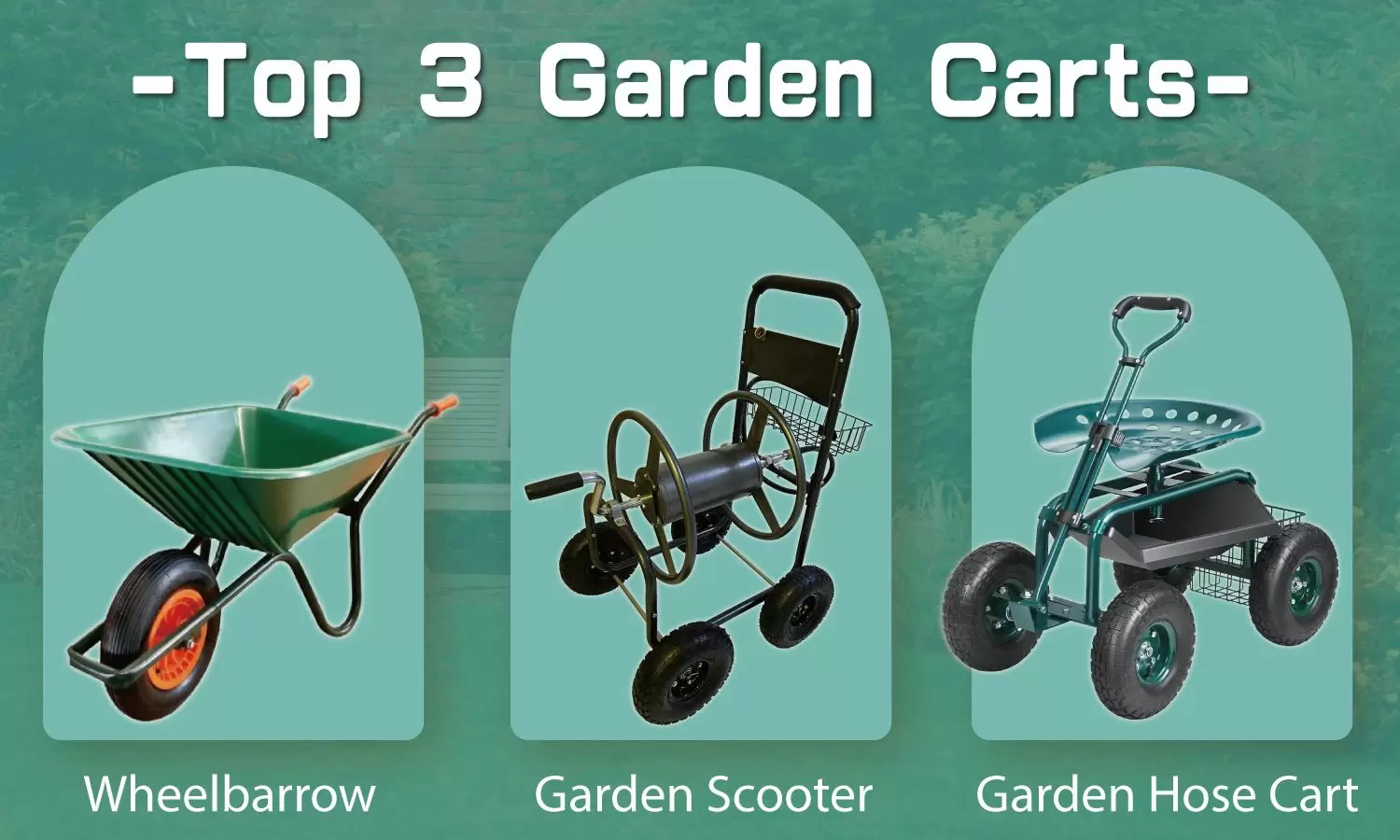
Garden Cart vs Wheelbarrow: What They Are and Why the Difference Matters
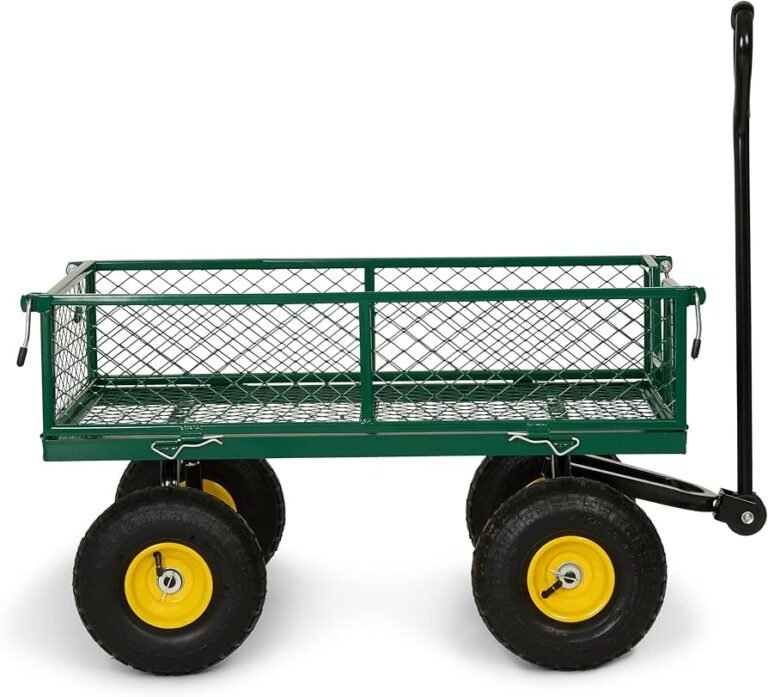
A garden cart and a wheelbarrow may look like cousins, but they solve different problems. A garden cart usually has four wheels, a flat or shallow bed, and a stable base. A wheelbarrow usually has one wheel in front, a deeper basin, and a shape made for lifting and tipping.
That difference changes everything. The garden cart vs wheelbarrow choice affects balance, maneuvering, and how much strain you feel after a long day. In my own work, I learned fast that the “best” tool is not the one with the most power. It is the one that matches the job and the ground under your feet.
A garden cart is often the better pick for:
• Heavy loads like bags of soil, bricks, pots, or firewood
• Long hauls across flat yards or driveways
• Users who want less lifting and better balance
A wheelbarrow is often the better pick for:
• Loose material like mulch, compost, and gravel
• Narrow paths, tight beds, and tricky corners
• Quick dumping and short moves
The garden cart vs wheelbarrow decision also depends on your strength and space. If your garden has steep slopes or uneven ground, one tool may feel safer than the other. If you mostly move light loads in cramped areas, the wrong choice can become annoying very fast.
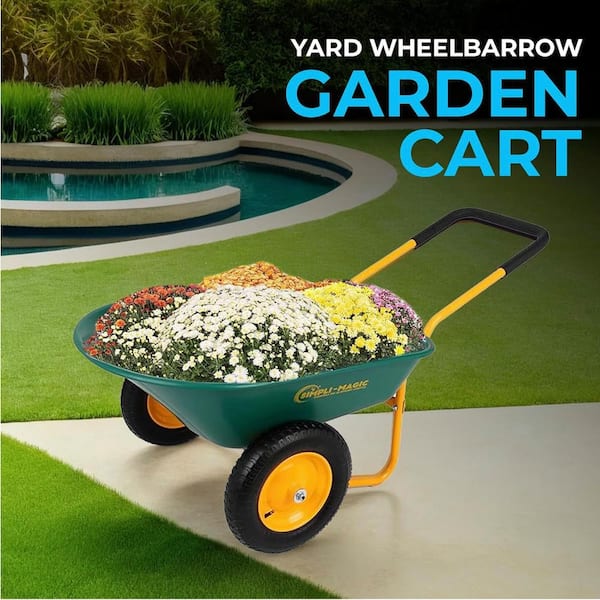
Garden Cart vs Wheelbarrow: Key Design Differences
The biggest design difference is support. A garden cart sits on four wheels, so the load stays more level and stable. A wheelbarrow balances on one wheel, which gives you more turning control but also more need for balance from your hands and arms.
Here is the simple breakdown of the garden cart vs wheelbarrow design:
• Garden cart
• Four wheels for stability
• Often a lower center of gravity
• Easier for pushing heavy items on flat ground
• Usually better for stacked or boxed loads
• Wheelbarrow
• One front wheel for tighter steering
• Deeper tub for loose material
• Better for dumping into piles, beds, or bins
• Often easier to tilt and empty
From a practical point of view, the garden cart vs wheelbarrow difference is like carrying groceries in a rolling wagon versus balancing them in a bucket with a handle. One feels steady. The other feels nimble. Both are useful, but only in the right setting.
When a Garden Cart Is the Better Choice
A garden cart shines when you want stability and low effort. I remember using a four-wheel cart for bags of mulch on a flat side yard, and it felt like cheating in the best way. The load stayed put, the tires rolled smoothly, and my arms did far less work than they would have with a wheelbarrow.
Choose a garden cart if you often move:
• Heavy bags of compost, soil, sand, or gravel
• Large planters or nursery pots
• Mulch, tools, and supplies over flat surfaces
• Firewood, paving stones, or yard debris in bulk
A garden cart vs wheelbarrow comparison usually favors the cart when the load is awkward or heavy. It is also helpful for people who want less upper-body strain. The downside is that carts can be harder to use in tight spaces, narrow gates, or messy ground.
Best benefits of a garden cart:
• More stable with heavy loads
• Easier on the back and shoulders
• Good for longer distances on even terrain
• Less likely to tip
Main limitations:
• Harder to turn in small spaces
• Less useful on slopes or rough ground
• Can be bulkier to store
When a Wheelbarrow Is the Better Choice
A wheelbarrow is the classic garden tool for a reason. It is excellent for dumping, pivoting, and moving loose materials where a cart would feel clumsy. I have used wheelbarrows in tight vegetable beds where a cart simply would not fit, and that front wheel made all the difference.
Choose a wheelbarrow if you often move:
• Mulch, compost, leaves, and dirt
• Loose or shifting material
• Debris that needs to be dumped fast
• Supplies through narrow gates or between beds
In the garden cart vs wheelbarrow debate, the wheelbarrow wins on agility. It is easier to lift the front end, turn around a corner, and tip the load exactly where you want it. But it does ask more of your body, especially when loaded heavy or when the ground is uneven.
Best benefits of a wheelbarrow:
• Great for dumping and spreading material
• Easy to steer in small areas
• Works well in narrow garden paths
• Good for loose, messy loads
Main limitations:
• Less stable than a cart
• Can be tiring when loaded heavily
• Can tip if the weight is uneven
Which Is Easier to Use?
For most people, a garden cart feels easier on flat ground because it carries the weight for you. You mainly push and steer. A wheelbarrow can feel lighter when empty, but once it is full, the single wheel and raised handles demand more balance.
This is where the garden cart vs wheelbarrow choice gets personal. If you have back pain, shoulder pain, or limited grip strength, a cart may be the safer and more comfortable option. If you are moving through tight beds or making lots of dumps, the wheelbarrow may save more time overall.
A few practical lessons from real use:
• A cart is easier for long hauls
• A wheelbarrow is easier for small dumps
• A loaded wheelbarrow on wet grass can be tricky
• A cart on soft mud may sink if the wheels are narrow
Terrain, Weight, and Space: The Three Big Decision Makers
The smartest way to choose in the garden cart vs wheelbarrow debate is to think about terrain, weight, and space. Those three factors usually tell the whole story. I wish more people did this before buying, because the wrong tool can feel fine in the store and awful in the yard.
Terrain matters because:
• Flat pavement favors a garden cart
• Uneven soil may favor a wheelbarrow
• Slopes can make both harder, but balance becomes more important with a wheelbarrow
Weight matters because:
• Heavy, stacked loads ride better in a cart
• Loose, shifting loads often dump better from a wheelbarrow
• Very heavy single loads may be safer with a cart on level ground
Space matters because:
• Narrow gates and tight beds favor a wheelbarrow
• Open lawns and wider paths favor a cart
• Storage space may also decide the winner
If you want a simple rule, use this:
• Pick a garden cart for stable transport
• Pick a wheelbarrow for flexible dumping
Materials, Wheels, and Build Quality
Not all garden carts and wheelbarrows are built the same. The frame, tub, wheel type, and handles can change the whole experience. A cheap tool may work for a season, but a sturdy one can save frustration for years.
Look for these features:
• Frame material
• Steel is strong and durable
• Poly or plastic tubs resist rust and are lighter
• Wood looks nice but may need more care
• Wheels
• Pneumatic tires absorb shock and roll better on rough ground
• Flat-free tires reduce puncture worries
• Wider wheels handle soft soil better
• Handle design
• Comfort grips reduce hand fatigue
• Longer handles improve leverage
• Strong welds and bracing improve safety
In my experience, wheel quality matters more than people expect. A decent wheelbarrow with a bad wheel becomes annoying fast. The same goes for a garden cart with thin tires that sink into soft ground.
Comfort and Safety: Which Is Better for Your Body?
If you care about comfort, the garden cart vs wheelbarrow choice can make a real difference. A cart usually reduces lifting and balancing, which can help your back, wrists, and shoulders. A wheelbarrow, on the other hand, keeps loads closer to the body and can be very efficient, but it asks more from your core and arms.
Safety tips:
• Do not overload either tool
• Keep the load low and balanced
• Push slowly on slopes
• Use both hands and keep a firm grip
• Wear sturdy shoes with good traction
I have seen more than one wheelbarrow spill because someone rushed a turn or packed it too high. It happens to experienced people too. The fix is simple: load smart, move slow, and respect the tool.
Cost and Value: Which Gives More for the Money?
Price is part of the garden cart vs wheelbarrow decision, but value matters more than sticker price. A basic wheelbarrow is often cheaper. A heavy-duty garden cart can cost more, but it may last longer and reduce strain enough to be worth every dollar.
Ask yourself:
• How often will I use it?
• What kind of loads do I move most?
• Is comfort more important than speed?
• Do I need a tool for rough terrain or open ground?
If you garden only a few times a month, a budget wheelbarrow may be enough. If you do frequent hauling, a better-built cart can pay off in time and energy saved. That is one reason the garden cart vs wheelbarrow choice should be based on use, not just cost.
Best Use Cases for Homeowners, Gardeners, and DIYers
Different users need different tools. The garden cart vs wheelbarrow debate looks different for a homeowner than it does for a serious gardener or a weekend DIYer. Matching the tool to the job makes the work smoother and safer.
For homeowners:
• A garden cart is great for trash, mulch, and light hauling
• A wheelbarrow is useful for yard cleanup and small landscaping jobs
For gardeners:
• A wheelbarrow is ideal for compost, soil, and bed work
• A cart helps move heavy supplies and nursery pots
For DIYers:
• A garden cart helps carry bricks, tools, and project materials
• A wheelbarrow helps with gravel, sand, and demolition debris
I have found that mixed-use yards often need both. If you only buy one, think about the most annoying task you do now. Buy the tool that makes that job easier.
Garden Cart vs Wheelbarrow: Which One Should You Buy?
If your yard is open and your loads are heavy, buy a garden cart. If your yard is tight and your materials are loose, buy a wheelbarrow. That is the simplest answer, and most of the time it is the right one.
Choose a garden cart if you want:
• More stability
• Less strain
• Better support for heavy items
• Easier rolling on flat ground
Choose a wheelbarrow if you want:
• Better dumping control
• More maneuverability
• A better fit for narrow spaces
• A classic tool for loose materials
The garden cart vs wheelbarrow choice is not about which one is universally better. It is about which one fits your ground, your body, and your daily work. That is the real secret.
Frequently Asked Questions
Is a garden cart better than a wheelbarrow for heavy loads?
Yes, a garden cart is usually better for heavy loads on flat ground because it has four wheels and stays more stable. It also puts less strain on your back and arms.
Is a wheelbarrow better for mulch and compost?
Yes, a wheelbarrow is often better for mulch and compost because the deep tub holds loose material well and makes dumping easy. It works especially well when you need to spread material in garden beds.
Which is easier to maneuver in tight spaces?
A wheelbarrow is easier to maneuver in tight spaces because it has one front wheel and can turn more sharply. A garden cart is more stable, but it needs more room to move.
Can a garden cart replace a wheelbarrow?
Sometimes, yes, but not always. A garden cart can handle many hauling jobs, but a wheelbarrow is still better for dumping loose materials and working in narrow areas.
Which is better for older adults or people with back pain?
A garden cart is often the better choice because it reduces lifting and balancing. It can make hauling feel much easier and may lower the risk of strain.
Conclusion
The garden cart vs wheelbarrow choice becomes much easier once you focus on the job, the ground, and your comfort. A garden cart is the steady, low-strain option for heavy loads and open spaces. A wheelbarrow is the agile, dump-friendly option for loose materials and tight paths.
If you want the best results, think about what you move most often, not just what looks useful in the store. Pick the tool that saves your energy and fits your space, and yard work will feel a lot more manageable. If this guide helped, explore more yard tool tips, compare features before you buy, and share your own garden cart vs wheelbarrow experience in the comments.