Create a wildlife garden by planting native species, adding water, shelter, and avoiding pesticides.
A wildlife garden is more than a pretty yard. It is a living space that feeds birds, bees, butterflies, frogs, and helpful insects all year long. I have found that the best wildlife gardens feel a little wild on purpose, but still stay easy to enjoy and simple to care for. If you want to turn your outdoor space into a safe and rich habitat, this guide on how to create a wildlife garden will walk you through every step with practical advice that actually works.
.71710867786471529.jpg)
What a Wildlife Garden Really Is
A wildlife garden is a space designed to support local animals and insects. It gives them food, water, shelter, and places to breed. Instead of chasing a perfect, tidy look, you work with nature and let the garden become a small ecosystem.
The goal is not to attract every creature on earth. The goal is to support the species that naturally live in your area. That is why how to create a wildlife garden starts with learning what belongs in your region, not copying a design from somewhere else.
A good wildlife garden usually includes:
- Native plants that feed pollinators and birds
- Dense shrubs or tall grasses for cover
- Water sources for drinking and bathing
- Nesting spots and safe hiding places
- Very little or no pesticide use
In my own experience, the gardens that do the best are not the fanciest ones. They are the ones with layers, variety, and a little patience. Nature likes options, just like people do.
Why Creating a Wildlife Garden Matters
Wildlife-friendly yards are not only good for animals. They also help the home garden itself. Bees pollinate flowers and crops. Ladybugs and birds help control pests. Healthy soil and plant diversity often mean fewer problems over time.
There is also a bigger picture. Habitat loss is one of the main reasons many insects and birds are struggling. Even a small garden can become a useful stopping point for wildlife in a neighborhood. Research from conservation groups and land managers has shown that native planting and reduced chemical use can make a real difference at the local level.
A wildlife garden can also improve your own daily life. People often notice more birdsong, more movement, and more seasonal change. It turns the yard into a place to observe, not just a place to mow.
How to Create a Wildlife Garden Step by Step
1. Start with your space and local conditions
Before buying plants, look closely at your yard. Notice how much sun each area gets, where water collects, and where wind blows hardest. This helps you match plants and features to the site instead of forcing the site to fit the plan.
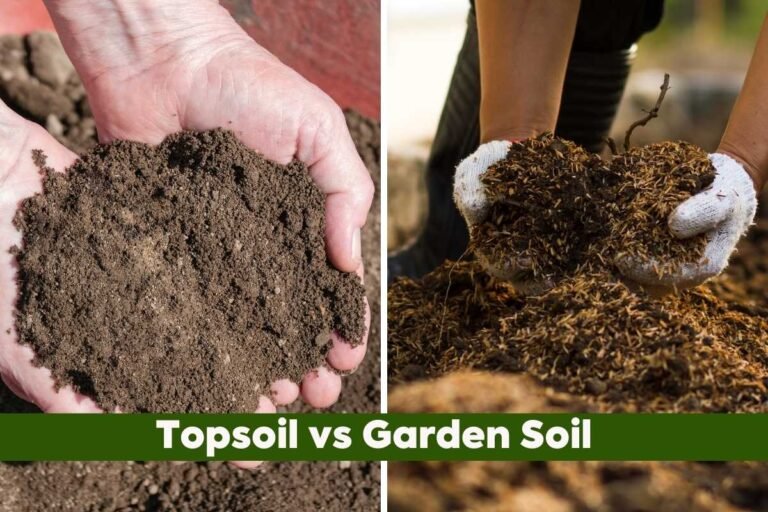
Think about your soil too. Sandy soil, clay soil, and loam all behave differently. If you know your soil type, you can choose plants that grow well with less watering and less stress.
When I first started working on wildlife-friendly spaces, I made the mistake of planting based on looks alone. The plants survived, but they did not thrive. Once I matched the garden to the site, everything became easier.
2. Choose native plants first
Native plants are the backbone of how to create a wildlife garden. They evolved with local insects, birds, and weather patterns. That makes them better food sources and often easier to maintain.
Try to include a mix of:
- Flowering perennials for nectar
- Grasses for seed and shelter
- Shrubs for nesting and berries
- Trees for canopy cover and insects
A few examples in many U.S. regions include coneflower, milkweed, goldenrod, asters, serviceberry, and native grasses. The exact list depends on your climate zone and region. Local extension offices and native plant nurseries can help you choose wisely.
A simple rule I use is this: if a plant feeds only the eye, it is decoration. If it feeds wildlife too, it earns its place.
3. Layer the garden
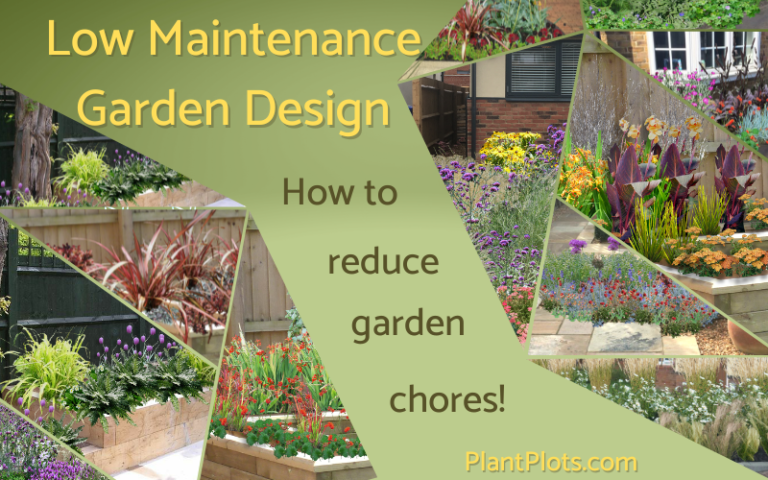
Wildlife needs different heights and spaces. A flat lawn offers very little shelter. A layered garden feels like a small forest edge, even in a suburban yard.
Try building layers like this:
- Canopy layer: small trees or larger trees
- Shrub layer: berry-producing bushes or dense hedges
- Herb layer: flowering perennials and grasses
- Ground layer: low plants, leaf litter, mulch, or moss
This structure gives birds perches, insects habitat, and small animals protection. It also makes the space look fuller and more natural.
4. Add water
Water is one of the fastest ways to attract wildlife. Birds need it for drinking and bathing. Bees and butterflies also benefit from shallow water sources, especially in hot weather.
You do not need a pond to make this work. Good options include:
- A birdbath with shallow edges
- A small pond with sloped sides
- A dish filled with pebbles and water
- A dripping feature or small fountain
Keep water clean and shallow. If you add a pond, make sure there is an easy way for small animals to get in and out. In hot summers, I have seen even a simple shallow dish bring in more birds than a flashy feeder ever did.
5. Provide shelter and nesting spots
Wildlife needs places to hide from predators and bad weather. Shelter can be as simple as a shrub, a brush pile, or a patch of tall grass left standing through winter. Dead wood can also become home to insects, fungi, and cavity nesters.
Useful shelter features include:
- Dense native shrubs
- Hollow logs or fallen branches
- Brush piles in a quiet corner
- Tall grass left uncut until spring
- Nest boxes for specific birds, if placed correctly
One thing I learned the hard way is that too much cleanup can hurt wildlife. A “messy” corner is often a safe corner. What looks untidy to us can feel like home to a chickadee or beetle.
6. Plant for every season
A strong wildlife garden offers food through spring, summer, fall, and winter. Many people plant only spring flowers, then wonder why the garden feels quiet later. A better approach is to plan for seasonal gaps.
You can build seasonal support like this:
- Spring: early bloomers for bees and emerging insects
- Summer: nectar plants and thick cover
- Fall: seed heads, berries, and late flowers
- Winter: standing stems, evergreen cover, and sheltered spots
Leave some seed heads on plants like coneflowers and black-eyed Susans. Birds often feed on them later in the year. This simple habit also adds texture and interest to the garden.
7. Avoid pesticides and harsh chemicals
If you want a real wildlife garden, chemical control should be minimal or, better yet, avoided. Pesticides can harm pollinators, birds, and beneficial insects. Even products labeled as “natural” can cause problems if used carelessly.
Try these safer habits instead:
- Remove pests by hand when possible
- Encourage beneficial insects
- Use physical barriers like netting or row covers
- Accept some plant damage as part of a healthy ecosystem
This is one of the biggest mindset shifts in how to create a wildlife garden. You stop aiming for zero insects and start aiming for balance. A few chewed leaves often mean your garden is doing its job.
8. Use a smaller lawn or no lawn where possible
Lawns are not useless, but too much lawn limits habitat. If you replace part of it with native beds, shrubs, or a meadow-style planting, wildlife benefits right away. You also reduce mowing, watering, and fertilizer use.
You can start small:
- Turn one edge of the lawn into a native border
- Replace a front patch with pollinator plants
- Convert a back corner into a brushy habitat zone
- Let some clover or low groundcover fill open spaces
Even a modest change can help. I once helped a homeowner replace a narrow strip of grass with native flowers, and within weeks we saw more bees and a steady stream of small birds. Small wins matter.
9. Include host plants for caterpillars
If you want butterflies, you need caterpillars first. That means host plants are essential. Adult butterflies need nectar, but their young need specific leaves to eat.
Examples include:
- Milkweed for monarchs
- Parsley family plants for swallowtails
- Native grasses and trees for many moths and butterflies
- Oaks for an enormous number of caterpillar species
This part surprises many people. A wildlife garden is not just about feeding pretty visitors. It is also about supporting the less visible stages of life that keep the food chain moving.
10. Think about food in natural ways
Bird feeders can help, but they should not be the only food source. A healthy wildlife garden offers berries, seeds, nectar, pollen, and insects. The more natural food sources you include, the more stable the habitat becomes.
Good food plants include:
- Berry shrubs like serviceberry, elderberry, or chokeberry
- Seed producers like coneflower and sunflower
- Nectar plants like bee balm, salvia, and asters
- Trees that host insects, which feed birds
Feeding wildlife this way is more dependable than hanging one feeder and hoping for the best. It makes the garden feel alive in a deeper way.
Best Features to Add for More Wildlife
If you want to go beyond the basics, add features that create more habitat variety. This can make a small yard feel much bigger to wildlife.
Try these ideas:
- A native meadow patch instead of clipped turf
- A log pile for beetles, fungi, and insects
- A shallow pond for frogs and dragonflies
- A hedgerow for nesting birds
- A bee hotel, if it is cleaned and placed well
- A rock pile for basking lizards or sheltering insects
Not every feature is needed in every yard. The best wildlife garden is the one that fits your space, your climate, and your energy level. Start with what you can care for well.
Common Mistakes to Avoid
Even well-meaning gardeners make avoidable mistakes. I have made several myself, so this section comes from experience as much as research.
Watch out for:
- Using too many nonnative ornamentals
- Cutting back everything in fall
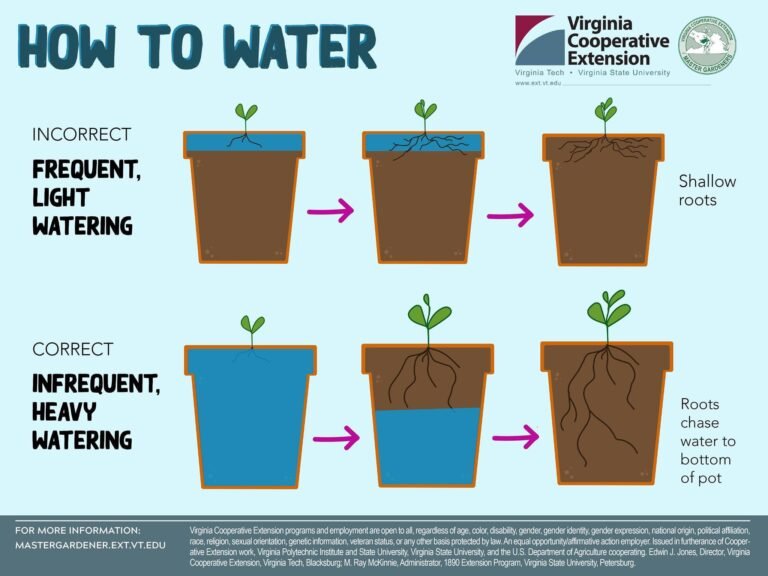
- Overwatering plants after they are established
- Adding water features that are too deep or hard to maintain
- Choosing showy plants that do not feed wildlife
- Cleaning up all leaf litter, stems, and dead wood
Another common mistake is expecting instant results. Wildlife takes time to find a new garden. Once the habitat improves, though, the visits usually increase year after year.
Seasonal Care for a Wildlife Garden
A wildlife garden does not need heavy upkeep, but it does need light, thoughtful care. The aim is to protect habitat, not polish it into emptiness.
Here is a simple seasonal approach:
- Spring: trim only what is necessary, divide plants, and refresh mulch where needed
- Summer: water young plants, deadhead selectively, and watch for pollinators
- Fall: leave seed heads and stems in place, and clear only paths or safety areas
- Winter: avoid overcleaning, and let shelter stay intact for birds and insects
This rhythm keeps the garden useful all year. It also makes your work feel more like partnership and less like control.
How to Create a Wildlife Garden in a Small Yard
You do not need a big property. Some of the best wildlife gardens I have seen were tiny. A balcony, courtyard, patio, or postage-stamp yard can still support birds, butterflies, and bees.
If space is tight, focus on:
- Native containers with nectar-rich flowers
- A single small tree or shrub
- Vertical planting on fences or trellises
- A shallow water dish
- No pesticide use
- Dense planting instead of wide open gaps
Small gardens work best when every square foot has a purpose. Think of it like a mini habitat menu: food, water, shelter, and safety.
Benefits of a Wildlife Garden
The rewards go beyond seeing a few butterflies. A wildlife garden can improve the health of the whole landscape and make your outdoor space more enjoyable.
Main benefits include:
- More pollinators for flowers and crops
- Natural pest control from birds and beneficial insects
- Better soil health through plant diversity
- Lower water and maintenance needs over time
- Stronger local biodiversity
- A more peaceful, engaging yard experience
There is also an emotional benefit. Watching wildlife come and go can be grounding. It reminds you that your yard is part of something bigger.

Frequently Asked Questions
What is the easiest first step in how to create a wildlife garden?
Start by planting native species and stopping pesticide use. Those two changes alone can make your yard more useful to pollinators and birds very quickly. From there, add water and shelter as you go.
Do wildlife gardens have to look messy?
Not at all, but they do look less formal than a traditional yard. The key is intentional “natural” design, where plants, paths, and habitat features still feel organized. A little leaf litter or dead stem can actually be a good sign.
How long does it take for wildlife to find a new garden?
Some visitors may show up in days, especially birds and bees. But building a stable habitat usually takes months or even a few seasons as plants mature and local wildlife learns the space is safe.
Can I create a wildlife garden without a pond?
Yes, absolutely. A birdbath, shallow dish, or dripping water source can be enough for many species. The most important thing is clean, shallow water that stays available.
What plants are best for a wildlife garden?
Native plants are usually the best choice because they support local insects, birds, and soil life. A mix of nectar plants, berry shrubs, grasses, and host plants gives the widest benefit. The exact species should match your region and soil.
Conclusion
A wildlife garden is one of the most rewarding things you can build in your yard. When you focus on native plants, water, shelter, and chemical-free care, you create a space that truly supports life. The beauty of how to create a wildlife garden is that you do not need perfection, just consistency and a little patience.
Start small if you need to. Add one native plant, one water source, or one shelter area, then build from there. If this guide helped you, keep exploring local plant lists, share your progress, or leave a comment about the wildlife you hope to attract.