Rain barrel vs water butt: Both collect rainwater, but regional names and designs differ slightly.
I’ve worked with rainwater systems for years, so I can walk you through rain barrel vs water butt with clear, practical guidance. This article compares definitions, pros and cons, installation, maintenance, costs, and real-world tips so you can choose the best option for your garden, home, and budget.
What "rain barrel vs water butt" actually means
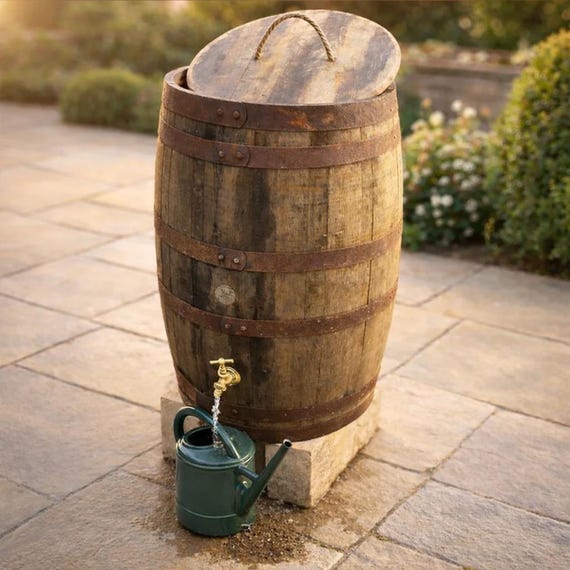
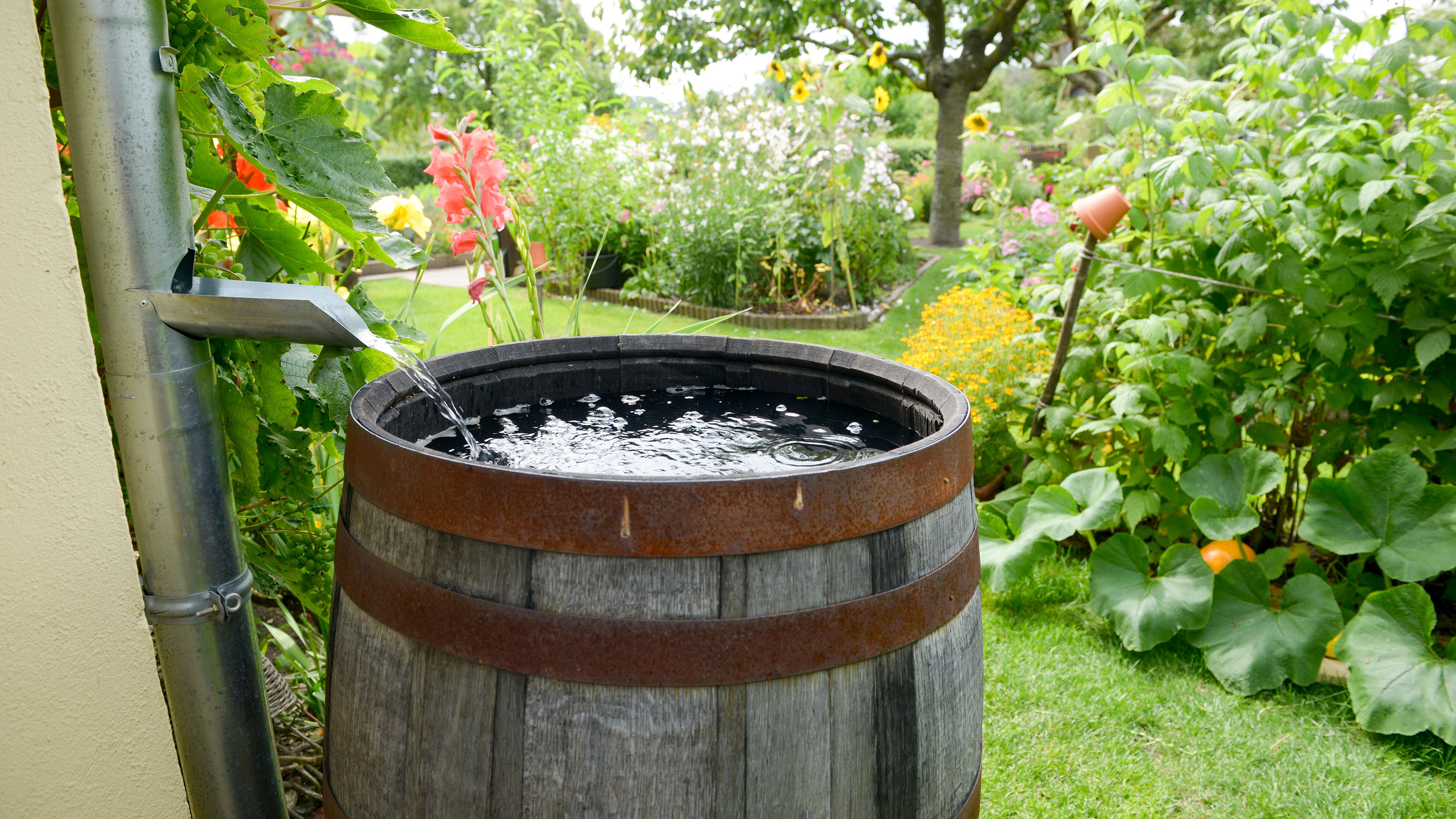
The phrase rain barrel vs water butt compares two names for similar devices that capture roof runoff. In North America people usually say rain barrel. In the UK and parts of Europe they say water butt. Both store rain from gutters to use on plants and chores. The core idea is the same: save water, lower bills, and reduce storm runoff.

Key differences and similarities
Both collect water from downspouts. Differences are mainly in shape, material, and common features. Rain barrels often come in plastic or wood styles with spigots and overflow outlets. Water butts can be slimmer, designed to fit tight spaces, and sometimes include tap fittings and diverters.
- Similarity: Both reduce mains water use for gardens.
- Difference: Typical size and shape vary by region.
- Difference: Some water butts include garden kit extras more often than basic rain barrels.
- Similarity: Both need a stable base and regular upkeep.
Types, sizes, and materials
There is a wide range of models for rain barrel vs water butt. Choose by capacity, space, and use.
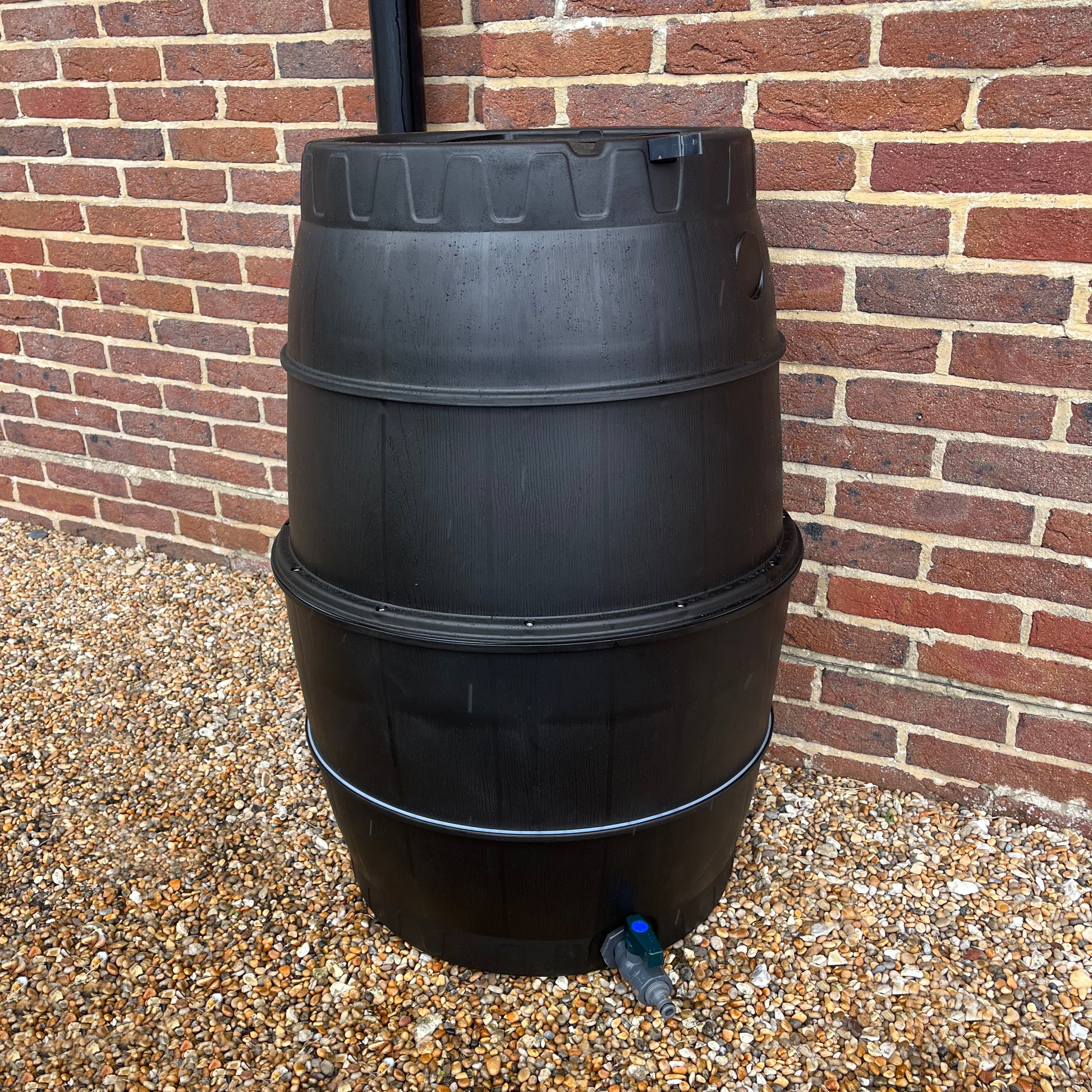
- Plastic barrels: Light, low cost, resistant to rot. Good for small gardens.
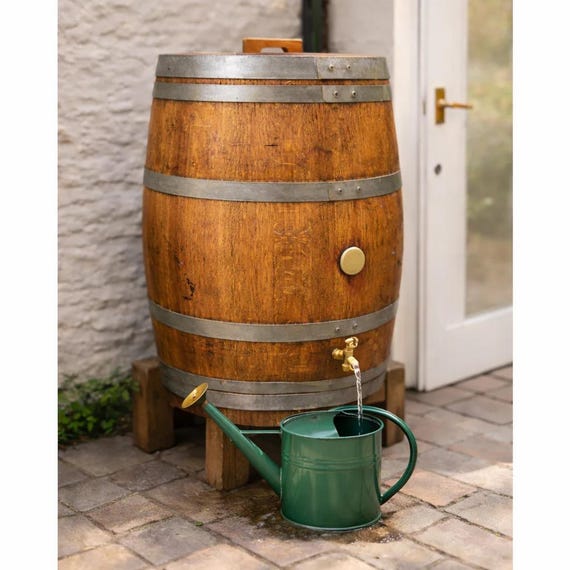
- Wooden barrels: Attractive and heavy; need linings to avoid leaks.
- Slimline water butts: Fit along walls and save space.
- Large modular tanks: Link multiple units for more storage.
Common sizes range from 30 to 300+ gallons. Small barrels fit balcony planters. Large tanks suit vegetable gardens and longer dry spells.

Benefits of using a rain barrel vs water butt
The benefits are similar whether you call it a rain barrel or a water butt.
- Save water bills: Use harvested rain for irrigation and cleaning.
- Support plants: Rainwater is soft and free of chlorine.
- Reduce runoff: Less stormwater enters drains and local sewers.
- Eco action: Simple step to conserve water and cut your footprint.
These systems also add resilience during droughts. Even a single barrel can make a noticeable difference to a small garden.

Limitations and safety concerns
There are trade-offs to know when comparing rain barrel vs water butt.
- Mosquitoes: Standing water attracts insects unless screened.
- Algae and odor: Sunlight and warm water can cause growth; cover and clean regularly.
- Freezing: In cold climates you must winterize to avoid damage.
- Water quality: Not drinkable unless treated; safe for plants and cleaning only.
I always recommend mesh screens, secure lids, and a first-flush diverter to reduce debris and contaminants.

How to size and place your system
Sizing helps match storage to roof area and rainfall.
- Estimate catchment: One inch of rain on 1,000 sq ft yields about 623 gallons.
- Pick capacity: For small yards, 50–100 gallons is useful. For larger plots, 200+ gallons may be better.
- Placement: Put near downspout, on a firm, level base at tap height for easy use.
- Link units: Connect multiple barrels or butts to scale up storage.
I once sized a setup for a client by measuring roof area and average monthly rainfall. We chose three linked 100-gallon barrels to avoid overflow during storms.
Installation basics
Install a rain barrel vs water butt with safety and ease. Follow these steps.
- Prepare a level base using pavers or a concrete pad.
- Fit a diverter or cut the downspout to route water into the tank.
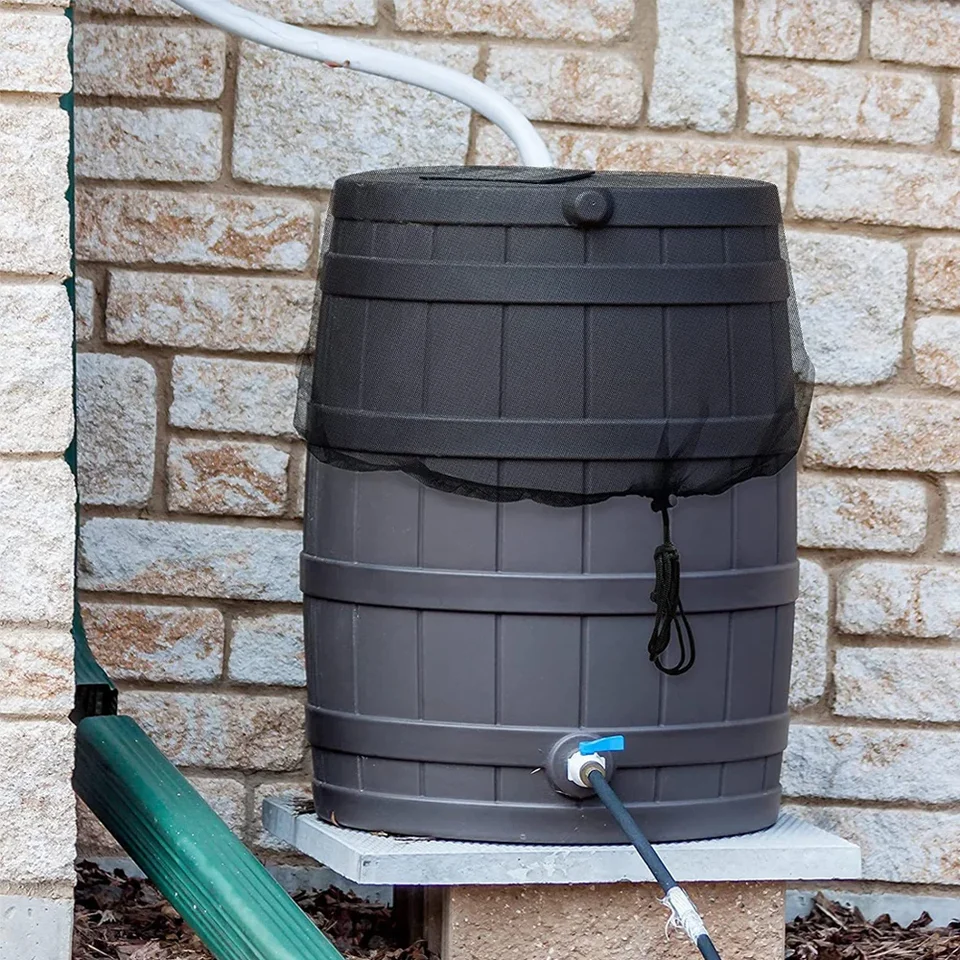
- Install a screen to block leaves and insects.
- Attach a spigot and overflow hose to direct excess away from foundations.
Work slowly and keep safety first. If the barrel is heavy, get help. Many towns offer rebates or how-to workshops.
Maintenance checklist
Regular care keeps a rain barrel vs water butt useful and safe.
- Clean screens every month in fall and spring.
- Empty and winterize if your area freezes.
- Flush or scrub the interior annually.
- Check fittings and hoses for leaks.
I schedule quick checks after big storms. Small upkeep avoids big problems later.
Costs and return on investment
Costs vary by type and size, but the idea is simple.
- Entry-level plastic barrels: Low cost and common.
- Decorative wood or metal models: Higher cost and curb appeal.
- Diverters and kits: Moderate add-on price.
- Installation: DIY saves money; pro install costs more.
Return on investment comes from lower water bills and potential rebates. Over a few seasons, many users find the system pays back through savings and reduced stormwater fees.
Environmental and community impact
A well-used rain barrel vs water butt helps more than one home. It reduces demand on municipal systems and lowers runoff that causes local flooding. Neighborhood programs that encourage barrels can add up to real watershed benefits. When many households harvest rain, the cumulative effect helps local streams and reduces strain on sewers.
My hands-on experience and lessons learned
I’ve installed and used both rain barrels and slim water butts. Here are lessons I learned.
- Choose a screened inlet to cut down on cleaning.
- Elevate the barrel slightly. It improves flow and access.
- Use a diverter to keep first flush of roof debris out.
- Link multiple units rather than rely on a single large tank.
One mistake I made early on was putting the barrel on unstable soil. It shifted and stressed the fittings. After adding a paved base, the system lasted years without leaks.
Buying and selection tips
Keep these tips in mind when choosing between rain barrel vs water butt.
- Measure available space before buying.
- Check for a secure lid and insect-proof screen.
- Prefer UV-resistant plastics for long life.
- Think about spigot height for filling watering cans or connecting hoses.
- Look for a diverter kit if you want cleaner water.
Shop local. Many towns have stock that fits local codes and sometimes offer discounts.
Frequently Asked Questions of rain barrel vs water butt
What is the main difference between a rain barrel and a water butt?
The main difference is mostly regional naming and common shape. Rain barrel is the common North American term; water butt is widely used in the UK and Europe and may describe slimmer models.
Can I drink water from a rain barrel or water butt?
No, untreated rainwater can contain contaminants from roofs. Use it for plants, cleaning, and non-potable tasks only unless you treat it properly.
How do I prevent mosquitoes in my rain barrel vs water butt?
Install a fine mesh screen, keep the lid closed, and empty or renew water regularly. A sealed system and flow help stop breeding.
Do I need permission to install a rain barrel vs water butt?
Most places allow small water harvest systems without a permit, but local rules differ. Check local codes or water authority guidance before installing.
How much rainwater can I expect to collect?
A rough rule: one inch of rain on 1,000 square feet yields about 623 gallons. Your actual collection depends on roof area and rainfall intensity.
Conclusion
Choosing between rain barrel vs water butt comes down to space, style, and local terms. Both save water, help plants, and reduce runoff with low effort and cost. Start small if you are new. Install a screened barrel, maintain it, and scale up if needed. Try one in your yard this season and see how much water you can save—then share what you learn. If you found this useful, leave a comment, subscribe for updates, or explore local rainwater programs to take the next step.