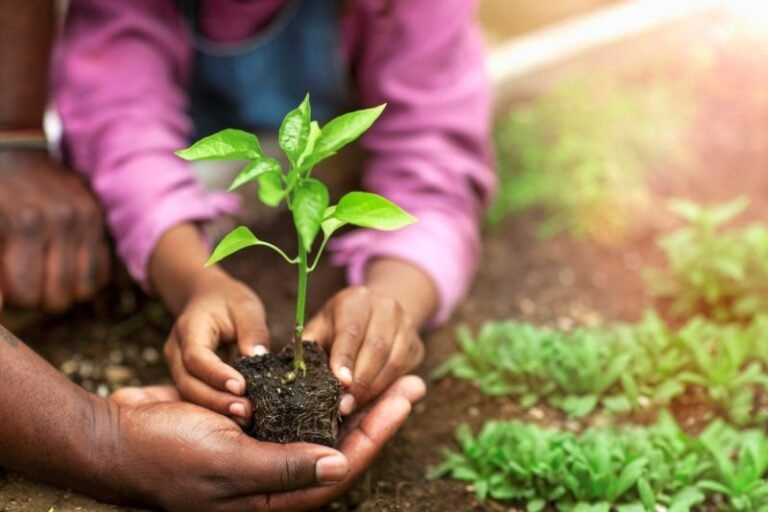
A garden trowel digs and plants, while a hand fork loosens soil and removes roots.
I’ve gardened for years and tested both tools in beds, containers, and rocky soil. This guide compares garden trowel vs hand fork with clear, practical advice. I will show the strengths, limits, and real-world choices so you pick the right tool for planting, weeding, and soil prep.

Garden trowel vs hand fork: definitions and core differences
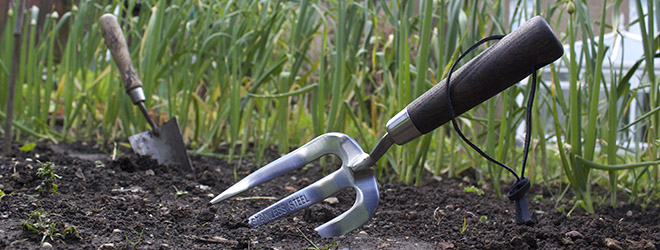
A garden trowel is a small, handheld shovel. It has a flat or slightly curved blade and a pointed tip for digging holes, transplanting, and scooping soil. A hand fork has three or more short, strong tines. It breaks up soil, lifts roots, and weeds without cutting like a hoe.
Key differences at a glance:
- Trowel excels at digging, scooping, and planting.
- Hand fork excels at loosening compacted soil and removing roots.
- Trowel blade shape concentrates force for holes; hand fork tines distribute force for aeration.
Use these basics to match tool to task. Both are small and precise. They complement each other in most gardens.

When to use a garden trowel vs hand fork
Choose by task, not brand. For transplanting seedlings, use a garden trowel. It makes neat holes and moves soil quickly. For clearing weeds with deep roots, use a hand fork. The tines get under roots and pull them out clean.
Practical scenarios:
- Planting bulbs and small plants: garden trowel is best.
- Breaking crusted soil or mixing compost into topsoil: hand fork is ideal.
- Working in tight pots: small garden trowel works well.
- Working in beds with perennial roots: hand fork saves time and strain.
Match the tool to the job for faster work and less damage to plants.

Pros, cons, and materials: garden trowel vs hand fork
Garden trowel pros:
- Great for digging and transplanting.
- Good for measuring planting depth on pointed blades.
- Often easier in very compacted spots due to pointed tip.
Garden trowel cons:
- Can bend if used on roots or rocks.
- Less effective at aerating wide areas.
Hand fork pros:
- Excels at loosening soil and removing roots.
- Gentle on nearby plants when weeding.
- Strong tines resist bending and pry out roots.
Hand fork cons:
- Not ideal for digging large holes.
- Requires more wrist motion for deep digging.
Materials and build tips:
- Choose stainless steel or carbon steel for strength and rust resistance.
- Look for full-tang construction where possible.
- Ergonomic handles reduce hand strain during long sessions.

Choosing the right size and ergonomics
Size matters. Small tools work best in pots and tight spaces. Larger heads and longer handles give leverage in big beds. Handle grip affects comfort. Wooden handles feel warm. Rubber grips reduce slipping.
Ergonomic choices to consider:
- Handle shape that fits your palm.
- Weight balance between blade/tines and handle.
- Shock-absorbing grips for people with arthritis or wrist pain.
Try tools in-store if you can. A comfortable tool speeds planting and reduces injury.
 maintenance, and sharpening”
style=”max-width: 100%; height: auto; border: 2px solid black; border-radius: 10px; display: block; margin: 0 auto;”
loading=”lazy”
/>
Care, maintenance, and sharpening
Keep both tools clean and sharp for long life. After use, knock off soil and rinse if needed. Dry thoroughly and oil metal parts to prevent rust. Sharpen trowel edges and flatten bent tines carefully.
Simple maintenance routine:
- Clean after each use.
- Dry and oil metal annually.
- Tighten loose handles.
- Store in a dry spot or hang on a pegboard.
Good care makes either tool last decades and stay safe to use.

Personal experience, mistakes, and tips from the garden
I once used a trowel like a pry bar and bent the blade. Lesson learned: use a hand fork for roots and rocks. Another time, using a hand fork in a crowded container uprooted nearby seedlings. Lesson: work slowly near fragile plants.
Tips I use often:
- Use a small garden trowel for seedling holes. It keeps roots intact.
- Use a hand fork to lift spring bulbs from beds. Tines slide under bulbs cleanly.
- Keep both tools in a tray by your potting bench. Switching is fast and saves plants.
These small habits make chores faster and plant-safe.
Practical comparisons and quick answers
How do they affect seedlings?
- A garden trowel makes clean holes for seedlings. A hand fork can loosen soil around them without cutting roots.
Which tool saves time?
- For planting many plants, a garden trowel speeds the job. For bed prep and weed removal, a hand fork reduces repeat work.
Are they interchangeable?
- Sometimes. You can dig small holes with a hand fork, but it’s less efficient. A trowel can pull small roots but may break on tougher roots.

Frequently Asked Questions of garden trowel vs hand fork
What is the main difference between a garden trowel vs hand fork?
The trowel digs and scoops soil, ideal for planting. The hand fork loosens and lifts soil, ideal for aeration and removing roots.
Can I use a trowel instead of a hand fork for weeding?
You can for small, shallow weeds, but a hand fork removes deeper roots more cleanly and with less effort.
Which tool is better for container gardening?
A small garden trowel is usually better for containers because it makes neat holes and fits tight spaces.
How do I maintain a hand fork or garden trowel?
Clean off soil after use, dry the tool, apply a light oil to metal parts, and sharpen or straighten as needed.
Are there multipurpose tools that replace both a garden trowel vs hand fork?
Some cultivator-trowel hybrids exist, but they rarely match the dedicated performance of each tool for specific tasks.
How often should I replace my trowel or hand fork?
With proper care, both can last years. Replace them if blades or tines bend permanently or handles crack.
Conclusion
Garden tools work best when matched to tasks. Use a garden trowel for digging, planting, and scooping. Use a hand fork for loosening soil, aeration, and root removal. My experience shows that keeping both tools handy makes gardening smoother and safer.
Takeaway: pick the right tool, care for it, and switch tools when the job calls for it. Try both in your own garden this weekend and note the time saved and fewer damaged plants. Leave a comment with your favorite tool and a tip you’ve learned.