Use potting mix for containers; garden soil suits in-ground beds and landscapes.
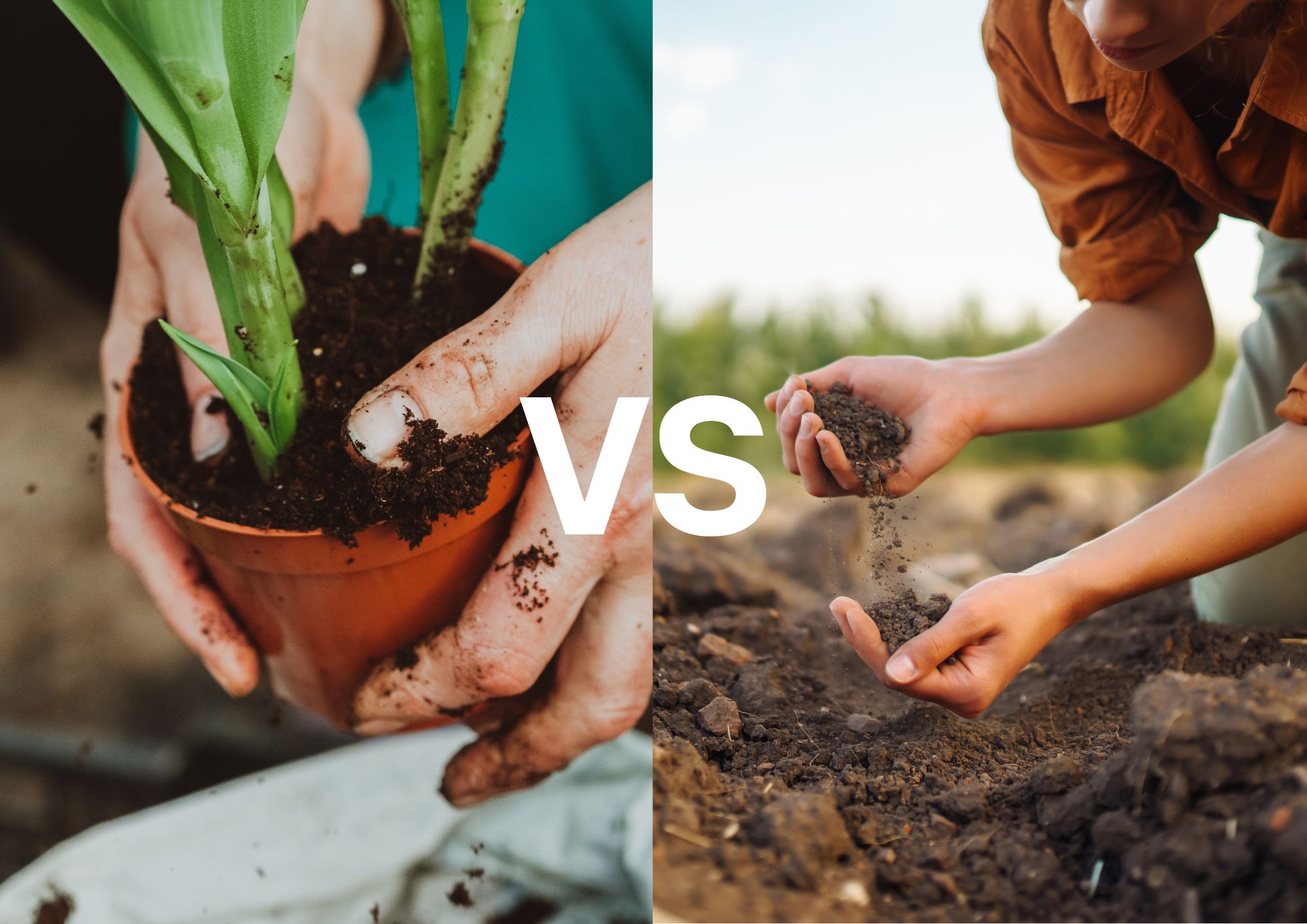
I’ve tested both across balconies, backyards, and a small nursery setup. This guide breaks down potting mix vs garden soil with clear rules, science-backed tips, and real mistakes I’ve made so you don’t have to. If you want healthier plants and fewer headaches, keep reading to learn when and why each medium shines for containers, raised beds, and in-ground gardens.
:max_bytes(150000):strip_icc()/difference-between-potting-soil-potting-mix-847812edits-9e6b6dee92a2469d9822355db6151908.jpg)
Understanding the basics
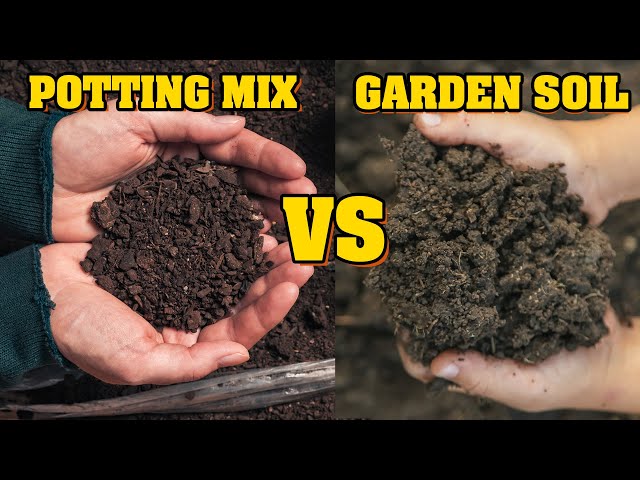
Potting mix is a soilless blend made for containers. It is light, drains fast, and resists compaction. It often includes peat or coco coir, perlite, vermiculite, and composted bark. Many blends are sterilized or pasteurized to limit pests and pathogens.
Garden soil is natural earth from your yard or a bag labeled for in-ground use. It holds more minerals and can be heavy or clay-like. It is not sterile and can vary a lot by region and yard history.
Key takeaway: Potting mix vs garden soil is about place and purpose. Containers need air and quick drainage. Ground beds need structure, minerals, and stable moisture.

Potting mix vs garden soil: Key differences
Structure
- Potting mix has large pores for air. Roots breathe and spread with ease.
- Garden soil can compact in pots. Roots struggle and water stagnates.
Drainage and moisture
- Potting mix drains fast but holds even moisture in fibers like peat or coco.
- Garden soil drains based on texture. Clay drains slow. Sand drains too fast.
Nutrients and salts
- Many potting mixes are low in nutrients at first. They often include slow-release fertilizer.
- Garden soil holds nutrients in clay and organic matter. It can also hold excess salts.
Sterility and pests
- Potting mix is often sterile or pasteurized. This reduces damping-off and fungus gnats.
- Garden soil can contain weed seeds, pathogens, and insects. It is part of a living ecosystem.
Weight and handling
- Potting mix is light. Great for hanging baskets and indoor pots.
- Garden soil is heavy. Good for wind resistance in beds, but not for containers.
pH control
- Potting mix is usually pH-adjusted for general plants.
- Garden soil pH varies. Test and amend for crops like blueberries or azaleas.
Cost
- Potting mix costs more per volume.
- Garden soil is cheap or free in your yard, but may need compost or lime.
Can I use garden soil in pots?
You can, but it is risky. It compacts, drains poorly, and can bring pests. Blend it with potting mix and coarse material if you must.
Is potting mix actually soil?
No. It is a soilless medium. It mimics ideal soil functions in containers without real field soil.
Which is better for beginners?
For containers, choose potting mix. For in-ground beds, improve your garden soil with compost and mulch.

When to use each
Use potting mix
- Indoor plants, balcony pots, and window boxes.
- Seed starting trays and small transplants.
- Hanging baskets, self-watering planters, and grow bags.
Use garden soil
- Vegetable rows, shrubs, and trees in the ground.
- Perennial borders and lawns.
- Areas where long-term soil health matters.
Blend both for raised beds
- Raised beds act like big containers but still warm and drain like soil.
- Aim for a 40% compost, 40% topsoil, 20% coarse aeration mix (perlite, bark, or sand).
- This mix gives the best parts of potting mix vs garden soil.
What’s inside each medium
Typical potting mix ingredients
- Coco coir or peat moss for moisture retention and light structure.
- Perlite or vermiculite for air pockets and drainage.
- Composted bark for structure and slow-release nutrients.
- Lime to adjust pH. Starter fertilizer or slow-release granules.
Typical garden soil components
- Sand, silt, and clay for texture and mineral content.
- Organic matter from compost, leaves, or manure.
- Living microbes, fungi, worms, and insects.
Science note: Research from university extensions shows that sterile or pasteurized seed-starting media reduce damping-off disease. Well-aerated mixes also support stronger root development in containers.
Seed starting and indoor plants
Seedlings need air, steady moisture, and a clean start. A fine seed-starting potting mix works best. It drains well and limits fungal issues. Add bottom watering to keep leaves dry and roots strong.
Indoor plants do best in a custom potting mix. Tropical houseplants love coco coir with perlite and a bit of bark. Succulents and cacti need a gritty mix with extra perlite or pumice. This is where potting mix vs garden soil is clear: garden soil indoors can bring pests and odors.
Personal tip: I once used garden soil for basil on a windowsill. Fungus gnats moved in fast. Switching to a sterile potting mix and letting the top inch dry solved it.

Raised beds and outdoor containers
Raised beds
- Use a blend of screened topsoil, compost, and coarse material.
- Aim for loose texture and 5% or more organic matter by volume.
- Top-dress with compost each season to maintain fertility.
Outdoor containers
- Stick with potting mix. Add 10–20% compost for nutrients.
- For hot climates, add more coco coir for moisture.
- For rainy climates, add more perlite for drainage.
Why this works: Raised beds bridge potting mix vs garden soil. They need soil strength and mix-like drainage, so a hybrid blend is ideal.

How to improve and DIY recipes
Upgrade garden soil for beds
- Add 2–3 inches of compost on top each season.
- Mulch with leaves, straw, or wood chips to feed soil life.
- Use cover crops in fall to boost structure and nitrogen.
DIY all-purpose potting mix (for containers)
- 40% coco coir or peat moss
- 30% perlite or a perlite/pumice blend
- 20% composted bark
- 10% finished compost
- Plus a small dose of slow-release fertilizer and a pinch of garden lime if using peat
DIY seed-starting mix
- 60% fine coco coir or peat
- 30% fine perlite or vermiculite
- 10% worm castings or screened compost
- Moisten before filling trays for even hydration
DIY cactus and succulent mix
- 40% potting mix base
- 40% pumice or perlite
- 20% coarse sand or small gravel
Note on safety: Avoid using fresh manure in pots. It can burn roots and add pathogens. Extension data show composted material is safer and more stable.

Cost, sustainability, and impact
Cost math
- Potting mix costs more per bag. It is worth it for containers due to performance.
- Garden soil is cost-effective for large in-ground areas.
Sustainability choices
- Choose coco coir over peat when possible to reduce impact on peatlands.
- Reuse potting mix by sifting, adding fresh compost and perlite, and baking or solarizing if disease was present.
- Build garden soil with compost, mulch, and reduced tillage. This stores carbon and boosts soil life.
Packaging and transport
- Buy in bulk when you can. Less plastic and lower cost per volume.
- Local compost sources cut transport emissions.
Here, potting mix vs garden soil is also an eco choice. Use mix where it matters most, and grow your soil everywhere else.
Common mistakes and fixes
Using garden soil straight in pots
- Problem: Compaction and root rot.
- Fix: Blend 50–70% potting mix with perlite or bark. Repot to save roots.
Overwatering containers
- Problem: Yellow leaves and fungus gnats.
- Fix: Water by weight. Let the top inch dry. Improve drainage with more perlite.
Underfeeding in potting mix
- Problem: Pale leaves and slow growth after 4–6 weeks.
- Fix: Use slow-release fertilizer or weekly liquid feed at half strength.
Ignoring pH
- Problem: Nutrient lockout for acid-loving or alkaline-sensitive plants.
- Fix: Test pH. Add sulfur for high pH or lime for low pH as needed.
Buying “topsoil” without screening
- Problem: Rocks, debris, and variable quality.
- Fix: Ask for screened topsoil. Check texture by hand before buying.
Personal experience and pro tips
What worked for me
- For tomatoes in 10-gallon grow bags, a fluffy potting mix with 20% compost gave strong yield and fewer splits.
- In heavy clay beds, two years of compost and leaf mulch changed cracked soil into rich loam.
- For fiddle-leaf fig, a barky potting mix drained fast and stopped root rot.
Mistakes I won’t repeat
- Filling a patio barrel with garden soil. It turned to brick in summer.
- Skipping pH tests for blueberries. Yield doubled after I lowered pH with sulfur.
Simple rule I follow
- Containers get potting mix. Ground gets soil plus compost. Raised beds get a blend. That one line sums up potting mix vs garden soil in daily practice.
Frequently Asked Questions of potting mix vs garden soil
Can I mix garden soil with potting mix for containers?
Yes, in small amounts. Keep garden soil under 30% of the blend to prevent compaction and disease.
How often should I replace potting mix?
Refresh each season. Reuse by sifting, adding 20–30% fresh compost and perlite, and discarding any diseased material.
Is bagged garden soil safe for vegetables?
Yes, if it is clean and intended for in-ground use. Improve it with compost and test pH for best results.
What is the best potting mix for herbs?
Use a light mix with extra perlite and some compost. Mediterranean herbs like rosemary prefer even faster drainage.
Do I need fertilizer in potting mix?
Often yes. Many mixes have limited nutrients, so use a slow-release fertilizer or feed with a mild liquid weekly.
Why does my potting mix grow fungus gnats?
Gnats thrive in wet, organic media. Let the top inch dry, bottom-water, and add a layer of coarse sand or use yellow sticky traps.
Can I use raised bed soil in pots?
You can, but add extra perlite and bark to keep it airy. Pure raised bed soil may be too heavy for small containers.
Conclusion
Choose the medium that fits the job. Use potting mix for containers where air and drainage matter most. Build your garden soil in beds for long-term health and stable growth. When you face a mixed case like raised beds, blend the best of both.
Now put it to work: pick one container and one bed to improve this week. Test, tweak, and track results. Want more practical guides like this on potting mix vs garden soil and beyond? Subscribe, share your wins, or drop a question in the comments.