Prepare soil for planting by testing, loosening, and adding organic matter and nutrients.
I have spent years growing vegetables and flowers from seed to harvest, and I know that good soil is the single biggest factor for success. This guide breaks down how to prepare soil for planting in clear, easy steps you can follow today. I will explain tests, tools, amendments, and simple fixes so your plants get a strong start.

Why preparing soil matters
Healthy soil feeds plants. When you learn how to prepare soil for planting, you give roots air, water, and food. Poor soil leads to slow growth, pests, and low yields. A little work before you plant saves time and frustration later.

Simple steps: how to prepare soil for planting
Follow these steps to get soil ready for planting. Each step is short and practical.
- Clear the area. Remove weeds, rocks, and debris. This stops competition for water and nutrients.
- Test the soil. Check pH and basic nutrients with a kit or lab test. Knowing what the soil lacks saves guesswork.
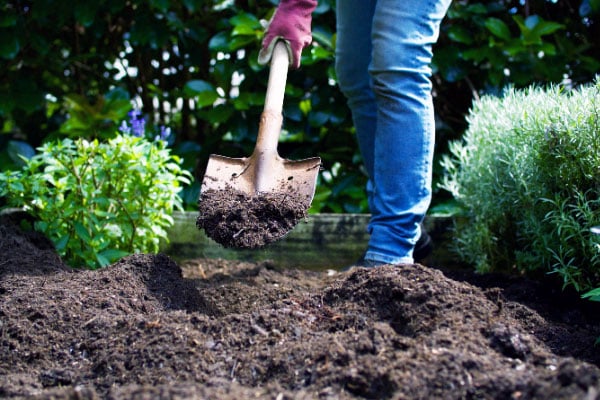
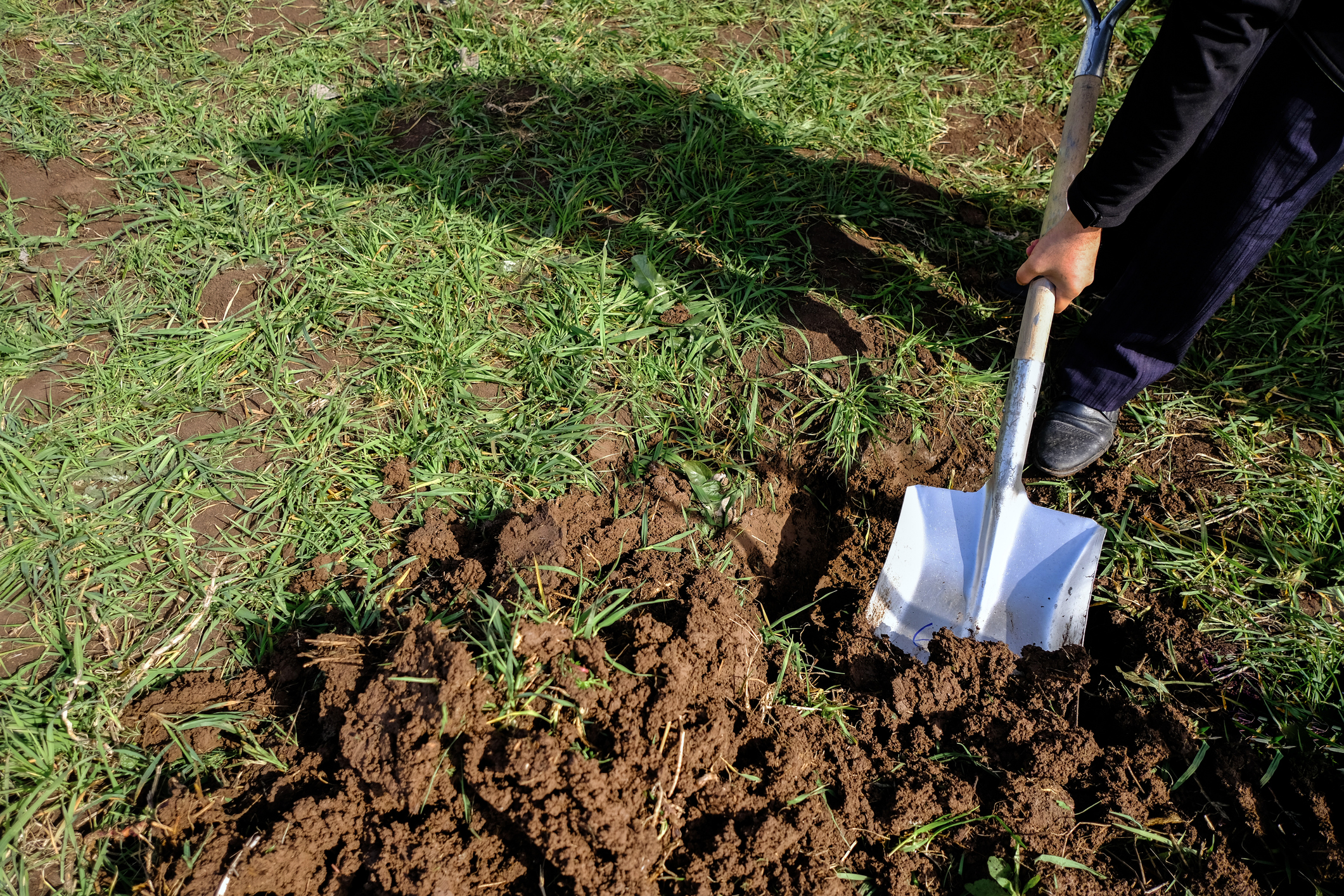
- Loosen the soil. Use a spade, fork, or tiller to work the top 6 to 12 inches. Loose soil helps roots spread and improves drainage.
- Add organic matter. Mix in compost, aged manure, or leaf mold at 2 to 4 inches depth. Organic matter boosts nutrients and soil life.
- Adjust pH if needed. Add lime to raise pH or sulfur to lower it, following product directions. Many vegetables prefer slightly acidic to neutral soil.
- Add starter nutrients. Use a balanced slow-release fertilizer or a small dose of starter fertilizer. This helps young plants find food as they establish.
- Rake and level. Smooth the bed to make even planting rows or holes. Firm lightly so seeds have contact with soil.
Doing these steps teaches you how to prepare soil for planting with low risk and big gains. Repeat the steps each season to keep soil healthy.
Testing soil: pH, texture, and nutrients
Testing tells you what the soil needs. A basic test checks pH, phosphorus, potassium, and nitrogen. Home kits are cheap and quick. A lab test is more detailed and shows trace elements and organic matter.
Soil texture matters too. Sand drains fast but holds little water. Clay holds water but drains poorly. Loam is a good mix of sand, silt, and clay. You can feel texture by squeezing a damp pinch of soil. This helps you plan how to prepare soil for planting for different crops.
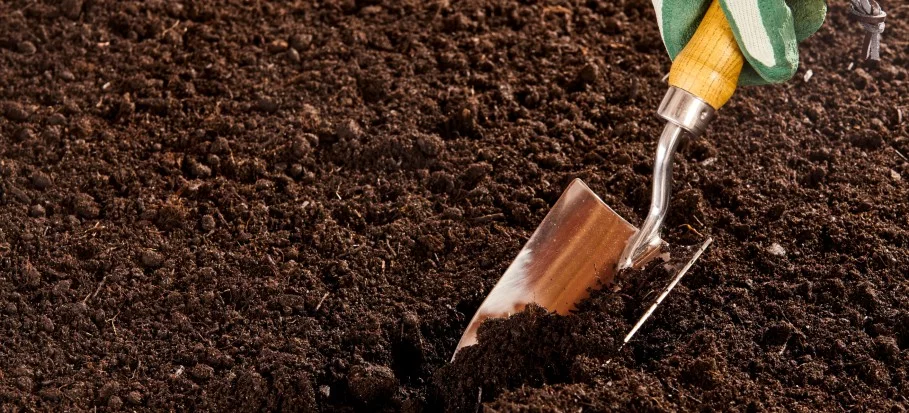
Amendments: compost, manure, lime, and fertilizers
Choose amendments to fix what your test shows. Compost adds organic matter and beneficial microbes. Aged manure adds nutrients and improves texture. Lime raises pH if soil is too acidic. Sulfur or aluminum sulfate lowers pH if soil is too alkaline.
Use these tips from my own garden work:
- Compost: Mix 2 to 4 inches into topsoil. I add compost every fall to my beds and see better yields.
- Manure: Only use well-rotted manure. Fresh manure can burn plants and add weeds.
- Lime and sulfur: Apply small amounts and retest after a few months. I learned to wait a season before adding more.
- Fertilizer: Use a slow-release or organic fertilizer at planting. Avoid over-fertilizing young roots.
When you know how to prepare soil for planting with the right amendments, plants grow more steadily and resist stress.

Common mistakes and troubleshooting
Many gardeners make simple errors that hurt soil health. Here are common issues and fixes.
- Tilling too deep or too often. This destroys soil structure and beneficial organisms. Work the top 6 to 12 inches only.
- Adding too much fertilizer. This can burn plants and harm microbes. Follow recommended rates and retest soil.
- Planting in compacted soil. Roots struggle in dense soil. Break up the compacted layer and add organic matter.
- Ignoring drainage. Waterlogged soil causes root rot. Build raised beds or add coarse sand and organic matter to improve drainage.
- Skipping crop rotation. Replanting the same crop invites pests and nutrient depletion. Rotate families each season.
These fixes reflect mistakes I made early on. Taking them out of your routine saves time and boosts growth.

Seasonal and crop-specific tips
Prepare soil for planting differently by season and crop for best results.
- Spring: Work soil when it is moist but not soggy. Plant cool-season crops early. Apply compost in fall or early spring.
- Fall: Add heavy compost and cover crops to rebuild soil over winter. I plant clover or rye to protect beds.
- Vegetables: Most veg prefer loamy, well-drained soil with pH 6.0 to 7.0. Root crops need loose soil free of stones.
- Flowers: Many flowers like slightly acidic to neutral soil. Amend flower beds with compost and a small fertilizer dose.
- Trees and shrubs: Dig a wide planting hole and backfill with native soil plus compost. Avoid adding too much fertilizer near new roots.
Adapting how to prepare soil for planting to the season and crop makes your work more effective.
Frequently Asked Questions of how to prepare soil for planting
How deep should I prepare soil for planting?
Prepare the top 6 to 12 inches of soil for most plants. This gives roots room to grow and access nutrients and air.
When is the best time to prepare soil for planting?
Work soil in spring when it is moist but not waterlogged. Fall is also great for adding compost and cover crops to rest over winter.
How do I know if my soil needs lime or sulfur?
A pH test tells you if soil is too acidic or alkaline. If pH is below the crop range, add lime; if above, add sulfur, and retest after a few months.
Can I use garden soil in containers?
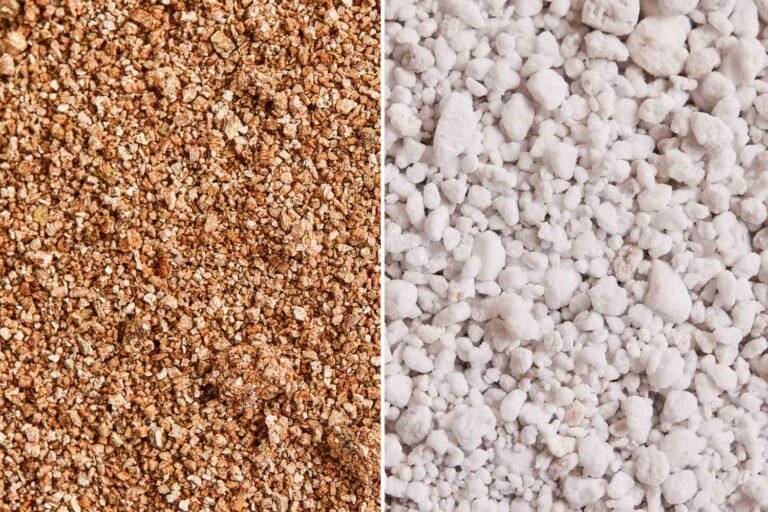
Garden soil is often too dense for pots. Use a light potting mix with compost and perlite for good drainage and root health.
How much compost should I add when I prepare soil for planting?
Mix 2 to 4 inches of compost into the top 6 to 12 inches of soil. More can be used as a top layer or mulch but avoid burying fresh, undecomposed compost.
Will tilling kill earthworms and microbes?
Excessive tilling can harm soil life. Light digging is fine, but try no-till methods or shallow turning to protect microbes and worms.
What is the fastest way to improve poor soil?
Add well-aged compost and plant cover crops. Both build organic matter and improve structure over a season or two.
Conclusion
Good soil is the easiest way to make plants thrive. Test, loosen, and add organic matter to learn how to prepare soil for planting well. Start small, follow simple steps, and watch plants respond in weeks. Try one bed today: test the soil, add compost, and plant something easy. Share your results below or subscribe for more tips on soil care and planting.