Mulch and compost both help plants, but compost feeds soil while mulch mainly conserves moisture.
I’ve worked in gardens and on small farms for years, testing mulch vs compost which is better for plants in different settings. This article walks you through the science, the practical uses, and real-life tips so you can choose the right approach for your garden, lawn, or container plants. You’ll learn when to favor mulch, when to favor compost, and how to use both together for the strongest, healthiest plants.
What are mulch and compost? Definitions and simple science
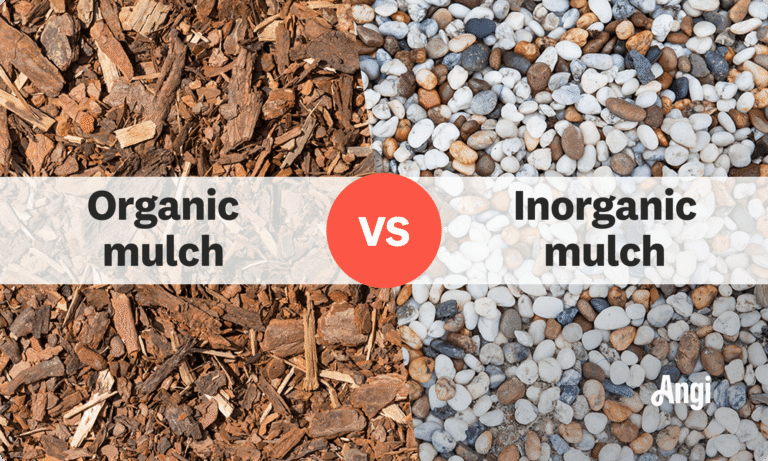
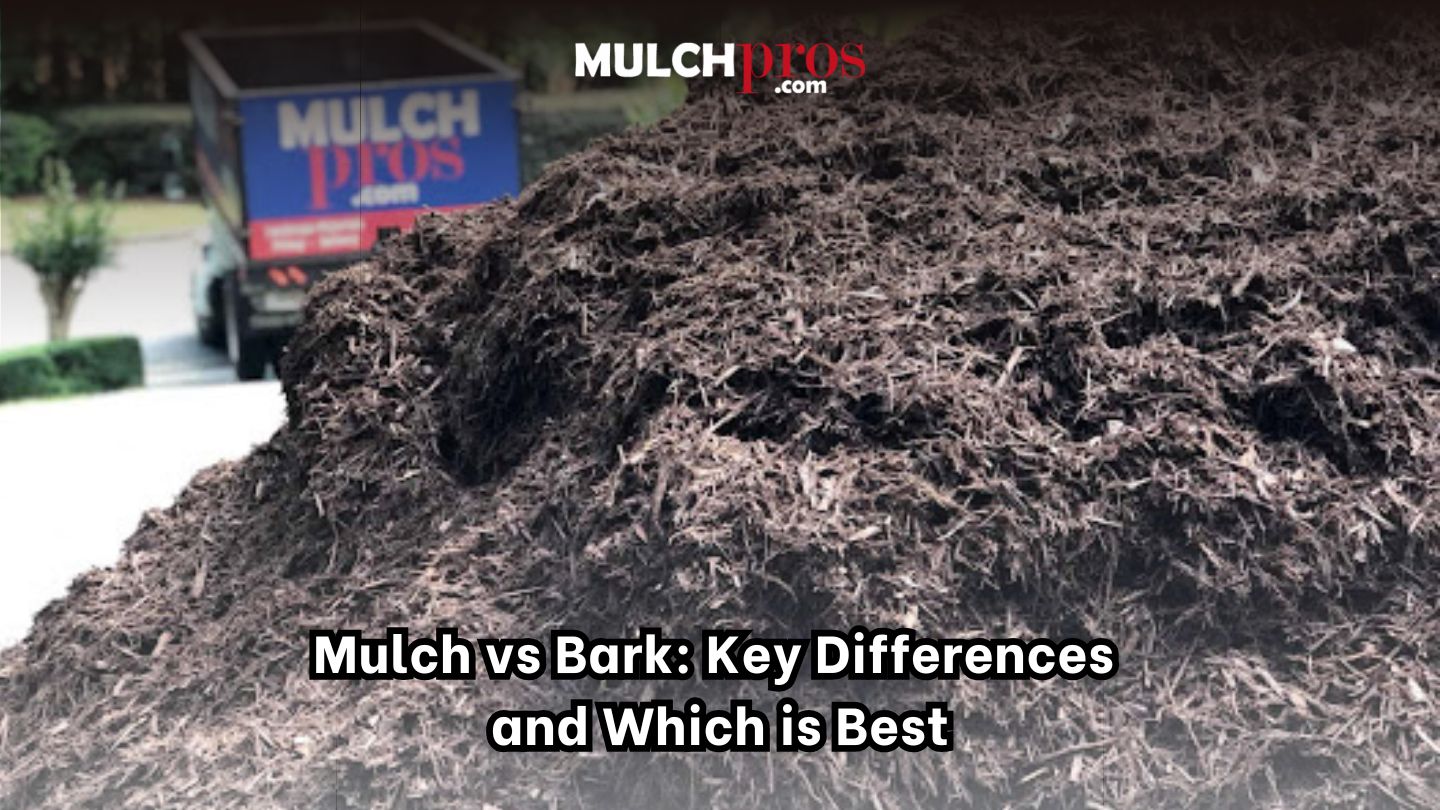
Mulch is a layer of material placed on the soil surface. It can be organic, like shredded bark, straw, or leaves, or inorganic, like gravel or landscape fabric. Mulch mainly slows evaporation, suppresses weeds, and moderates soil temperature.
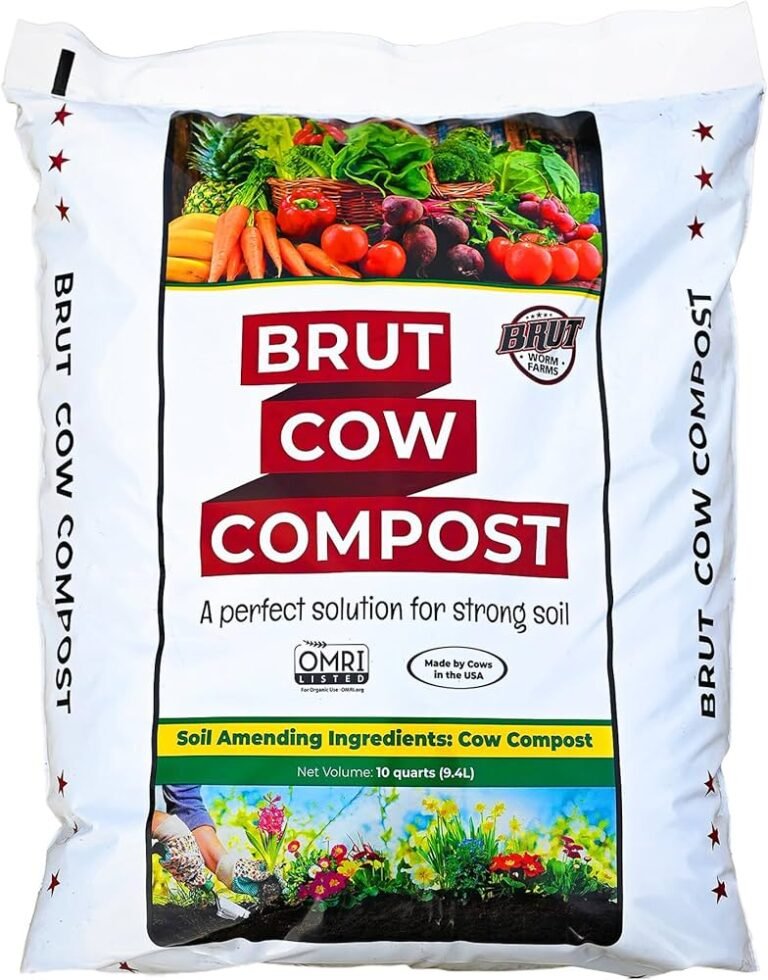
Compost is decomposed organic matter. It is rich in humus, nutrients, and beneficial microbes. Compost improves soil structure, nutrient availability, and biological activity.
Understanding mulch vs compost which is better for plants starts with these definitions. Each product serves a distinct role. Use them with those roles in mind.

Key differences at a glance
- Purpose — Mulch protects the soil surface; compost feeds and rebuilds soil.
- Material — Mulch often stays intact for months; compost is fully broken down organic matter.
- Nutrient contribution — Mulch supplies minimal immediate nutrients; compost supplies available nutrients.
- Biological impact — Mulch affects soil temperature and moisture; compost boosts microbes and soil life.
- Longevity — Mulch decomposes slowly; compost integrates into the soil.
These contrasts explain why gardeners ask “mulch vs compost which is better for plants” so often. Each has different strengths and best uses.
:max_bytes(150000):strip_icc()/SPR-the-difference-between-compost-and-mulch-5219355-hero-c984988b195140c58a12b1b2ab274c68.jpg)
Benefits of mulch for plants
- Conserves moisture — Mulch reduces evaporation and cuts watering needs.
- Controls weeds — A thick mulch layer blocks light and prevents many weeds from sprouting.
- Temperature moderation — Mulch keeps roots cooler in summer and warmer in winter.
- Erosion reduction — Mulch slows rain impact and protects soil structure.
- Low maintenance — Once applied, mulch often needs only seasonal topping.
When you want to reduce water use and suppress weeds quickly, mulch is often the right first step. It’s a practical surface treatment that protects plants while other soil-building measures take effect.

Benefits of compost for plants
- Builds soil — Compost increases organic matter and improves structure and drainage.
- Feeds plants — Compost supplies nitrogen, phosphorus, potassium, and micronutrients.
- Feeds microbes — Healthy soil biology supports nutrient cycling and plant health.
- Improves seedbeds — Compost creates a friendly medium for seeds and young roots.
- Long-term gains — Repeated compost additions steadily improve soil fertility.
Compost is the key ingredient when your goal is to improve soil health long-term. For many gardeners, the answer to mulch vs compost which is better for plants depends on whether they need short-term protection or long-term fertility.
When to use mulch vs compost which is better for plants — decision guide
- New beds or poor soil — Start with compost to build the soil, then add mulch to protect it.
- Established beds with adequate fertility — Use mulch to reduce weeds and water needs; apply compost occasionally.
- Vegetables and annuals — Mix compost into the planting zone and use mulch on top to lock moisture.
- Trees and shrubs — Use compost as a soil amendment at planting; mulch the surface but keep it away from trunks.
- Containers — Compost-rich potting mixes feed plants; a light mulch can reduce surface drying.
If you wonder “mulch vs compost which is better for plants” think timing and goal. Compost first for soil rebuilding. Mulch for surface protection and moisture control.

How to apply both together for best results
- Prep the bed — Remove weeds and water the soil.
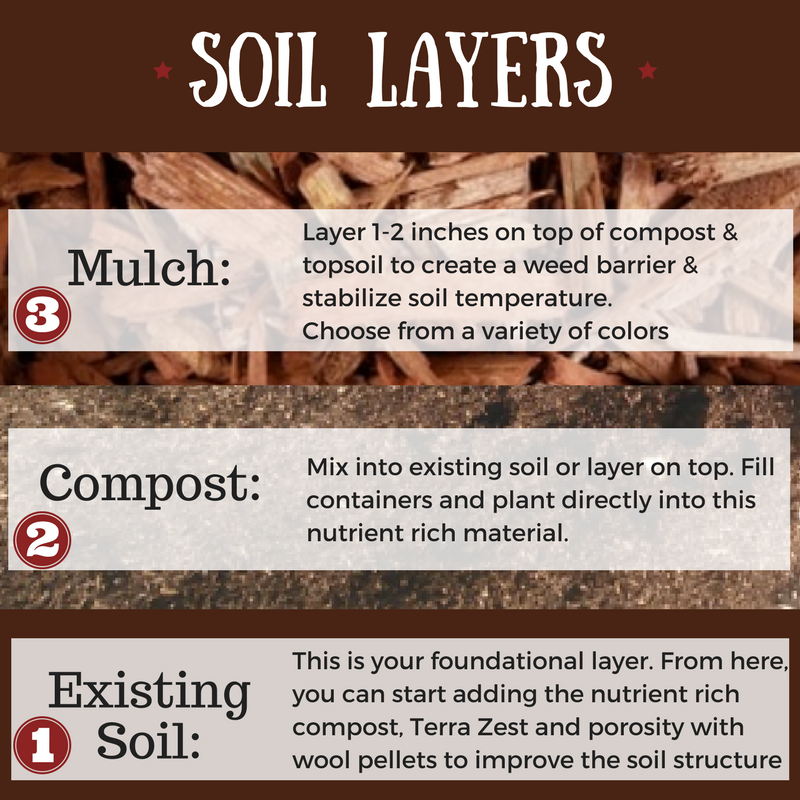
- Add compost — Work 1 to 3 inches of finished compost into the top 4 to 6 inches of soil for gardens and beds.
- Mulch on top — Apply 2 to 4 inches of organic mulch over the compost layer, keeping mulch 2–3 inches from stems and trunks.
- Replenish — Top up mulch yearly and add compost once or twice a year depending on crops and soil tests.
- Consider compost tea or side-dressing — Use compost as a top-dress for lawns or as a side-dress for heavy-feeding crops.
Using compost and mulch together often gives the best results. When gardeners ask “mulch vs compost which is better for plants,” I advise a combined, staged approach for most situations.
:max_bytes(150000):strip_icc()/SPR-natural-vs-colored-mulch-2131981-hero-0c965fa9fdaf4517a8c54cfecd22a964.jpg)
Mistakes to avoid
- Piling mulch against stems — This causes rot and pest problems.
- Using fresh, high-carbon mulch as top-dress without compost — Fresh wood chips can temporarily lock nitrogen if mixed into soil.
- Relying only on mulch in poor soil — Mulch won’t replace missing nutrients or poor structure.
- Over-applying compost — Too much compost can create overly rich soil or drainage issues.
- Ignoring soil testing — Test soil before heavy composting to tailor amendments to real needs.
These errors are common but easy to prevent. My own garden suffered from “mulch volcano” once; I corrected it and saw better root health within a season.

Personal experience and practical tips from the garden
I’ve used both materials on small vegetable plots and on ornamental beds. A few lessons learned:
- Early season compost made my tomato plants much stronger. I mixed compost into the planting holes and saw better fruit set.
- Mulch saved water in a dry summer and reduced my weeding time by more than half.
- I avoid fresh sawdust in beds unless it’s well-aged or composted first.
- For potted herbs, a tablespoon of compost under the potting mix keeps plants lively through the season.
These hands-on tests shaped my view on mulch vs compost which is better for plants: use compost to fix soil, mulch to protect it.
Source: wildvalleyfarms.com
Related concepts and techniques to try
- Compost tea — A liquid extract of compost that can boost soil microbes when used correctly.
- Sheet mulching — Layering cardboard, compost, and mulch to create new beds without digging.
- Green mulch — Living cover crops that protect soil and add organic matter when cut down.
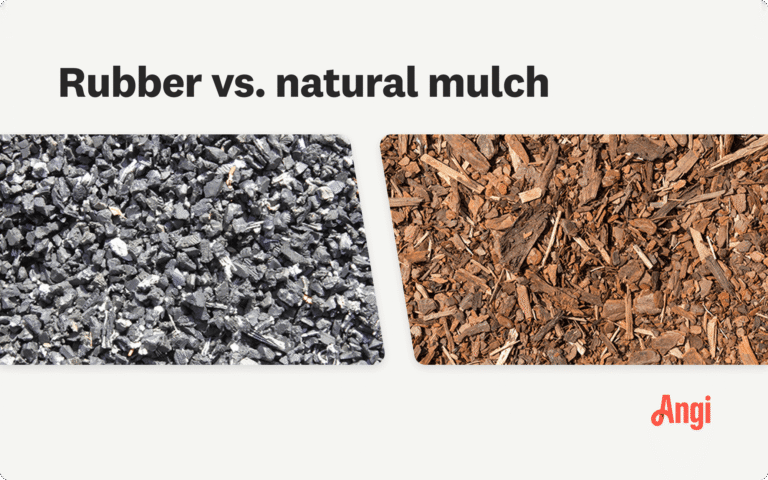
- Mulch types — Compare bark, straw, leaf mulch, wood chips, and rubber for different uses.
These techniques expand how you use mulch and compost in smart, complementary ways.
People also ask (PAA) style quick answers
-
Is mulch better than compost for plant growth?
Compost feeds plants and improves soil over time, while mulch protects and conserves moisture. Both help plant growth but in different ways. -
Can I put compost on top of mulch?
Place compost under mulch for best results. Compost works in the soil while mulch protects the surface and slows evaporation. -
Will mulch break down into compost?
Yes, organic mulch will decompose over time and add organic matter but it breaks down slowly and may not provide the same nutrient profile as finished compost. -
How deep should mulch be for vegetables?
Apply 2 to 4 inches of organic mulch. Thinner layers may not suppress weeds well; thicker layers can interfere with water penetration. -
When should I add compost to my garden?
Add compost in spring before planting and again in fall as a top-dress or soil amendment. One to three inches worked into the soil is a common practice.
Frequently Asked Questions of mulch vs compost which is better for plants
What is the main difference between mulch and compost?
Mulch is primarily a surface cover that protects soil and conserves moisture. Compost is decomposed organic matter that adds nutrients and improves soil structure.
Can mulch harm plants?
Mulch can harm plants if piled against stems or applied too thickly. Keep mulch away from trunks and use recommended depths to avoid rot and pests.
How often should I apply compost?
Most gardens benefit from compost once or twice a year, often in spring and fall. Heavy-feeding crops may need additional side-dressing during the season.
Can I use wood chips as compost?
Fresh wood chips are best used as mulch or composted first; they may temporarily tie up nitrogen if mixed into soil before they decompose.
Which helps more with water conservation, mulch or compost?
Mulch helps more immediately by reducing evaporation. Compost improves soil structure over time, which also increases the soil’s water-holding capacity.
Conclusion
Mulch and compost are both valuable. Compost rebuilds and feeds the soil. Mulch protects the surface and saves water. For most gardens, the best strategy is to use compost to improve soil health and mulch to protect that improvement. Try adding compost to planting areas and topping with mulch. Watch your plants, adjust depth and timing, and you will get stronger, healthier growth. If this helped, leave a comment with your garden type or subscribe for more tips on soil care and plant health.