Clay pots dry out faster but give better aeration; plastic pots hold moisture and are lightweight.
I’ve grown hundreds of plants in both clay and plastic containers, so I know the trade-offs inside out. This guide compares clay vs plastic pots with clear facts, hands-on tips, and simple choices so you can pick the best pot for each plant, space, and season.

Why choose between clay vs plastic pots?
Deciding on clay vs plastic pots starts with plant needs and your routine. Clay is porous and cools roots, while plastic keeps soil moist and warms faster.
Think about water habits, climate, and plant type. Succulents often prefer dry, airy clay. Tropical houseplants usually thrive in plastic that holds moisture. I learned this after losing a few succulents in constantly damp plastic pots and saving others by moving them to terracotta.

Benefits and limitations of clay pots
Clay pot benefits
- Breathable surface improves root oxygenation. This reduces root rot risks for drought-tolerant plants.
- Natural weight adds stability for top-heavy plants and outdoor pots.
- Aged look and natural finish fit many garden styles.
Clay pot limitations
- They dry out fast, increasing watering frequency for thirsty plants.
- They can crack in freezing weather unless protected.
- Heavier and more fragile when moved often.
Practical example
- I moved my outdoor rosemary from plastic to clay. It grew more compact roots and had fewer fungal issues. However, I water it more often in summer.

Benefits and limitations of plastic pots
Plastic pot benefits
- Lightweight and inexpensive, ideal for hanging baskets and frequent repotting.
- Retains moisture longer, helping plants that need constant damp soil.
- Durable and unbreakable under normal use.
Plastic pot limitations
- Poor breathability can lead to overwatering and root rot for some plants.
- Can heat up in direct sun, stressing roots in hot climates.
- Often less attractive as a final display option without a cachepot.
Practical example
- I used plastic nursery pots while propagating cuttings because they speed rooting. After roots formed, I moved them to clay for better maturity.

How clay vs plastic pots affect plant health
Soil moisture
- Clay: quick evaporation and good drainage. Best for succulents and cacti.
- Plastic: holds moisture longer. Best for ferns, peace lilies, and other moisture-loving species.
Root temperature
- Clay keeps roots cooler in hot weather due to porosity.
- Plastic can trap heat and cause root stress in sun-exposed areas.
Breathability and aeration
- Clay is porous and allows air exchange across the pot wall.
- Plastic is non-porous and relies on drainage holes for aeration.
Repotting and root behavior
- Roots can cling to unglazed clay, making repotting harder.
- Plastic roots slide out easily, simplifying transplanting.
Choosing the right pot: practical checklist
Use this short checklist to choose between clay vs plastic pots
- Plant water needs: choose clay for dry-loving plants and plastic for thirsty plants.
- Climate: pick clay in cool climates; avoid clay alone in freezing conditions.
- Mobility: choose plastic for frequent moves.
- Aesthetics: pick clay for a natural look, plastic if you’ll use decorative covers.
- Budget and reuse: choose plastic for low cost and long life; choose clay for compostable, natural material.
Examples by plant type
- Succulents: clay vs plastic pots — clay preferred.
- Herbs: small plastic pots work for kitchen herbs due to steady moisture.
- Large shrubs/trees: clay for stability or heavy plastic reinforced pots.

Care, watering, and maintenance tips for both
Watering tips
- Check soil before watering. Stick a finger 1 inch in; water only if dry.
- For clay pots expect to water more often in hot weather.
- For plastic pots allow slight drying between waterings for most houseplants.
Salt and mineral buildup
- Clay can accumulate salts on the rim. Soak and scrub to clean.
- Plastic shows less salt buildup but still needs periodic flushing.
Preventing cracking and heat damage
- Move clay pots indoors before freeze. Wrap with bubble wrap if left outside.
- Shade plastic pots in extreme sun to avoid overheating.
Sealing and modifying pots
- Seal the inside of clay pots with a non-toxic glaze to slow drying if needed.
- Drill extra drainage holes in plastic nursery pots for better flow.
Cost, environmental impact, and recycling
Cost comparison
- Plastic pots are usually cheaper up front. Clay costs more per pot.
- Over time, plastic may outlast some clay, but broken clay can be recycled into soil mix.
Environmental factors
- Clay is natural and inert. It breaks into pieces and can be reused in garden beds.
- Plastic is made from fossil fuels and can take centuries to break down. Recycling depends on local programs.
Recycling and reuse tips
- Reuse plastic pots for propagation and nursery tasks.
- Crushed clay can be mixed into soil for drainage or used as mulch.
Limitations and transparency
- Not all plastics are equal; some are recyclable and some are not. Check local rules.
- Clay mining has its own footprint; choose small, local pottery when possible.

Quick buying guide and top use cases
Top picks for common needs
- Best for succulents: unglazed clay pots (small, with drainage).
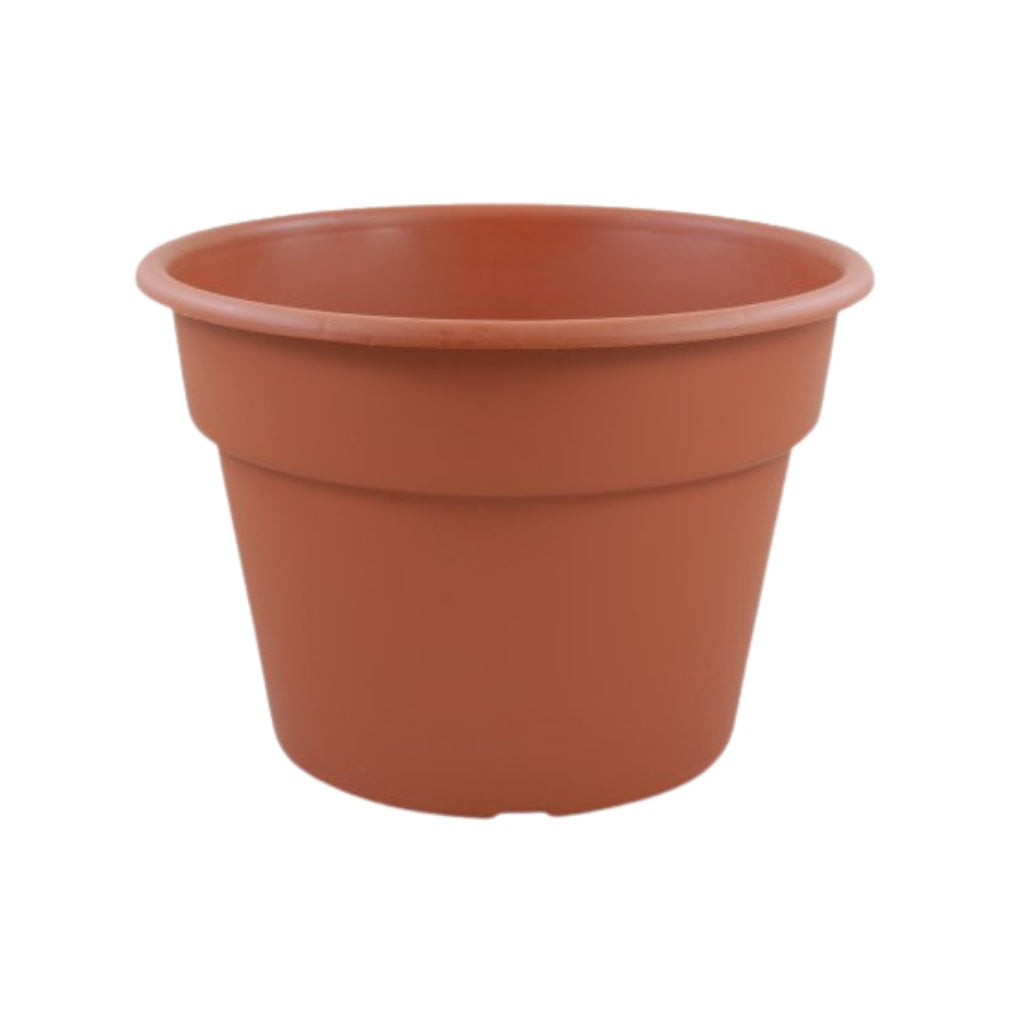
- Best for indoor tropicals: plastic pots with drainage and saucer.
- Best for outdoor, wind-prone spots: heavy clay or thick plastic plant containers.
- Best for propagation: clear or thin plastic nursery pots to monitor root growth.
Shopping tips
- Always choose pots with drainage holes.
- Match pot size to root growth: avoid oversized pots that hold excess moisture.
- Consider double-potting: plastic inside decorative clay to get best of both.
People Also Ask (PAA) style questions
What happens if you use clay pots for all plants?
Most plants will be fine, but moisture-loving species will need more frequent watering. Clay helps prevent overwatering but can stress thirstier plants in dry climates.
Can I put plastic pots outside in winter?
Yes, but thin plastic can become brittle in freezing temperatures. Move expensive or thin plastic pots to a protected spot or bring them indoors.
Are glazed clay pots different from terracotta?
Yes. Glazed clay is less porous and holds moisture longer than unglazed terracotta, so glazed pots behave more like plastic for water retention.
Does plastic cause root rot?
Plastic alone does not cause root rot; overwatering and poor drainage do. Use drainage holes and the right soil to prevent rot.
How do I stop mineral buildup on clay pots?
Soak the pot in a vinegar solution and scrub gently. Rinse well and allow to dry before replanting.
Frequently Asked Questions about clay vs plastic pots
Are clay pots better for succulents than plastic ones?
Clay pots are usually better because they allow soil to dry faster, which suits succulents. However, if you live in a very dry area, plastic may reduce watering needs.
Do plastic pots harm plant roots?
Plastic pots do not harm roots when used correctly. Problems arise with overwatering or poor drainage, not from the plastic material itself.
Can I reuse clay pots from old plants?
Yes. Clean them well, remove salt buildup, and sterilize with a mild bleach solution if disease was present. Let them dry fully before reuse.
Should I drill holes in a plastic pot?
If the plastic pot lacks sufficient drainage, adding holes helps prevent waterlogging. Use a heated metal rod or drill with a proper bit for clean holes.
Which pot type saves money long term?
Plastic often saves money up front and lasts longer if not left in sun or frost. Clay can last decades but may chip or crack, affecting long-term cost.
Is it okay to paint or seal clay pots?
Yes, you can paint or seal clay pots with non-toxic, outdoor-grade paint or sealant. Sealing reduces porosity and changes watering needs, so adjust care accordingly.
Conclusion
Choosing between clay vs plastic pots comes down to plant needs, climate, and your schedule. Clay offers great aeration and a classic look but needs more water and care. Plastic is light, cheap, and holds moisture, making it a practical choice for many indoor and mobile setups. Try both: use plastic for propagation and clay for mature, drought-tolerant plants. Test one change at a time, watch your plant’s response, and adjust accordingly. Share your results or questions below, and consider subscribing for more hands-on plant care tips.