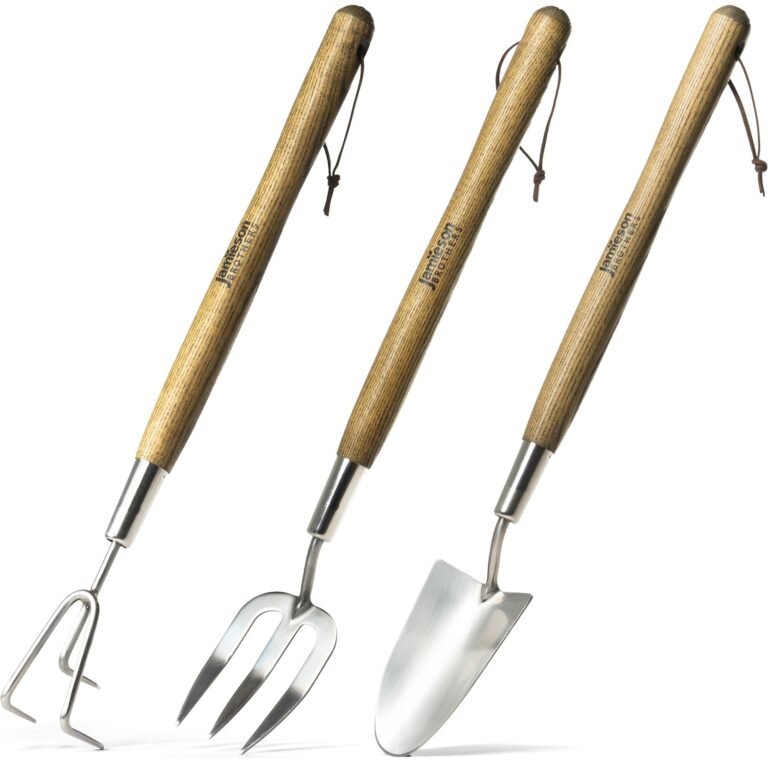
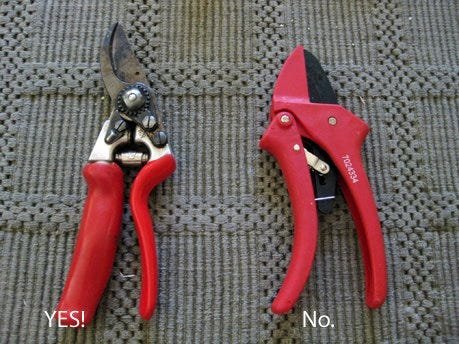
Garden scissors suit light, precise snips; pruning shears handle thicker stems and woody growth.
If you have ever stood in the yard holding two similar tools and wondering which one you really need, you are not alone. Garden scissors vs pruning shears is a simple question with a surprisingly important answer, because the right tool can protect plant health, save your hands, and make every cut cleaner and easier.
:max_bytes(150000):strip_icc()/spr-tier-3-primary-best-pruners-ebrockob-001-48c9346d79924ea79c8a5366c43f9604.jpeg)
What Garden Scissors Are Best For
Garden scissors are made for fine, controlled cutting. They work well on soft stems, herbs, flowers, and delicate houseplants. In my own yard work, I reach for garden scissors when I am shaping basil, deadheading marigolds, or trimming stringy growth that does not need force.
They are usually lighter and easier to guide than pruning shears. That makes them a smart choice when accuracy matters more than power. If you need neat cuts in tight spaces, garden scissors often feel like the small paintbrush in a toolbox full of rollers.
Common uses include:
- Snipping herbs for the kitchen
- Deadheading blooms
- Trimming thin vines
- Shaping small plants
- Cutting soft stems and tender growth
Garden scissors are not built for thick branches. If you try to force them through woody stems, you can crush the plant tissue and wear out the blades fast. That is one of the most common mistakes I see with new gardeners.

What Pruning Shears Are Best For
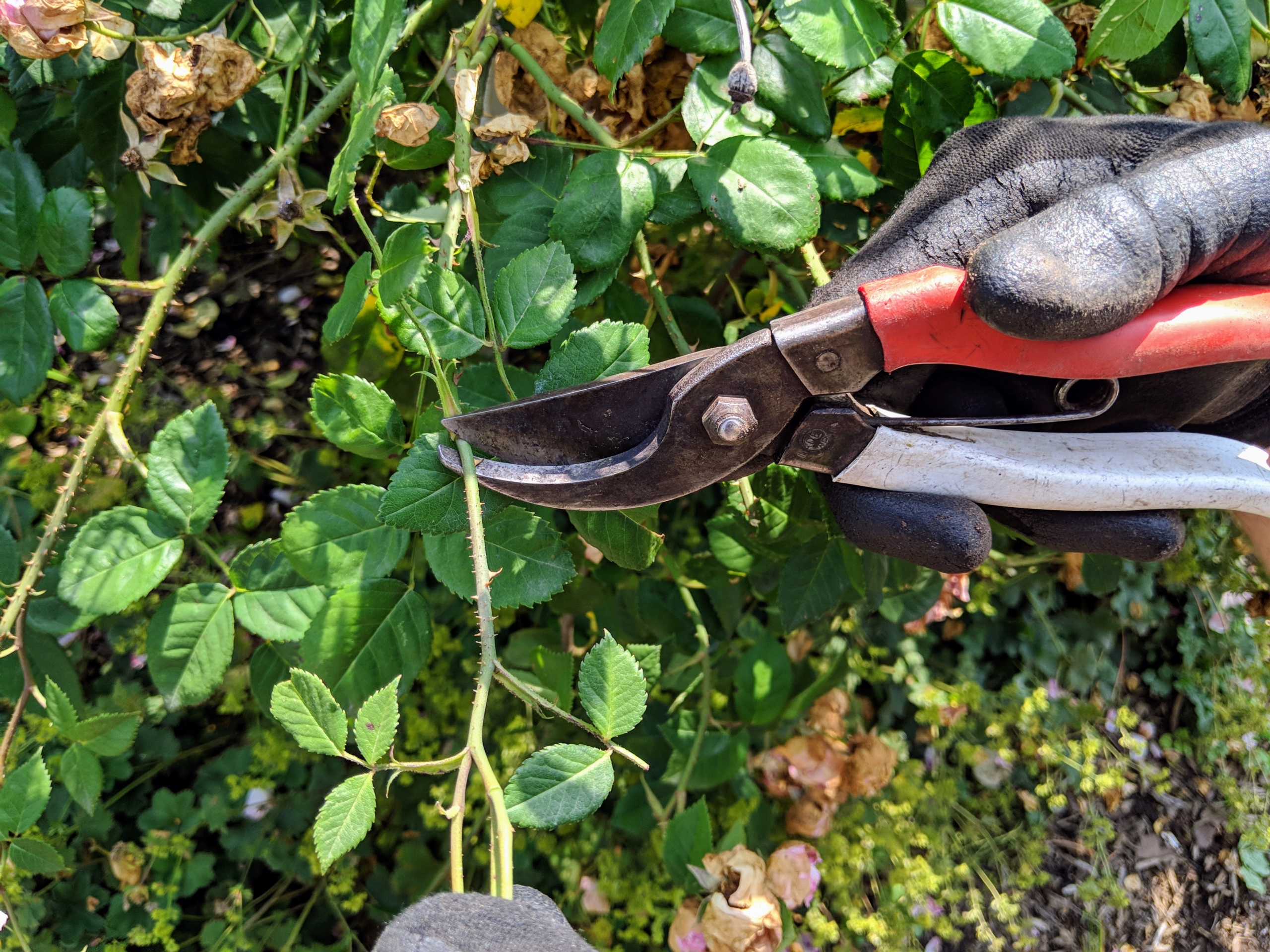
Pruning shears, sometimes called hand pruners, are designed for tougher jobs. They have stronger blades and more leverage, so they can cut thicker stems, small branches, and woody growth with less strain. When I prune rose canes or cut back tomato stems, pruning shears are the tool I trust most.
They are built to make cleaner cuts on stronger plant material. That matters because a clean cut heals better than a ragged one. According to general horticulture guidance used by extension programs, clean pruning cuts help reduce plant stress and lower the chance of disease entry.
Pruning shears are ideal for:
- Small branches
- Woody stems
- Roses and shrubs
- Fruit tree shoots
- Harder stems that garden scissors cannot handle
There are a few types of pruning shears, including bypass and anvil styles. Bypass shears act like scissors and are usually better for live plants. Anvil shears crush against a flat surface and can work well on dead wood, but they are less gentle on fresh growth.
Garden Scissors vs Pruning Shears: The Main Differences
The biggest difference in garden scissors vs pruning shears is cutting power. Garden scissors are made for light, precise work, while pruning shears are made for stronger cuts. That one difference affects comfort, cut quality, and what plants each tool can handle.
Here is a simple comparison:
- Garden scissors are best for soft stems and detail work
- Pruning shears are best for thicker, woody, or tougher stems
- Garden scissors usually have smaller blades
- Pruning shears have more leverage and stronger handles
- Garden scissors are better for shaping and harvesting
- Pruning shears are better for pruning and plant maintenance
Another difference is hand fatigue. I have found that garden scissors are easier for quick tasks, but pruning shears win when I need to make repeated cuts on thicker material. The extra leverage really saves your hand and wrist.
Blade size also matters. Smaller blades give more control in tight spots, while larger blades give more force. Think of it like writing with a fine pen versus using a marker. Both are useful, but not for the same job.
How to Choose the Right Tool for the Job
Choosing between garden scissors vs pruning shears comes down to the plant and the cut. If the stem bends easily and feels soft, garden scissors are usually enough. If the stem resists and feels woody, go with pruning shears.
A quick rule I use in the garden:
- Use garden scissors for soft, green growth
- Use pruning shears for stems that need pressure to cut
- If you are unsure, test the thickness first
- If the cut feels forced, switch tools
- If the blade leaves a crushed edge, the tool is probably wrong for the job
You should also think about your hand strength. Smaller hands or weak grip strength may prefer lighter garden scissors for light tasks, while pruning shears with spring-loaded handles can reduce strain for bigger jobs. Tool comfort is not a luxury; it affects how well you prune and how long you can work.
Which One Is Better for Plant Health
For plant health, the right tool is the one that makes a clean cut. That is the real goal in the garden scissors vs pruning shears debate. A sharp blade used properly is far better than a dull tool used on the wrong stem.
Garden scissors are gentle on soft growth, but they can fail on thicker stems. Pruning shears are more suitable for live woody stems because they create a cleaner cut with less crushing. Clean cuts help plants recover faster and lower the risk of rot or infection.
Here is what I have learned over time:
- Dull blades do more harm than the wrong brand name ever will
- A clean cut is more important than tool size alone
- Sanitary tools matter when pruning diseased plants
- Wiping blades between plants can help limit disease spread
Many gardening experts recommend keeping blades sharp and clean. That advice is simple, but it is one of the best habits a gardener can build.
Maintenance Tips for Both Tools
Both garden scissors and pruning shears need care if you want them to last. I learned this the hard way after leaving a pair of pruners damp in a shed and finding rust later. Since then, I treat tool care like part of the job, not an extra chore.
Helpful maintenance steps include:
- Wipe blades after each use
- Dry tools before storing them
- Sharpen blades when cuts start to feel rough
- Oil the pivot point to keep movement smooth
- Check screws and springs for looseness
- Sanitize blades after cutting diseased plants
Storing tools in a dry place also helps prevent rust. If you garden often, a quick cleaning routine can save money and improve cutting performance. A well-kept pair of shears feels almost effortless compared with a neglected one.

Common Mistakes to Avoid
A lot of frustration with garden scissors vs pruning shears comes from using them the wrong way. The mistake is usually not the tool itself, but the match between the tool and the task. I have seen people try to “make do” with scissors for thicker stems, and the plant usually pays the price.
Avoid these mistakes:
- Using garden scissors on woody branches
- Using dull blades on live plants
- Pruning too close to the stem base and damaging tissue
- Cutting wet, dirty plants without cleaning tools
- Ignoring hand comfort and tool weight
- Storing tools while they are still damp
Another common issue is buying a tool based only on looks. A shiny handle does not matter if the grip hurts after ten minutes. Practical comfort is worth more than style in real garden work.
Which One Should You Buy First
If you are starting from scratch, pruning shears are usually the better first purchase for most home gardeners. They are more versatile for general pruning and can handle a wider range of tasks. Garden scissors are still very useful, but they are more specialized.
A simple buying guide:
- Choose pruning shears first if you prune shrubs, roses, or small branches
- Choose garden scissors first if you mainly harvest herbs and deadhead flowers
- Get both if you garden often and want faster, cleaner work
- Look for sharp stainless steel blades and a comfortable grip
- Pick a tool that fits your hand well
For most people, the best setup is one good pair of pruning shears and one sturdy pair of garden scissors. That combination covers nearly everything in a small to medium garden.
Frequently Asked Questions of garden scissors vs pruning shears
Can garden scissors replace pruning shears?
Not really. Garden scissors work well for soft stems and light trimming, but they are not built for thicker or woody growth. If you force them, you may damage both the plant and the tool.
Are pruning shears better for roses?
Yes, pruning shears are usually better for roses. They provide the leverage needed for woody stems and make cleaner cuts, which is important for healthy rose growth.
Can I use pruning shears for herbs?
You can, but they may feel bulky for tiny herb stems. Garden scissors are usually easier and more precise for harvesting basil, parsley, or chives.
Which tool is safer to use?
Both can be safe when used properly. Garden scissors are often easier for light tasks, while pruning shears need more care because they can cut thicker material with more force.
How often should I sharpen these tools?
Sharpen them whenever they stop making clean cuts. For regular gardeners, checking them a few times per season is a good habit, and heavy users may need more frequent care.
Conclusion
When you compare garden scissors vs pruning shears, the best choice depends on the job in front of you. Garden scissors are ideal for light, detailed work, while pruning shears are the stronger, more versatile option for thicker stems and woody growth.
If you want healthier plants and easier garden work, match the tool to the stem, keep the blades sharp, and clean your tools often. That small habit can make a big difference in how your garden looks and grows. If this guide helped, take a look at your current tools, make one smart upgrade, and share your own pruning tips in the comments.