Water most plants when the top 1–2 inches of soil dry; adjust by plant type and season.
I’ve worked with houseplants and garden beds for over a decade. I will walk you through how often to water plants properly and why one rule does not fit all. This guide explains soil checks, plant needs, seasonal changes, common mistakes, and easy schedules you can use. Read on to learn clear, tested steps to keep your plants healthy and thriving.

How often to water plants properly: the simple rule and why it varies
There is no single watering frequency that fits every plant. The short rule is to water when the top 1–2 inches of soil are dry for most houseplants and more deeply for outdoor plants. How often to water plants properly depends on pot size, soil mix, humidity, light, and plant type.
Plants in small pots or sandy mixes dry fast. Big pots and loam hold water longer. A succulent needs a very different schedule than a fern. Use the simple rule as a start. Then adjust by watching the plant and checking the soil.
Key factors that determine how often to water plants properly
Watering frequency changes with many factors. Check these each time you plan to water.
- Plant species and growth stage
- Young plants and seedlings often need more frequent, light watering.
- Mature plants usually need deeper, less frequent water.
- Pot and soil type
- Terracotta pots dry faster than plastic.
- Fast-draining mixes need more frequent watering than dense mixes.
- Light and temperature
- Bright light and heat increase water use.
- Low light slows evaporation and plant use.
- Humidity and airflow
- Dry, windy rooms and outdoors increase need for water.
- High humidity reduces watering frequency.
- Seasonal changes
- Spring and summer: plants grow more and use more water.
- Fall and winter: many plants slow growth and need less water.
When you ask how often to water plants properly, think of these factors. They tell you to water by need, not by a fixed schedule.
 watering”
style=”max-width: 100%; height: auto; border: 2px solid black; border-radius: 10px; display: block; margin: 0 auto;”
loading=”lazy”
/>
How to check soil and plant signals before watering
A simple soil check beats a calendar. Use these quick checks often.
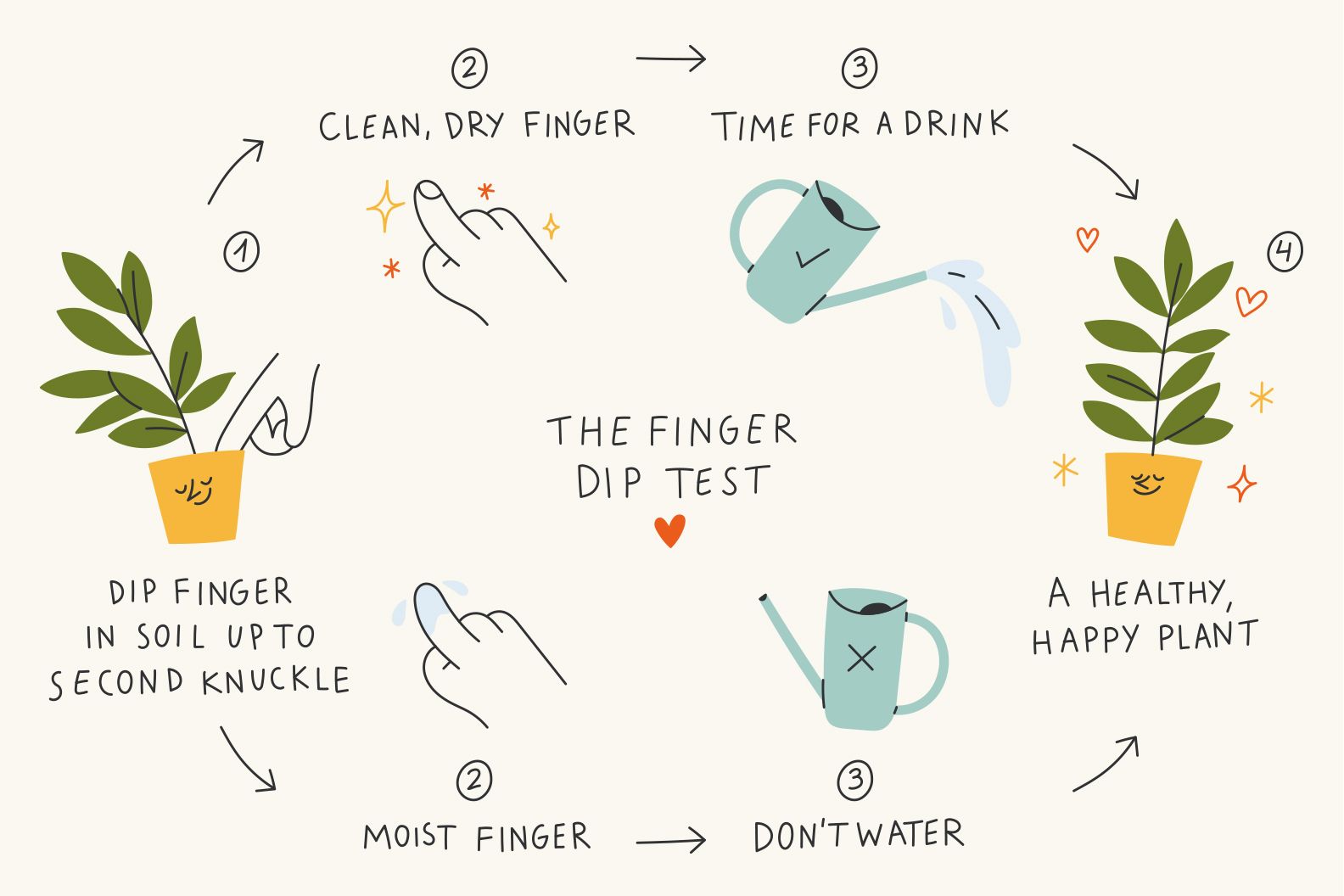
- Finger test
- Stick a finger 1–2 inches into the soil. If it feels dry, water. If it’s cool or moist, wait.
- Weight test
- Lift the pot. A light pot is often dry. A heavy pot usually still holds water.
- Moisture meter
- Use a meter for deeper accuracy. Insert to root level for best reading.
- Visual and leaf cues
- Wilting, yellowing, or crisp edges can mean under- or over-watering. Check soil first.
- Root check
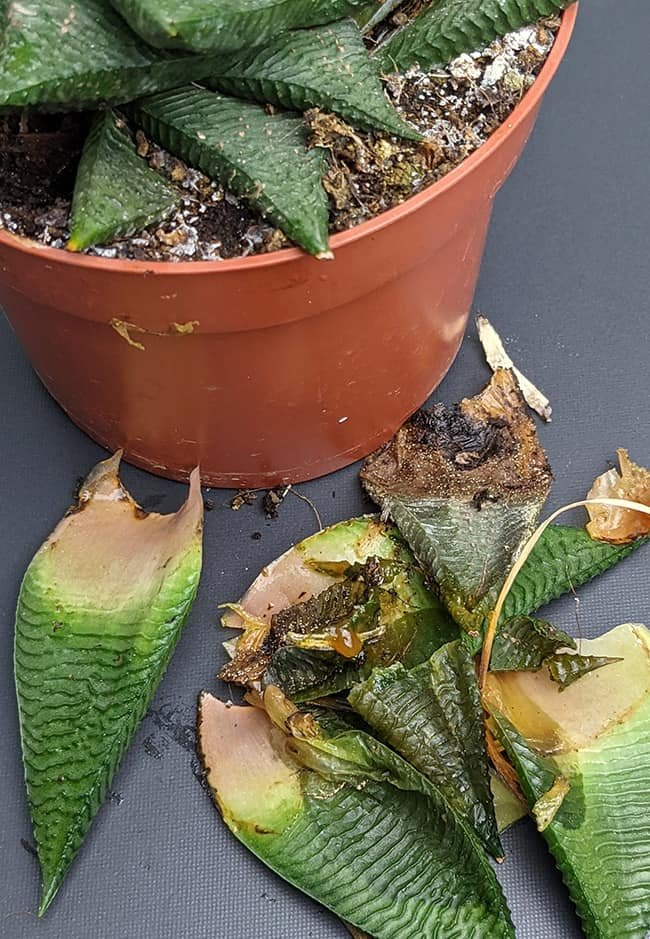
- If repotting, inspect roots. Healthy roots are firm and white. Brown, mushy roots mean over-watering.
These checks help you answer how often to water plants properly for each plant. They cut guesswork and prevent damage.
Watering methods and schedules that work
Choose a method that matches the plant’s needs. These methods affect how often to water plants properly.
- Top watering
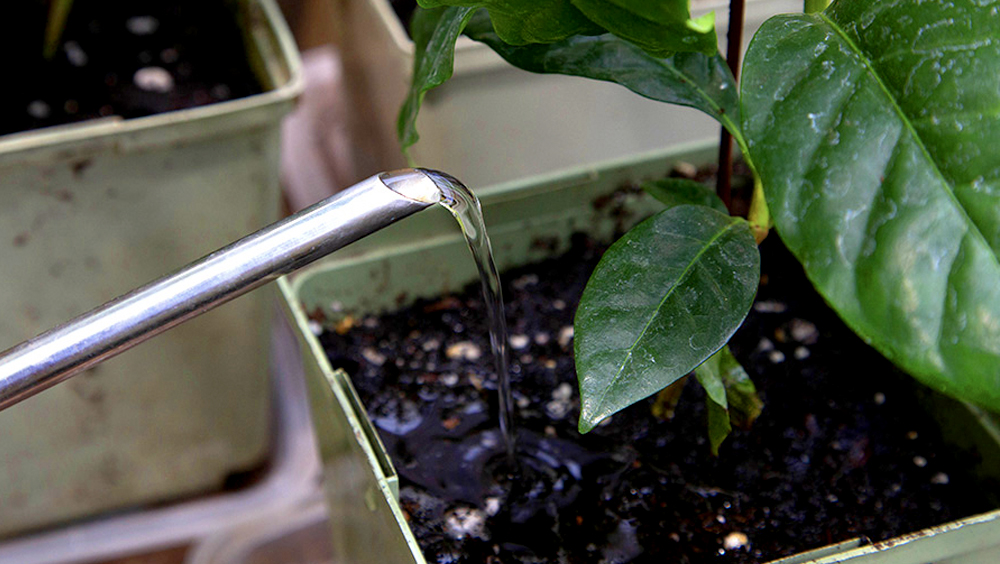
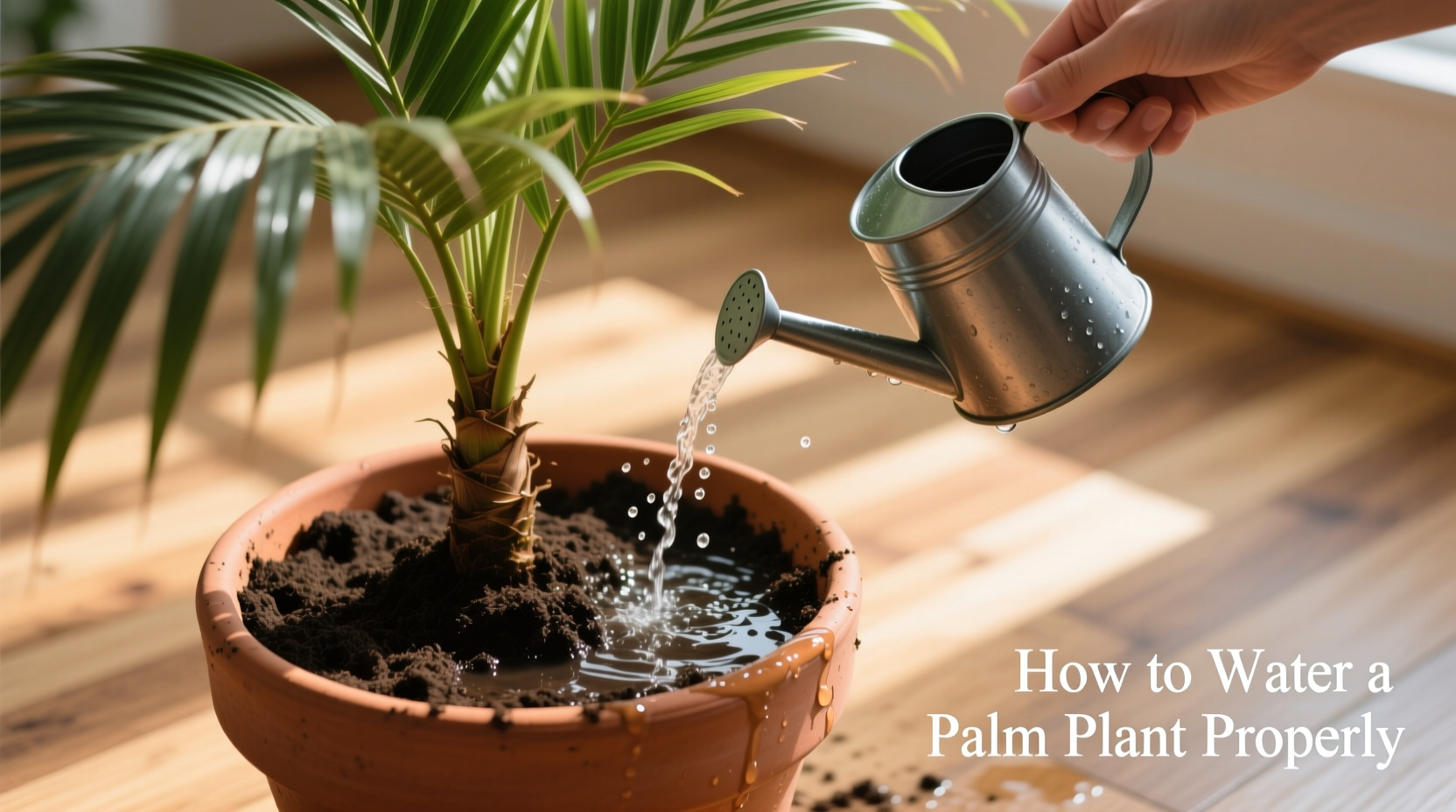
- Pour water until it drains from the pot’s holes. Good for most houseplants.
- Bottom watering
- Place the pot in a tray of water and let roots draw water up. Good for drought-prone plants or to encourage deep root growth.
- Soak and dry
- Water thoroughly, let the soil dry to the recommended depth, then repeat. Best for many potted plants.
- Frequent light misting
- Use for humidity-loving plants but not as a main watering method.
- Deep soak for garden beds
- Water slowly and deeply to wet roots 6–12 inches down. This reduces how often you water.
A sample schedule for reference, not a rule:
- Succulents: water deeply, then wait 2–4 weeks.
- Tropical houseplants: water when top 1–2 inches dry, usually weekly.
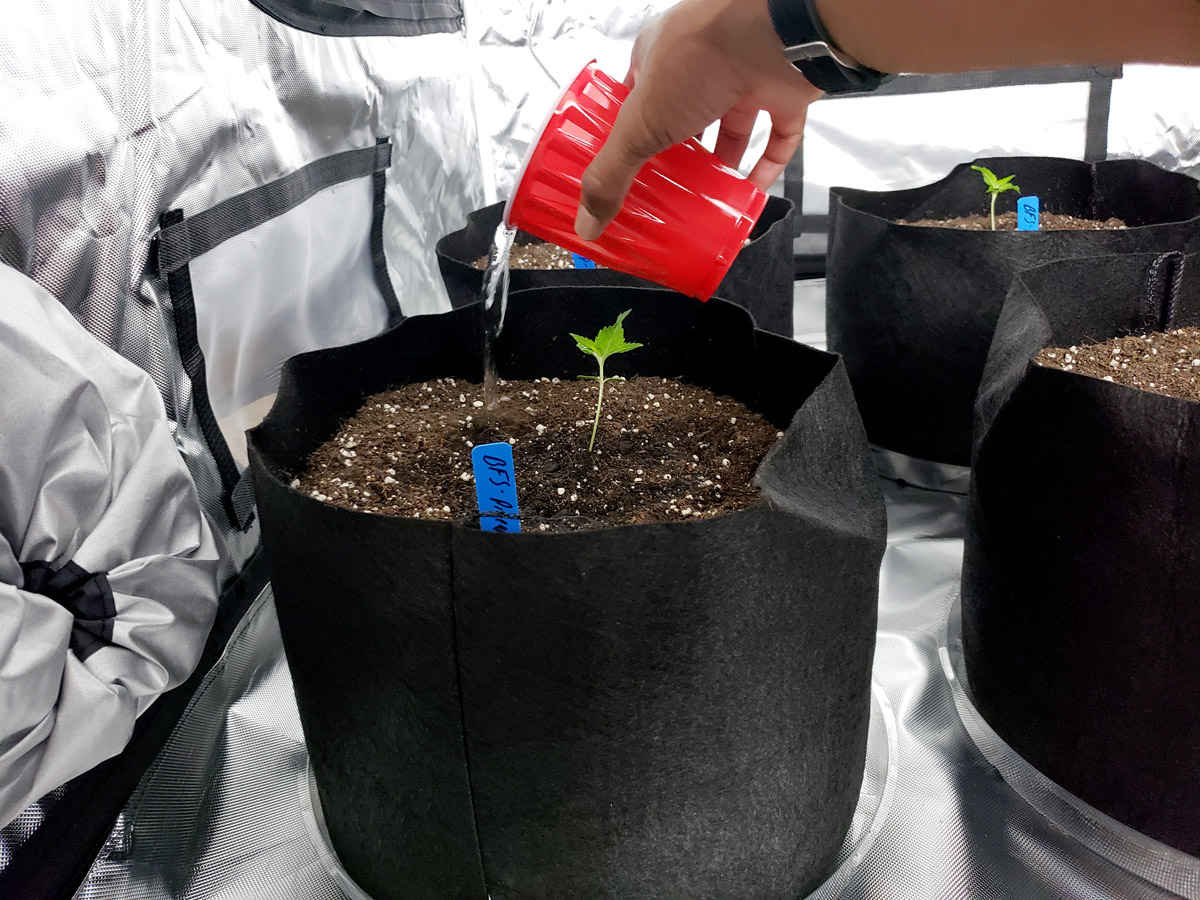
- Seedlings: light watering daily or every other day.
Adjust these by how often to water plants properly for your conditions.
Source: growweedeasy.com
Seasonal and plant-type watering guides
Seasons change water needs. So do plant families.
- Spring and summer
- Most plants grow fast. Water more often and monitor daily for indoor plants.
- Fall and winter
- Growth slows. Water less, and check soil twice before watering.
- Cacti and succulents
- Water every 2–4 weeks in warm months. In winter, water once every 6–8 weeks.
- Ferns and moisture lovers
- Keep soil slightly moist. Water more often and raise humidity.
- Flowering plants
- Water more during bud and bloom times. Ensure steady moisture but avoid soggy soil.
Use these guides as starting points. Always adapt based on how often to water plants properly in your specific home or garden.

Common mistakes and how to avoid them
Avoid these errors to get watering right.
- Watering on a fixed schedule without checking soil
- This leads to over- or under-watering.
- Using the wrong pot or soil
- Heavy, compact soil holds too much water. Fast-draining mixes are better for many pots.
- Shallow, frequent surface watering
- Encourages weak, shallow roots. Water deeply to promote strong roots.
- Ignoring signs of stress
- Leaves change color for many reasons. Always check soil and roots before assuming pests or disease.
- Overreacting to one wilted leaf
- One floppy leaf is not always a crisis. Look for patterns over days.
Fix these and you will better know how often to water plants properly.

Personal experience: lessons I learned
I once overwatered a fiddle-leaf fig by sticking to a weekly routine. The leaves yellowed and dropped. I stopped following a calendar. I began using the finger and weight tests. The plant recovered in weeks.
Things that helped me:
- Learn each plant’s preferred soil.
- Keep a small notebook with watering dates and plant condition.
- Use saucers and trays to prevent root rot.
These simple steps improved my plant success and taught me how often to water plants properly by observation and records.
Source: alibaba.com
PAA-style questions (short answers)
How often should I water plants that sit in full sun?
Water more often. Full sun dries soil faster, so check the top 1–2 inches daily and water when dry.
Can I water plants every day to be safe?
Daily watering can harm many plants. Most plants prefer deep, less frequent water rather than daily shallow watering.
How do I know if I overwater or underwater?
Overwatered plants often have yellow leaves and mushy roots; underwatered plants wilt and have dry soil. Check soil and roots to confirm.
Frequently Asked Questions of how often to water plants properly
What is the best way to learn how often to water plants properly for a new plant?
Start with the plant label care instructions. Then use the finger test and watch the plant’s leaves and soil moisture for two to three weeks.
How does pot size affect how often to water plants properly?
Smaller pots dry faster and need water more often. Larger pots hold more moisture and need less frequent watering.
Do I need to water indoor plants less in winter?
Yes. Most indoor plants slow growth in winter and need less water. Check soil before each watering.
Can tap water harm my plants if I water often?
Tap water is usually fine for most plants. Let very hard or chlorinated water sit out for 24 hours or use filtered water for sensitive species.
How should I adjust watering during a heatwave?
Increase checks and water more often. Use deep, slow watering to keep roots cool and moist during extreme heat.
Conclusion
Watering is part science and part feeling. The best answer to how often to water plants properly is to check soil, know the plant, and adjust for pot, light, and season. Start with the top 1–2 inch rule for houseplants, use simple tests, and change your approach as plants grow or seasons shift. Try one change at a time, keep a short log, and watch how your plants respond. If you found this guide helpful, try the finger and weight tests today, share your results below, or subscribe for more practical plant care tips.