Compost beats fertilizer for long-term soil health, while fertilizer boosts quick nutrient needs.
I’ve spent years growing vegetables and testing soil mixes, so I know what works. This guide on compost vs fertilizer for vegetable garden breaks down the science, the real-world results, and easy steps you can use. You’ll learn when to rely on compost, when to use fertilizer, and how to blend both for bigger, healthier harvests. Read on for clear advice, practical tips, and mistakes I learned from trial and error.
Understanding compost and fertilizer
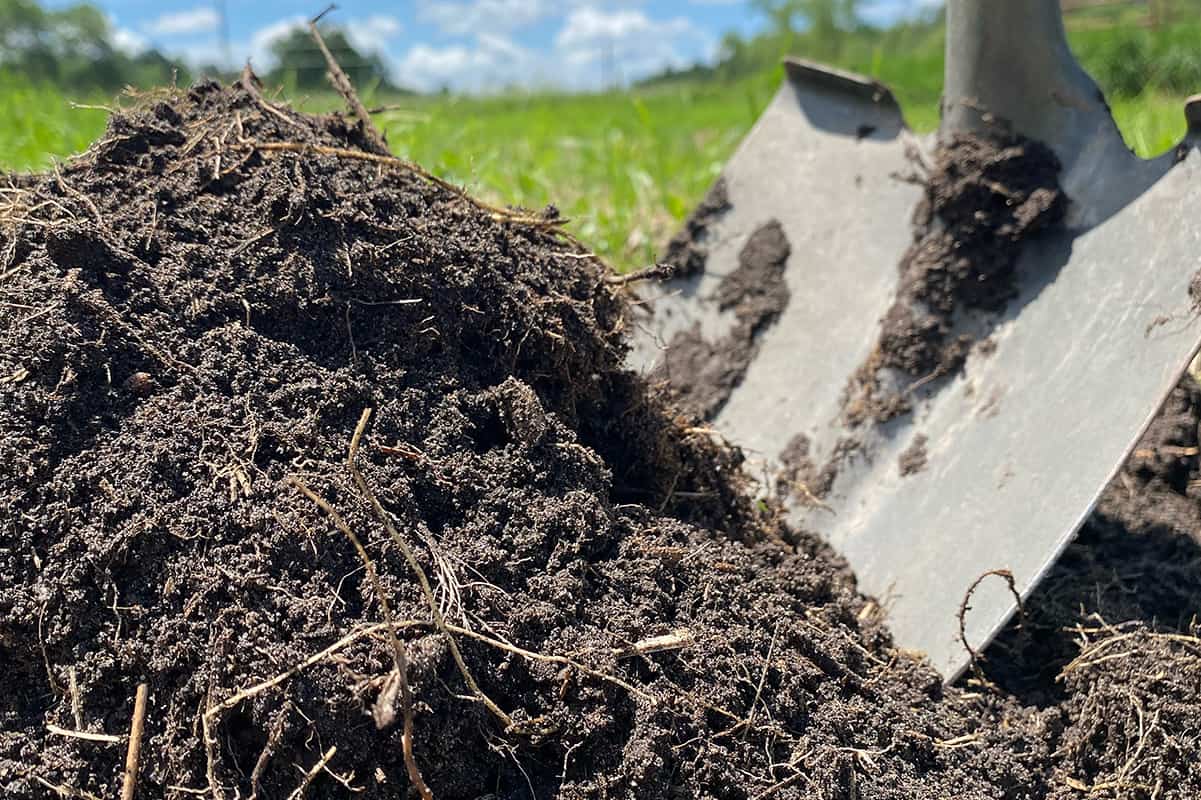
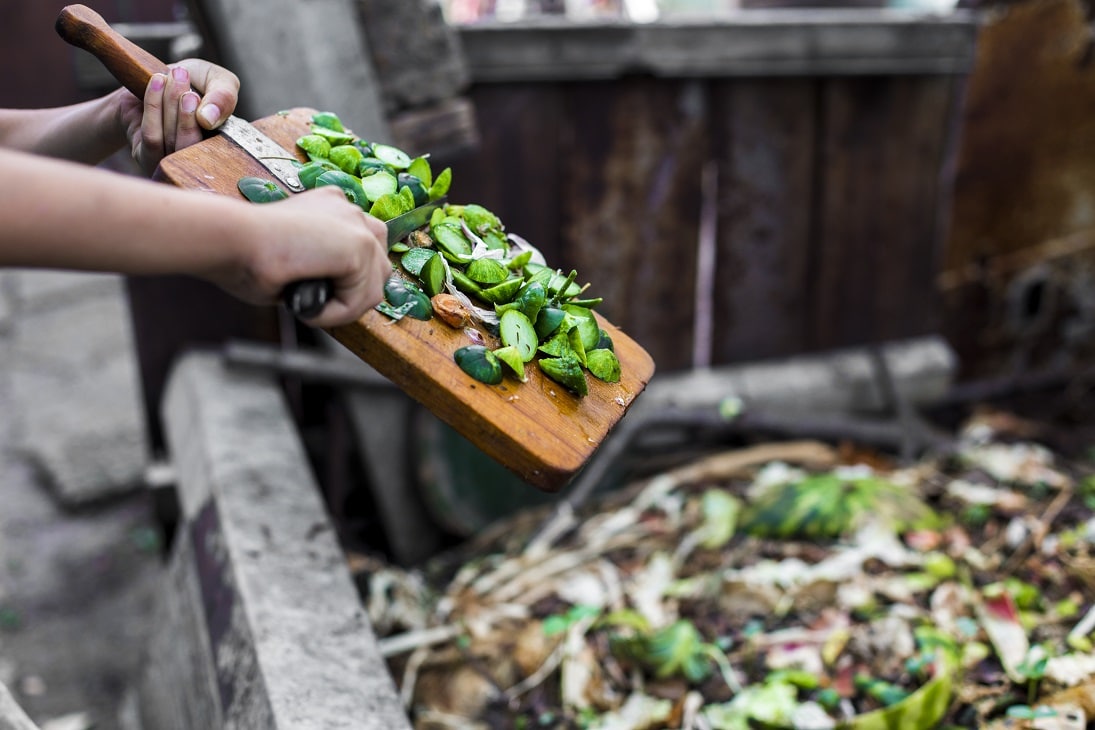
Compost is decomposed organic matter. It adds organic carbon, beneficial microbes, and slow-release nutrients. Compost improves soil structure, water retention, and long-term fertility.
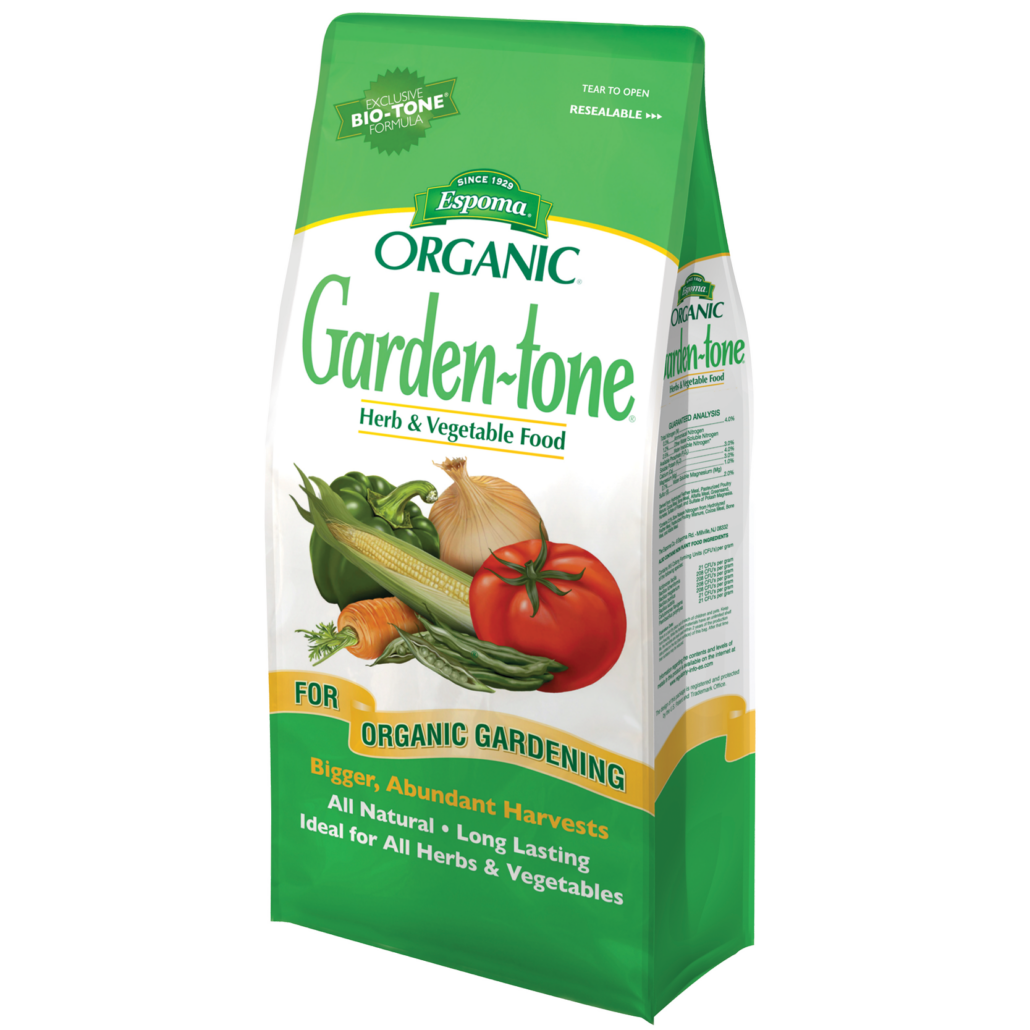
Fertilizer supplies concentrated nutrients. It can be organic or synthetic. Fertilizer targets nitrogen, phosphorus, and potassium for faster plant response.
Knowing compost vs fertilizer for vegetable garden helps you make smart choices. Compost builds soil over seasons. Fertilizer fills immediate nutrient gaps. Use both with a plan for best results.
Key differences: nutrient timing, effect, and cost
- Nutrient release
- Compost releases nutrients slowly as microbes break it down.
- Fertilizer releases nutrients quickly, especially soluble formulas.
- Soil health
- Compost improves structure and microbial life.
- Fertilizer does not add organic matter and can harm microbes if overused.
- Cost and labor
- Compost is cheap if you make it yourself, but it takes time.
- Fertilizer is easy to buy and fast to apply.
- Environmental impact
- Compost reduces waste and erosion.
- Overuse of synthetic fertilizer can cause runoff and groundwater issues.
These contrasts explain when compost vs fertilizer for vegetable garden is the right choice. Compost wins for soil. Fertilizer wins for speed.

When to use compost vs fertilizer for vegetable garden
- For new beds and long-term health
- Use generous compost when preparing new beds. It creates a rich base for years.
- For fast growth or blooms
- Use balanced fertilizer when plants show deficiency or need a push.
- After a soil test
- Use fertilizer to correct specific nutrient deficiencies found in a soil test.
- During heavy feeding stages
- Side-dress with fertilizer in mid-season for heavy feeders like tomatoes and corn.
- For everyday maintenance
- Topdress with compost each season to maintain soil biology.
I once planted tomatoes in a bed with only fertilizer. The plants grew fast but soil became compacted over two seasons. Adding compost changed that in one year. Trust the compost vs fertilizer for vegetable garden balance to avoid repeat mistakes.

How to apply compost and fertilizer
- Applying compost
- Spread a 1 to 3 inch layer of finished compost on top of beds in spring or fall.
- Lightly fork in the top 2 to 4 inches if you want faster integration.
- Use compost as mulch to suppress weeds and retain moisture.
- Applying granular fertilizer
- Follow label rates and broadcast or band it near rows.
- Water after application to move nutrients into the root zone.
- Applying liquid fertilizer
- Use diluted rates to avoid burning plants.
- Foliar feeds give quick correction for deficiencies.
- Side-dressing
- Add fertilizer or compost around plants mid-season for a nutrient boost.
Safety tip: avoid fresh, raw compost on seedlings; it can burn roots or rob nitrogen until it stabilizes. Use finished compost only. This practical mix of compost vs fertilizer for vegetable garden helps you time applications for best uptake.

Benefits and limitations
- Benefits of compost
- Builds soil structure and increases water-holding capacity.
- Supports beneficial microbes and reduces erosion.
- Low risk of nutrient burn and long-lasting benefits.
- Limitations of compost
- Slow nutrient release and variable nutrient content.
- Requires space, time, and management to produce well.
- Benefits of fertilizer
- Predictable nutrient levels and fast plant response.
- Useful for correcting specific deficiencies quickly.
- Limitations of fertilizer
- Can salt-burn plants if over-applied.
- May harm soil biology and cause runoff if misused.
Understanding compost vs fertilizer for vegetable garden by weighing these pros and cons will help you design a feeding plan that fits your garden goals.
Mixing strategies: using compost and fertilizer together
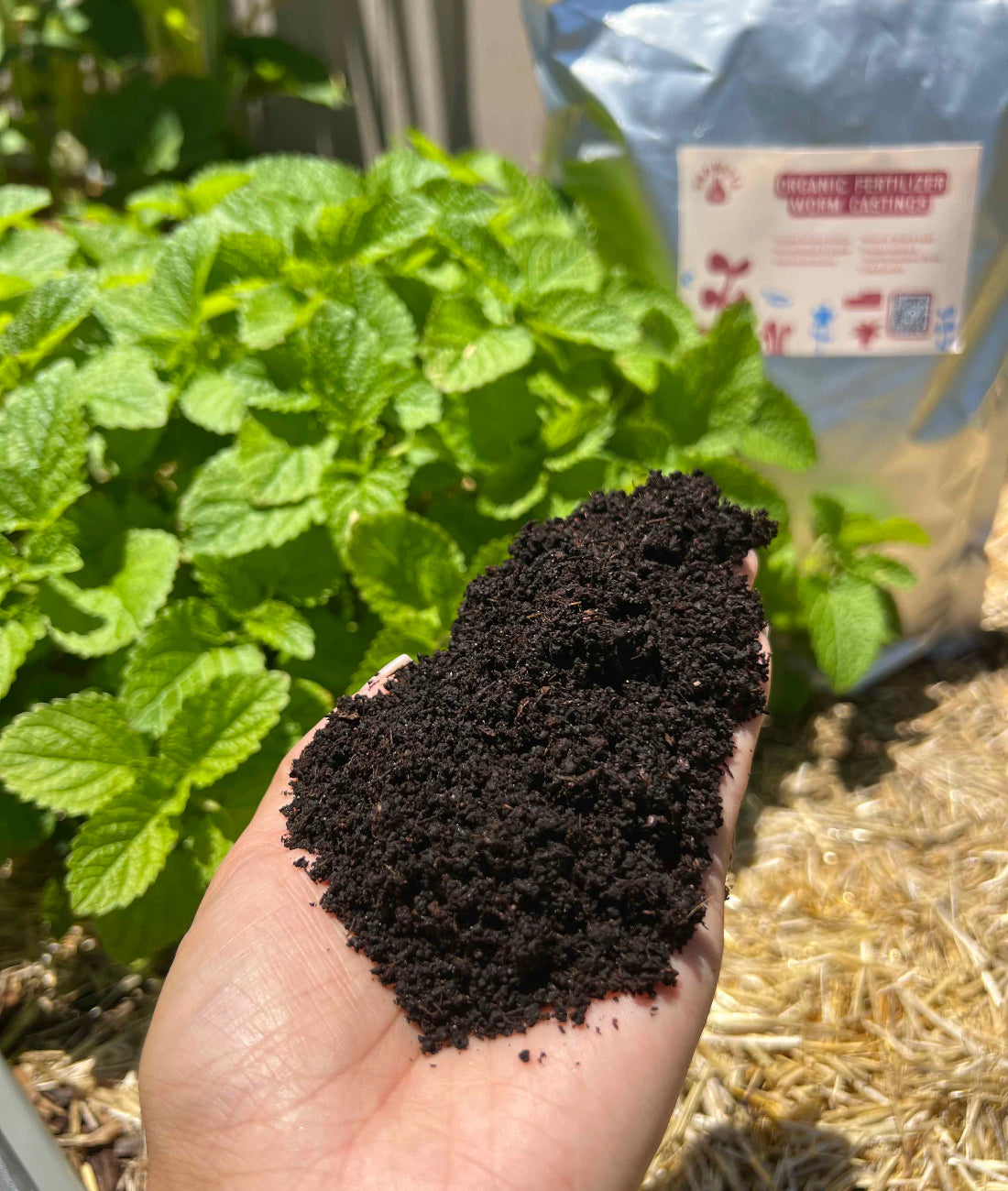
- Start with compost
- Build a base layer of compost when creating or renovating beds.
- Use fertilizer selectively
- Apply targeted fertilizer when plant tests or symptoms show a need.
- Combine for transplants
- Mix a small amount of compost into planting holes and use a light starter fertilizer if needed.
- Seasonal plan example
- Fall: add compost to beds.
- Spring: side-dress young plants with compost tea or light fertilizer.
- Mid-season: assess plants and apply corrective fertilizer if required.
My tip: I use compost every year and only add fertilizer after I see signs of deficiency or a soil test says so. This keeps my soil lively and avoids wasting fertilizer. This balanced view of compost vs fertilizer for vegetable garden is both practical and sustainable.

Common mistakes and troubleshooting
- Over-relying on fertilizer
- Symptoms include salt buildup and poor soil structure.
- Fix by flushing with water and adding compost.
- Using raw or unfinished compost
- Can cause nitrogen tie-up or pathogen issues.
- Use finished compost with an earthy smell and crumbly texture.
- Ignoring soil tests
- Guessing fertilizer needs can lead to imbalances.
- Test and follow results for cost-effective solutions.
- Applying at the wrong time
- Fertilizer at planting can burn seeds or young roots.
- Apply with care and follow label guidance.
When you compare compost vs fertilizer for vegetable garden, learn from mistakes I made: never assume more fertilizer equals more food. Often, improving soil with compost yields better results than extra fertilizer.
Frequently Asked Questions of compost vs fertilizer for vegetable garden
What is better for soil health, compost or fertilizer?
Compost is better for long-term soil health because it adds organic matter and supports microbes. Fertilizer supplies nutrients but does not improve structure.
Can I use both compost and fertilizer together?
Yes. Use compost to build soil and fertilizer to correct specific needs or provide quick nutrients during peak growth. Combine them carefully to avoid excess.
How much compost should I add to a vegetable garden?
Spread 1 to 3 inches of finished compost over beds annually. Lightly work it into the topsoil or use it as a mulch for slow release.
Will fertilizer harm my plants if I use compost too?
Finished compost rarely harms plants. Fresh, hot compost or excessive fertilizer can burn roots, so always use finished compost and follow fertilizer rates.
How do I know when my garden needs fertilizer?
Look for pale leaves, slow growth, or a soil test showing low N-P-K levels. Use a test before applying fertilizer for best results.
Is compost a complete fertilizer?
Compost contains many nutrients but in low and variable amounts. For precise feeding, pair compost with specific fertilizer based on plant needs.
Conclusion
Choosing between compost vs fertilizer for vegetable garden is not an either-or decision. Compost builds soil, holds water, and feeds microbes for long-term success. Fertilizer fixes short-term nutrient needs and corrects deficiencies quickly. Start with compost as your foundation, test your soil, and use fertilizer only when needed. Try adding a steady layer of finished compost this season and reserve fertilizer for targeted fixes. Share your results, subscribe for more garden tips, or leave a question below to get personalized advice.