Plant bud development is the process by which small groups of growing cells form new shoots, leaves, branches, or flowers. It involves cell division, tissue growth, hormone signals, and environmental changes. A bud may grow at once or remain dormant until conditions are right.
Across the United States, plant buds play a key role in gardens, farms, orchards, and natural forests. An apple tree in the Midwest, a maple in New England, and a cotton plant in the South all rely on buds to produce new growth. These small structures hold the next stage of plant life, even when no leaves or flowers can be seen.
A bud is more than a small bump on a branch. It holds young plant tissue that can form leaves, stems, flowers, or a mix of these parts. Inside the bud, special cells divide and grow. The plant controls this process through hormones, stored food, light, and temperature.
Some buds grow during the same season in which they form. Others develop during one growing season and open during the next. This is common in many trees and shrubs. Knowing how buds form and grow helps gardeners spot healthy growth, time pruning, and understand why some plants fail to flower.
This guide explains the main stages of bud growth, the role of plant hormones, the effects of weather, and the signs of healthy buds. It also covers common problems and simple ways to observe bud growth without harming the plant.
storage.googleapis.com
What Is a Plant Bud and What Does It Do?
A plant bud is a small, undeveloped shoot. It holds young cells that can grow into new plant parts. Most buds form on stems, but some plants also make buds on roots, leaves, or other unusual places.
The main job of a bud is to support new growth. It may produce a leaf, a new branch, a flower, or a group of flowers. Some buds also help plants recover after damage. A dormant bud can stay inactive until the plant needs it.
The key tissue inside a growing bud is called the meristem. A meristem is a group of cells that can divide and make new tissues. These cells are not yet fully formed into leaves, stems, or flowers. They have the ability to develop into different plant parts.
As cells divide, some become leaf tissue, while others form stem parts or flower organs. This change is called cell differentiation. It allows a small bud to become a more complex plant structure.
alamy.com
New shoot growth
A vegetative bud forms a new stem with leaves and may produce side branches.
Flower production
A flower bud forms one flower or a group of flowers called an inflorescence.
Plant recovery
Dormant or hidden buds can produce new shoots after pruning, damage, or the loss of older stems.
Plant shape
Bud growth helps control the height, width, and branch pattern of a plant.
Where Do Plant Buds Form?
Buds form in several places. Their position helps explain what they may do and how they affect the plant. Three common types are terminal, axillary, and adventitious buds.
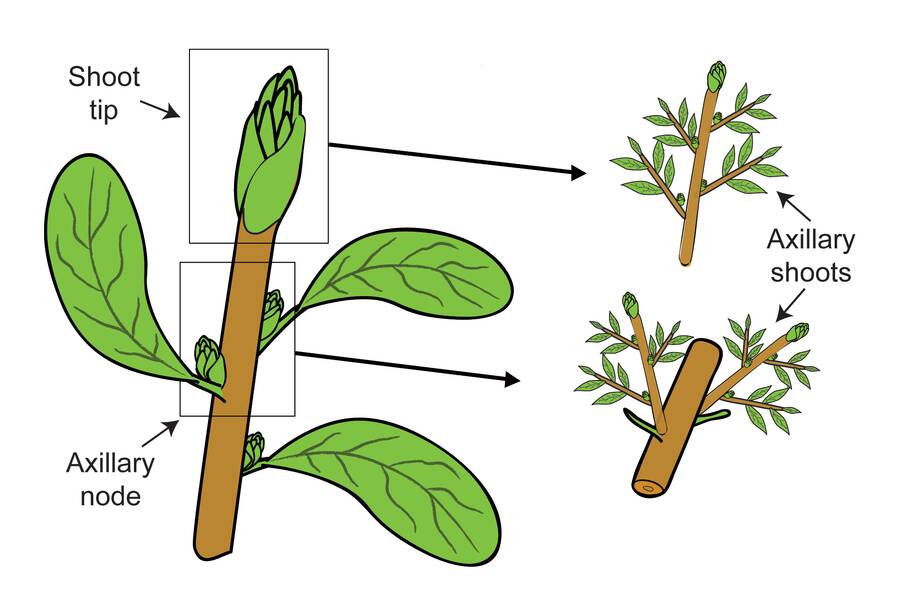
A terminal bud sits at the end of a stem or branch. It helps the shoot grow longer. An axillary bud forms in the small angle between a leaf and the stem. It can grow into a side branch or a flower shoot.
An adventitious bud forms in a place where buds do not usually grow. It may appear on a root, an older stem, or near a wound. These buds can help a plant recover after injury.
Terminal buds
These form at shoot tips and guide upward or outward stem growth.
Axillary buds
These form near leaf joints and can produce side branches or flowers.
Adventitious buds
These form at unusual sites, including roots and injured plant tissues.
What Is Inside a Bud?
A young bud may contain a short stem, tiny leaves, and growing points. A flower bud contains early flower parts. Some buds also have outer scales that protect the soft tissue inside.
Many trees and shrubs in colder parts of the United States form buds with hard outer scales. These scales help reduce water loss and protect young tissue from cold and physical damage. Other plants have naked buds with no hard outer cover. Their young leaves may be green, soft, or covered with fine hairs.
Meristem
This is the active growing tissue that makes new cells.
Leaf primordia
These are tiny early forms of leaves inside a developing vegetative bud.
Bud scales
These are protective outer parts found on many woody plants.
How Does Plant Bud Development Happen?
Plant bud development begins when a growing point forms new cells and starts to build a young shoot. The cells divide, take on new roles, and form small plant parts. The exact steps depend on the species and the type of bud.
A new bud may form while the plant is growing. It can then develop at once or stay small until a later season. Some plants form much of their next season’s growth inside buds before winter. Other plants keep making new leaves and shoots during the active growing season.
The process can be split into several main stages. These stages help explain how a small group of cells becomes a full shoot or flower.
alamy.com
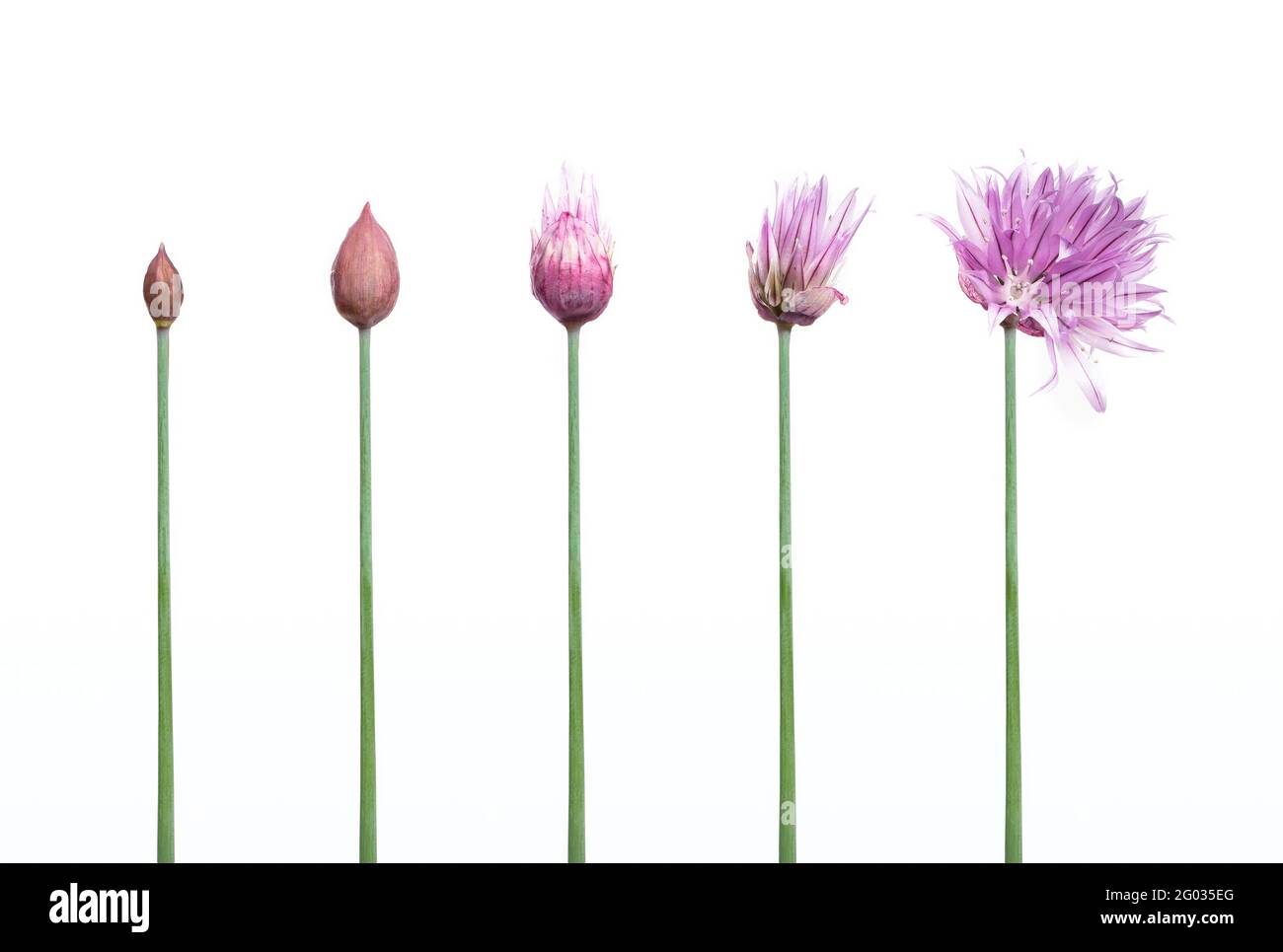
Stage 1: Bud initiation
A growing point begins to form a new bud. Cells divide and create the first parts of a young shoot.
Stage 2: Early tissue formation
The bud starts to form leaf parts, stem tissue, or early flower structures.
Stage 3: Bud growth
The young structures become larger and more distinct. Some buds form protective scales.
Stage 4: Bud maturation
The bud reaches a stage where it can grow at once or enter a resting period.
Stage 5: Bud swelling
When growth starts again, the bud becomes larger as its inner tissues expand.
Stage 6: Bud break
The bud opens and releases young leaves, a shoot, or flower parts.
How Vegetative Buds Develop
A vegetative bud grows into a leafy shoot. Its meristem forms small leaf structures around a young stem. As the bud opens, these leaves spread out and begin to grow.
The stem also becomes longer as its cells expand. New nodes form along the stem. A node is the point where a leaf joins the stem. An axillary bud may form near each node and later produce a side branch.
This process helps plants build their main stems and branch systems. It also creates more leaf area, which helps the plant capture light and make food.
Leaf formation
Small leaf structures grow inside the bud and expand after it opens.
Stem growth
New stem tissue lengthens and creates more space between nodes.
Branch formation
Axillary buds may grow into side shoots and form a wider plant shape.
How Flower Buds Develop
A flower bud follows a different path. Its growing point changes from making leaves and stems to making flower parts. This change is called floral transition. It is often linked to the age of the plant, day length, temperature, and internal signals.
The first step is floral induction. The plant receives signals that tell it to prepare for flowering. The growing point then changes its pattern of growth. This is called floral initiation. After that, small flower parts begin to form. This stage is called floral differentiation.
Flower buds may form long before they open. In many fruit trees, the flower structures begin to develop during the growing season before winter. The buds then rest and finish their growth when warm conditions return.
Grapevines provide a clear example of this process. Their buds begin forming the structures needed for future flower clusters during one growing season. Those structures continue to develop when the buds wake up in the next season.
Floral induction
Internal and outside signals guide the plant toward flower production.
Floral initiation
The growing point changes its role and starts forming a flower or flower cluster.
Floral differentiation
Early flower parts begin to form and take on their own shapes.
What Are Mixed Buds?
Some buds contain both leaf and flower structures. These are called mixed buds. When they open, they may produce a short leafy shoot along with flowers.
Mixed buds are common in some fruit trees. Their growth pattern helps explain why one bud can produce both flowers and new leaves. The exact arrangement depends on the plant species.
Leaf and flower growth
One bud can hold both types of young structures.
Fruit crop value
Mixed buds can support both flowering and the leaf growth needed to feed developing fruit.
What Controls Plant Bud Development?
Plant bud development depends on a mix of internal signals and outside conditions. Hormones guide cell growth and help control which buds become active. Light, temperature, water, and food supplies affect how well this process works.
No single factor controls every bud. A plant may have enough light but lack water. It may have healthy roots but receive the wrong day length for flowering. Bud growth depends on how these factors work together.
freepik.com
Plant hormones
These chemical signals guide cell division, stem growth, branching, flowering, and dormancy.
Light
Light affects food production and can signal when some plants should form flowers or rest.
Temperature
Warmth and cold help control bud growth, dormancy, and the time of bud break.
Water and nutrients
These support cell growth and help the plant build new tissues.
Stored food
Sugars and other reserves help support buds when new leaves are not yet ready to make food.
The Role of Plant Hormones
Plant hormones are signals that help control growth. They work in small amounts, but their effects can shape the whole plant. Several hormones have a direct role in bud growth.
Auxin is made in growing shoot tips. It helps control apical dominance. This is the process by which a main shoot limits the growth of side buds. When the tip is removed, some side buds can begin to grow.
Cytokinins help cells divide and can support the growth of side buds. They often work with auxin to shape branch growth. Gibberellins help with stem growth and can affect flowering in some plants.
Abscisic acid, often called ABA, helps control stress responses and bud dormancy. It can limit growth when conditions are poor. These hormones do not work alone. Their balance and the response of plant tissues matter.
Auxin
Helps control shoot growth and limits the growth of some side buds.
Cytokinin
Supports cell division and can help axillary buds begin to grow.
Gibberellin
Can support cell growth, stem length, and some stages of flowering.
Abscisic acid
Helps plants respond to stress and maintain bud dormancy.
How Light and Day Length Affect Buds
Light helps plants make sugars through photosynthesis. These sugars supply energy and building materials for new buds. A plant that grows in deep shade may have less energy for strong shoot and flower development.
Day length also acts as a signal. Some plants form flowers when nights become longer. Others need shorter nights. Some plants flower across a wide range of day lengths.
These responses are called photoperiod responses. They help plants match flowering and growth with the seasons. Gardeners who grow plants indoors should consider both light strength and the length of the light period.
Short-day plants
These plants flower when the dark period is longer than a certain length.
Long-day plants
These plants flower when the dark period is shorter than a certain length.
Day-neutral plants
These plants have little or no strong flowering response to day length.
Why Temperature, Water, and Food Matter
Temperature affects how fast cells grow and how a plant uses stored food. Warm conditions can speed bud growth after dormancy has ended. Very cold weather can damage soft new growth, while unusual winter warmth may cause some buds to open too early.
Water is needed for cell expansion. When cells take up water, they become firm and can grow. A plant under drought stress may form weak shoots or drop buds. Too much water can also cause trouble by reducing the oxygen that roots need.
Nutrients help build new plant tissue. Nitrogen supports leaf and shoot growth, while other minerals take part in many cell functions. A lack of nutrients can slow growth, but extra fertilizer will not fix every bud problem.
Stored sugars are also useful. A dormant tree may use food held in its roots, trunk, and branches to support early spring growth. New leaves take over much of the food-making work once they expand.
Steady soil moisture
Supports cell growth and helps prevent stress during bud swelling.
Good soil drainage
Keeps enough air in the soil for healthy roots.
Balanced nutrition
Supports normal growth without forcing soft, weak shoots.
Healthy light levels
Help leaves make the sugars needed for future bud growth.
Plant Bud Development and the Seasonal Growth Cycle
Many plants follow a seasonal bud cycle. They form buds during active growth, slow down when conditions become poor, and start growing again when the season changes. The timing varies by species and climate.
In many trees and shrubs across the United States, bud formation takes place during spring and summer. As days shorten and temperatures change, growth may slow. The plant then prepares its buds for a period of rest.
This cycle helps protect young tissues from cold and other stress. It also helps plants time leaf growth and flowering so that these events occur when conditions are more suitable.
freepik.com
Active growth
New buds form as shoots, leaves, and roots grow.
Bud set
Some plants stop making new leaves at the shoot tip and form resting buds.
Dormancy
Bud growth slows or stops while the plant waits for suitable conditions.
Bud swelling
The bud becomes larger as growth starts again.
Bud break
The bud opens and releases new leaves, shoots, or flowers.
What Happens During Bud Set?
Bud set is the stage when a plant forms a resting bud instead of continuing to make a long, active shoot. It is common in many woody plants that live in areas with cold winters.
As the bud forms, the young leaves may change into protective scales. The shoot tip becomes more compact. These changes help protect the growing point from cold, drying winds, and physical damage.
After the bud scales open in spring, they may fall away and leave a ring of small scars on the stem. These bud scale scars can help show where one season’s growth ended and the next began.
Growth slows
The shoot stops making long new sections of stem.
Protective parts form
Some plants develop scales around the young leaves and growing point.
The bud rests
The growing point remains protected until growth can safely resume.
Understanding Bud Dormancy
Dormancy is a state in which a bud does not grow, even when it may still be alive. It is a normal part of the life cycle of many plants. It should not be confused with death or poor health.
Plant scientists often describe three forms of dormancy. They explain why some buds stay closed even when the weather seems warm enough for growth.
Paradormancy happens when signals from another part of the plant hold a bud back. Apical dominance is one example. Endodormancy is controlled by conditions inside the bud. Some woody plants need a period of cold before they can grow again.
Ecodormancy occurs when the bud is ready to grow but outside conditions are still poor. Cold weather may keep it closed even after its internal rest period has ended.
Paradormancy
Growth is limited by signals from other plant parts, such as a strong shoot tip.
Endodormancy
The bud has an internal growth block that must be released.
Ecodormancy
The bud is ready, but outside conditions are not yet suitable.
How Buds Wake Up in Spring
Many temperate trees need a period of winter chilling before their buds can grow well. This cold exposure helps release endodormancy. The amount of cold needed differs by species and cultivar.
After the chilling need is met, warmer conditions help the bud move toward growth. The bud swells as water enters the tissues and cells become active. Protective scales begin to separate, and young leaves or flower parts become visible.
This stage is called bud break. Once a bud opens, the young tissues may be more sensitive to frost than they were during winter dormancy. A late cold spell can harm flowers, leaves, or tender shoots.
Chilling
Cold exposure helps some buds complete their winter rest.
Warm conditions
Suitable warmth supports cell growth after the rest period.
Bud break
The bud opens and new plant parts begin to emerge.
How to Observe and Track Plant Bud Development
You can track bud development with a simple routine. You do not need special tools to see most changes. Careful observation over several weeks can show when buds form, swell, and open.
Start by learning the plant’s name. Different plants follow different growth cycles. A flowering shrub may form its flower buds in summer, while another plant may form them shortly before flowering.
Choose a healthy branch and look at the buds along it. Note their size, shape, color, and position. Take photos from the same angle each time so that you can compare changes.
stock.adobe.com
Step 1: Identify the plant
Find the plant species or cultivar. Check when it normally forms leaves and flowers.
Step 2: Select a branch
Choose a healthy branch with clear terminal and side buds.
Step 3: Record the starting stage
Write down whether the buds are small, closed, swollen, or beginning to open.
Step 4: Take regular photos
Use the same view and light when you take each photo.
Step 5: Record the weather
Note major cold spells, warm periods, dry weather, and heavy rain.
Step 6: Compare the changes
Look for larger buds, opening scales, green tips, new leaves, or flower parts.
How to Tell a Healthy Bud From a Damaged Bud
A healthy bud often feels firm and has a fresh look for that plant species. Its outer scales may be tight during dormancy. As growth begins, the bud may become fuller and show green leaf tips or flower parts.
A damaged bud may look dry, shriveled, black, or brown. It may also feel soft or fall off with little force. These signs can point to frost injury, drying, disease, or physical damage. Color alone is not enough to make a firm diagnosis.
If you need to check whether a dormant bud is alive, remove one sample from an unimportant part of the plant. Cut it lengthwise with a clean blade. Living tissue may look fresh and firm, while dead tissue may look dry or dark. This is only a simple check, not a full test of plant health.
Firm tissue
A firm bud with a normal shape is often a good sign.
Dry or shriveled tissue
This may point to water loss, old damage, or winter injury.
Dark inner tissue
Brown or black tissue inside a bud may indicate damage, but compare more than one sample.
New green growth
Green leaf tips or fresh flower parts show that the bud has started to open.
A Simple Bud Growth Record
A small record can help you compare one season with another. It can also show whether buds on sunny branches develop faster than those in shade. Use the same plant and branch when you make each check.
Plant name
Write the common name and cultivar, if known.
Date
Record the day of each observation.
Bud stage
Use simple notes such as closed, swollen, opening, leafing, or flowering.
Weather
Note cold, heat, rainfall, and long dry periods.
Plant condition
Record leaf color, shoot strength, pests, and signs of damage.
Common Plant Bud Development Problems and Their Causes
A bud that does not open is not always dead. Some plants open later than others. Others need a longer cold period or warmer weather before growth can begin. The first step is to compare the plant with its normal growth cycle.
If several buds fail to grow, check the whole plant. Look at the roots, soil, stems, and growing conditions. A problem in one part of the plant can affect the growth of many buds.
Avoid cutting off every bud that looks weak. First check a few samples and compare healthy and damaged branches. This can help you find the cause without removing plant tissue that may still be alive.
Buds stay closed
Possible causes include normal dormancy, unmet chilling needs, cold weather, or poor plant health.
Buds turn brown
Possible causes include frost injury, drying, disease, or physical damage.
Buds swell but stop
A sudden cold spell, drought, root stress, or poor growing conditions may slow further growth.
Few flower buds form
Deep shade, heavy pruning, poor food reserves, or the plant’s age may affect flowering.
Buds open at different times
Differences in branch position, light, temperature, and plant age may cause uneven growth.
Why Are My Plant Buds Not Opening?
First, check whether the plant normally rests during that season. A dormant bud may stay closed for weeks or months. It may also need more winter chilling or a longer period of warm weather before it opens.
Next, check the soil. Very dry soil can limit water supply, while waterlogged soil can harm roots. Both problems may slow bud growth. Check the moisture below the soil surface rather than judging only by the top layer.
Look for damage on stems and roots. Cracks, dead sections, soft spots, and signs of pests may point to a wider problem. If only one branch is affected, the cause may be local damage.
Check the season
Compare the plant’s current stage with its normal growth time.
Check soil moisture
Correct drought or poor drainage before adding fertilizer.
Check the branch
Look for cracks, dead wood, insect holes, or other signs of injury.
Allow more time
Do not force buds open if the plant is still in its normal resting period.
Why Do Buds Turn Brown or Fall Off?
Cold damage is one possible cause. A bud that opens too early may be hurt by a later frost. The damage can affect flowers, leaves, or the growing point inside the bud.
Dry weather can also harm buds. Plants lose water through their tissues, even when they are not growing fast. Poor roots, damaged stems, and severe heat can make this problem worse.
Disease and pests are other possible causes. Look for unusual spots, soft tissue, webbing, small holes, or insects near the buds. Do not apply a pesticide without first identifying the pest and checking whether treatment is needed.
Cold injury
Compare exposed buds with those protected inside the plant.
Water stress
Check soil moisture and inspect the plant for wilt or dry stems.
Pests and disease
Look for visible insects, holes, spots, and unusual growth.
Why Does a Plant Produce Leaves but Few Flowers?
A plant may grow many leaves but produce few flowers when its growing conditions favor shoot growth over flower formation. Too much shade can reduce the light needed for flower bud development.
Heavy pruning can also remove flower buds. This is common when a plant forms its flower buds during the previous growing season. Cutting those stems before flowering may remove much of the next bloom.
Some young plants need time to reach a mature stage before they can flower. A poor growing season, weak roots, or a heavy crop in the previous year may also reduce flower production.
Too much shade
Check whether branches receive enough direct or suitable filtered light.
Wrong pruning time
Find out whether the plant flowers on old wood or new growth.
Young plant
Allow enough time for the plant to reach its normal flowering age.
Low plant reserves
Check root health, leaf growth, water supply, and past fruit load.
How Pruning and Plant Care Affect Bud Development
Pruning can change which buds grow and how a plant takes shape. Removing a shoot tip often reduces the control that the main growing point has over nearby side buds. As a result, some of these buds may begin to grow.
This response is useful when a gardener wants a fuller plant. Pinching the tips of some young ornamental plants can encourage side shoots. More side shoots may create more places for leaves and flowers to grow.
However, pruning does not always increase flowering. Some plants form flower buds on older stems during the previous season. Cutting those stems in winter can remove the buds before they have a chance to open.
Before pruning, find out whether the plant flowers on old wood or new wood. Also check its natural shape and growth habit. Some plants do not respond well to heavy cuts, and the growing tip of a palm should not be removed.
Prune for a clear purpose
Remove dead, damaged, or poorly placed growth only when the cut supports plant health or the desired shape.
Check flowering habits
Learn when the plant forms its flower buds before choosing a pruning time.
Use clean tools
Clean and sharpen pruning tools to make neat cuts and reduce the risk of spreading disease.
Avoid heavy cuts during stress
A plant under drought, heat, or root stress may recover more slowly after severe pruning.
Protect healthy roots
Good soil drainage, suitable water, and a healthy root system support normal bud growth.
How to Encourage Healthy New Bud Growth
Start with the plant’s basic needs. Give it the right amount of light, keep the soil moisture steady, and avoid damage to the roots. These steps help the plant support normal cell growth.
Use fertilizer only when the plant needs it. Too much nitrogen may lead to soft leaf and stem growth without improving flower production. A soil test can help show whether the soil lacks key nutrients.
Prune at the right time for the species. Pinching can help some plants form side branches, while other plants need their growing tips left in place. Make small changes and watch how the plant responds.
Provide suitable light
Place the plant where it can receive the light level needed by its species.
Water with care
Keep the root zone moist as needed, but do not leave the soil waterlogged.
Support soil health
Use organic matter and suitable soil care to support roots and water movement.
Prune with care
Use the plant’s growth and flowering habits to guide each cut.
Common Mistakes to Avoid
One common mistake is treating every closed bud as a problem. Dormant buds may be healthy and may need more time before they open. Another mistake is pruning without knowing when the plant forms its flowers.
Adding more fertilizer is not always the answer. A bud that does not open may have a temperature, water, root, or dormancy problem. Extra nutrients will not correct these causes and may create new problems.
Avoid forcing buds to grow during an unsuitable season. New shoots can be damaged by cold or heat. Let the plant follow its normal growth cycle unless a well-tested growing method is suitable for that species.
Do not prune too early
Check whether the plant has already formed next season’s flower buds.
Do not overfeed
Use fertilizer based on plant needs and soil conditions.
Do not overwater
Poor drainage can harm roots and slow new growth.
Do not ignore pests
Inspect unusual bud damage and identify the cause before choosing a treatment.
Frequently Asked Questions
Q
How long does plant bud development take?
The time varies by plant species, climate, and bud type. Some buds form and open during one growing season. Others form months before they open. Many trees and shrubs need a full resting period before new growth begins.
Q
How can I tell a leaf bud from a flower bud?
Leaf buds are often smaller, narrower, and more pointed. Flower buds are often rounder and fuller. However, these signs vary by species. The position and shape of a bud are useful clues, but they do not always confirm what is inside.
Q
Does every plant bud become a flower?
No. Many buds form leaves or new shoots instead. Some form flowers, while mixed buds can produce both leaves and flowers. The plant’s species, age, hormones, and growing conditions help determine the final result.
Q
Why do some plant buds open before others?
Bud position, light, temperature, and plant condition can affect opening time. Buds on sunny branches may develop faster than those in deep shade. Different branches may also have different growth stages or levels of exposure to cold.
Q
Can pruning help a plant produce more buds?
Pruning can encourage some side buds to grow by reducing the control of the main shoot tip. This may create more branches. However, pruning can also remove flower buds that formed during the previous season. Always check the plant’s growth and flowering habits first.
✦ Wrapping Up
Conclusion
Plant bud development is a key part of plant growth. A small bud holds the potential for new leaves, stems, branches, and flowers. Its growth depends on meristem activity, plant hormones, stored food, light, water, and temperature.
Understanding this process helps gardeners make better choices. They can identify healthy buds, spot early signs of damage, choose the right time to prune, and give plants the care they need. It also explains why some buds rest for months before opening.
The best way to learn about bud growth is to watch it over time. Small changes in bud size, shape, and color can reveal a great deal about plant health and the next stage of growth.
💡 Key Takeaway
Choose one healthy plant in your garden, mark a branch, and take a photo of its buds. Check the same buds every week and record changes in size, color, and growth. This simple habit will help you understand the plant’s natural bud development cycle and make better care decisions.