Seedlings fail when light, water, soil, seed quality, or pests are out of balance.
I have grown plants for years and helped gardeners fix slow starts. This article explains why seedlings not growing, step by step. You will learn common causes, how to diagnose the problem, and clear fixes you can try today. I blend hands-on experience with tested gardening basics so you can get seedlings growing strong.
Common reasons why seedlings not growing
Seedlings not growing is a common problem for new and experienced gardeners. The main causes are poor light, wrong watering, bad soil, low seed viability, and disease. Each cause gives a different set of signs. Seeing those signs helps you pick the right fix.
Key signs to watch for:
- Pale or stretched stems indicate low light.
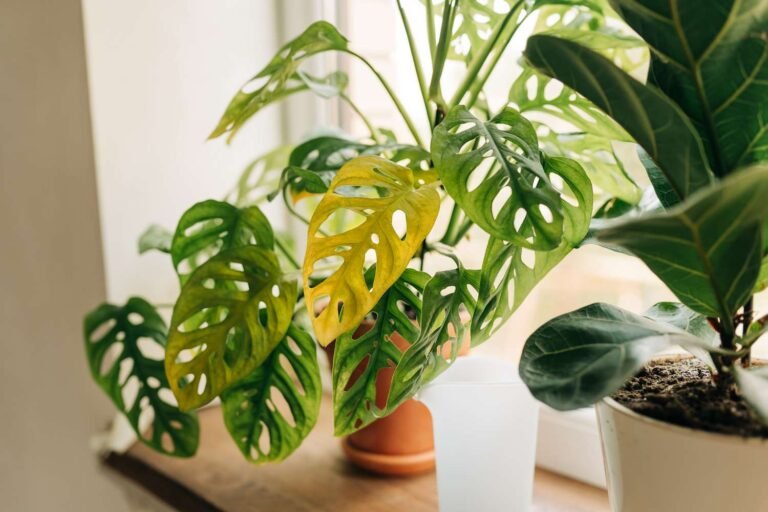
- Wilting or yellow leaves point to water or root problems.
- No sprout at all suggests bad seeds or wrong sowing depth.
- Sudden collapse often means disease like damping-off.

Light, temperature, and humidity: why seedlings not growing
Light, heat, and humidity shape early growth. Seedlings need strong, even light for at least 12–16 hours daily. Weak indoor light makes plants leggy and slow. Cold soil and air slow germination and growth. High humidity can encourage fungus, while very low humidity can dry tiny leaves quickly.
Practical checks:
- Move trays closer to a bright window or use a grow light.
- Keep soil around the recommended temperature for the crop.
- Aim for steady conditions rather than swings in temperature.

Soil, nutrients, and containers: why seedlings not growing
Soil mix matters a lot for seed starting. Heavy garden soil can hold too much water and block roots. A light, sterile seed mix drains well and gives roots air. Containers that lack drainage cause soggy roots. Nutrient-poor mixes may let plants grow slow after the first two weeks.
What to do:
- Use a seed-starting mix that drains and holds moisture lightly.
- Use trays or pots with holes and a shallow depth for seed roots.
- Feed weak seedlings with a half-strength, balanced fertilizer after true leaves form.

Watering and drainage: why seedlings not growing
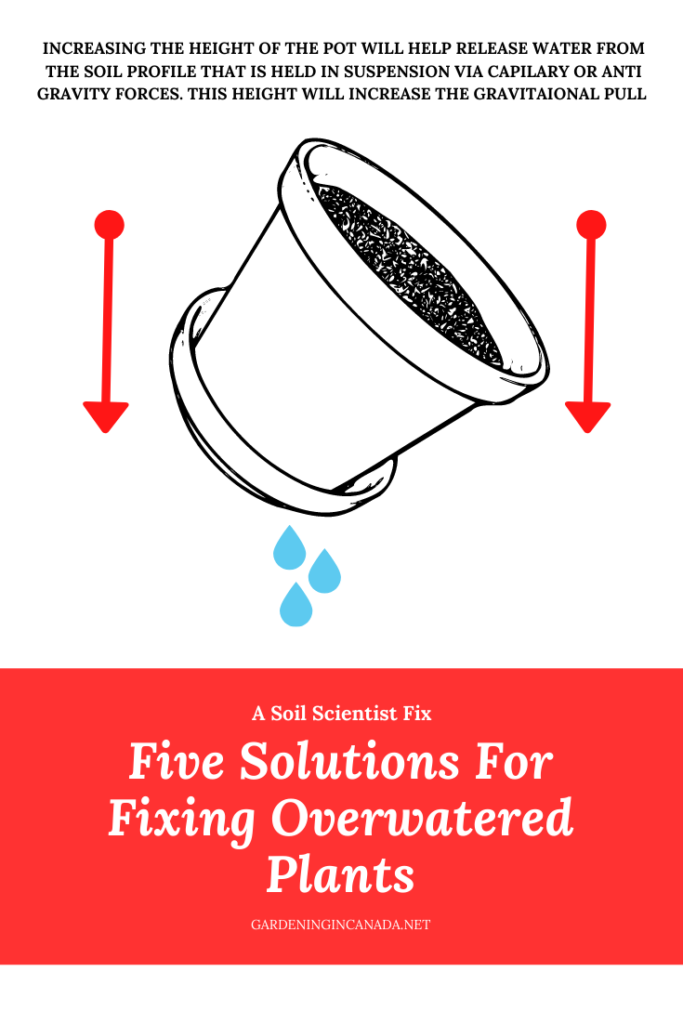
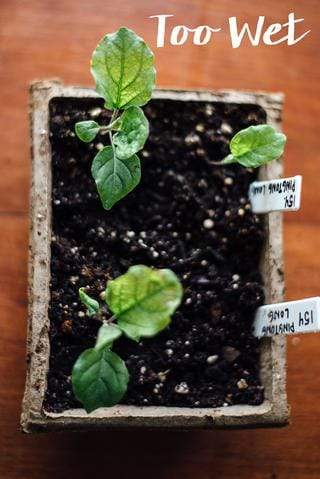
Watering is one of the quickest ways to harm seedlings. Overwatering drowns roots and invites damping-off. Underwatering makes seedlings shrivel and fail. The soil should feel slightly moist, not wet or bone dry.
Watering tips:
- Water from below by letting trays sit in a shallow dish for a few minutes.
- Check soil daily and adjust to room conditions.
- Improve drainage with perlite or vermiculite if mix stays wet.

Seed quality, sowing depth, and timing: why seedlings not growing
Bad or old seeds often fail to germinate. Planting depth affects emergence; many seeds need light to sprout and must be barely covered. Planting too early in cold soil slows growth and may rot seeds.
How to improve odds:
- Buy fresh seeds and check packet dates.
- Follow seed packet depth and temperature advice.
- Start seeds indoors only when you can give the right heat and light.
Pests and diseases: why seedlings not growing
Pests and pathogens can stop seedlings fast. Damping-off, caused by fungi, makes stems collapse. Fungus gnats, cutworms, and slugs also damage tiny plants. Poor air flow, sour soil, and overwatering increase risk.
Prevention and action:
- Use sterile soil and clean trays.
- Improve ventilation and avoid splashing water.
- Remove and discard infected seedlings to protect the rest.

Troubleshooting checklist when seedlings not growing
Use this quick checklist to find the main problem. Keep notes so you can spot patterns.
- Inspect light
- Is the light bright and close enough? Move lights to 2–4 inches above seedlings for grow lights.
- Check soil moisture
- Is it soggy or dry? Adjust watering and drainage.
- Look at roots and stems
- Pale, thin stems show low light. Mushy stems show rot.
- Review seed age and sowing
- Were seeds old or planted too deep?
- Check temperature
- Is soil warm enough for that plant type?
- Watch for pests or fungus
- Remove affected plants and clean trays.

Prevention and best practices to prevent seedlings not growing
A set routine cuts most failures. Repeatable care leads to strong starts.
Best practices:
- Use fresh, labeled seed packets and a clean seed mix.
- Keep grow lights on a timer for consistent hours.
- Maintain a steady room or soil temperature suited to the crop.
- Water gently and use trays with drainage.
- Harden off seedlings slowly before moving outdoors.
Personal experience on why seedlings not growing
I once blamed a slow lettuce batch on bad seeds. After a week of staring at empty trays, I discovered the grow light was set on a dim mode. I moved the lights closer and the seedlings shot up in two days. That taught me to check simple things first.
Another time I lost a whole tray to damping-off. I now use a clean mix and fan for air flow. I also never crowd seedlings. These small habits cut losses from 30% to near zero in my garden.
Frequently Asked Questions of why seedlings not growing
Why did my seedlings sprout then stop growing?
Seedlings that stop after sprouting often face poor light, low nutrients, or root problems. Check light level, soil mix, and signs of disease, and adjust care.
How long should seedlings take to show true leaves?
Most seedlings show true leaves 7–14 days after germination, depending on species and conditions. Slow development often points to low light or cool temps.
Can overwatering prevent seedlings from growing?
Yes. Overwatered soil suffocates roots and creates rot. Allow the top layer to dry slightly and improve drainage.
Are old seeds a reason for seedlings not growing?
Old seeds often lose vigor and may fail to germinate. Test a few seeds on a damp paper towel to check viability.
Will adding fertilizer help seedlings that are not growing?
Mild fertilizer can help after true leaves appear, but too strong fertilizer can burn young roots. Use a half-strength balanced feed.
Conclusion
You can fix most cases of why seedlings not growing by checking light, water, soil, seeds, and pests. Start with simple checks and use the troubleshooting list. Try one change at a time so you know what works. Take action today: adjust light, change the mix, or test a few seeds. Share your results, subscribe for more tips, or leave a comment about your seed-starting win.