Most plants fail to bloom because of wrong light, improper care, or stress from nutrients or temperature.
I have spent years growing houseplants, shrubs, and small garden beds, and I know how frustrating it is when plants don’t flower. This article explains why plants not flowering, how to diagnose the issue, and practical fixes you can use today. I draw on hands-on experience, simple science, and clear steps so you can bring your plants into bloom.

Common reasons why plants not flowering
Plants skip blooms for many clear reasons. Each reason affects the plant’s energy and hormone balance. Below are the top causes to check first.
- Not enough light. Many flowering plants need bright direct sun to trigger buds.
- Wrong day length. Some plants need long or short days to flower.
- Too much nitrogen. High nitrogen favors leaves, not flowers.
- Incorrect temperature. Heat or cold stress can stop blooms.
- Overwatering or underwatering. Both hamper flower bud formation.
- Nutrient imbalance or poor soil. Missing phosphorus or trace elements limits blooms.
- Improper pruning or timing. Cutting at the wrong time removes next season’s buds.
- Immature plants. Young plants need time or vernalization (cold) before flowering.
- Pests and diseases. Mites, viruses, or root rot can block flowering.
- Stress from transplanting or moving. Plants often pause reproduction to recover.
Why plants not flowering often comes down to energy and signals. Light, nutrients, and stress tell a plant whether it’s safe to make flowers. If the signals shout “grow leaves” or “survive,” the plant delays bloom.

How to diagnose flowering problems
A clear diagnosis saves time. Use these simple checks in order.
- Observe light levels for a week. Note sun hours and direct vs. shade.
- Check soil moisture daily for a week using a finger or meter.
- Inspect leaves for pests, spots, or distorted growth.
- Review feeding habits and the type of fertilizer used.
- Consider plant age and the species’ bloom habits.
- Look at recent temperature swings or drafts.
When you find likely causes, act on the easiest fixes first. Small changes often restore blooms in weeks.
Do plants need full sun to flower?
Many do, but not all. Some plants only need bright indirect light and will flower if they get consistent, strong light for most of the day.
Can over-fertilizing prevent blooms?
Yes. Too much nitrogen encourages leaf growth and delays flowering. Switch to a bloom-focused fertilizer with higher phosphorus.
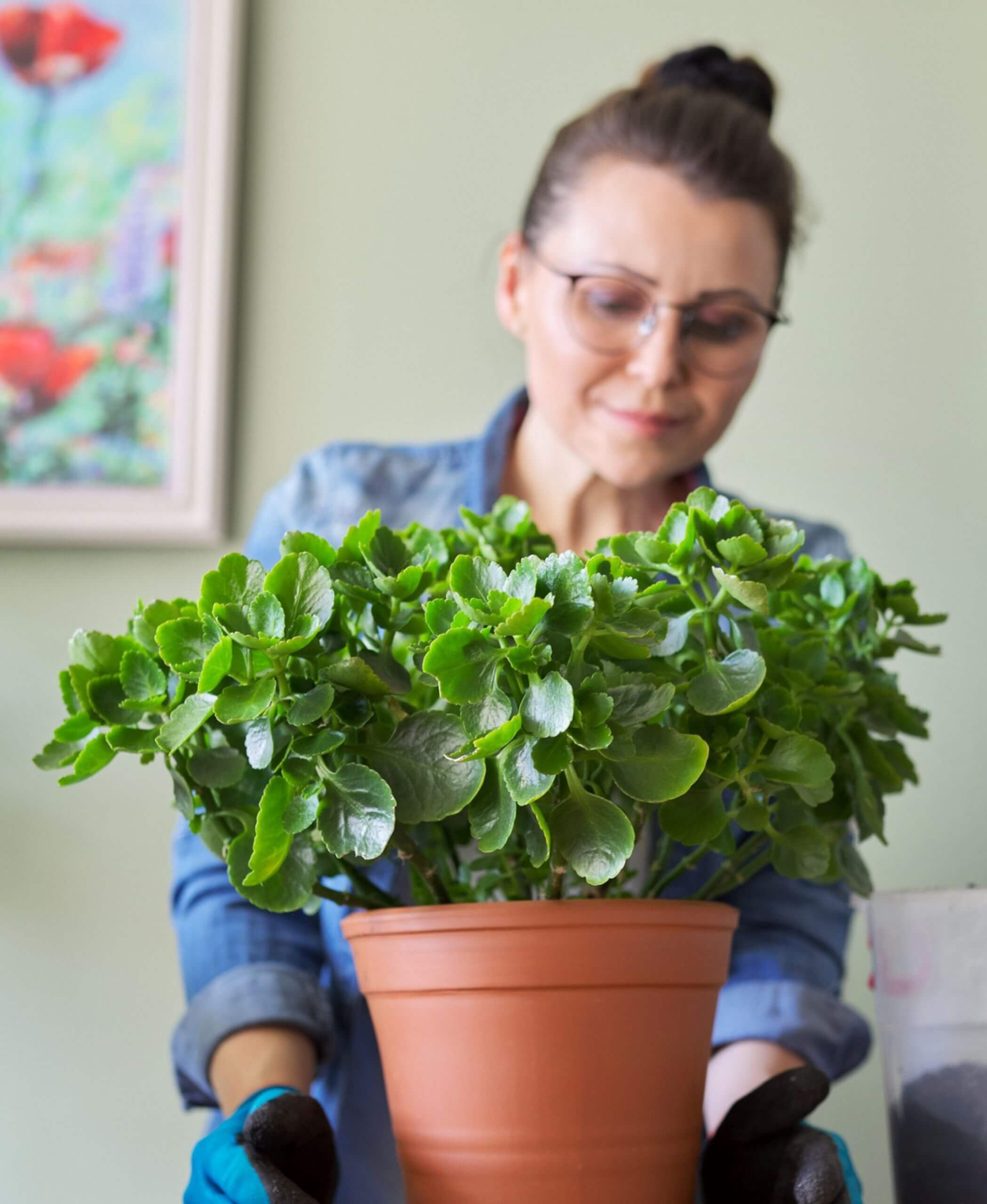
How to fix why plants not flowering: step-by-step solutions
Apply fixes in small steps. Wait a few weeks between major changes to see results.
-
Adjust light
- Move the plant to a brighter spot or add grow lights for 12 to 16 hours daily for sun lovers.
- For short-day plants, reduce evening light if they need long nights.
-
Correct feeding
- Use a balanced fertilizer with slightly higher phosphorus during bud set.
- Avoid heavy nitrogen in spring and summer for flowering types.
-
Prune correctly
- Learn if your plant blooms on old or new wood.
- Prune after flowering for old-wood bloomers. Prune in late winter for new-wood bloomers.
-
Manage water and roots
- Keep soil evenly moist for most plants. Allow drought-tolerant types to dry between waterings.
- Repot rootbound plants into a slightly larger pot in early spring.
-
Control temperature and stress
- Avoid sudden temperature swings and protect from cold drafts.
- For plants that need cold to flower, follow a chill period (vernalization) if appropriate.
-
Treat pests and disease
- Remove pests with gentle sprays or horticultural soap.
- Treat fungal or bacterial issues early to restore vigor.
-
Use bloom stimulants carefully
- Some gardeners use phosphorus-rich bloom boosters or low-dose potassium sprays.
- Follow label directions; overuse can harm plants.
Practical example: If an indoor geranium fails to bloom, move it to a south-facing window, reduce nitrogen feed, deadhead spent buds weekly, and give 6–8 hours of direct sun. You should see buds in a few weeks.
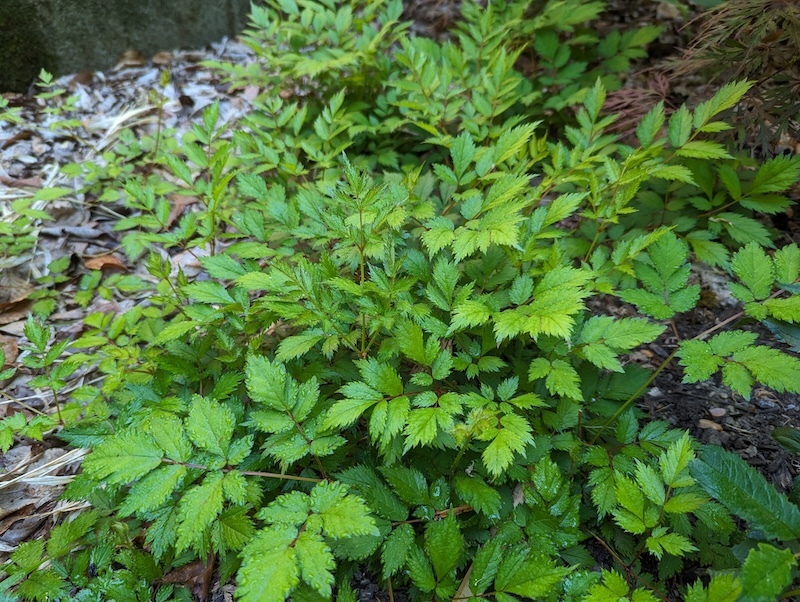
Plant-specific tips for flowering success
Different plants have unique needs. Match care to the species.
- Roses
- Feed with rose food high in phosphorus. Deadhead to encourage repeat blooms.
- Orchids
- Provide bright, indirect light and a dry rest after bloom for rebloom.
- Tomatoes and peppers
- Stress (too hot, too cold, overfertilized) reduces flowers. Use balanced feeding and stable temps.
- Bulbs and perennials
- Many need a cold period. Plant bulbs at recommended depth and avoid late pruning.
- Succulents and cacti
- Many need full sun and a cool or dry winter rest to flower.
Knowing your plant’s bloom habit helps you avoid common mistakes that lead to why plants not flowering.

Troubleshooting checklist (quick actions)
Start here for a fast fix. Do steps in order and note changes.
- Check light: move plant to brighter spot for two weeks.
- Look for pests: treat if present.
- Adjust fertilizer: stop high-nitrogen feed; use bloom formula.
- Prune correctly: remove damaged wood, time pruning for the species.
- Test soil: check pH and nutrient deficits; amend if needed.
If blooms don’t appear in 6–8 weeks, consider repotting or seeking professional diagnosis.
Will changing pots help?
Yes. Rootbound plants often stop flowering. Repot into a slightly larger container with fresh soil in early spring.
How long before I see blooms after fixes?
Most plants respond in 4 to 8 weeks, but some bulbs and perennials may need a season.

Personal experience: mistakes I made and lessons learned
I once battled azaleas that refused to bloom for two seasons. I kept feeding them with a high-nitrogen mix and moved them to dappled shade. After testing and a change to an acid, phosphorus-rich fertilizer and a sunnier spot, they began to bloom the next spring. I learned to check light and feed type first.
I also killed a young camellia by pruning at the wrong time. From that, I learned to learn a plant’s bloom cycle before heavy pruning. These simple lessons saved time and frustration.
Frequently Asked Questions of why plants not flowering
What is the single most common reason why plants not flowering?
Most often, light is the problem. Plants that do not get enough direct or bright light will delay or skip flowering.
Can repotting force plants to bloom?
Repotting can help if a plant is rootbound or in poor soil. It gives fresh nutrients and room to grow, which may encourage blooms.
Do all plants need fertilizer to bloom?
No. Many plants bloom on stored energy or seasonal cues. Fertilizer helps weak soils but too much nitrogen can stop flowering.
How does temperature affect flowering?
Temperature controls hormones and bud set. Too hot or too cold can prevent flower formation or cause buds to drop.
When should I prune to encourage blooms?
Prune based on whether a plant blooms on old wood or new wood. Prune after flowering for old-wood bloomers and in late winter for new-wood bloomers.
Conclusion
You can bring plants back to bloom by checking light, nutrition, water, and timing. Small, targeted changes often lead to faster results than broad overhauls. Try one change at a time, track results, and learn your plant’s rhythm. Start with light and fertilizer, and you will likely see improvement in weeks. Share your plant story below or subscribe for more growing tips and step-by-step guides.