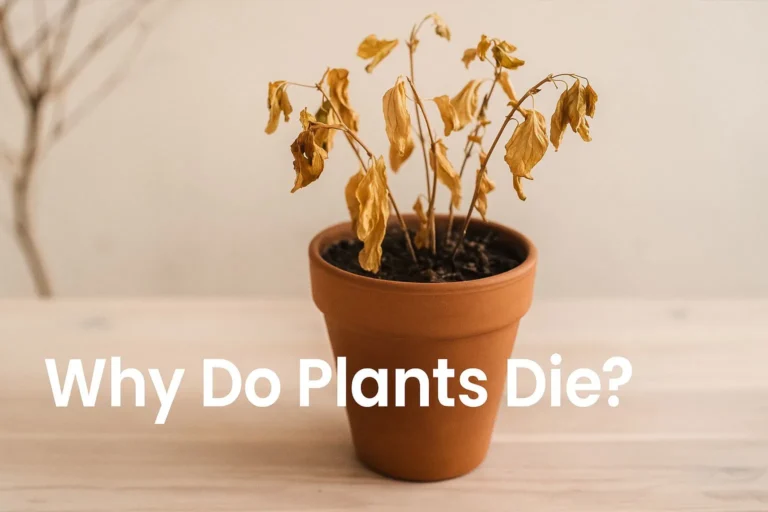
Most plants' leaves turn yellow because of water stress, nutrient issues, pests, or light problems.
I have spent years diagnosing and fixing yellow leaves in both houseplants and garden beds. This guide explains why plants leaves turning yellow, how to diagnose the cause, and clear fixes you can use today. I blend practical experience with plant science so you can spot patterns, act fast, and help your plants recover.

Causes of yellow leaves
Yellow leaves show a plant is out of balance. The phrase why plants leaves turning yellow covers many causes. Common drivers include water problems, nutrient shortages, pests, disease, light stress, and natural aging. Each cause creates a pattern. Learn the pattern and you will know the fix.
Key causes at a glance:
- Overwatering that drowns roots and causes root rot.
- Underwatering that triggers nutrient lock-up and stress.
- Nitrogen, iron, or magnesium deficiency.
- Pests like aphids, spider mites, or scale.
- Fungal or bacterial infections.
- Too much or too little light.
- Temperature shock and poor soil drainage.
- Natural leaf aging or seasonal change.
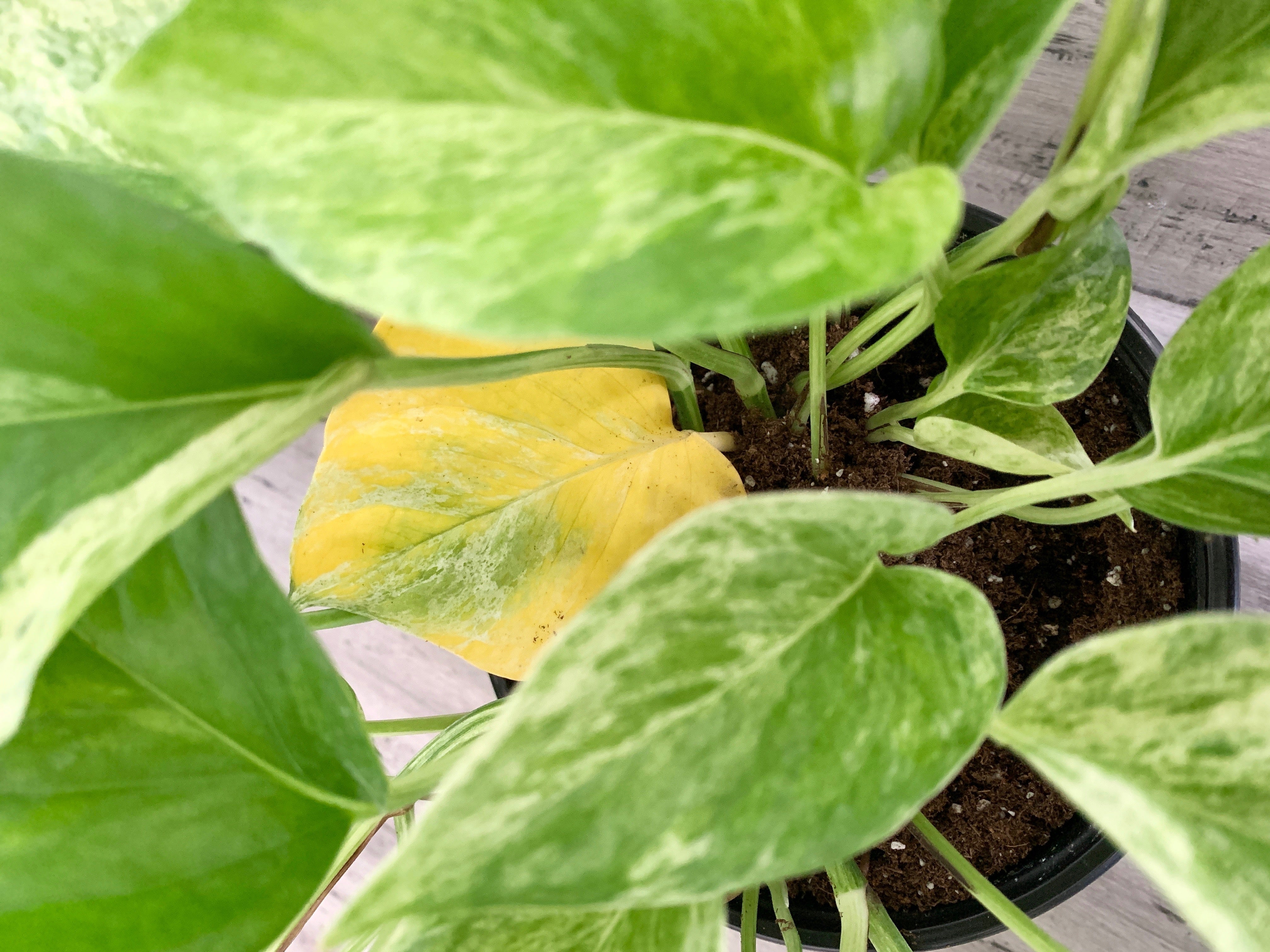
From my experience, overwatering is the single most common reason I see why plants leaves turning yellow in indoor plants. A quick soil check often reveals wet soil well below the pot rim. A few plants show yellowing from old leaves falling off as part of normal growth. Distinguish aging from disease before treating.
How to diagnose yellowing correctly
Diagnosing yellow leaves is about pattern and process. Check these steps in order.
Step-by-step diagnosis:
- Look at where yellowing starts: lower leaves, new tips, edges, or whole leaf.
- Check soil moisture with your finger or a moisture meter.
- Inspect undersides of leaves and stem joints for pests.
- Note the speed of yellowing: fast (days) or slow (weeks).
- Smell the soil: sour or musty odors suggest root rot.
- Check roots if repotting—brown, mushy roots show rot; white, firm roots are healthy.
Common patterns and what they mean:
- Lower leaves yellow first — often normal aging or mild nitrogen deficiency.
- New leaves yellow with green veins — classic iron deficiency.
- Leaves yellow with brown edges — could be salt build-up, overfertilizing, or underwatering.
- Sudden, widespread yellowing — likely overwatering, root disease, or shock.
PAA-style quick questions:
Why are lower leaves turning yellow?
Lower leaves often yellow from aging or mild nutrient shortage. If the plant is otherwise healthy, prune and feed lightly.
How fast should I act when leaves turn yellow?
Act within a week. Quick checks for water and pests often stop damage before it spreads.
Can light cause yellow leaves?
Yes. Both too much sun and too little light can trigger yellowing patterns on leaves.
Common specific causes and fixes
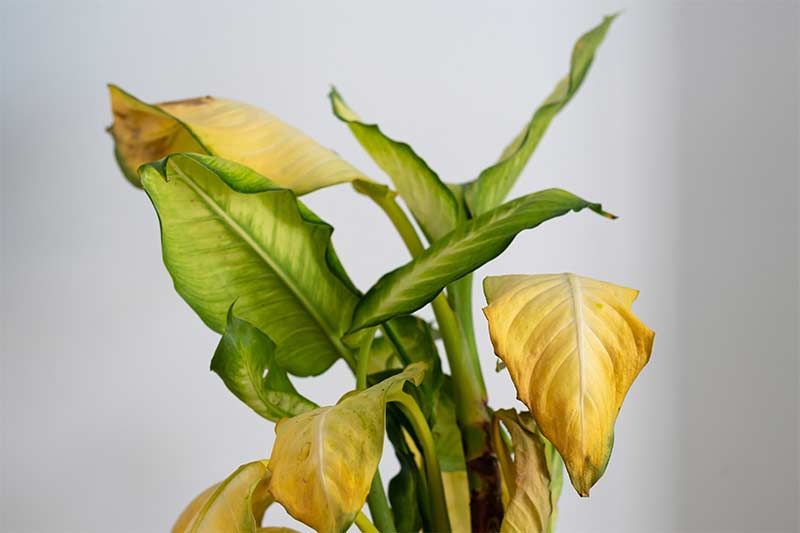
Below are frequent causes with clear signs and practical fixes. This section addresses why plants leaves turning yellow in specific scenarios.
Overwatering
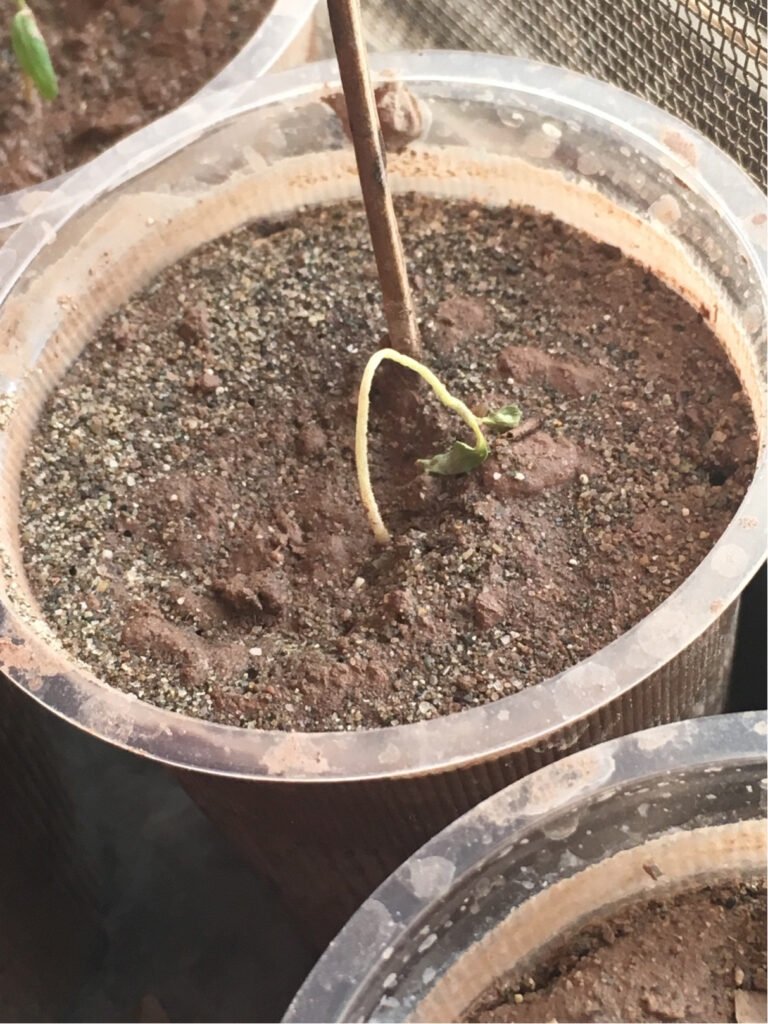
- Signs: Soft, drooping stems; yellowing starting at base; soggy soil.
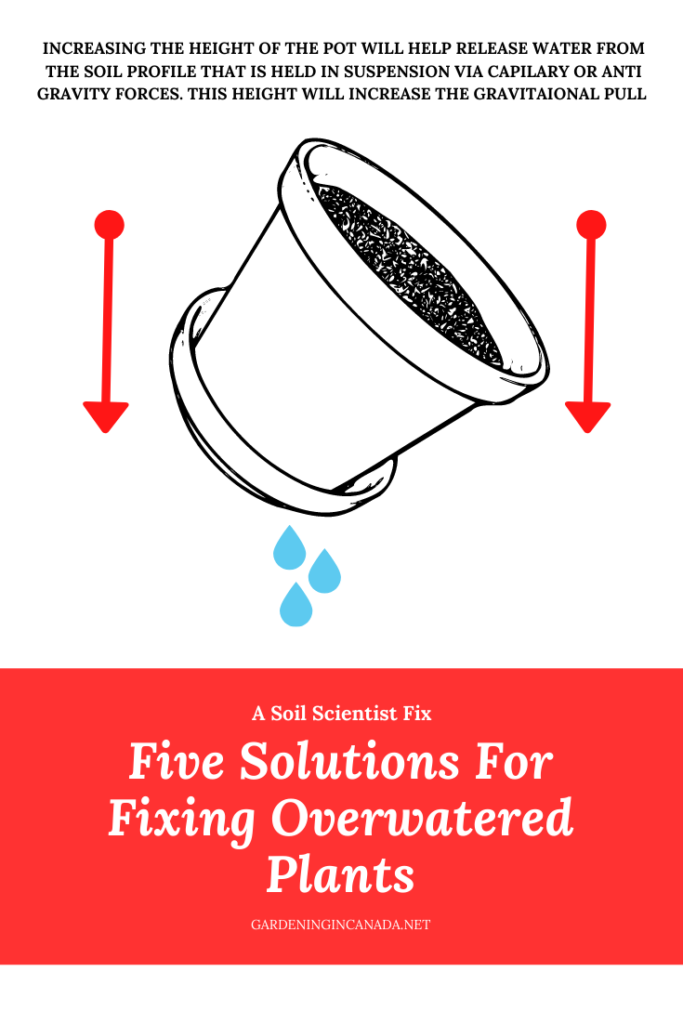
- Fixes: Let soil dry, improve drainage, repot if roots are rotten. Reduce watering frequency.
Underwatering
- Signs: Crispy edges, dry soil, leaves curl and yellow.
- Fixes: Deep soak, increase watering schedule, add mulch outdoors to retain moisture.
Nitrogen deficiency
- Signs: Uniform yellowing of older leaves first, slow growth.
- Fixes: Apply a balanced liquid fertilizer or slow-release nitrogen feed.
Iron deficiency (chlorosis)
- Signs: New leaves yellow with green veins; common in alkaline soil.
- Fixes: Use iron chelate or lower soil pH slightly. Foliar spray can give fast relief.
Magnesium deficiency
- Signs: Yellowing between veins on older leaves; leaf margins stay green.
- Fixes: Epsom salt soak (1 tbsp per gallon) applied to soil or as a foliar spray.
Pests (aphids, spider mites, scale)
- Signs: Speckling, webbing, sticky residue, visible insects.
- Fixes: Wipe leaves, use insecticidal soap, or apply neem oil. Quarantine new plants.
Fungal or bacterial disease
- Signs: Spots, rot, foul smell, rapid decline.
- Fixes: Remove affected leaves, improve air flow, reduce humidity, use fungicide when needed.
Light stress
- Signs: Pale leaves in too little light; scorched yellow patches in too much sun.
- Fixes: Move plant to appropriate light level gradually.
Natural aging
- Signs: Single lower leaves yellow and drop while new growth is healthy.
- Fixes: Remove old leaves. No treatment needed if new growth is unaffected.
Temperature and salt stress
- Signs: Patchy yellowing, leaf drop after drafts, or after fertilization.
- Fixes: Stabilize temperature and flush soil to remove excess salts.
From hands-on care, I’ve found that a single small change—like moving a plant one window over—can stop why plants leaves turning yellow within days. Small fixes often beat drastic measures.
:max_bytes(150000):strip_icc()/ms-why-houseplant-leaves-turn-yellow-eb9c9cdb05d54a2ba55e3542124ad193.jpg)
Prevention and care tips
Prevention is easier than cure. Consistent care stops many reasons why plants leaves turning yellow.
Daily and weekly habits:
- Water based on soil, not the calendar. Test moisture before watering.
- Use well-draining potting mix and pots with drainage holes.
- Feed on a regular, mild schedule. Avoid heavy fertilizing in winter.
- Keep humidity stable for tropical plants. Use trays or humidifiers if needed.
- Inspect plants monthly for pests and early signs of disease.
- Clean leaves to improve light capture and spot pests early.
- Rotate plants so light reaches all sides evenly.
Long-term care:
- Repot every 1–3 years to refresh soil and inspect roots.
- Test soil pH and nutrient levels if yellowing recurs.
- Learn the specific needs of each plant species for light and water.
My practical tip: keep a simple plant journal. Note watering, feeding, and any yellowing. Over months, patterns reveal why plants leaves turning yellow and help you tweak care.
When to seek professional help
Sometimes home fixes are not enough. Seek expert help when problems persist or worsen.
Signs to call a pro:
- Widespread yellowing despite correct watering and feeding.
- Root rot or pests that return after treatment.
- Valuable or rare plants at risk where treatment feels risky.
- Unexplained yellowing across multiple plants that share soil, water, or light.
What a pro will do:
- Run soil nutrient and pH tests.
- Check for subtle pathogens or persistent pests.
- Advise on species-specific care and long-term solutions.
Be honest about limitations. Some issues need lab tests or herbicide/fungicide choices that are best handled by trained specialists.
:strip_icc()/What-to-Do-When-Your-Houseplant-Turns-Yellow_newtemplate-9773af2936904dd79724a1e0e5c30216.jpg)
Frequently Asked Questions about why plants leaves turning yellow
Why do older leaves turn yellow first?
Older leaves often yellow first because the plant moves nutrients to new growth. It can be normal or a sign of mild nutrient lack.
Can overfertilizing make leaves yellow?
Yes. Too much fertilizer can burn roots and cause yellowing. Flush the soil and reduce feeding.
Will yellow leaves turn green again?
Yellowed tissue rarely returns green. Treat the cause and new leaves will grow healthy green leaves.
How long before a yellowing plant recovers?
Recovery can take days to weeks. Fast fixes like adjusting water often show improvement within a week.
Is yellowing always a bad sign?
Not always. Seasonal leaf drop and natural aging cause yellowing. Check overall plant health before panicking.
Conclusion
Yellow leaves are a plant's way of asking for help. By learning common patterns, checking soil moisture, inspecting for pests, and adjusting care, you can solve most reasons why plants leaves turning yellow. Start with simple checks, make one change at a time, and track results. With practice, spotting causes becomes quick and predictable.
Takeaway: act early, test, and adjust—small, consistent care prevents most yellowing. If you found this useful, try one change today, leave a comment about your plant, or subscribe for more practical plant care tips.