Water deeply, correct light and soil, trim dead growth, and treat pests to revive plants.
I've helped hundreds of houseplants and garden beds come back to life, and this guide will teach you exactly how to revive dying plants with clear steps, practical tips, and common mistakes to avoid. Read on for a proven, easy-to-follow plan that covers diagnosis, immediate rescue actions, long-term care, and prevention.

Why plants decline: common causes and early signs
Plants struggle for simple reasons. Spotting the cause quickly makes revival easier.
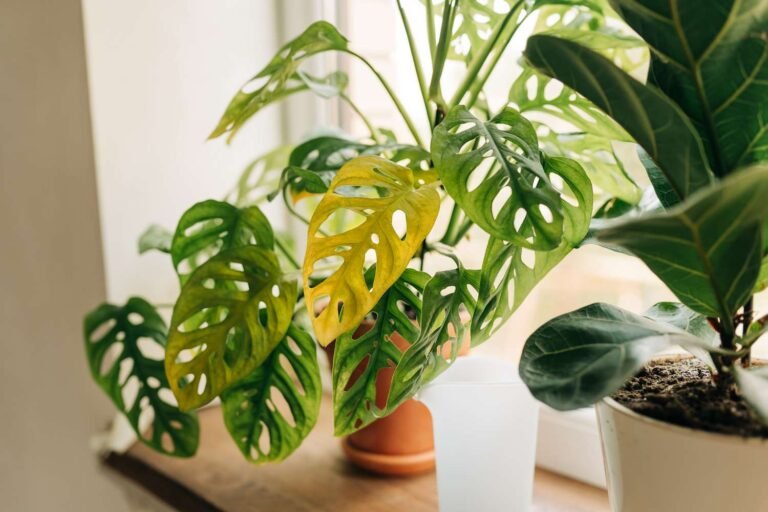
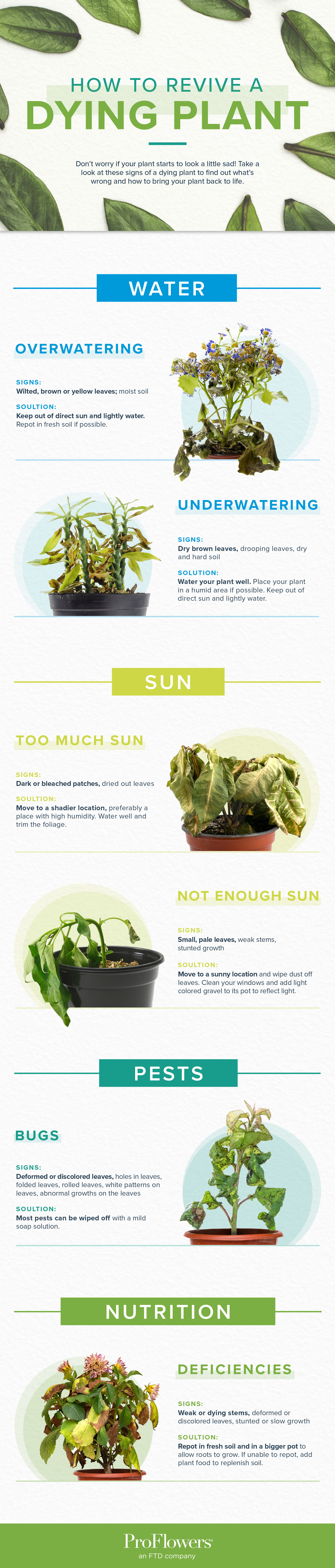
- Overwatering causes root rot and yellow leaves.
- Underwatering leads to wilting and dry, brown leaf edges.
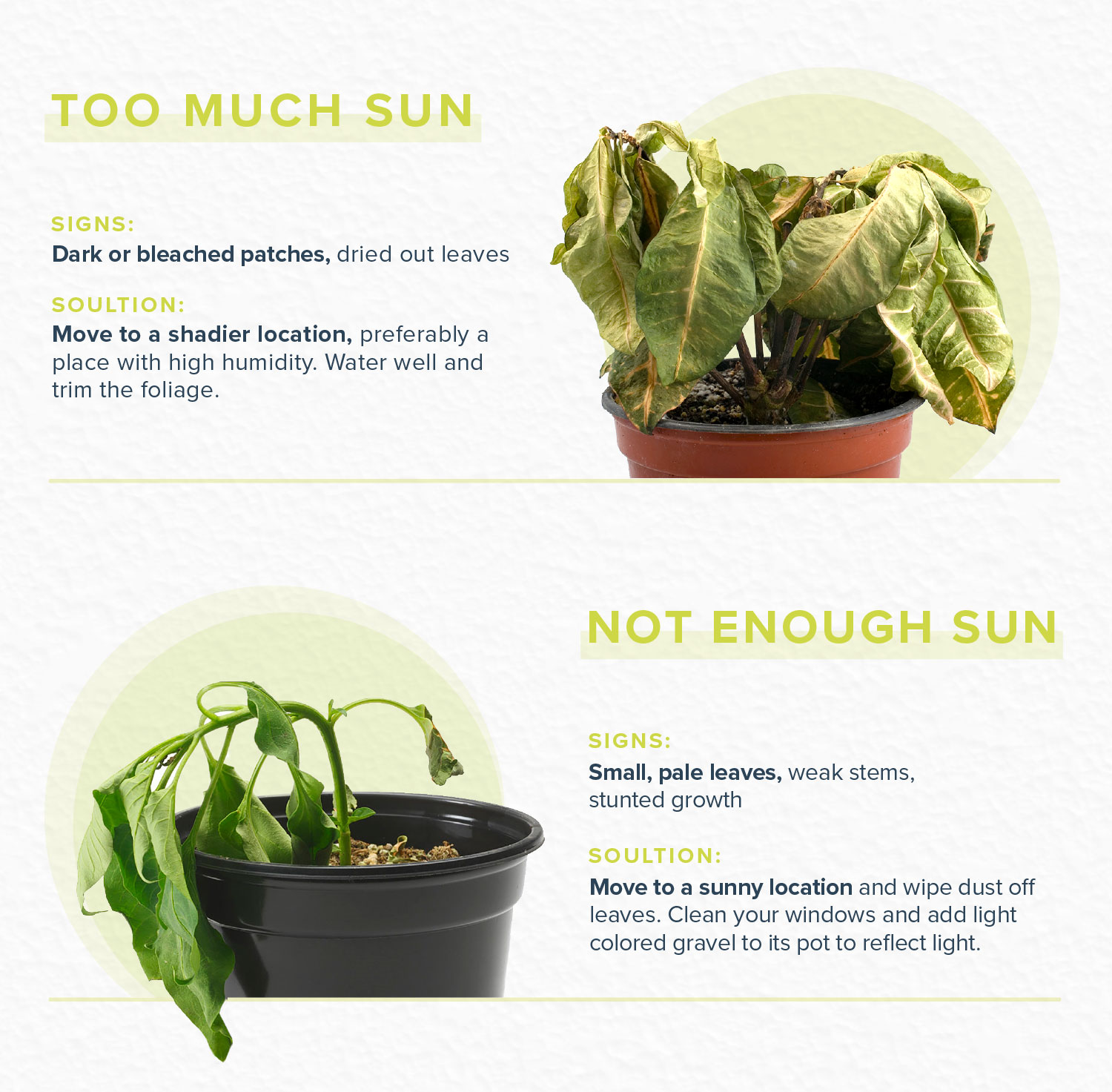
- Wrong light levels make plants leggy or scorched.
- Poor soil or pot size limits roots and nutrients.
- Pests and diseases damage leaves and stems.
Signs to watch for:
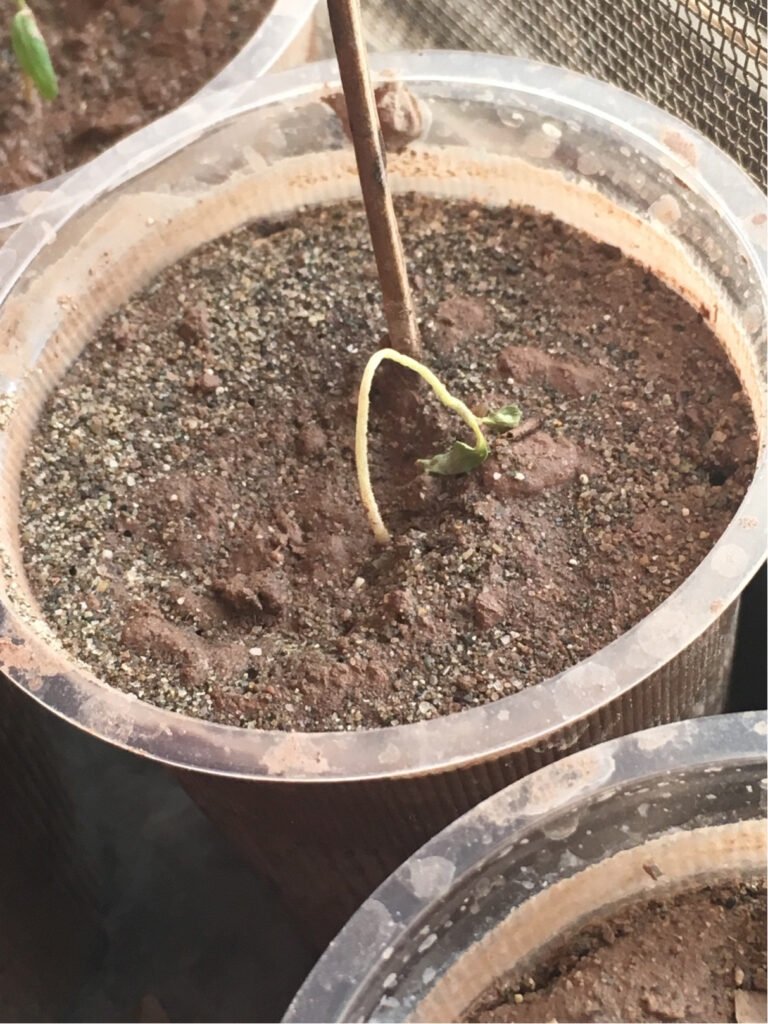
- Soft, black roots or soggy soil — likely overwatered.
- Crispy brown tips and light soil — likely underwatered.
- Pale, small leaves — nutrient or light deficiency.
- Spots, webbing, or holes — pests or fungi.
Understanding these clues helps you decide next steps and increases success when you try to revive dying plants.
Quick assessment: how to evaluate a dying plant
Follow a short checklist to assess condition before acting.
- Check soil moisture. Push a finger 1–2 inches into the soil.
- Inspect roots. Gently lift the plant from its pot if safe.
- Examine leaves and stems for pests, rot, or fungus.
- Note light and temperature where the plant sits.
- Ask how long since last repot, fertilize, or prune.
This brief check helps you prioritize actions. If roots are mushy, stop watering and consider root trimming. If leaves are crispy, focus on watering and humidity.
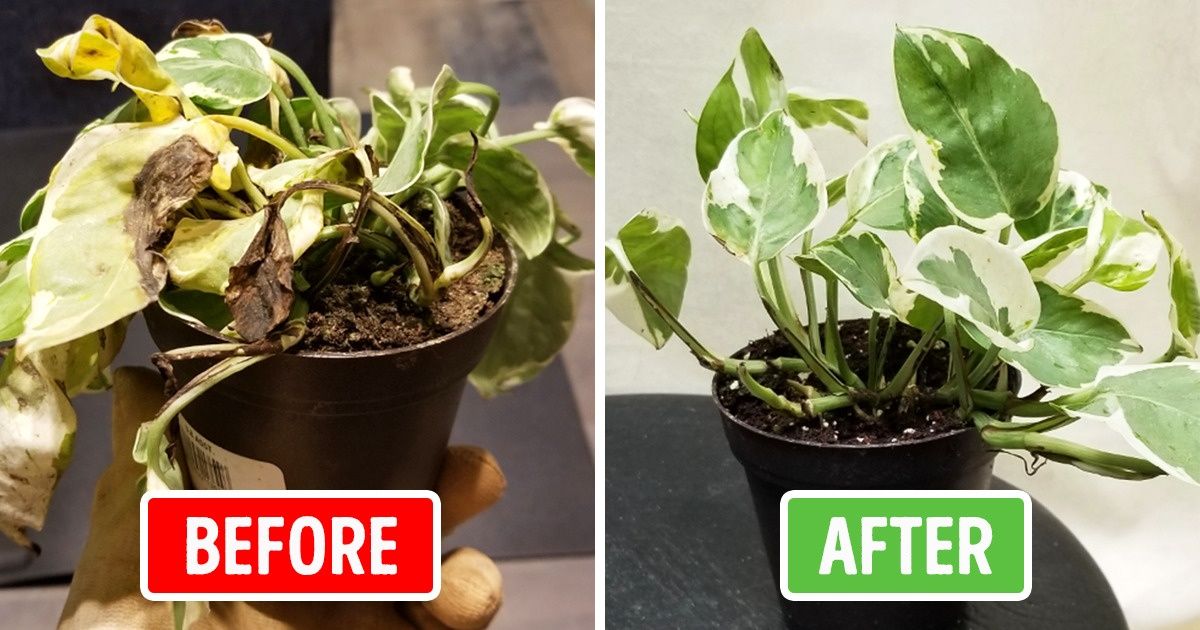
Step-by-step rescue plan: revive dying plants safely
Use this step-by-step method to nurse most plants back to health.
- Stabilize the environment
- Move the plant to bright, indirect light.
- Keep temperatures steady and avoid drafts.
- Correct watering
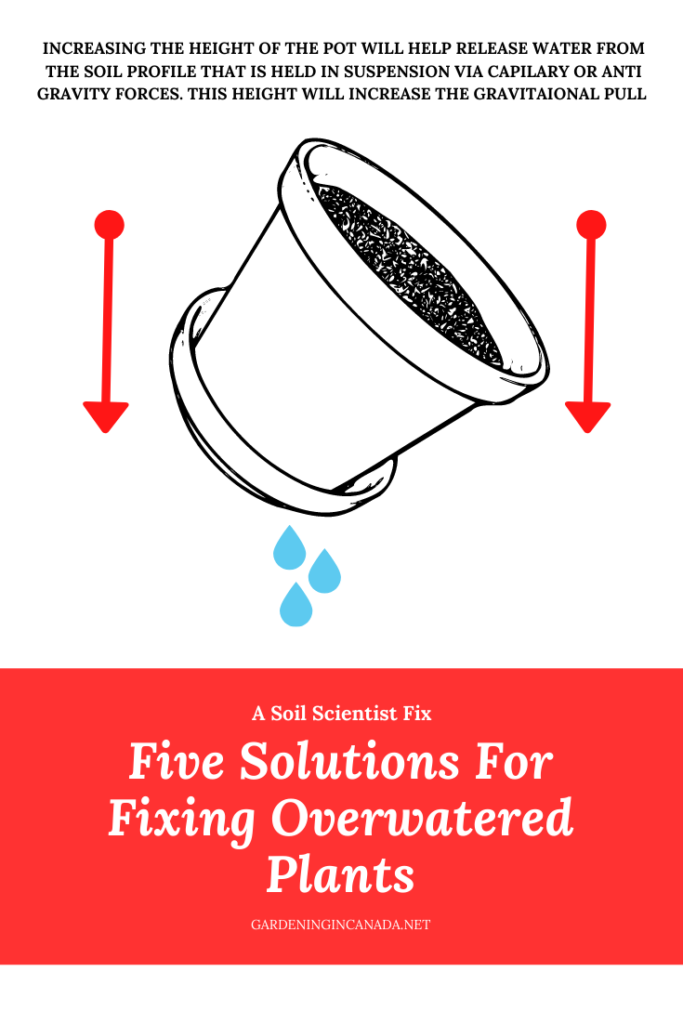
- If soil is waterlogged, remove pot, trim rotten roots, and repot in fresh mix.
- If soil is bone dry, soak the pot in water for 15–30 minutes, then allow excess to drain.
- Trim damaged parts
- Cut away dead leaves and stems with clean scissors.
- Leave healthy tissue to support new growth.
- Treat pests and disease
- Wipe leaves and use gentle insecticidal soap or neem oil when needed.
- Remove heavily infected parts and isolate the plant.
- Repot if rootbound or soil is depleted
- Choose a pot 1–2 inches larger in diameter for small plants.
- Use fresh, well-draining potting mix suited to the plant type.
- Feed lightly after recovery begins
- Wait 2–4 weeks after repotting or root trimming, then use a diluted balanced fertilizer.
Repeat assessment weekly. Recovery can take days to months depending on the plant and severity. Patience is key when learning how to revive dying plants.
Watering and soil basics to revive dying plants
Water is the most common factor in plant stress. Fixing it often saves the plant.
- Know the plant’s needs. Succulents need deep, infrequent watering; ferns prefer steady moisture.
- Improve drainage. Add perlite or coarse sand to heavy mixes.
- Use the soak-and-drain method for thirsty plants: water thoroughly, then let excess drain fully.
- Avoid daily surface misting as a substitute for proper watering.
- Consider moisture meters for reliable readings, especially for new plant parents.
Correct soil and water together change root health fast. I once saved a fiddle leaf fig by switching to a chunky mix and correcting watering; it rebounded within two months.
.webp)
Light, temperature, and placement tips
Light and temperature influence recovery speed.
- Match light to species: bright indirect for many houseplants, direct sun for succulents.
- Rotate plants weekly to encourage even growth.
- Keep plants away from heat vents and cold windows.
- Use grow lights in low-light homes and during winter months.
- Gradual changes are less stressful than abrupt moves.
When figuring out how to revive dying plants, small improvements in light can yield big gains.

Pruning, propagation, and giving new life
Strategic pruning helps redirect energy to healthy tissue.
- Remove dead or rotting parts to reduce disease risk.
- Cut back leggy growth to promote fuller shape.
- Use healthy cuttings to propagate new plants if the main plant is beyond repair.
- Root cuttings in water or a sterile potting mix, depending on species.
I’ve saved plants by taking cuttings and re-rooting them while the parent plant recovered. It’s a safety net when revival seems uncertain.
Dealing with pests and diseases quickly
Pests and disease can undo other recovery efforts if left untreated.
- Isolate sick plants to prevent spread.
- Identify the pest: mealybugs, spider mites, aphids, and fungus gnats require different treatments.
- Use a strong spray of water to remove bugs, then follow with targeted treatments like insecticidal soap.
- Improve airflow and avoid overhead watering to reduce fungal issues.
- Replace severely infested soil and sterilize pots if necessary.
Early action helps when learning how to revive dying plants from pest or disease damage.

Prevention and long-term care to keep plants healthy
Revival is only half the battle. Prevent recurrence with steady care.
- Create a consistent watering schedule based on plant needs.
- Feed with balanced fertilizer at recommended rates during the growing season.
- Repot every 1–3 years depending on growth rate and soil quality.
- Monitor for pests and stress signs weekly.
- Learn each plant’s preferences; one-size-fits-all care causes problems.
My best tip: spend five minutes a week checking your plants. Small, regular checks prevent big crises.

Common mistakes when trying to revive dying plants
Avoid these pitfalls that slow recovery or cause further harm.
- Overcorrecting immediately — drastic changes stress roots.
- Fertilizing a stressed or root-chopped plant too soon.
- Ignoring root health and focusing only on leaves.
- Moving plants to harsher light or extreme temperature after rescue.
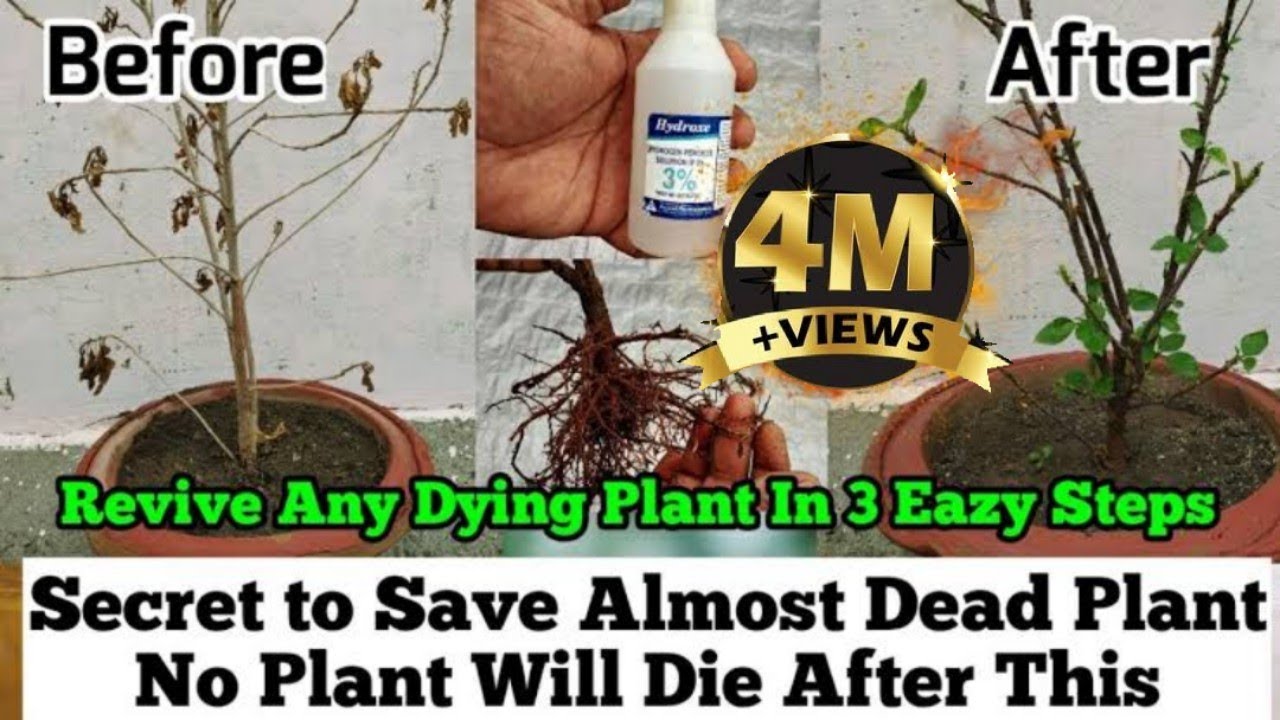
- Using household remedies without verifying safety for the species.
Being patient and gradual is often the smartest way to revive dying plants.
PAA-style questions
What is the fastest way to revive a dying plant?
- The fastest fixes are correcting watering and light, trimming dead tissue, and improving soil drainage. Quick action on roots and environment often yields visible improvement in days.
How do you tell if a plant can be saved?
- Check for any green tissue and firm roots. If stems are flexible and there are live buds, the plant likely can recover with proper care.
Should I cut all browned leaves off a dying plant?
- Remove fully dead leaves but leave partly brown leaves if they still have green tissue; they help the plant make energy for recovery.
When should I repot a dying plant?
- Repot when roots are rotten, compacted, or when soil no longer drains. Do this carefully and only if the plant is stable enough for handling.
Can too much fertilizer kill a recovering plant?
- Yes. Overfertilizing can burn roots and cause further decline. Wait 2–4 weeks after repotting or root pruning before lightly fertilizing.
Frequently Asked Questions of how to revive dying plants
How long does it take to revive a dying plant?
Most plants show improvement in days to weeks, but full recovery can take months depending on damage and species.
Is it better to underwater or overwater when unsure?
Underwatering is less damaging short-term; overwatering can cause root rot that is harder to fix.
Can I use dish soap to treat pests?
A small amount of mild soap mixed with water can help, but use products made for plants or test on one leaf first to avoid burns.
Should I move a struggling plant outside?
Move outside only if the plant’s light and temperature needs match your climate and there’s no risk of shock from sudden change.
When is it time to give up on a plant?
If all stems are brittle, roots are fully mushy, and there’s no green tissue left, it may be best to compost the plant and try propagation.
Conclusion
Reviving a plant starts with calm assessment, correcting water and light, trimming damaged parts, and treating pests or root problems. Small, steady steps often restore growth faster than dramatic fixes. Try one clear action at a time, track progress, and be patient — many plants bounce back when given the right care. If you found this helpful, try these tips on a rescue project today, subscribe for more plant care guides, or share your plant revival story in the comments.