Prevent seedling transplant shock by hardening plants for 7 to 14 days, watering them before planting, protecting their roots, choosing mild weather, and keeping the soil evenly moist after transplanting.
Across the United States, gardeners move young tomato, pepper, lettuce, broccoli, and flower seedlings from indoor trays to outdoor beds each growing season. This move can be hard on small plants. Indoor seedlings are used to steady light, warm air, and gentle conditions. Outside, they face wind, strong sun, changing temperatures, and new soil.
Seedling transplant shock prevention starts before planting day. Gradual outdoor exposure helps young plants adjust. Gentle root handling and good watering help them settle into their new home. Gardeners should also check local frost dates, soil warmth, and crop needs because planting times differ across U.S. growing regions.
Source: pinterest.com
What Is Seedling Transplant Shock?
Transplant shock is stress that occurs when a plant moves from one growing place to another. It often happens when a seedling moves from an indoor tray to an outdoor garden. The plant must adjust to new light, air, soil, water, and temperature.
A seedling has a small root system. Its roots take in water from the soil. Its leaves lose water through a process called transpiration. When leaves lose water faster than roots can replace it, the plant may wilt.
Root damage can make this problem worse. Small feeder roots help a plant take in water and nutrients. If these roots break during removal, the seedling may struggle to meet its needs in the new soil.
Some stress after planting is normal. A seedling may pause its growth for a short time while new roots form. The goal is to keep this stress low so the plant can recover and begin growing again.
Water stress
Dry soil, hot sun, or strong wind can cause leaves to lose water faster than the roots can replace it.
Root damage
Pulling a plant from its pot or breaking its root ball can limit water and nutrient uptake.
Temperature changes
A sudden move into cold soil, hot air, or direct sun can harm tender plant tissue.
Poor soil conditions
Waterlogged soil can reduce oxygen around roots and slow their growth.
Common Signs of Transplant Shock
A shocked seedling may droop, lose its bright color, or develop dry leaf edges. Some leaves may turn yellow or fall off. Growth may also slow after planting.
One wilted afternoon does not always mean a plant is badly hurt. Heat and wind can cause short-term drooping. Check the plant again in the cool part of the day.
Wilting leaves
Leaves hang down because the plant cannot replace lost water fast enough.
Yellow leaves
Stress, poor roots, excess water, or low nutrients may cause leaves to turn yellow.
Brown leaf edges
Strong sun, dry air, wind, or damaged roots can cause dry and brown areas.
Slow new growth
The seedling may focus on root repair before it produces new leaves.
Choose Healthy Seedlings and the Right Planting Time
Start with a healthy seedling. A strong plant has a firm stem, healthy leaves, and roots that can hold the soil together. Weak or diseased plants may struggle even when the planting method is good.
Check the roots before buying or moving a seedling. Healthy roots are often white or light in color and spread through the growing mix. A thick mass of circling roots can mean the plant has stayed in its pot too long.
Timing matters as much as plant quality. Warm-season crops such as tomatoes, peppers, and eggplants need warm soil and safe night temperatures. Cool-season crops such as lettuce and cabbage can handle cooler conditions, but they still need proper care.
For U.S. gardens, check the local frost date and the soil temperature before planting. Your USDA hardiness zone can help with long-term plant choices, but it does not replace local frost forecasts or crop-specific planting advice.
Source: pinterest.com
Look for firm stems
Choose short, sturdy seedlings rather than tall plants with weak or stretched stems.
Check the leaves
Look for even leaf color and signs of healthy growth. Avoid plants with pests, spots, or soft stems.
Check root growth
Choose plants with healthy roots that are not packed into a hard, tight mass.
Check the weather
Avoid planting when frost, strong wind, heavy rain, or extreme heat is expected.
When Are Seedlings Ready to Move?
Most seedlings should have healthy true leaves and a root system that can hold the growing mix together. The exact size depends on the crop. Do not wait until every plant becomes large and crowded in its tray.
If roots fill the container before outdoor weather is safe, move the seedling into a slightly larger pot. This gives the roots more room while you wait for the right planting time.
Ready to plant
The seedling has a firm stem, healthy leaves, and a stable root ball.
Needs more time
The plant is very small, weak, or has few true leaves.
Needs a larger pot
Roots circle the container or grow through the drainage holes in a crowded mass.
Harden Off Seedlings Before Transplanting
Hardening off is one of the best ways to prevent transplant shock. It means slowly getting indoor plants used to outdoor weather. The process helps leaves, stems, and roots prepare for stronger light, wind, and changes in temperature.
Most gardeners should allow about 7 to 14 days for this process. The exact time depends on the crop and the growing conditions. Start slowly and increase outdoor exposure as the seedlings adjust.
Do not place indoor seedlings in full sun for an entire day at the start. Their leaves may burn. Strong wind can also bend or break tender stems.
A little less frequent watering can help prepare seedlings for outdoor life. However, never let them dry out or wilt on purpose. Healthy roots and leaves are still needed during the hardening process.
Source: togethertimefamily.com
Days 1 and 2
Place seedlings in a shaded, sheltered outdoor spot for a few hours. Keep them away from strong wind and harsh sun.
Days 3 and 4
Increase outdoor time. Give the plants gentle morning sun while keeping them protected during hot hours.
Days 5 through 7
Increase sunlight and outdoor exposure step by step. Watch for drooping, pale patches, or dry leaves.
Days 8 through 14
Allow longer outdoor periods and more direct sun. Leave plants outside overnight only when the forecast and crop temperature needs allow it.
How to Adjust Hardening for Different Crops
Tomatoes, peppers, and other warm-season crops need extra care during cold nights. University of Maryland Extension advises bringing warm-season transplants inside when night temperatures may fall below 50 degrees Fahrenheit. Tender plants should also be kept out of unsafe cold and wind.
Lettuce, cabbage, and other cool-season crops can handle lower temperatures than tomatoes. Still, protect them from freezing weather until they are ready for outdoor conditions. Always check the needs of the crop you are growing.
Keep a weather record
Check daily high and low temperatures during the hardening period.
Watch leaf response
If leaves burn or plants wilt badly, move them to shade and slow the process.
Do not rush
If a seedling struggles after a change, return to the last exposure level it handled well.
Prepare the Soil and Planting Site
Prepare the new planting site before you remove seedlings from their pots. This keeps roots from sitting in the open air while you work. It also gives each plant a ready place to grow.
Choose soil that drains well but can hold enough moisture for roots. Soil should feel moist, not muddy. If it sticks to tools and forms a wet lump, wait until it dries enough to work.
Remove weeds and large stones from the planting area. Break up hard clumps and make the soil loose enough for roots to spread. Follow the spacing on the seed packet or plant label so each seedling has room.
A soil test can help you find out if your garden needs lime or nutrients. Avoid adding large amounts of fertilizer to each planting hole without a clear need. Too much fertilizer can harm tender roots.
Check drainage
Avoid low spots where water sits for long periods. Poor drainage can leave roots short of oxygen.
Prepare wide holes
Make each hole wide enough to hold the root ball without bending or crushing the roots.
Match soil depth
Prepare the hole so most seedlings can sit at the same depth as they grew in their containers.
Water the planting area
Moisten dry soil before planting, but do not turn the bed into mud.
Choose a Mild Day for Planting
A cloudy, calm day is often best for transplanting. Lower heat and less direct sun can reduce water loss while roots adjust. Early morning or late afternoon is also a good choice when the weather is warm.
Avoid planting just before a heat wave, strong wind, or heavy storm. If you must delay, keep seedlings in a bright, protected place and check their moisture each day.
Best conditions
Mild air, calm wind, moist soil, and no expected frost or extreme heat.
Poor conditions
Hot midday sun, dry wind, frozen soil, or very wet ground.
Remove and Plant Seedlings Without Hurting Roots
Handle seedlings with care from the moment you remove them from their containers. Their small roots can break with little force. A gentle method helps keep the root ball in one piece.
Water the seedlings a few hours before planting. This helps the growing mix hold together. It also gives the plant a good supply of water before its roots move into the new soil.
Turn the pot on its side and gently squeeze the sides if needed. Slide the root ball out without pulling hard on the stem. Hold the root ball or support the plant by its leaves rather than gripping a tender stem.
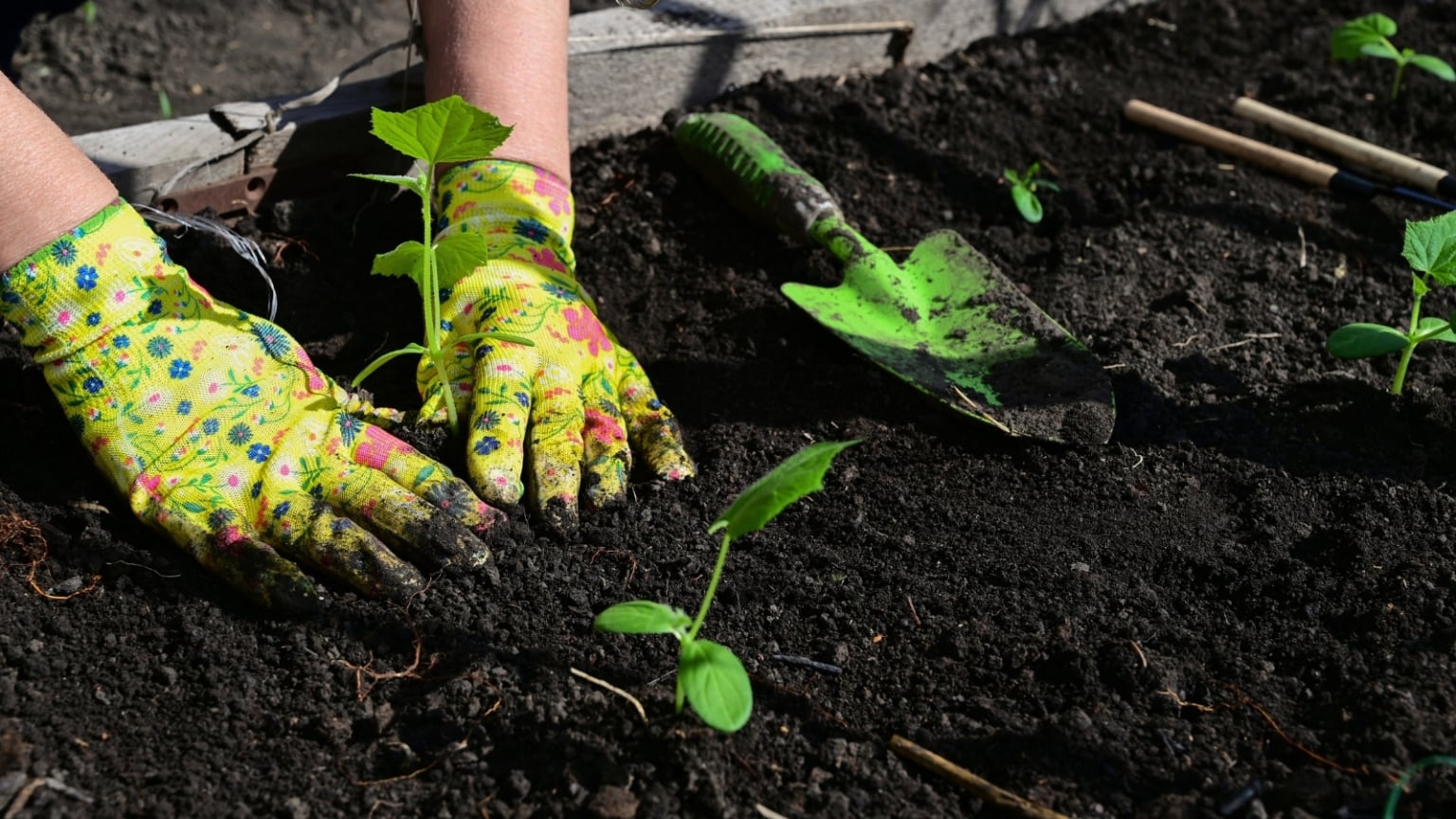
Place the root ball into the prepared hole. Fill the open space with soil and press it gently around the roots. The soil should support the plant without being packed too tightly.
Source: epicgardening.com
Water first
Make sure the root ball is moist before removing the plant from its container.
Support the root ball
Avoid pulling or lifting the seedling by its stem.
Keep roots covered
Do not leave exposed roots in the sun or wind while you prepare the hole.
Firm the soil gently
Press the soil around the root ball to remove large air gaps without crushing the soil.
Should You Loosen the Roots?
Do not break apart a healthy root ball just to loosen it. Many young seedlings have fine roots that are easy to damage. If the roots are only lightly visible around the edge, place the root ball into the hole with little disturbance.
If a plant has dense, circling roots, gently loosen the outer roots before planting. Avoid tearing apart the whole root system. If the root mass is badly packed, moving the seedling into a larger pot first may be a better choice.
Loose root ball
Plant it as it is and avoid unnecessary root handling.
Lightly circling roots
Gently guide a few outer roots outward if they can be moved without tearing.
Severely crowded roots
Consider potting up before transplanting if outdoor conditions are not yet suitable.
How Deep Should You Plant a Seedling?
Most vegetable seedlings should be planted at the same depth they grew in their containers. Keep the lower leaves above the soil. Deep planting can cover tender stems and increase the risk of decay in some crops.
Tomatoes are a useful exception. They can form roots along buried stem sections, so gardeners can plant tall tomato seedlings deeper or at an angle. Do not apply this method to every vegetable.
Most vegetables
Keep the root ball at its original growing depth.
Tall tomato seedlings
A deeper or sideways planting method may help create more roots along the buried stem.
Water and Protect Seedlings After Transplanting
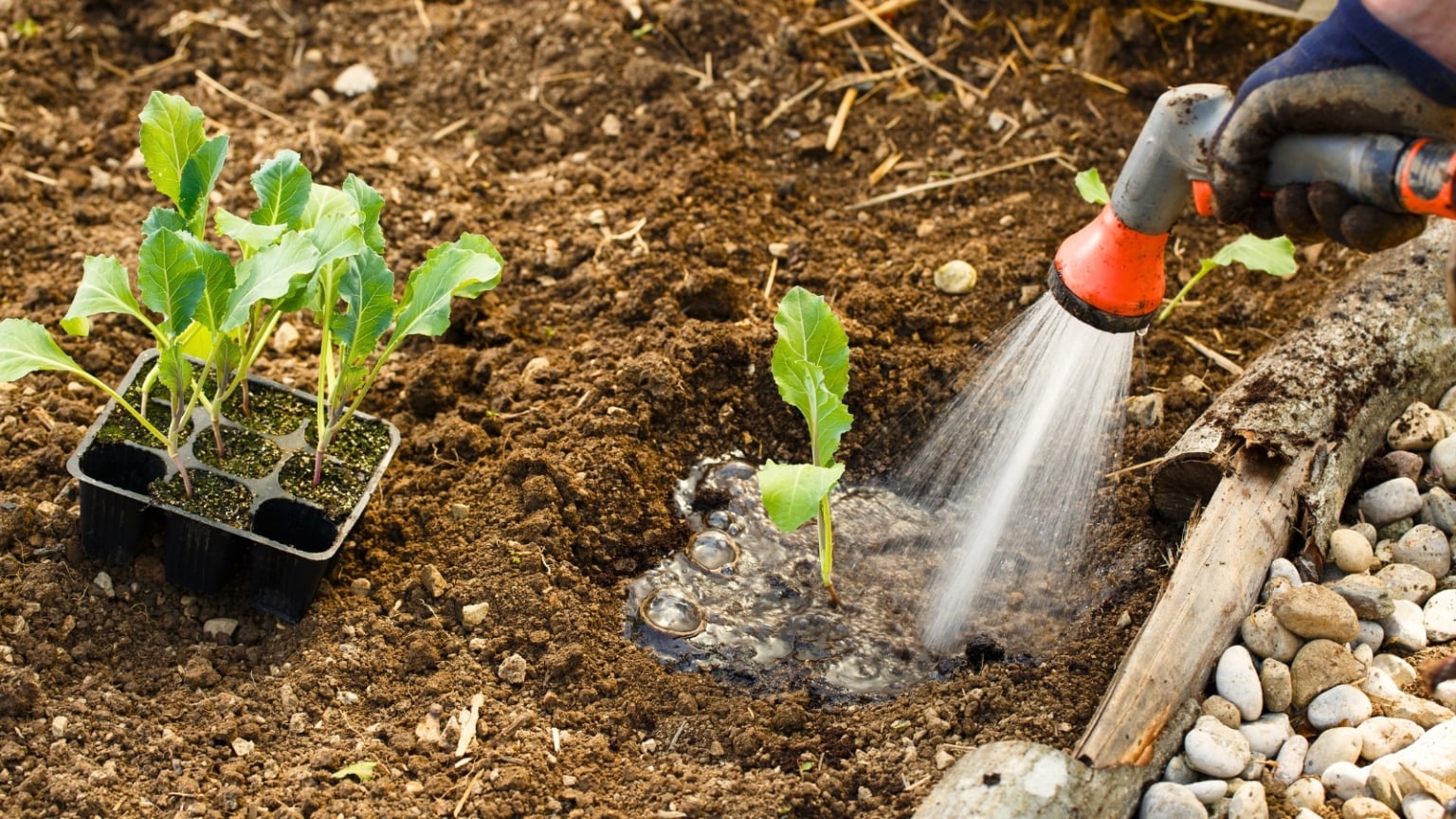
Water each seedling well after planting. Apply water near the base so it reaches the root ball and the soil around it. This helps settle the soil and gives roots a moist place to begin growing.
Keep the soil evenly moist during the early days. Do not follow a fixed watering schedule without checking the soil. Small pots, sandy beds, hot weather, and strong wind can all change how fast the soil dries.
Check the original root ball as well as the surrounding garden soil. Sometimes the potting mix dries faster than the soil around it. If the root ball is dry, the seedling may wilt even when the nearby soil feels wet.
New plants may also need short-term shade or wind protection. A light shade cloth, basket, or floating row cover can reduce stress. Remove or adjust covers when heat builds up, and allow enough air to reach the plants.
Source: epicgardening.com
Water at the base
Direct water toward the root zone instead of using a strong spray on tender leaves.
Check soil moisture
Feel the soil near the root ball before adding more water.
Use temporary shade
Protect tender seedlings from strong afternoon sun for the first few days when needed.
Block strong wind
Use a safe screen or plant cover to reduce drying wind and protect weak stems.
How Much Water Do New Transplants Need?
There is no single amount that works for every seedling. A small transplant in a warm, sandy bed may need water more often than a larger plant in rich soil. The weather and the size of the root ball also matter.
Water slowly enough for the moisture to reach the roots. Stop when the root zone is moist. If water pools on the surface or the soil stays soggy, check drainage before watering again.
Dry soil
Water the root zone slowly until the soil is moist.
Moist soil
Wait and check again later rather than adding water without need.
Saturated soil
Pause watering and improve drainage if possible.
Monitor New Seedlings and Fix Early Problems
Check new transplants often during the first week. Look at the leaves, stem, and soil around each plant. Morning checks can help you see whether a seedling has recovered from the heat of the day.
A healthy transplant should stay firm and begin to show new growth after it adjusts. Some plants take longer than others. A short pause in growth does not always mean the transplant has failed.
If a seedling wilts, check the soil before watering. Both dry roots and roots in waterlogged soil can cause wilting. Adding more water without checking can make the problem worse.
Avoid feeding a stressed seedling with strong fertilizer. Damaged roots may not take up nutrients well. High fertilizer levels can also add more stress. Wait until the plant shows signs of recovery before returning to a normal feeding plan.
Source: epicgardening.com
Check for new leaves
New growth is a useful sign that roots are working and the plant is adjusting.
Watch the stem
A firm stem is a better sign than a soft, dark, or pinched stem near the soil line.
Check the root zone
Look for dry soil, standing water, or a root ball that has pulled away from the surrounding soil.
Reduce extra stress
Avoid moving the plant again, adding strong fertilizer, or exposing it to harsh weather.
Troubleshooting Common Transplant Problems
Start with the most likely cause before taking action. Check moisture, light, and temperature first. Then look for root damage or signs of disease.
Leaves droop in the afternoon
Possible cause: heat or fast water loss. Check the soil and provide temporary shade if the plant is in strong sun. If it becomes firm again by evening, continue to monitor it.
Plant stays wilted all day
Possible cause: dry roots, damaged roots, or waterlogged soil. Check moisture near the root ball. Water only if the soil is dry.
Leaves develop pale or brown patches
Possible cause: sunburn after sudden exposure. Move the plant to partial shade and restart hardening more slowly.
Leaves turn yellow
Possible cause: excess water, root stress, or a nutrient problem. Check drainage and root health before adding fertilizer.
Stem becomes soft at the soil line
Possible cause: damping-off or another disease rather than normal transplant shock. Remove badly affected plants and improve airflow, drainage, and container hygiene.
Plant does not grow
Possible cause: slow root recovery, cold soil, or root damage. Keep conditions stable and look for new leaves before making more changes.
When Should You Replace a Seedling?
Give a stressed plant time to recover if its stem is firm and some healthy leaves remain. It may produce new roots and leaves once conditions improve. Avoid pulling it from the soil just because growth has paused.
A seedling with a rotted stem base, a broken main stem, or badly damaged roots may not recover. Replace it when the plant is clearly dead or diseased. Clean the planting space and correct the cause before adding another seedling.
Keep the plant
The stem is firm, roots are not rotting, and some leaves remain healthy.
Consider replacement
The plant is dead, the stem base has rotted, or severe root damage has left no healthy growth.
Special Care for Different Types of Seedlings
Not every plant responds to transplanting in the same way. Some crops handle root movement well, while others grow better when their seeds are planted directly in the garden. Knowing the difference can prevent avoidable root stress.
Tomatoes, peppers, cabbage, broccoli, and many herbs are often grown indoors and moved outside later. Carrots, beets, and radishes are usually better choices for direct sowing because root disturbance can affect their growth. Beans, corn, and several squash crops are also commonly direct-sown.
Cucumbers, melons, and squash can be sensitive to rough root handling. If you choose to transplant them, use young plants and keep the root ball intact. Biodegradable pots can help, but their bases and exposed rims need attention so roots and moisture can move freely.
Source: epicgardening.com
Tomatoes
They can tolerate deeper planting because roots may form along buried stem sections.
Peppers and eggplants
Wait for warm soil and safe night temperatures. Avoid cold exposure during hardening.
Lettuce and cabbage
These cool-season crops can handle cooler weather, but strong wind and sudden exposure can still cause stress.
Cucumbers and squash
Protect the root ball during removal and transplant while plants are young.
Carrots and radishes
Direct sowing is often better because disturbing the main root can affect root shape and growth.
Common Mistakes That Increase Transplant Shock
Many transplant problems come from rushing. A seedling may look ready indoors but still need time to adjust to the outside world. A careful process is often easier than trying to repair severe damage later.
Skipping hardening off
A sudden move from indoor light to outdoor sun can burn leaves and cause severe stress.
Planting at midday
High heat and direct sun can increase water loss while roots adjust.
Pulling plants by the stem
This can damage the stem and separate the roots from the growing mix.
Watering too much
Saturated soil can reduce oxygen around roots and increase the risk of root damage.
Using strong fertilizer
High fertilizer levels can harm tender roots and add stress to a plant that is already struggling.
Ignoring crop needs
Some plants need warm soil, while others handle cool weather. Use crop-specific planting advice.
A Simple Transplant Day Checklist
A short checklist can help you avoid missed steps on planting day. Prepare the garden first, then move each seedling with care. Work in small groups so roots do not sit in the open air for too long.
Keep the plants close to the planting area while you work. If you have many seedlings, use a tray or garden cart to move them. Keep them shaded until each plant is ready for its new spot.
After planting, mark the crop names and planting dates. This makes it easier to track growth and spot plants that need extra care. It also helps you compare which planting methods work best in your garden.
Before planting
Complete hardening off, check the weather, prepare the soil, and water the seedlings.
During planting
Remove each plant gently, protect the root ball, use the correct depth, and firm the soil lightly.
Right after planting
Water the root zone and add temporary shade or wind protection when needed.
During the first week
Check soil moisture, watch the leaves, protect plants from harsh weather, and look for new growth.
After recovery
Remove temporary protection when safe, resume normal care, and feed plants only when needed.
What to Check Before Taking the Next Step
Before transplanting, ask whether the crop tolerates root disturbance and whether the soil is warm enough. These two checks can change the best planting method. After planting, check whether wilting comes from dry soil, wet soil, or too much sun before you act.
If growth remains slow, review the weather, root condition, planting depth, and water supply. These checks help you find the cause instead of adding more water or fertilizer without a clear reason.
Before planting
Confirm crop readiness, root health, local frost risk, and soil conditions.
After planting
Check moisture at the root ball and watch for new leaf growth.
If problems appear
Separate normal adjustment from sunburn, water stress, root damage, and disease.
Frequently Asked Questions
Q
How long does it take for seedlings to recover from transplant shock?
Recovery time depends on the crop, root damage, weather, and care. Some seedlings begin to look better within a few days. Others need more time to form new roots and leaves.
Look for firm stems, healthier leaves, and new growth. If the plant keeps wilting, check soil moisture, drainage, and light exposure.
Q
Should I water seedlings before transplanting?
Yes. Water seedlings a few hours before transplanting so the root ball is moist and easier to remove. Avoid soaking the containers until they become waterlogged.
Water again after planting to settle the soil around the roots and help the plant adjust.
Q
Should I fertilize seedlings immediately after transplanting?
Not always. Healthy seedlings planted in fertile soil may not need extra fertilizer at once. Strong fertilizer can harm tender roots, especially when a plant is already stressed.
Use a soil test to guide nutrient needs. If a starter fertilizer is needed, follow its label and use the correct dilution. Avoid feeding wilted or water-stressed plants.
Q
Can I transplant seedlings on a sunny day?
You can, but a cloudy, mild day is often better. If the weather is sunny and warm, plant early in the morning or late in the afternoon.
Provide temporary shade and protect the seedlings from strong wind. Avoid planting during extreme heat.
Q
Can a seedling survive severe transplant shock?
Some stressed seedlings can recover if their stems and roots remain healthy. Give them stable moisture, mild light, and protection from harsh weather.
A plant with a rotted stem base, a broken main stem, or badly damaged roots may not recover. Replace it when there are no signs of healthy tissue or new growth.
✦ Wrapping Up
Conclusion
Seedling transplant shock prevention is about giving young plants time to adjust. Harden them off before planting, choose a mild day, and keep their roots safe during the move. Good soil and steady moisture also help seedlings settle into their new growing space.
Watch each plant during the first week. Check the root zone before watering, protect tender leaves from harsh sun, and avoid strong fertilizer while plants are stressed. Small steps can make a big difference in how well young plants grow.
💡 Key Takeaway
Start hardening your seedlings 7 to 14 days before planting. Prepare moist, well-drained soil, transplant during mild weather, water at the base, and check each plant daily until new growth appears.