Seedlings need nitrogen, phosphorus, potassium, calcium, magnesium, sulfur, and small amounts of other essential nutrients. Most do not need extra fertilizer while they germinate because the seed stores enough food for early growth. Begin gentle feeding when true leaves develop, if the growing mix does not already contain enough nutrients.
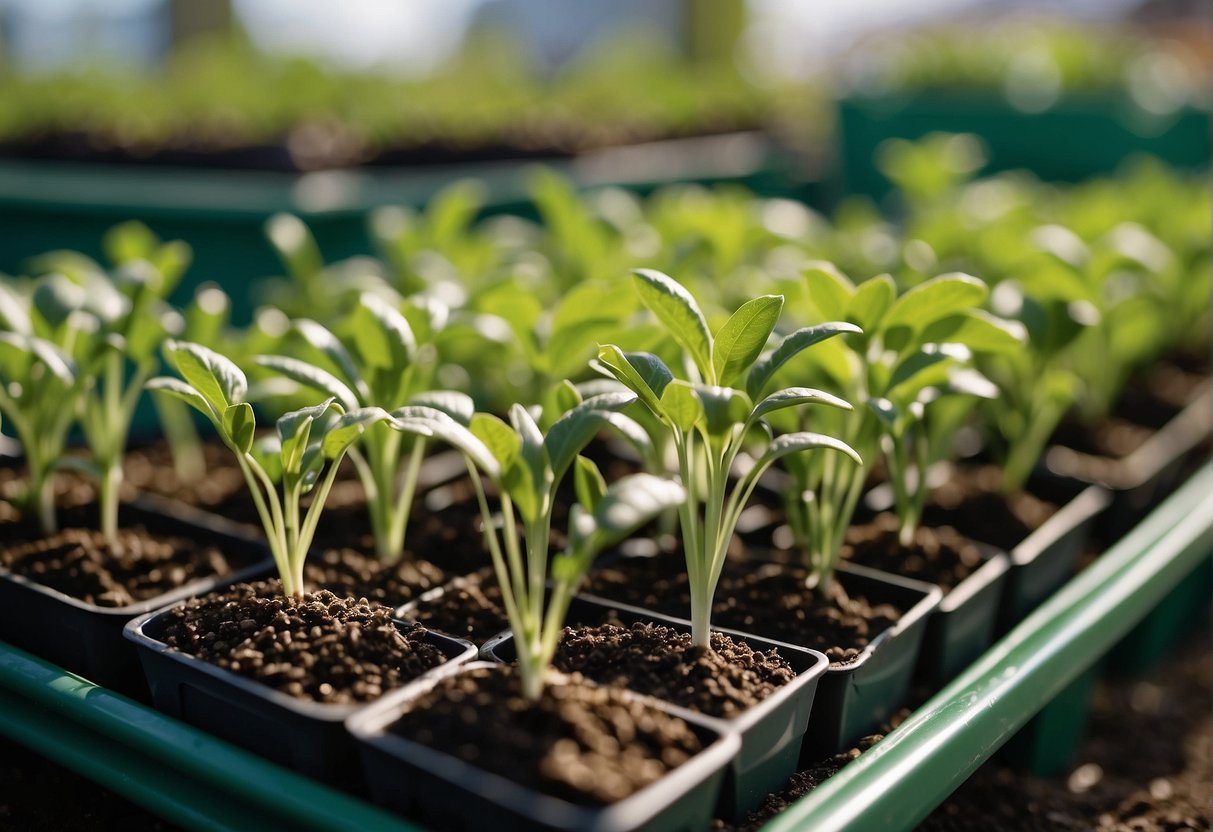
Across the United States, many home gardeners start tomatoes, peppers, cabbage, lettuce, herbs, and flowers indoors before the outdoor planting season. These young plants need the right mix of light, water, air, warmth, and nutrients. Good nutrition helps them build strong roots, firm stems, and healthy leaves before they move into the garden.
A seedling does not need the same amount of food at every stage. The seed itself holds stored food that supports germination and early growth. Once the first true leaves appear, the plant begins to rely more on nutrients from its growing mix or feeding solution.
The type of growing medium also matters. Some seed-starting mixes contain very little fertilizer, while others have a starter charge that can feed young plants for several weeks. Adding fertilizer without checking the mix can cause salt buildup, damaged roots, and weak growth.
This guide explains the main nutrients seedlings need, when to start feeding, how to choose a suitable fertilizer, and how to spot common problems. It focuses on practical methods for home gardeners while also explaining why commercial greenhouse feeding rates can differ.
Source: agrirevu.com
When Do Seedlings Need Nutrients?
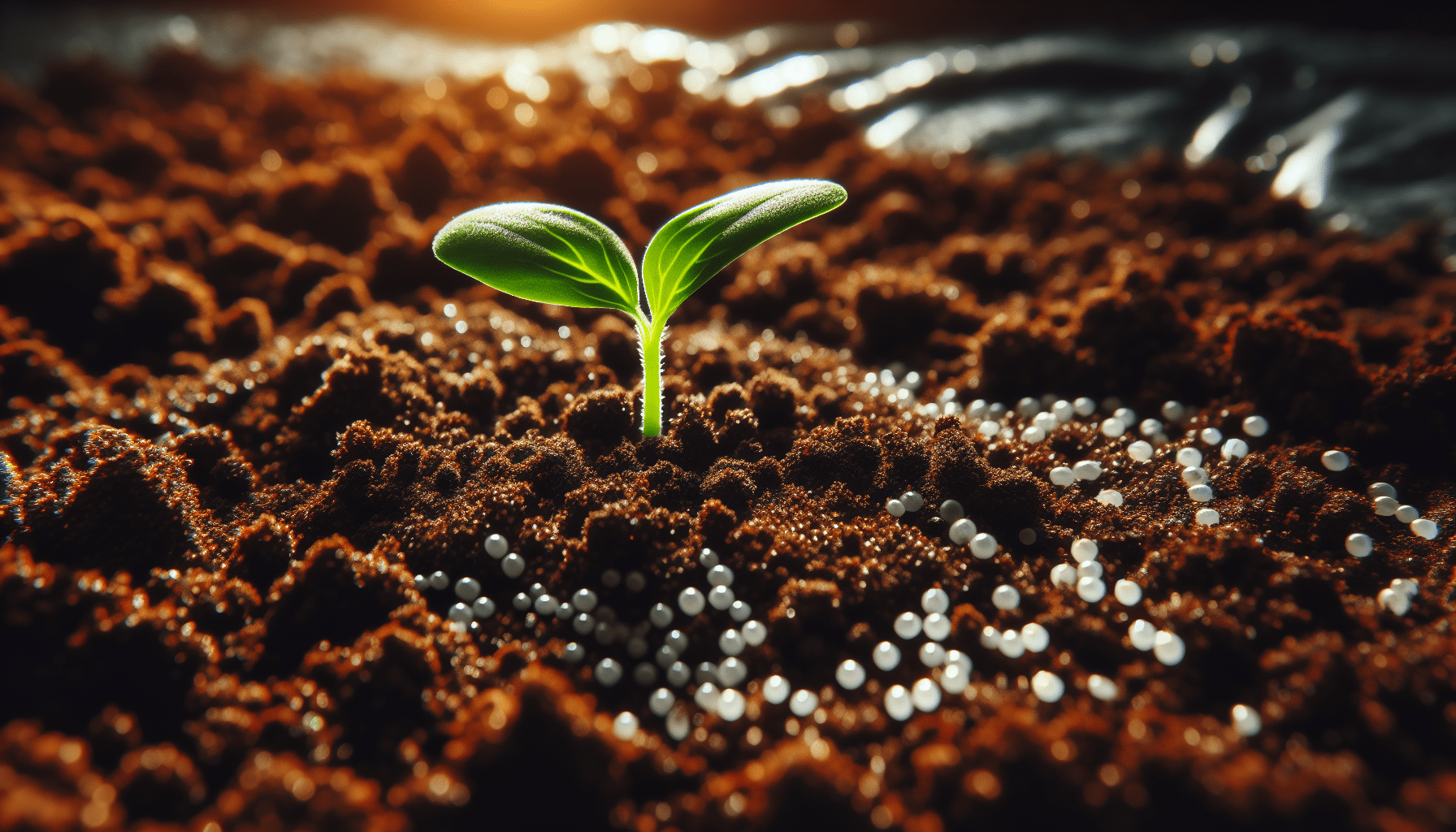
Most seedlings do not need extra fertilizer during germination. A seed contains stored food that helps the young plant form its first root and shoot. This food supports the plant until it can make more energy through photosynthesis and take up nutrients through its roots.
The first two leaves that appear are called cotyledons. They are also known as seed leaves. They may look different from the normal leaves that appear later. At this early stage, the plant still uses resources stored in the seed.
As true leaves develop, the plant starts to need a more regular supply of nutrients. This is the stage when feeding may become useful, especially if the seedling grows in a mix with little or no added fertilizer.
There is no single feeding day that works for every seedling. Plant type, growing medium, container size, light, and temperature all affect nutrient use. A small seedling in a rich potting mix may need no extra food for weeks, while one growing in plain vermiculite may need nutrients much sooner.
Source: agrirevu.com
Germination stage
The seed absorbs water and begins to grow. Stored food supports early development. Do not add fertilizer directly to the seed or use a strong nutrient solution.
Cotyledon stage
The first seed leaves open. The plant begins photosynthesis, but stored seed nutrients and any starter fertilizer in the mix may still meet its needs.
First true leaves
The plant begins to develop its normal leaves and a larger root system. Check the growing mix and consider a weak fertilizer if the mix has little available nutrition.
Active seedling growth
More leaves and roots develop. Nutrient demand rises as the plant grows. Feeding may need to become more regular, based on the crop and growing conditions.
Pre-transplant stage
The seedling needs enough nutrition to stay healthy, but excessive feeding can cause soft growth. Focus on compact plants with strong roots.
How to Tell True Leaves From Seed Leaves
Cotyledons are the first leaves to appear after a seed sprouts. They often have a simple shape and may look different from the mature leaves of the plant. Their main role is to support the young seedling during its first stage of growth.
True leaves appear after the cotyledons. They usually have the shape and pattern that you would expect from the mature plant. For example, a young tomato plant develops small leaves with the familiar tomato leaf shape.
The appearance of true leaves is a useful sign that the plant is ready to move toward normal nutrient uptake. However, it does not mean that every seedling needs fertilizer at once. Check the growing medium first.
Cotyledons
These are the first seed leaves and often look simple or rounded.
True leaves
These develop after the cotyledons and resemble the normal leaves of the plant.
Why Fertilizer Advice Can Differ
Home gardening and commercial greenhouse production do not always use the same feeding schedule. Home gardening advice often recommends waiting until seedlings have several true leaves before using a weak fertilizer. Commercial plug growers may begin with very dilute nutrient solutions as the cotyledons open.
These methods serve different growing systems. Greenhouse growers often use carefully prepared media, measured nutrient solutions, and controlled irrigation. Home gardeners may use potting mixes that already contain fertilizer and may water less often.
For home use, the safest approach is to check the mix, watch the plant, and begin with a low rate when extra nutrients are needed. Do not copy commercial feeding rates without understanding their conditions.
Home seed starting
Use the fertilizer charge in the mix first. Begin gentle feeding when the plant has developed true leaves and needs extra nutrition.
Commercial plug production
Measured nutrient solutions may be used at earlier stages. Rates depend on crop type, media, irrigation, and production goals.
Which Nutrients Do Young Seedlings Need?
Young seedlings need a complete supply of essential plant nutrients. Each nutrient has a different job. Some help build leaves and roots, while others support photosynthesis, water balance, and new cell growth.
The three main nutrients found on most fertilizer labels are nitrogen, phosphorus, and potassium. They are often called NPK. However, healthy seedlings also need secondary nutrients and trace elements.
A lack of one essential nutrient can slow growth even when all the other nutrients are present. Adding more nitrogen, for example, cannot correct a shortage of iron or calcium. Good seedling nutrition depends on balance, not on using the largest amount of fertilizer.
Source: pmc.ncbi.nlm.nih.gov
Nitrogen (N)
Nitrogen supports leaf growth, chlorophyll production, and the formation of proteins. It helps seedlings develop green leaves and healthy shoots. Too little nitrogen can cause pale leaves and slow growth, while too much can produce soft, weak plants.
Phosphorus (P)
Phosphorus helps plants transfer and store energy. It supports root development, cell growth, and early plant development. A shortage may cause slow growth or purple coloring, although cold roots can also limit phosphorus uptake.
Potassium (K)
Potassium helps control water movement and supports many plant enzymes. It also helps plants manage normal growth and stress. Low potassium may cause yellow or brown leaf edges.
Calcium (Ca)
Calcium supports cell walls and new growing points. It is needed for healthy roots, stems, and young leaves. Poor water movement can limit calcium delivery even when the growing mix contains enough of it.
Magnesium (Mg)
Magnesium is part of chlorophyll, which plants use to capture light for photosynthesis. A shortage may cause yellow areas between the veins of older leaves.
Sulfur (S)
Sulfur helps plants make certain proteins and amino acids. It supports normal leaf growth and plant development. A shortage can cause pale leaves and weak growth.
Iron (Fe)
Iron helps plants make chlorophyll and supports several important plant processes. Low iron availability often causes young leaves to turn yellow while their veins remain green.
Other micronutrients
Manganese, zinc, copper, boron, molybdenum, chlorine, and nickel support enzyme activity, cell development, and other plant functions. Plants need these nutrients in small amounts, so excess can be harmful.
Why Nitrogen, Phosphorus, and Potassium Must Stay Balanced
The three NPK nutrients work together, but they do not do the same job. Nitrogen supports leaf and shoot growth. Phosphorus supports energy transfer and root development. Potassium helps manage water balance and enzyme activity.
A fertilizer with a high nitrogen level may cause fast leaf growth without giving the plant enough of the other nutrients. A high-phosphorus product is not automatically better for young roots. Excess phosphorus can also affect the availability of some other nutrients.
Choose a complete fertilizer that provides the nutrients the crop needs. A balanced product does not have to show three identical numbers. The right formula depends on the growing medium, plant type, and stage of growth.
For leaf growth
Provide enough nitrogen without pushing the plant into soft, excessive shoot growth.
For root development
Maintain suitable phosphorus availability, good air flow in the growing mix, and steady moisture.
For overall health
Provide potassium and the other essential nutrients in suitable amounts.
What Do the Three Fertilizer Numbers Mean?
A fertilizer label often shows three numbers, such as 10-10-10 or 20-20-20. These numbers show the percentage by weight of nitrogen, phosphate, and potash in that order. They are commonly used to describe the NPK content of the product.
A 10-10-10 fertilizer contains 10 percent nitrogen, 10 percent phosphate, and 10 percent potash by weight. The second and third numbers use oxide forms on the label rather than showing the exact weight of elemental phosphorus and potassium.
A higher number does not mean that a fertilizer is always better. A strong product can damage young roots if it is mixed or applied at the wrong rate. Read the full label, including the micronutrient list and directions for young plants.
First number
Nitrogen content.
Second number
Phosphate content, expressed as P2O5.
Third number
Potash content, expressed as K2O.
Check the Growing Mix Before Adding Fertilizer
The growing medium is one of the most important parts of a seedling feeding plan. It may already contain enough nutrients for early growth. Adding more fertilizer without checking can lead to an excess of soluble salts around the roots.
Seed-starting mixes often contain peat moss, coco coir, perlite, or vermiculite. These materials provide a light structure that allows roots to grow and water to drain. However, some have very little natural nutrient content.
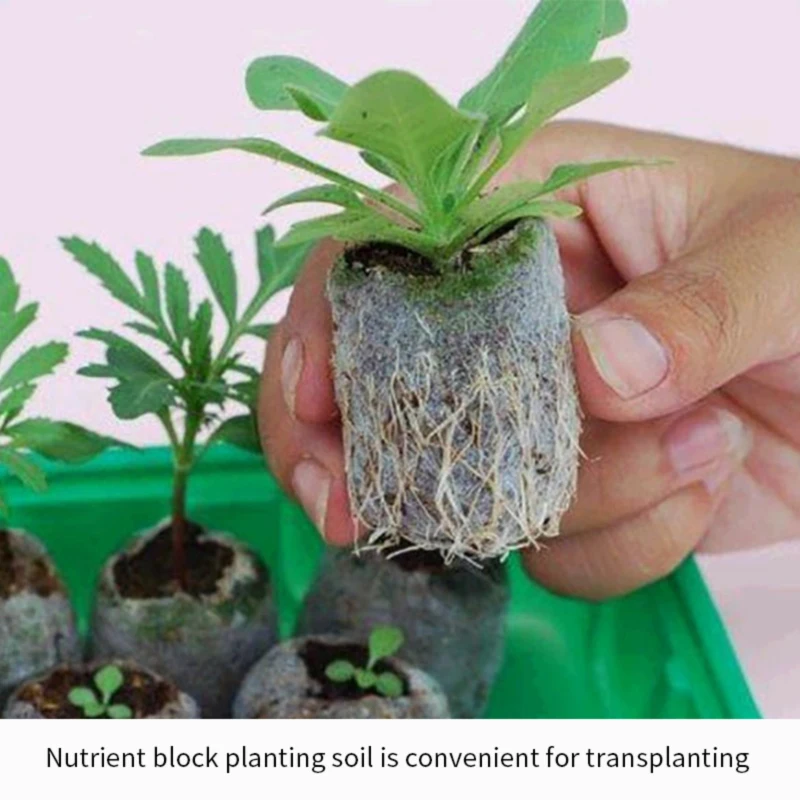
Other mixes include a starter fertilizer. This small amount of added nutrition can support the seedling for a few weeks. Some potting mixes may provide enough nutrients for five or six weeks, depending on the product and growing conditions.
Always read the package before feeding. Look for words such as starter fertilizer, added nutrients, slow-release fertilizer, or feeds for several weeks. These details help you avoid giving a young plant more food than it can use.
Source: aliexpress.com
Seed-starting mix
Usually has a light texture and may contain little fertilizer. Check the label before planning a feeding schedule.
Potting mix
May contain added fertilizer that supports early growth. Wait until the starter charge is used or the plant needs more nutrition.
Plain vermiculite
Provides a growing medium but little nutrition. Seedlings may need a suitable nutrient solution once stored seed food is no longer enough.
Hydroponic media
Materials such as rockwool or inert clay pellets do not provide a full nutrient supply. Use a suitable hydroponic nutrient plan when the seedling reaches the feeding stage.
Why Growing Medium Quality Matters
A good growing mix holds enough water for the roots while leaving space for air. Roots need oxygen to function and absorb nutrients. A mix that stays wet for too long can limit root growth and create conditions for root disease.
A mix that drains too fast may dry out before the next watering. This can limit nutrient movement and cause stress. Even a complete fertilizer cannot help much if the roots cannot take up water.
Avoid using heavy garden soil in small seed trays. It may hold too much water and can contain weed seeds or harmful organisms. A clean seed-starting or potting mix is usually a better choice.
Good water retention
The mix should hold enough moisture to support young roots without staying soaked.
Good drainage
Excess water should leave the container through drainage holes.
Good air space
Roots need oxygen for healthy growth and nutrient uptake.
Understand pH and Salt Levels
The pH of a growing mix affects how easily roots can absorb nutrients. A mix may contain enough iron, phosphorus, or calcium, yet the plant may not be able to use it if the pH is unsuitable.
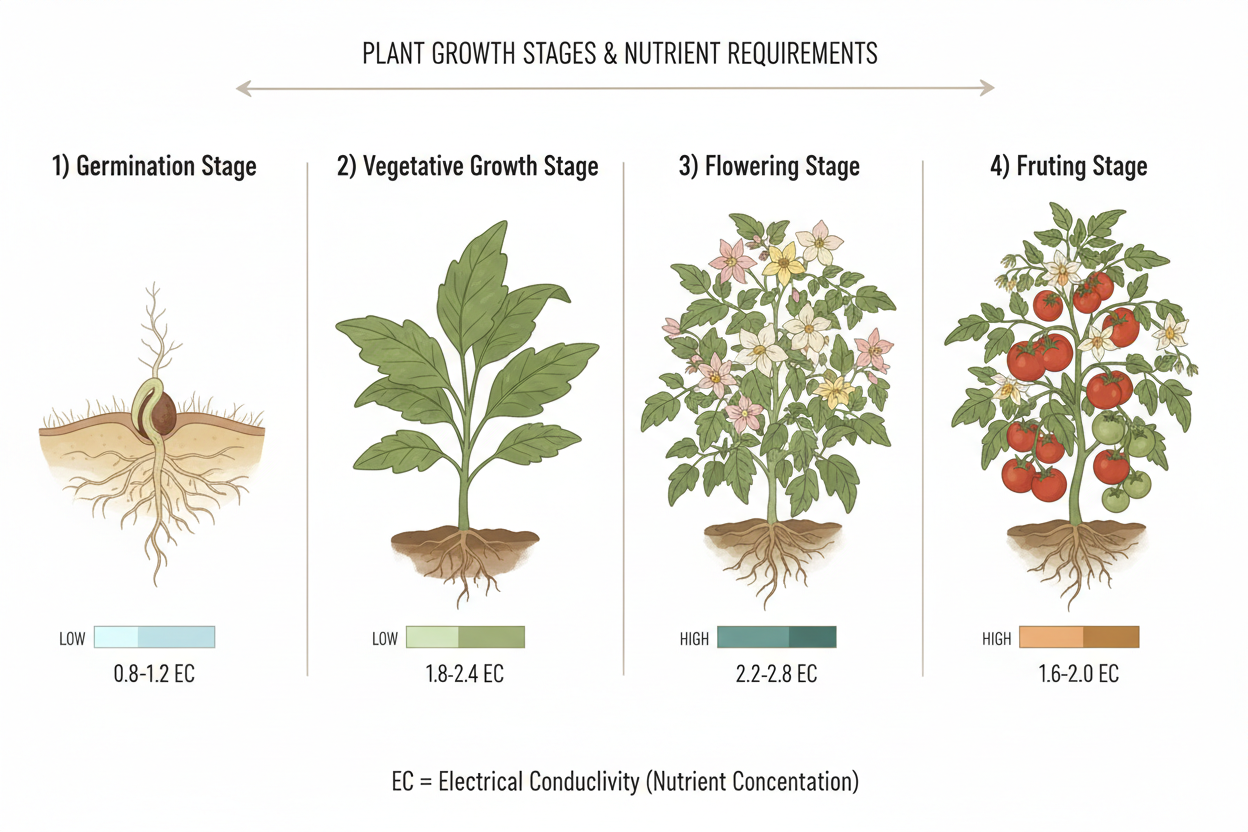
Electrical conductivity, or EC, is a measure of dissolved salts in the growing medium or nutrient solution. Fertilizer adds these salts. When the level becomes too high, roots may struggle to absorb water and can suffer damage.
Small seedling cells hold little growing medium, so salt levels can change quickly. If plants show leaf-tip burn or poor root growth, check the feeding rate and water quality before adding more fertilizer. Use a test method suited to seedling media rather than applying field soil test limits to a small pot.
Check pH
Use a suitable test and compare the result with the needs of the crop and growing medium.
Watch EC
High soluble salt levels can injure young roots even when the nutrients themselves are needed.
Check water quality
Hard or alkaline water can change nutrient availability and the pH of the growing mix over time.
How to Feed Seedlings Safely
The safest way to feed seedlings is to use a complete fertilizer at a low rate and increase feeding only when the plant and growing medium call for it. Young roots are more sensitive to excess fertilizer than the roots of established plants.
For a home gardener, a weak water-soluble fertilizer is often easy to manage. It mixes with water and delivers nutrients to the root zone. A product made for seedlings, vegetables, or general container plants can work when its label supports that use.
Do not judge the correct amount by the color of the fertilizer or the number of nutrients listed on the front of the package. Follow the mixing directions. If the label provides a special seedling rate, use that rate instead of the standard rate for mature plants.
Source: evergreenseeds.com
Step 1: Read the growing mix label
Check whether the mix contains starter fertilizer and how long the added nutrients are expected to last. This helps you decide whether extra feeding is needed.
Step 2: Wait for the right stage
Allow the seedling to use its stored food during germination. For ordinary home seed starting, consider feeding after true leaves appear if the medium has little or no added fertilizer.
Step 3: Choose a complete fertilizer
Select a water-soluble product with nitrogen, phosphorus, potassium, and suitable micronutrients. Avoid choosing a product only because it has a high phosphorus number.
Step 4: Start with a weak solution
If the product has no seedling instructions, one-quarter of the normal label strength is a conservative starting point for small home seedlings in nutrient-free media. Some extension guidance uses half-strength weekly feeding, so crop, media, and product instructions still matter.
Step 5: Feed once and observe
For a simple home routine, begin with one weak application per week. Use plain water as needed during the rest of the week. Do not feed again simply because several days have passed.
Step 6: Apply fertilizer to moist media
Avoid placing a concentrated fertilizer solution around dry roots. Water the medium first if it is very dry, then apply the correctly mixed solution according to the label.
Step 7: Watch the response
Healthy growth should remain compact and steady. If leaves become dark and soft, tips burn, or growth becomes weak, reduce or stop feeding and check the growing conditions.
How Much Fertilizer Should Seedlings Receive?
There is no universal fertilizer dose for every seedling. A small plant in a rich potting mix needs less added nutrition than a larger plant in an unfertilized medium. The concentration also depends on how often fertilizer is applied and how much solution reaches the roots.
For small home seedlings, a low starting rate is usually safer than a full-strength solution. If a fertilizer label gives a specific rate for seedlings, follow it. If the seedlings are growing well and the mix still contains nutrients, additional feeding may not be needed.
Commercial greenhouse programs may use measured nitrogen concentrations. Some plug-production guidelines begin around 25 to 50 parts per million nitrogen as cotyledons open and increase to about 50 to 100 parts per million as the first true leaves develop. These are controlled production targets, not teaspoon-per-gallon instructions for home gardeners.
Do not copy commercial rates without considering the fertilizer, water, crop, growing medium, and application frequency. A solution that works in a monitored greenhouse system may be too strong for a small home seed tray.
Small home seedlings
Use a seedling label rate or begin with a conservative diluted solution when extra nutrients are needed.
Larger seedlings
Adjust feeding as roots and leaves develop, but avoid forcing rapid growth before transplanting.
Commercial production
Use crop-specific nutrient targets and proper measuring tools. Monitor the growing medium and irrigation system.
When Should You Stop or Reduce Feeding?
Reduce fertilizer if seedlings become too large, soft, or unusually dark green. Excess nutrients can produce rapid shoot growth without an equally strong root system. This can make plants harder to handle and less ready for outdoor conditions.
You may also need to reduce feeding when growth slows during cool or low-light periods. Plants use nutrients more slowly when their growth rate drops. Continuing a strong feeding schedule during this time can cause salts to build up in the medium.
If seedlings are ready for transplanting, focus on good water management and gradual outdoor adjustment. Do not try to make them larger by applying extra fertilizer just before planting.
Soft or stretched growth
Review fertilizer use and light levels. More light and less excess nitrogen may help produce stronger plants.
Burned leaf tips
Stop feeding and check for excess salts, dry roots, and poor drainage.
Slow growth in cold conditions
Check temperature and root health before increasing fertilizer.
How Nutrient Needs Change by Plant and Growing System
Different plants can use nutrients at different rates. Tomatoes, peppers, and cabbage-family crops may need more nutrition during longer transplant production than some slower or lighter-feeding crops. Cucumbers, squash, and basil may need a different feeding plan based on their growth rate and the time they spend in their containers.
The size of the plant also matters. A large seedling with several true leaves has more leaf area and a larger root system than a newly emerged plant. It can use more nutrients, but it also needs enough light, water, and space to use them well.
Growing conditions can change nutrient demand. Warm conditions and strong light often support faster growth and greater nutrient use. Cool conditions, weak light, or waterlogged roots slow growth and can reduce nutrient uptake.
Source: seedcellar.com
Tomatoes and peppers
These crops often stay in trays or pots for several weeks. Check the starter charge and provide a complete feeding program if the mix no longer supplies enough nutrients.
Cabbage-family crops
Broccoli, cabbage, cauliflower, and related crops need balanced nutrition for healthy leaf and root growth. Avoid excess feeding that produces soft transplants.
Cucumbers and squash
These crops often grow quickly and may spend less time in small containers. Their short seedling period can reduce the need for repeated fertilizer applications.
Herbs and flowers
Nutrient needs vary widely by species. Some herbs and flowers grow well with light feeding, while others need more careful control of nutrient levels.
Nutrients for Hydroponic Seedlings
Hydroponic seedlings grow without ordinary garden soil. Their nutrients must come from a prepared nutrient solution or another suitable source. The solution must supply all essential nutrients in forms the roots can absorb.
Some hydroponic systems begin with seeds in plugs or cubes. The seed supports the first stage of growth, but the plant needs an external nutrient supply as it develops. Begin with a seedling-specific feeding plan rather than using a strong solution made for mature plants.
Monitor pH and EC as the plants grow. A nutrient solution can contain all the right elements but still fail if its pH is unsuitable or its salt concentration is too high. Follow the nutrient manufacturer’s instructions for the crop and stage.
Use a complete solution
Choose nutrients designed for the hydroponic system and crop.
Monitor pH
Keep the solution within the range recommended for the crop and nutrient system.
Monitor EC
Check the dissolved salt level to avoid feeding too strongly.
Keep equipment clean
Clean reservoirs and tools as directed to reduce algae and root disease.
Why Crop-Specific Nutrient Charts Need Care
A nutrient chart made for one crop should not be treated as a universal feeding guide. Different plants have different growth rates, nutrient demands, and responses to fertilizer strength. A chart designed for cannabis seedlings, for example, should not automatically be used for tomato, pepper, or flower seedlings.
Even within one crop, the correct rate may change with the growing medium, water quality, light level, and plant stage. Use crop-specific information only when it matches the plant and growing system you are using.
Match the crop
Check that the nutrient guide was made for the plant you are growing.
Match the growth stage
Do not use mature-plant feeding rates on newly emerged seedlings.
Match the system
Soil, soilless mixes, and hydroponic systems can require different feeding methods.
How to Recognize and Fix Seedling Nutrient Problems
Nutrient problems can appear as yellow leaves, purple stems, brown edges, or slow growth. However, these signs do not always mean the plant needs fertilizer. Poor light, cold temperatures, excess water, damaged roots, and unsuitable pH can cause similar symptoms.
Look at the whole plant before changing the feeding plan. Check whether the problem affects old leaves or new leaves. Also check the roots, growing medium, water routine, and light source. These details help you narrow down the cause.
Avoid adding several products at once. If you change fertilizer, pH, watering, and lighting together, it becomes hard to tell which change helped. Correct the most likely problem first and watch for new growth.
Pale or yellow older leaves
Possible causes include low nitrogen, low overall nutrition, poor roots, and overwatering. Check the growing mix and root condition before feeding.
Purple leaves or stems
Low phosphorus availability can cause purple coloring. Cold or wet growing media may limit phosphorus uptake even when the medium contains enough phosphorus.
Yellow young leaves with green veins
This can point to low iron availability. High pH, damaged roots, or poor water movement may be the real cause.
Brown or burned leaf tips
Excess fertilizer salts, dry roots, and poor water management can cause leaf-tip burn. Stop feeding while you check the growing medium.
Twisted or distorted new leaves
Possible causes include calcium or boron problems, high soluble salts, cold conditions, and water stress. Do not add extra boron without a reliable diagnosis.
Small seedlings with slow growth
Low nutrients are one possible cause, but weak light, cold temperatures, waterlogged roots, and crowded containers are also common causes.
Use This Troubleshooting Order
Start with the conditions that affect every nutrient problem. Check light first because seedlings need enough light to make energy and use nutrients for growth. Then check temperature, moisture, drainage, and root health.
Next, read the growing mix and fertilizer labels. If the mix has little nutrition and the seedling has several true leaves, a weak complete fertilizer may help. If the plant has signs of salt injury, adding more fertilizer can make the problem worse.
When symptoms continue, test the growing medium if possible. A suitable pH or EC test can help separate a nutrient shortage from poor nutrient availability or excess salts. For commercial production, a growing-media test can be more useful than guessing from leaf color alone.
Check the light
Make sure seedlings receive enough light each day. Weak light can cause thin stems and slow growth.
Check water and drainage
The medium should stay moist but not waterlogged. Empty standing water from trays.
Check temperature
Cold roots can reduce nutrient uptake and slow plant growth.
Inspect roots
Healthy roots should be firm and free from signs of rot. Damaged roots cannot absorb nutrients well.
Review fertilizer history
Check the type, strength, and frequency of every recent application.
Test the growing medium
Use pH and EC testing when the cause remains unclear or the problem affects many seedlings.
What to Do When You Suspect Overfertilization
If you suspect excess fertilizer, stop feeding for now. Check whether the medium has a white salt crust, burned leaf tips, or damaged roots. These signs can point to high soluble salt levels, although they are not proof on their own.
If the medium drains well and the plant is not waterlogged, a careful flush with clean water may help remove excess soluble salts. Allow the excess water to drain away. Do not leave the container sitting in the runoff.
If roots are badly damaged or the medium remains saturated, flushing may not solve the problem. Improve drainage and consider moving a healthy seedling into fresh, suitable growing mix. Avoid adding more fertilizer until new growth shows that the plant is recovering.
Stop fertilizer
Do not add more nutrients while salt injury is suspected.
Check drainage
Make sure the container has open drainage holes and does not hold standing water.
Flush carefully if suitable
Use clean water only when the medium can drain freely and the roots are not already waterlogged.
Wait for new growth
Look for healthy new leaves before starting a weak feeding plan again.
Common Mistakes When Feeding Seedlings
Many seedling problems come from giving too much fertilizer or feeding at the wrong time. Young plants have small root systems and limited growing space. They cannot handle the same nutrient concentration as large, established plants.
A simple feeding plan is usually better than using many products. Start with a suitable growing mix, use the nutrients already present, and add more only when the plant needs them. This helps protect young roots and keeps the growing medium in better balance.
Feeding before germination
Seeds already contain stored food for early development. Strong fertilizer near a seed can increase salt stress and may harm germination.
Using full-strength fertilizer too early
A strong solution can injure delicate roots and burn young leaves. Use a seedling rate or a suitable diluted solution.
Assuming yellow leaves always mean nitrogen deficiency
Yellowing may result from poor light, excess water, cold roots, or unsuitable pH. Check the growing conditions before adding nitrogen.
Choosing fertilizer only for its phosphorus level
A high middle number does not guarantee better root growth. Excess phosphorus can create nutrient imbalances.
Adding too many supplements
Using several fertilizers, seaweed products, and mineral supplements at the same time makes nutrient levels harder to control.
Ignoring the growing mix label
Some mixes already contain fertilizer. Adding more without checking can create excess salts.
Feeding dry or stressed roots
Dry roots are more vulnerable to fertilizer salts. Restore suitable moisture before applying a nutrient solution.
Using too much organic fertilizer
Organic products can still contain high nutrient or salt levels. Their release rate may also vary with temperature and microbial activity.
Adding trace elements without a reason
Micronutrients are needed in small amounts. Excess boron, copper, or other trace elements can harm young plants.
Forcing rapid growth before transplanting
Too much fertilizer can create tall, soft seedlings with weak roots. Aim for steady and compact growth instead.
Are Organic Fertilizers Always Safer?
Organic fertilizers can supply useful nutrients, but organic does not always mean mild. Fish-based feeds, compost products, and other organic liquids may contain enough soluble nutrients to damage small roots if used at high rates.
Some organic nutrients need soil organisms to break them down before plants can use them. This process may be slow or uneven in a clean, low-microbial seed-starting mix. A water-soluble fertilizer can provide more predictable feeding when a precise nutrient supply is needed.
Choose a product based on its nutrient content, label directions, and suitability for young plants. Do not assume that an organic product can be used without dilution.
Organic fertilizer
Can add nutrients and organic compounds, but release rates may vary.
Water-soluble fertilizer
Provides readily available nutrients and allows easier control of the feeding rate.
Slow-release fertilizer
May work after potting up, but release depends on product design, moisture, and temperature.
Prepare Healthy Seedlings for Transplanting
A healthy seedling should be ready to grow in a larger container or garden bed without depending on heavy fertilizer. Look for firm stems, healthy leaves, and roots that fill the growing space without forming a thick, tangled mat.
If the roots have filled the container, move the plant into a slightly larger pot with fresh growing mix. Check the new mix label because it may already contain a starter charge. Do not automatically repeat the same fertilizer application after potting up.
As outdoor planting time approaches, begin hardening off indoor seedlings. This means slowly exposing them to outdoor light, wind, and temperature changes. The process helps plants adjust before they move into the garden.
Do not use a strong fertilizer application to prepare seedlings for outdoor planting. The goal is to maintain steady growth and good root health. Extra nitrogen can make young plants soft and less able to handle the change in conditions.
Source: hydroexperts.com.au
Check root development
Look for healthy roots that hold the growing mix together without forming a dense, tangled mass.
Use fresh growing mix when potting up
Choose a suitable mix and check whether it contains added fertilizer before feeding again.
Keep water steady
Avoid both dry root balls and waterlogged containers.
Provide strong light
Maintain enough light for compact growth and healthy leaves.
Harden off gradually
Increase outdoor exposure over several days or about two weeks, depending on the crop and weather.
Test garden soil when needed
Use a soil test to guide fertilizer use in the final planting area rather than guessing from the seedling’s appearance.
Signs of a Well-Nourished Seedling
A well-nourished seedling usually has healthy green leaves, a firm stem, and steady new growth. Its leaves should look normal for the crop. The roots should be healthy and able to hold the growing medium together.
The largest seedling is not always the best one. A very tall plant with soft stems may have received too much nitrogen or too little light. A smaller, compact plant with strong roots may handle transplanting much better.
Watch new growth rather than expecting damaged old leaves to return to normal. If the cause of a nutrient problem has been corrected, new leaves often provide the clearest sign of recovery.
Healthy leaves
Leaves have normal color and shape for the crop, with no unexplained burning or distortion.
Strong stems
Stems remain firm and compact rather than thin, soft, or stretched.
Healthy roots
Roots show active growth and are not dark, mushy, or damaged.
Steady growth
New leaves develop at a normal rate without signs of nutrient stress.
Frequently Asked Questions
Q
Do seedlings need fertilizer as soon as they sprout?
No. Most seeds contain enough stored food to support germination and early growth. Wait until the plant develops true leaves and check whether the growing mix already contains fertilizer. Begin gentle feeding only when the plant needs extra nutrients.
Q
What is the best NPK ratio for seedlings?
There is no single NPK ratio that works for every seedling. A complete fertilizer with nitrogen, phosphorus, potassium, and suitable micronutrients is a good starting point. Choose a product made for young plants and follow its mixing instructions.
Q
How often should I fertilize young seedlings?
For small home seedlings in nutrient-free growing media, a weak water-soluble fertilizer once a week can be a useful starting routine after true leaves appear. Some plants need less frequent feeding, especially when the mix contains starter fertilizer. Always follow the product label and watch the plant.
Q
Why are my seedlings turning purple?
Purple leaves or stems can indicate low phosphorus availability, but they do not always mean the growing mix lacks phosphorus. Cold or wet roots can prevent the plant from taking up enough phosphorus. Check temperature, drainage, and root health before adding more fertilizer.
Q
Can too much fertilizer kill seedlings?
Yes. Excess fertilizer can raise salt levels around young roots and make water uptake difficult. It may cause burned leaf tips, damaged roots, weak growth, or plant death. Stop feeding if you suspect fertilizer injury and check the growing medium and drainage.
✦ Wrapping Up
Conclusion
Good seedling nutrition starts with the right timing and a balanced supply of nutrients. Seeds provide stored food during germination, while growing mixes may supply extra nutrition during early development. Once true leaves appear, check the medium and begin gentle feeding only when the plant needs it.
Nitrogen, phosphorus, and potassium support major growth processes, while calcium, magnesium, sulfur, and micronutrients help roots, leaves, and new cells develop. However, fertilizer alone cannot create healthy seedlings. Good light, suitable temperatures, proper watering, healthy roots, and a well-drained growing mix are just as important.
The best feeding plan is one that matches the plant, growing medium, and growth stage. Avoid strong fertilizer solutions and do not treat every yellow leaf as a nutrient shortage. Check the growing conditions first, make one careful change, and watch the new growth.
💡 Key Takeaway
Check your seed-starting mix label today. If it contains no starter fertilizer and your seedlings have developed true leaves, choose a complete water-soluble fertilizer, begin with a weak seedling-safe rate, and feed only as needed. Keep the medium moist but well drained, and watch new growth for signs of healthy development.