You can identify your garden soil type by checking texture, drainage, structure, and pH with simple at-home tests.
Knowing your garden soil type is one of the smartest first steps you can take as a gardener. I’ve seen many plant problems trace back to the same root cause: the soil was either too sandy, too heavy, too acidic, or simply low in life. Once you understand what is under your feet, every choice gets easier, from watering to fertilizer to plant selection.
Why your garden soil type matters
Garden soil is more than dirt. It is the living base that feeds roots, holds water, and gives plants air. If you match your plants to the right soil, they grow stronger and need less rescue care.
I learned this the hard way with tomatoes in a bed that drained too fast. They looked fine in the morning and wilted by afternoon. After testing the soil, I found it was mostly sand, which explained everything.
Your garden soil type affects:
- Water retention and drainage
- Root growth and nutrient flow
- How often you need to water
- Which plants will thrive
- How much compost or amendment you need
When you identify your garden soil type, you stop guessing. That saves time, money, and a lot of plant stress.
The main garden soil types to look for
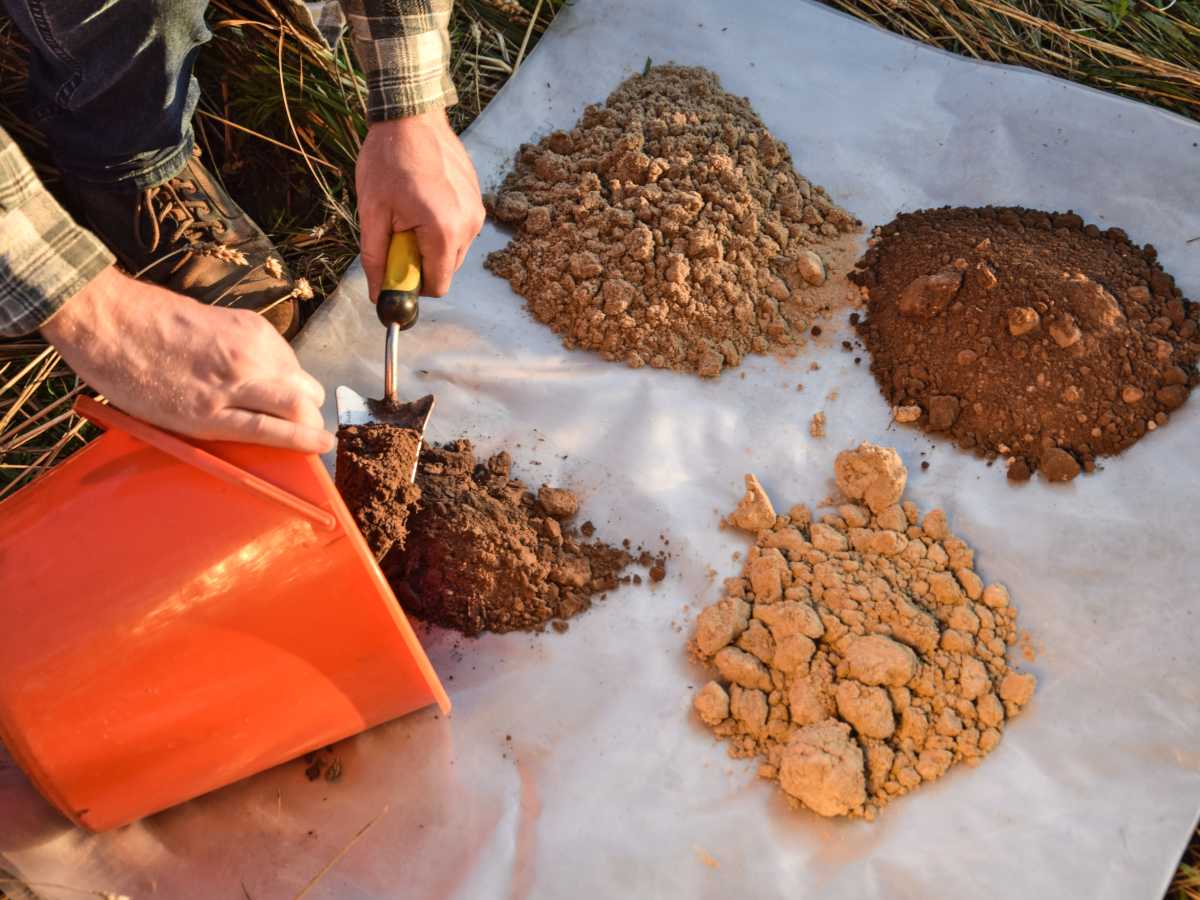
Most home gardens fall into a few common soil types. Each one has a different feel, look, and behavior. Once you learn the signs, you can spot them fast.
Sandy soil
Sandy soil feels gritty and loose. It drains very fast and warms up quickly in spring. The downside is that it does not hold water or nutrients well.
You may have sandy soil if:
- It crumbles easily in your hand
- Water disappears fast after rain
- Plants dry out quickly
- The soil looks light in color and texture
Sandy soil is often easier to dig, but it needs frequent watering and organic matter.
Clay soil
Clay soil feels sticky when wet and hard when dry. It holds water well, but it can compact easily and slow root growth. In wet weather, it may feel heavy and slippery.
You may have clay soil if:
- It forms a tight ribbon or ball when squeezed
- It sticks to tools and shoes
- Water pools or drains slowly
- It cracks when dry
Clay can be very fertile, but only if it has enough structure and air spaces.
Silt soil
Silt soil feels smooth and soft, almost like flour or fine powder. It holds more water than sand and drains better than clay. It is often very productive, but it can compact if handled badly.
You may have silt soil if:
- It feels silky rather than gritty
- It packs together softly
- It washes away easily in heavy rain
- It forms a smooth ball with some pressure
Silt soil is great for many plants, but it needs protection from erosion.
Loam soil
Loam is the garden gold standard. It is a balanced mix of sand, silt, and clay. It holds moisture, drains well, and supports healthy roots.
You may have loam soil if:
- It feels crumbly but not dry
- It holds shape lightly, then breaks apart
- It drains at a moderate pace
- Plants usually grow well with basic care
If you are lucky enough to have loam, your job is mainly to keep it healthy with compost and mulch.
Peaty soil
Peaty soil is dark, spongy, and rich in organic matter. It holds water very well and often feels soft and springy. It can be naturally acidic.
You may have peaty soil if:
- It feels wet and fibrous
- It looks very dark
- It stays damp for long periods
- It may smell earthy or mossy
Peaty soil can support moisture-loving plants, but drainage and acidity may need attention.
Chalky soil
Chalky soil is often stony and alkaline. It may contain white limestone fragments and drain freely. It can cause nutrient issues for plants that prefer acidic soil.
You may have chalky soil if:
- It feels dry and crumbly
- You see white stones or powdery bits
- It drains well but may be nutrient-poor
- Some plants show yellow leaves from iron lockout
Chalky soil can still be productive, but plant choice matters a lot.
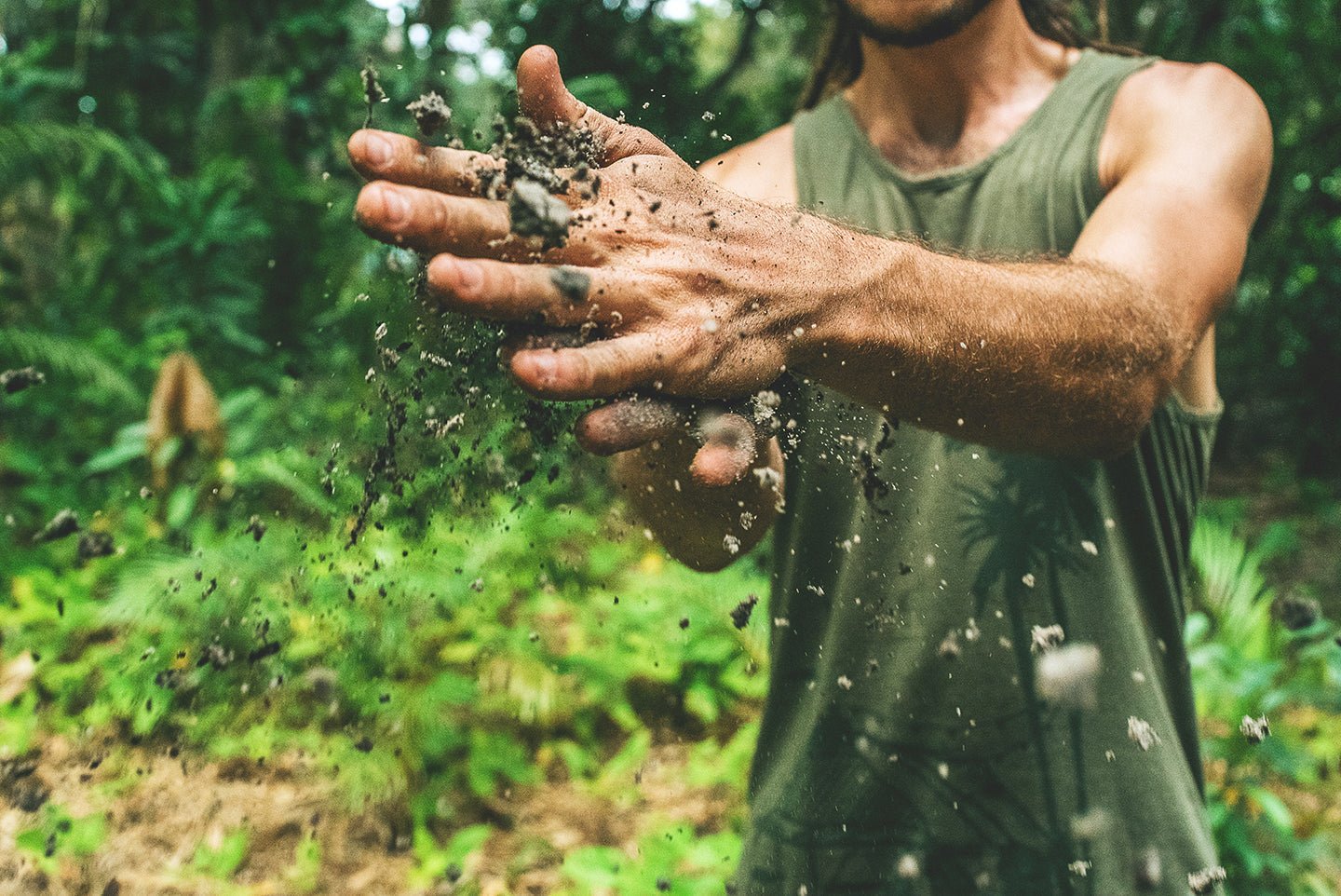
How to identify your garden soil type at home
You do not need fancy lab tools to get a useful answer. A few simple tests can tell you a lot. I usually recommend starting with your hands, then checking drainage, then confirming with pH.
1. Do the touch test
Take a small handful of moist soil. Rub it between your fingers and notice the feel.
Look for these clues:
- Gritty means sandy
- Sticky means clay
- Smooth and soft means silt
- Soft, crumbly, and balanced means loam
- Spongy and dark means peat
- Stony and dry means chalky
This is the fastest way to identify your garden soil type. It is not perfect, but it gives you a strong first clue.
2. Try the squeeze test
Moisten the soil slightly and squeeze it in your hand.
Watch what happens:
- Sand falls apart right away
- Clay holds a firm shape
- Silt holds loosely and feels smooth
- Loam forms a weak ball that breaks easily
- Peat feels light and springy
- Chalky soil often feels crumbly and gritty
This test works well because soil structure tells you a lot about water and air movement.
3. Make a jar test
The jar test is one of the best ways to identify your garden soil type more clearly. Fill a clear jar about one-third full with soil, then add water and a drop of dish soap. Shake it hard and let it settle for 24 hours.
You will usually see layers:
- Sand settles first on the bottom
- Silt settles next
- Clay settles last on top
- Organic matter may float or stay near the surface
This test helps you see the soil mix instead of guessing by feel. It is a simple method, but very useful for home gardeners.
4. Check drainage
Dig a hole about 12 inches deep and fill it with water. Let it drain, then fill it again and see how long the second round takes to empty.
Use this guide:
- Fast drainage suggests sandy soil
- Very slow drainage suggests clay soil
- Moderate drainage suggests loam
- Constant wetness may suggest peat or compacted soil
Good drainage matters because roots need both water and air. If water sits too long, roots can rot.
5. Test pH
Soil pH tells you how acidic or alkaline your garden soil is. Most plants do best in a slightly acidic to neutral range, around 6.0 to 7.0. A home soil test kit can give you a useful reading.
General pH clues:
- Below 7.0 is acidic
- Around 7.0 is neutral
- Above 7.0 is alkaline
pH does not tell you texture, but it adds an important layer of understanding. I have seen gardeners blame poor growth on watering when the real issue was pH blocking nutrient uptake.
6. Look at what already grows well
Nature leaves clues if you pay attention. If moss, blueberries, or rhododendrons thrive, your soil may be acidic. If weeds that love compact ground are everywhere, the soil may be heavy clay.
Helpful signs include:
- Fast-drying plants struggling in sandy soil
- Water-loving plants doing better in clay or peat
- Yellowing leaves in alkaline or chalky soil
- Stunted growth in compacted soil
This is not a perfect test, but it is a smart field clue. I always treat plant behavior like a conversation with the soil.
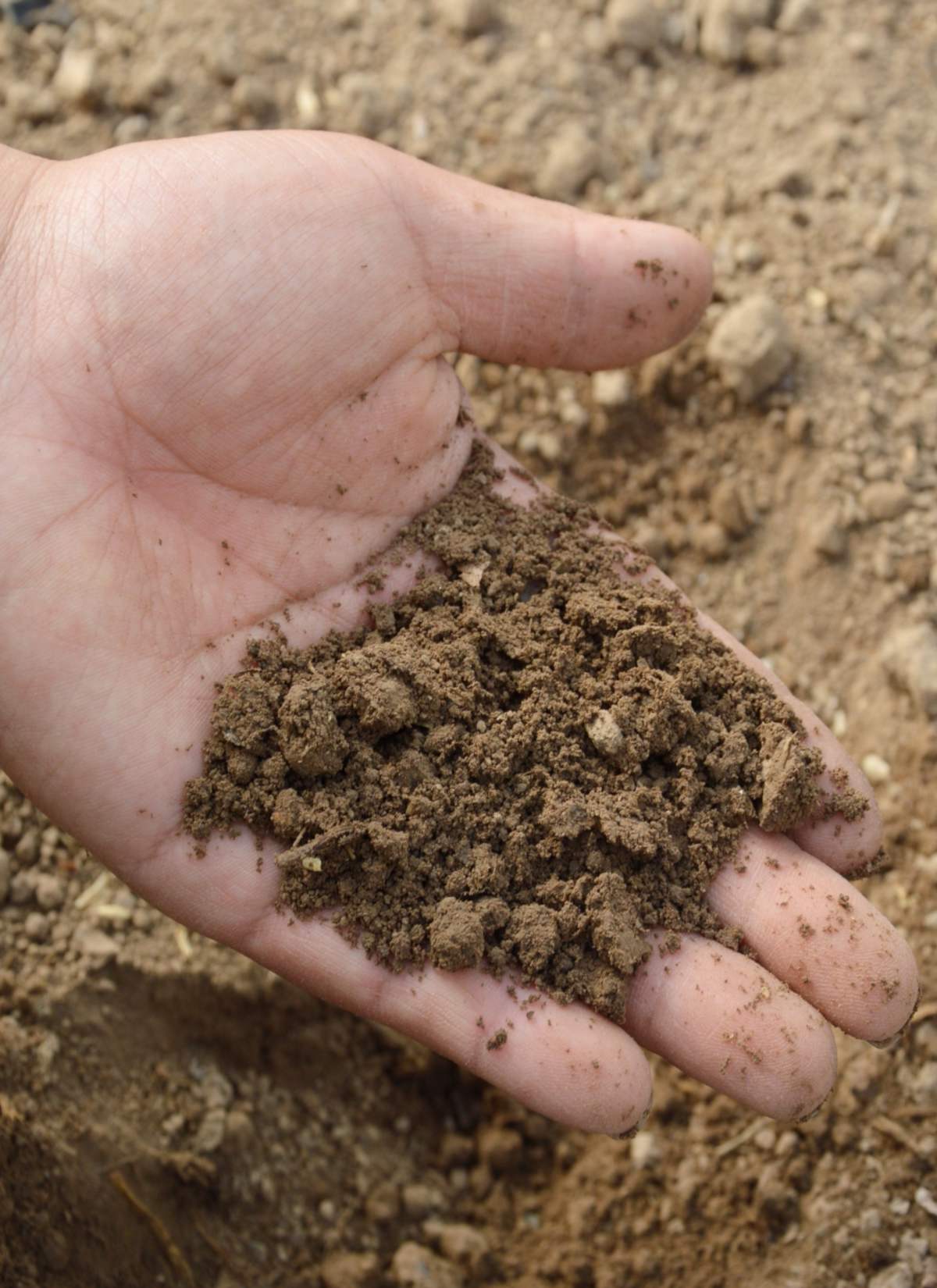
How to read soil texture like an expert
Soil texture is one of the most reliable ways to identify your garden soil type. Texture refers to the size of the mineral particles in the soil, not how rich it is. That means a soil can feel loose but still be low in nutrients.
Here is a simple way to think about it:
- Sand is like coarse sugar
- Silt is like flour
- Clay is like modeling clay
The ratio of these particles changes everything. More sand means more drainage. More clay means more water retention. A balanced mix gives you better overall growing conditions.
If you want a closer look, rub a damp sample between your thumb and finger:
- Gritty points to sand
- Smooth points to silt
- Sticky points to clay
This is the kind of small habit that saves headaches later. It is much easier to fix a soil issue when you know exactly what you are working with.
Common signs your soil is out of balance
Sometimes the issue is not just soil type. It is also soil condition. A soil can be naturally heavy or light, but compaction, poor organic matter, and bad watering habits can make it worse.
Watch for these warning signs:
- Water pools after rain
- Roots grow shallow and weak
- Plants wilt even when the soil is wet
- Leaves turn yellow or pale
- The ground crusts over after watering
- Earthworms are rare in a healthy-looking bed
I once worked on a bed that looked like clay on the surface, but it was actually compacted loam underneath. A few rounds of compost and gentle loosening changed everything. Sometimes the soil type is only part of the story.
Best tools for identifying your garden soil type
You can learn a lot with your hands, but a few tools make the job more accurate. None of these are expensive, and most gardeners can use them at home.
Useful tools include:
- A clear glass jar for the sediment test
- A basic soil pH kit
- A trowel or hand spade
- A spray bottle or watering can
- A notebook to record results
- A simple soil thermometer if you garden early in the season
If you want better results, test more than one spot in your yard. Soil can change a lot from front yard to back bed, especially if fill dirt was used during construction.
What to do after you identify your garden soil type
Once you know your soil, you can make better choices. This is where the real payoff starts. Small changes can make a big difference.
If you have sandy soil
Add compost, leaf mold, or well-rotted manure to improve water and nutrient holding. Mulch often to slow evaporation. Choose drought-tolerant plants when you can.
If you have clay soil
Avoid working it when it is wet, since that causes more compaction. Add organic matter over time to improve structure. Raised beds can help if drainage is a major issue.
If you have silt soil
Protect it from erosion with mulch or cover crops. Avoid overworking the soil, which can make it compact. Keep feeding it with organic matter.
If you have loam soil
Keep doing what works. Add compost each season, use mulch, and avoid heavy compaction from foot traffic. Healthy loam is worth protecting.
If you have peaty soil
Check drainage and pH. Some peaty soils hold too much water and may need aeration or raised beds. Plants that like acidic, moist soil often do well here.
If you have chalky soil
Choose plants that tolerate alkaline conditions. Add compost to improve nutrient availability. Be careful with iron and other micronutrient deficiencies.
Mistakes people make when identifying soil
I have seen a few common mistakes over and over. They are easy to make, especially if you are new to gardening. The good news is that they are also easy to avoid.
Common mistakes include:
- Testing only the top inch of soil
- Ignoring drainage after heavy rain
- Confusing compacted soil with clay soil
- Assuming one bed matches the whole yard
- Skipping pH testing
- Adding sand to clay in hopes of “fixing” it
That last one is a classic mistake. Adding sand to clay without enough organic matter can make the soil feel more like concrete. Compost is usually the safer first move.
Why organic matter changes everything
No matter what your soil type is, organic matter helps. It improves structure, supports microbes, and makes nutrients easier for plants to access. Think of it like the support system that helps the whole garden breathe.
Good sources of organic matter include:
- Compost
- Leaf mold
- Aged manure
- Cover crop residue
- Shredded leaves
This is one reason experienced gardeners talk so much about compost. It does not erase soil type, but it helps almost every type work better.
Frequently Asked Questions of how to identify your garden soil type
How can I tell if my soil is clay or loam?
Clay feels sticky and forms a strong ball when wet. Loam feels crumbly and balanced, and it breaks apart more easily in your hand.
What is the easiest home test for garden soil?
The jar test is one of the easiest and most useful tests. It shows sand, silt, and clay in layers so you can see your soil mix clearly.
Can I have more than one soil type in my garden?
Yes, and this is very common. Front yards, back beds, and raised beds often have different soil types or different levels of compaction.
Does soil pH tell me my soil type?
Not exactly. pH tells you how acidic or alkaline the soil is, while soil type refers to texture and structure.
Why does my soil drain too fast or too slow?
Fast drainage usually means sandy soil, while slow drainage often points to clay or compacted soil. Organic matter can help improve both extremes over time.
Conclusion
Learning how to identify your garden soil type gives you a real advantage. Once you know whether your soil is sandy, clay-heavy, silty, loamy, peaty, or chalky, you can water better, feed smarter, and choose plants with confidence.
Start with a simple touch test, then confirm with a jar test and a pH reading if needed. After that, build your soil with compost and good habits, because healthy soil is the quiet engine behind every thriving garden. If you want better results this season, take one soil sample today and see what your garden has been telling you all along.