Grow bags offer portability and quick setup; raised beds give long-term soil control and higher yields.
I’ve grown vegetables and herbs for years using both grow bags and raised beds. This guide dives into grow bags vs raised beds with clear, practical advice. I’ll share pros, cons, planting tips, costs, and real-life lessons so you can pick the best method for your space, budget, and goals.
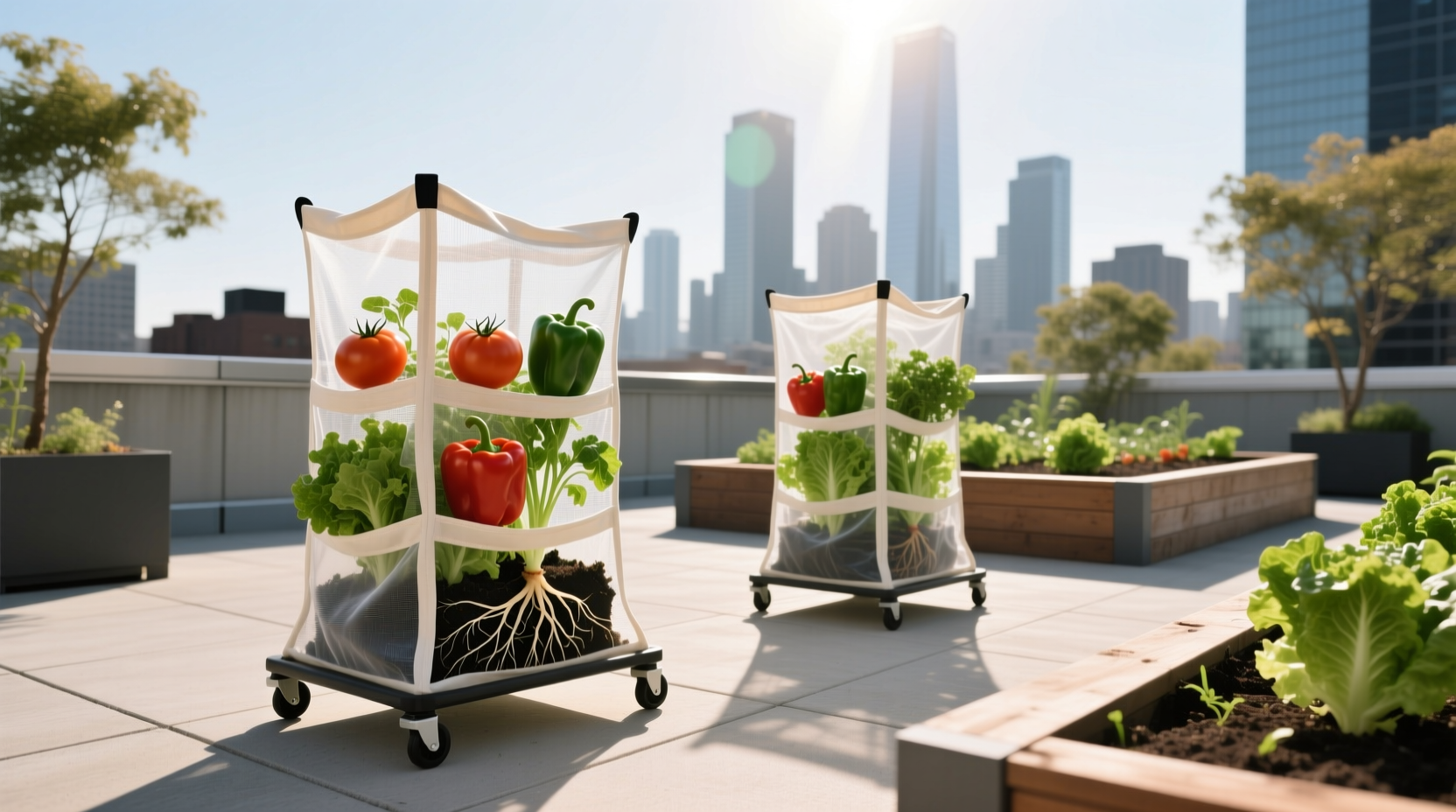
Pros and cons: Grow bags vs raised beds
Grow bags pros
- Easy to move. You can place them on balconies, patios, or sunny spots.
- Fast setup. Fill with potting mix and plant same day.
- Great drainage. Fabric lets excess water escape and prevents waterlogging.
- Good root aeration. Roots breathe more, which can reduce root rot.
Grow bags cons
- Dry out faster. They need more frequent watering.
- Shorter lifespan. Most last 2 to 5 seasons depending on material.
- Limited depth. Not ideal for very deep-rooted plants without large bags.
Raised beds pros
- Larger soil volume. They hold more soil and nutrients.
- Warmer soil in spring. Plants start earlier and grow faster.
- Easier to manage. Weeding and maintenance can be simpler at waist height.
- Long-term soil building. You can improve soil year after year.
Raised beds cons
- Cost and labor. Building a bed costs more and takes time.
- Less portable. Once built, they stay put.
- Drainage challenges. Poorly planned beds can hold too much water.
Comparing performance
- For small spaces, portability, or short-term crops, grow bags often win.
- For long-term food production, higher yields, and easier soil management, raised beds usually outperform grow bags.
- Grow bags vs raised beds tradeoffs come down to water needs, space, budget, and how permanent you want the setup.

Design and materials: what to expect with grow bags vs raised beds
Grow bags design
- Fabric or plastic. Fabric bags breathe and are reusable. Plastic bags retain moisture more.
- Sizes vary. From small herb sizes to large 20–30 gallon bags for tomatoes and potatoes.
- Handles. Many bags come with handles for moving.
Raised beds design
- Wood, metal, or composite. Cedar and redwood resist rot. Metal heats more under sun.
- Built-in depth. Common depths are 6, 12, or 18 inches depending on crop needs.
- Accessibility. You can add trellises, irrigation, or covers easily.
Material impacts
- Fabric grow bags increase airflow. That means good root health but more water work.
- Wooden raised beds retain moisture and protect soil from compaction.
- Choose non-treated wood if you grow edible crops to avoid chemicals.
Practical tip from my garden
- I used 10-gallon fabric grow bags for peppers and a 4×8 cedar raised bed for mixed vegetables. Peppers in grow bags matured fast but needed daily water in hot weather. The raised bed produced larger root crops and required work only every few days.

Soil, drainage, and watering considerations
Soil choices
- Grow bags: Use a light, well-draining potting mix with added compost. Avoid heavy garden soil.
- Raised beds: Mix garden soil with compost and coarse material. Add amendments each season.
Drainage and watering
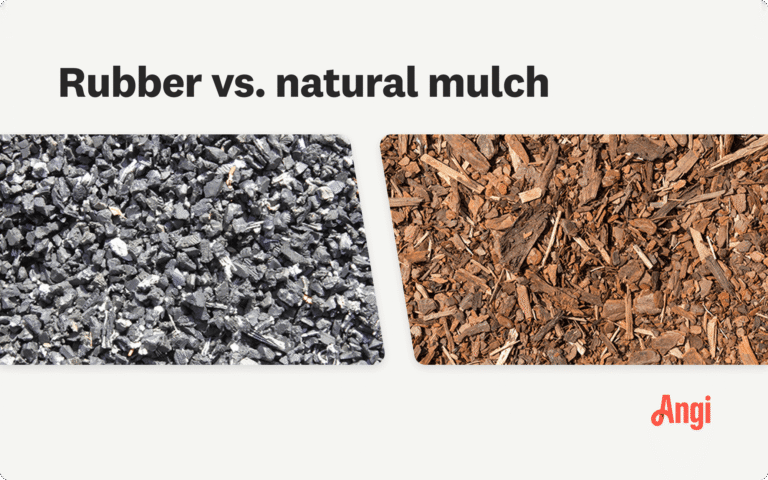
- Grow bags drain quickly. Water deeply and often, and consider using mulch on top to slow evaporation.
- Raised beds hold moisture better. Use drip irrigation or soaker hoses for consistent moisture.
pH and nutrients
- Both systems need balanced pH and regular feeding. Use slow-release fertilizer or liquid feed every 2–4 weeks for heavy feeders.
Practical watering routine
- I check grow bags daily in heat. For raised beds, I water every other day or use a timer. Both systems respond well to mulching.

Cost, maintenance, and lifespan
Initial cost
- Grow bags: Low to moderate cost. Fabric bags are inexpensive per unit.
- Raised beds: Higher initial cost for materials and labor.
Ongoing costs
- Grow bags: Replace every few seasons if fabric. Potting soil costs can add up.
- Raised beds: Soil amendments and occasional lumber repairs. Beds last many years if built well.
Maintenance tasks
- Grow bags: Replenish soil nutrients, water regularly, rotate crops yearly.
- Raised beds: Weed, amend soil, monitor for pests and rot in wood.
Lifespan notes
- Fabric grow bags: 2–5 years typical.
- Well-built raised beds: 10–20 years or more depending on material.
Personal cost lesson
- I found grow bags cheaper to start. But for long-term yield, my raised bed returned value after two seasons because of larger harvests and lower annual replacement costs.

Best plants and crop ideas for grow bags vs raised beds
Best for grow bags
- Tomatoes, peppers, bush beans, herbs, strawberries, and potatoes in large bags.
- Fast, short-season crops do well.
Best for raised beds
- Root crops like carrots, beets, and parsnips.
- Leafy greens, brassicas, and heavy feeders like squash and cucumbers.
Companion planting tips
- Use grow bags for single plants or small clusters. Place complementary pots nearby.
- Use raised beds for diverse planting plans and succession crops.
Real example
- I grew potatoes in 20-gallon grow bags and got tidy harvests. In my raised bed I grew carrots and kale with less frequent care and higher yields per square foot.

How to choose: decision checklist for grow bags vs raised beds
Ask these questions
- Do you need mobility?
- Choose grow bags if you move plants for light or weather.
- Do you want long-term production?
- Choose raised beds for ongoing soil improvement and larger harvests.
- How much maintenance can you do?
- Choose raised beds if you prefer lower daily watering. Choose grow bags if you can water often or use automatic systems.
- What’s your budget?
- Grow bags are cheaper to start. Raised beds cost more up front but last longer.
- What do you plan to grow?
- Shallow or container-friendly crops suit grow bags. Deep-rooted and high-yield plans suit raised beds.
Final decision tip
- If you have limited space and want quick setup, go with grow bags. If you plan to garden for years and want big yields, build a raised bed.

Frequently Asked Questions of grow bags vs raised beds
Are grow bags better than raised beds for beginners?
Grow bags can be simpler to start with. They require less construction and let beginners try container gardening with low cost and low commitment.
Do plants grow faster in grow bags or raised beds?
Plants can mature faster in both depending on conditions. Grow bags warm quickly but need frequent water; raised beds offer stable soil and larger yields over time.
How often should I water grow bags compared to raised beds?
Grow bags usually need daily or every-other-day watering in warm weather. Raised beds often need watering less often, depending on depth and mulch.
Can I grow root vegetables in grow bags?
Yes, root vegetables can grow in large, deep grow bags, but raised beds often give better shape and size because of looser, deeper soil.
Which option saves more money long term?
Raised beds often save money long term due to durability and larger yields. Grow bags cost less initially but require replacement and soil top-ups.
Are raised beds or grow bags better for small patios or balconies?
Grow bags are typically better for patios or balconies because they are portable and fit small spaces. Choose small or vertical options to maximize space.
Conclusion
Choosing between grow bags vs raised beds comes down to space, budget, and how permanent you want your garden setup. Grow bags offer mobility and ease. Raised beds provide larger yields and long-term soil care. Try a mix: use grow bags for quick experiments and a raised bed for staple crops. Start small, learn from each season, and adapt your garden to what works best.
Take action this week: pick one bed or a few grow bags, choose a simple crop like tomatoes or lettuce, and start. Share your results or questions below — I’d love to hear what you grow.