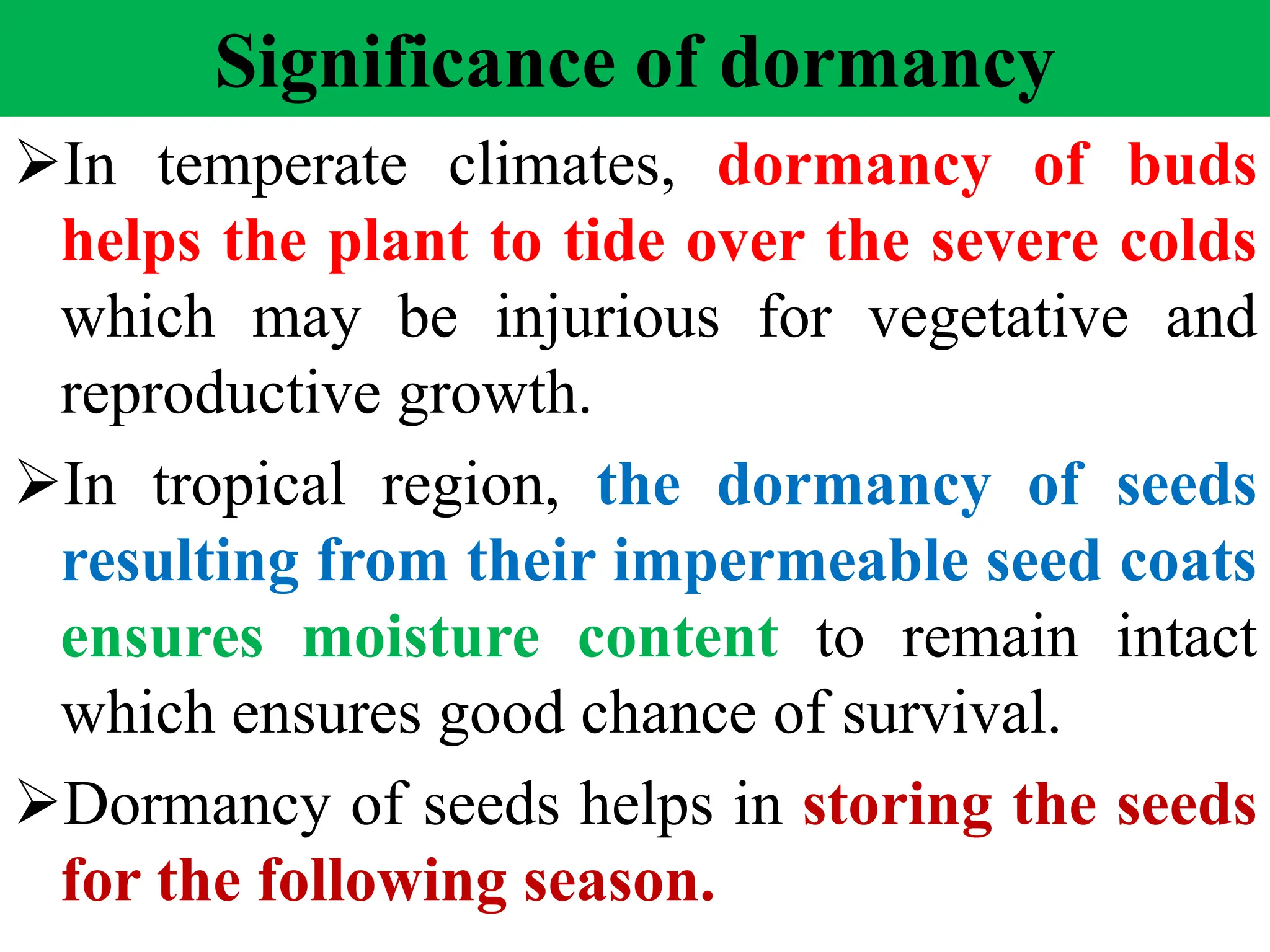
Plant seasonal dormancy is a natural period when a plant slows or stops visible growth to survive an unfavorable season. It saves energy, protects growing parts, and helps the plant prepare for its next growing season.
Across the United States, plants face very different seasonal challenges. A maple tree in Minnesota must prepare for freezing winters, while a garden plant in Texas may face long periods of summer heat and dry soil. Plants have natural ways to handle these changes. One of the most useful is seasonal dormancy.
During dormancy, a plant reduces active growth and uses stored food to maintain its living parts. Some trees lose their leaves, some garden perennials die back to the ground, and some bulbs remain hidden in the soil. The plant may look lifeless, but its roots, crown, buds, bulbs, or other living parts can still be healthy. Understanding this cycle helps American gardeners avoid needless pruning, excess watering, and the removal of plants that are simply resting.
Seasonal dormancy is not the same for every plant. A fruit tree in the Northeast may need a period of winter chilling before its buds can open. A native perennial in the Southwest may rest during summer drought. The timing and length depend on plant genetics, local climate, water, light, and temperature. Knowing these differences is the key to giving dormant plants the right care.
Source: slideserve.com
What Is Plant Seasonal Dormancy?
Plant seasonal dormancy is a regular pause in active growth that helps a plant survive a season when conditions are poor for growth. During this period, the plant limits new shoots, leaves, flowers, or other growth. Its living tissues remain alive, but many growth processes slow down.
Think of dormancy as a rest period built into a plant’s life cycle. A tree does not need to make new leaves during a freezing winter. A bulb does not need to produce flowers while the soil is too dry or too hot. By slowing growth, the plant can save resources until conditions improve.
Dormancy is common in perennial plants. These plants live for more than one growing season and have parts that survive between periods of active growth. Trees and shrubs keep living stems and buds. Herbaceous perennials may survive through crowns, roots, rhizomes, tubers, or bulbs. These parts support regrowth when the right season returns.
Source: gardeningknowhow.com
Reduced growth
New leaves, stems, flowers, and buds develop slowly or stop developing for a period.
Stored energy
The plant uses food reserves made during an earlier period of active growth.
Greater seasonal protection
Growth slows, helping sensitive tissues avoid some of the damage caused by freezing, heat, or water shortage.
Future regrowth
Living buds, roots, crowns, and storage organs remain ready to support another growth cycle.
Dormancy Is Not the Same as Plant Death
A dormant plant can look dry, bare, or lifeless. That appearance alone does not mean the plant is dead. A deciduous tree may lose every leaf while keeping healthy buds and living tissue beneath its bark. A perennial may leave only a small crown near the soil surface.
To check a woody plant, inspect a small twig rather than cutting large branches. A living twig may bend without snapping, and a very small scratch on a suitable stem may reveal green tissue beneath the outer bark. Avoid repeated scratching or cutting, since these actions can injure a plant that is already under stress.
Signs of normal dormancy
Seasonal leaf drop, firm buds, intact stems, and a living crown or root system.
Possible signs of damage
Soft or rotten roots, a collapsing crown, widespread stem decay, or tissue that is dry and dead well below the surface.
Which Plants Experience Seasonal Dormancy?
Many temperate trees, shrubs, fruit plants, and hardy garden perennials have seasonal growth and rest cycles. Maples, oaks, apples, lilacs, peonies, and many spring bulbs are familiar examples. Their visible growth changes as the seasons shift.
Not every plant follows the same pattern. Tropical plants may grow throughout the year when warmth, light, and moisture remain suitable. Some evergreen plants keep their leaves but slow their growth. Others rest for a short period after flowering or during a dry season.
Woody plants
Trees and shrubs often protect dormant buds on branches and store resources in stems and roots.
Herbaceous perennials
Many lose their above-ground growth and return from living crowns, roots, or underground stems.
Bulbs and tubers
These plants use underground storage organs to survive a period without leaves or flowers.
Evergreen plants
Some keep their leaves through winter but reduce growth and water use when conditions become difficult.
Why Do Plants Enter Seasonal Dormancy?
Plants enter dormancy when seasonal signals tell them that active growth may be risky or wasteful. The main signals include day length, temperature, and water availability. These signals work with internal chemical processes that control growth.
The purpose is simple: protect living tissues and save resources. New leaves and shoots need water, minerals, and stored energy. When the soil freezes, water becomes hard to obtain. During a hot, dry summer, water loss can exceed the amount that roots can replace. Slowing growth helps the plant manage these limits.
Dormancy also helps plants time their growth. A tree that opens its buds during a warm spell in winter may lose new leaves to a later freeze. Some plants therefore need a period of cold before their buds can respond to spring warmth.
Source: hillsidelawn.com
Protection from cold
Reduced growth and seasonal changes in plant tissues help hardy plants prepare for winter conditions.
Protection from drought
Some plants reduce leaf area or stop above-ground growth when water becomes scarce.
Energy conservation
A plant can use stored food to maintain living tissues rather than spend large amounts of energy on new growth.
Better growth timing
Internal dormancy controls can prevent some plants from opening buds during a brief warm spell.
How Day Length Affects Dormancy
Day length is called photoperiod. It is one of the signals plants use to track seasonal change. In many temperate trees, shorter days in late summer and fall help signal that the growing season is ending.
Plants sense light through special light-sensitive systems. These systems help control growth, bud formation, and the start of seasonal rest. A tree may begin preparing for winter before the first hard frost arrives.
Day length is useful because it changes in a steady pattern each year. A warm day in October does not make the calendar behave like spring. The plant can still respond to the shorter days and continue its move toward dormancy.
Shorter fall days
They can help trigger bud set and the start of winter preparation.
Longer spring days
They can support the return to active growth when the plant is also ready and the weather allows it.
How Temperature Controls Dormancy
Temperature affects both the start and end of dormancy. Falling temperatures help many plants slow growth and develop cold hardiness. Later, a suitable period of winter chilling helps certain buds complete their internal rest period.
Chilling requirements vary by species and variety. Some fruit trees need more winter chill than others. A variety that grows well in a cold region may produce poor or uneven growth in a warm region if it does not receive enough suitable chill.
After the chilling need is met, warmer conditions can help buds resume growth. This is one reason a mild winter can affect flowering and fruit production. However, no single temperature range or number of hours applies to every plant.
Cold acclimation
The plant makes physical and chemical changes that help it tolerate low temperatures.
Chilling requirement
Some plants need a period of suitable cool temperatures before normal bud growth can resume.
Spring warmth
Warm conditions help trigger bud swelling and growth after the internal rest requirement has been met.
The Role of Plant Hormones
Plant hormones help control the dormancy cycle. Abscisic acid, often shortened to ABA, is linked with growth restriction and stress responses. Its activity helps maintain dormancy in many buds and seeds.
Other hormones, including gibberellins, help promote growth in suitable conditions. The balance between growth-inhibiting and growth-promoting signals changes as the seasons pass. These internal changes help a plant decide when to rest and when to grow again.
Hormones do not work alone. Their effects depend on plant genes, temperature, light, water, and the age and condition of the plant. This is why two plants in the same yard may respond differently to the same weather.
Abscisic acid
Helps regulate dormancy and plant responses to stress.
Growth-promoting hormones
Support cell growth and bud development when seasonal conditions are suitable.
The Main Types of Plant Dormancy
Plant dormancy can be described by the source of the signal that stops growth. The main terms used for vegetative dormancy are paradormancy, endodormancy, and ecodormancy. These terms describe different controls over buds and growing points.
The distinction matters because a plant may not respond to warmth in the same way at every stage. A dormant bud may be held back by another part of the plant, by internal signals, or by poor outdoor conditions. Each cause has a different effect on when growth can resume.
Source: slideserve.com
Paradormancy
Growth is limited by signals from another part of the plant, such as a growing shoot tip.
Endodormancy
Internal signals within a bud or growing point prevent growth until the plant meets its required conditions.
Ecodormancy
Growth is held back by outside conditions such as cold, heat, or a lack of water.
Paradormancy: Growth Controlled by Other Plant Parts
Paradormancy occurs when one part of a plant limits growth in another part. A common example is apical dominance. The growing tip of a shoot can suppress the growth of side buds below it.
When the tip is removed or stops growing, some side buds may begin to grow. This is one reason pruning can change the shape of a shrub or tree. However, paradormancy is not the same as the deep winter rest seen in many trees.
Common example
A healthy branch grows from the main shoot while nearby side buds remain inactive.
Practical effect
Removing the growing tip can allow some side buds to develop, depending on the plant and timing.
Endodormancy: An Internal Rest Period
Endodormancy is controlled by internal signals in the bud or growing point. A plant in this stage cannot resume normal growth just because the weather becomes warm for a few days. Many temperate fruit trees and woody plants pass through this stage in winter.
A suitable period of cool weather helps release endodormancy. This protects buds from responding too early to a short warm spell. Once the internal requirement has been met, the bud can respond to favorable outside conditions.
Main control
Internal processes within the bud prevent early growth.
Seasonal purpose
It helps reduce the risk of early bud opening followed by damaging frost.
Ecodormancy: Rest Caused by Outside Conditions
Ecodormancy occurs when the plant is ready to grow but the environment does not allow it. Cold soil, low air temperature, or a lack of water can hold back new growth.
For example, a tree may have completed its winter chilling requirement but remain dormant during a cold March. When the weather becomes warmer, buds can swell and open. In a dry summer, some plants may also pause growth until rainfall returns.
Main control
External conditions prevent active growth.
Return to growth
Growth can resume when temperature, water, or other needed conditions improve.
Winter Dormancy and Summer Dormancy
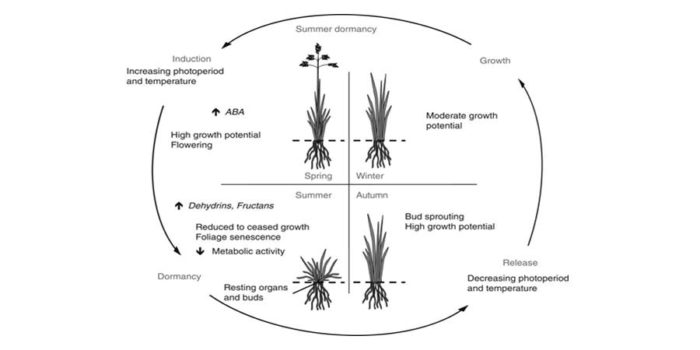
Winter dormancy and summer dormancy are two seasonal ways plants cope with difficult conditions. Winter dormancy is common in plants from temperate regions where freezing temperatures and short days limit growth. Summer dormancy occurs in some plants that face severe heat and seasonal drought.
The two forms can look alike from the outside. A plant may lose its leaves, stop making shoots, or remain hidden underground. The main difference is the season and the environmental challenge that the plant is adapted to face.
Source: slideshare.net
Winter dormancy
Helps plants survive cold weather, short days, frozen soil, and winter water limits.
Summer dormancy
Helps certain plants avoid heat and drought during the hottest or driest part of the year.
How Winter Dormancy Works
Many deciduous trees prepare for winter by slowing shoot growth, forming protective buds, and moving useful nutrients from leaves into other tissues. As chlorophyll breaks down, yellow and orange pigments may become visible. Some leaves also show red or purple colors before they fall.
Leaf drop reduces the amount of exposed surface that can lose water during winter. The plant keeps living buds and stems that are ready for the next growing season. Its roots may remain active when the soil is warm enough and water is available, even while the branches show little visible growth.
Hardy herbaceous perennials often take a different route. Their leaves and stems die back, but the crown or underground parts remain alive. When spring conditions return, new shoots grow from these protected parts.
Deciduous trees
Often lose their leaves and keep protected buds on living branches.
Hardy perennials
May die back to the soil while their crowns and roots survive.
Bulbs
Can remain underground while their stored food supports future leaves and flowers.
How Summer Dormancy Works
Some plants native to dry-summer climates rest during the hottest months. Their active growth may stop after spring, when soil moisture is still available. As the soil dries and temperatures rise, leaves and stems may die back while underground organs remain alive.
This pattern occurs in some Mediterranean-climate plants and certain herbaceous perennials. It is not a rule for all plants in hot regions. A plant adapted to summer rain may grow actively during the warmest months instead.
Gardeners should not assume that a summer-dormant plant needs more water or fertilizer. Extra water can cause rot in plants whose roots are adapted to a dry rest period. The right approach is to identify the species and follow its natural growth cycle.
Typical trigger
High heat, low soil moisture, or a predictable dry season.
Common survival parts
Bulbs, tubers, roots, crowns, and other protected underground tissues.
Care priority
Avoid excess watering during the plant’s natural dry rest period.
Seasonal Dormancy in Different U.S. Regions
The United States has many climate patterns, so the same calendar month does not mean the same thing for every garden. A perennial in Maine may enter winter rest early, while a plant in coastal California may keep growing through much of the winter.
In the Southeast, some plants face mild winters and warm, wet autumns. In the Great Plains, cold winds and sudden temperature changes can affect exposed plants. In the Southwest, summer heat and dry soil may be a greater challenge than winter cold.
Local climate, plant origin, soil drainage, and the position of the plant in the landscape all affect its seasonal cycle. Use the plant’s natural range and local extension advice rather than relying only on a national calendar.
Northeast and Midwest
Many hardy trees and perennials follow a clear winter dormancy cycle.
Southeast
Mild winter spells can affect bud timing and cold acclimation.
Southwest
Some adapted plants rest during extreme summer heat or drought.
Pacific Coast
Local rainfall patterns and mild coastal temperatures can create longer or less obvious growth periods.
What Happens Inside a Dormant Plant?
A dormant plant is still alive and carrying out essential life processes. It does not shut down completely. Instead, it changes how it uses energy, manages water, and protects living tissues.
During the growing season, leaves make sugars through photosynthesis. Some of this food is used at once, while some is stored as starch and other carbohydrates. Before dormancy, many plants move resources into roots, stems, crowns, bulbs, or other storage tissues.
These reserves help maintain living cells and support new growth when the season changes. The amount and location of stored food vary by species. A tree, a tulip, and a peony do not store resources in exactly the same way.
Source: slideserve.com
Metabolism slows
Many energy-using processes become less active, although living cells continue to function.
Food reserves remain available
Stored carbohydrates help support the plant during rest and early regrowth.
Growth points are protected
Buds and underground crowns can remain alive until conditions support new growth.
Water use changes
Leaf loss and reduced growth can lower water demand, but roots and stems may still need moisture.
Why Stored Carbohydrates Matter
Stored carbohydrates act like a food reserve. They help a plant maintain its living tissues when it cannot make enough new food through photosynthesis. They also provide energy for early spring growth before the new leaves are fully open.
A plant that has been stressed by drought, disease, heavy pruning, or poor growing conditions may have fewer reserves. This can affect its ability to survive winter or recover in spring. Healthy leaves during the growing season help build the resources needed for the next cycle.
During dormancy
Stored food supports basic maintenance and helps protect living tissues.
During bud break
Stored food helps fuel new shoots, leaves, and flowers.
Why Some Plants Lose Their Leaves
Deciduous plants shed their leaves as part of a planned seasonal process. Before leaf drop, they may recover some nutrients from older leaves and move them into stems and roots. As chlorophyll breaks down, other pigments become easier to see.
Leaf loss also reduces the amount of surface exposed to winter conditions. It can limit water loss when frozen soil makes water uptake difficult. Evergreen plants use other strategies, such as protected buds, waxy leaf surfaces, and changes in water use.
Nutrient recovery
Some nutrients move from aging leaves into tissues that remain alive.
Lower water loss
Removing leaves can reduce the surface area that loses water.
How to Care for Plants During Seasonal Dormancy
The best way to care for a dormant plant is to protect its living parts without forcing new growth. First identify the plant and learn whether it has winter or summer dormancy. Then adjust water, mulch, pruning, and protection to match its needs.
A dormant plant usually needs less care than an actively growing plant, but less care does not mean no care. Roots can dry out, containers can freeze, and animals can damage stems. The goal is to keep the plant healthy until its normal growth period returns.
Source: gardeningknowhow.com
Identify the plant
Check the species, variety, climate needs, and natural growing season before changing its care.
Check the soil
Use soil moisture and drainage to guide watering instead of following a fixed schedule.
Protect the roots
Use suitable mulch and winter protection where local conditions call for it.
Avoid forced growth
Do not use extra fertilizer, warmth, or water to make a naturally dormant plant grow.
Step 1: Confirm That the Plant Is Dormant
Start by checking the plant’s normal seasonal behavior. Look up its species and variety, then compare its current condition with the expected rest period. A deciduous tree losing leaves in fall may be following its normal cycle.
Check stems, buds, crowns, and roots where they can be inspected without causing harm. Firm buds and healthy living tissue are useful signs. Soft, foul-smelling roots or a collapsing crown may point to rot rather than dormancy.
Check the season
Ask whether the plant normally rests during the current season.
Check living tissues
Look for firm buds, sound stems, and a healthy crown or root system.
Check for disease
Look for spreading lesions, mold, foul odors, or soft and decaying tissue.
Step 2: Adjust Watering
Dormant plants often use less water, but their roots may still need moisture. Check the soil before watering. If the soil is dry and the ground is not frozen, water when the plant’s species and growing conditions call for it.
Do not keep dormant plants in wet soil. Poor drainage can deprive roots of oxygen and encourage root rot. Plants with summer dormancy may need a much drier rest than plants that are dormant through winter.
Container plants need special attention because their roots are more exposed to temperature changes and can dry out faster than roots in the ground. Check the potting mix and make sure water can drain freely.
Water when needed
Use soil moisture as your guide and follow the plant’s species-specific needs.
Avoid frozen soil
Do not water when the soil is frozen or water cannot drain.
Prevent waterlogging
Keep pots and garden beds from holding excess water around roots.
Step 3: Protect Roots With Suitable Mulch
A suitable layer of organic mulch can help protect roots from rapid temperature changes and conserve soil moisture. Bark mulch, shredded leaves, and other suitable organic materials can work in many garden settings.
Keep mulch away from direct contact with tree trunks and plant crowns. A thick, wet pile against a trunk can hold moisture against the bark and create conditions for decay or pest damage. The right depth depends on the material, soil, and plant.
Use a suitable material
Choose clean organic mulch that suits the garden and local conditions.
Leave space around stems
Keep mulch from piling against trunks, stems, and crowns.
Check drainage
Do not use mulch to cover a poorly drained planting area or bury a plant crown.
Step 4: Prune at the Right Time
Dormancy can make some pruning jobs easier because leaves are gone and the branch structure is easier to see. However, winter is not the right pruning time for every plant. Some trees and shrubs set flower buds on old wood, and pruning them at the wrong time can remove the next season’s flowers.
Remove broken, dead, or clearly diseased branches when it is safe and appropriate. For major pruning, check species-specific guidance. Avoid heavy pruning just to make a dormant plant look tidy.
Check flowering habits
Find out whether the plant blooms on old wood or new growth before pruning.
Use clean tools
Use sharp, suitable pruning tools and clean them when disease may be present.
Avoid severe cuts
Do not remove large amounts of healthy wood without a clear reason.
Step 5: Protect Plants From Local Weather
Plants in exposed sites may need protection from wind, sudden temperature changes, or severe frost. Container plants may need to be moved to a sheltered place or insulated, depending on their hardiness and the local winter.
Do not bring every dormant outdoor plant into a warm room. Some temperate plants need a cold period to complete their seasonal cycle. Moving them into steady warmth can disrupt that cycle and may cause weak, poorly timed growth.
Protect exposed containers
Use a sheltered location or suitable insulation when the plant and local climate require it.
Reduce wind exposure
Protect vulnerable plants from drying winter winds where practical.
Respect chilling needs
Do not keep a cold-hardy plant warm throughout winter unless its care instructions call for it.
Step 6: Watch for Spring Regrowth
As the plant completes its rest period, buds may swell and new shoots may appear. Soil warmth, longer days, and suitable moisture help support this change. The timing varies by species and local climate.
Do not rush the process. A plant that normally emerges late in spring may still be healthy when nearby plants have already started growing. Keep records of its usual timing so you can compare future seasons.
Look for swelling buds
Bud swelling can be an early sign that active growth is returning.
Check the crown
New shoots near the base may show that a herbaceous perennial is recovering.
Allow natural timing
Wait for the plant’s normal growth period instead of forcing early shoots.
How to Tell Dormancy From Plant Stress or Death
Dormancy and plant stress can look similar, especially when leaves turn yellow, stems dry, or growth stops. The main difference is that natural dormancy follows the plant’s seasonal pattern, while stress is a response to harmful conditions or injury.
A plant may also enter early rest because of drought or heat. This can be a survival response, but it does not always mean the plant has completed its normal seasonal dormancy cycle. Check the plant’s history, soil, roots, and growing conditions before deciding what to do.
Avoid digging up or cutting back a plant just because it has no leaves. Some perennials emerge late, and some trees keep dormant buds for months. Give the plant enough time to show whether it is following its normal cycle.
Source: plantae.org
Normal seasonal pattern
Growth slows at the expected time, and the plant retains healthy buds, roots, crowns, or stems.
Drought stress
Leaves may wilt, curl, brown, or fall early while the soil is dry.
Root problems
Poor drainage, root rot, or root damage can cause sudden decline and weak regrowth.
Cold injury
A plant may show damaged buds, split bark, dead shoots, or tissue that fails to recover after winter.
Common Symptoms and Possible Causes
Use the symptoms as clues, not as a final diagnosis. Several problems can cause the same visible change. Check more than one part of the plant and consider what happened before the symptoms appeared.
Leaves fall in autumn
This may be normal dormancy in a deciduous plant, especially when buds and stems remain healthy.
Leaves fall during the growing season
Possible causes include drought, heat, root damage, pests, or disease.
No growth in spring
Possible causes include a late-emerging species, unmet chilling needs, cold injury, dead buds, or root damage.
Soft or dark roots
This may indicate excess moisture and root decay rather than a normal rest period.
Early leaf drop after heat
This may be a stress response, particularly if the plant has dry soil or damaged roots.
What to Do When a Dormant Plant Does Not Wake Up
First check whether the plant is naturally late to emerge. Compare its normal growth time with nearby plants of the same type. Then check the soil, roots, and buds for signs of damage.
If the soil is dry and the ground is workable, correct the water shortage according to the plant’s needs. If the soil is waterlogged, improve drainage rather than adding more water. Avoid adding fertilizer to a plant with damaged roots or no active growth.
If the plant continues to decline or shows signs of disease, ask a local cooperative extension office or qualified plant health professional for help. A local diagnosis can account for the species, climate, soil, and recent weather.
Wait if timing is normal
Some plants emerge later than others, even in the same garden.
Check moisture and drainage
Correct dry or waterlogged soil before making other changes.
Inspect living tissue
Look for healthy buds, stems, crowns, and roots without causing extra injury.
Seek local advice
Get help when symptoms spread, roots decay, or the plant fails to recover.
Common Mistakes When Caring for Dormant Plants
Many plant losses happen because gardeners try to help a resting plant in the wrong way. More water, more fertilizer, and more pruning do not always improve plant health. Dormancy is a natural stage, so the best care is often to avoid unnecessary changes.
The right action depends on the species and the reason for dormancy. A dry-rest bulb should not receive the same watering plan as a dormant tree in a dry winter landscape. A cold-hardy shrub should not be kept warm simply because it has lost its leaves.
Source: hillsidelawn.com
Overwatering
Wet soil can reduce oxygen around roots and increase the risk of root rot.
Adding too much fertilizer
Extra nutrients cannot make a plant complete its internal rest period and may encourage poorly timed growth.
Pruning too early
Cutting at the wrong time can remove flower buds or healthy growth points.
Assuming every plant needs winter rest
Some tropical plants need warmth and protection rather than exposure to cold.
Removing plants too soon
Late-emerging perennials can be damaged when gardeners dig them up before their normal growth time.
Do Not Force a Dormant Plant to Grow
A plant may need a particular temperature or day-length pattern before it can grow again. Adding heat or fertilizer will not replace a missing chilling period. It may also lead to weak shoots that are more vulnerable to later cold.
For a plant with summer dormancy, adding water during its natural dry rest can be harmful. Follow the species’ natural cycle rather than trying to keep it green all year.
Avoid unnecessary heat
Do not move cold-adapted dormant plants into warm rooms without a clear care reason.
Avoid unnecessary fertilizer
Wait until the plant’s growth stage and nutrient needs support an application.
Factors That Change the Length of Plant Dormancy
The length of dormancy is not fixed for all plants. It depends on the species, variety, local climate, plant age, growing conditions, and seasonal weather. A tree in a cold northern climate may follow a different schedule from the same species growing in a mild coastal area.
Plant origin also matters. A variety developed in a cold region may have a greater need for winter chill than one selected for a warmer region. If a plant does not receive the conditions it needs, it may show delayed, uneven, or poor growth.
Weather changes can affect the timing of dormancy and regrowth. A warm spell may encourage some plants to begin growing after their internal rest period is complete. A later freeze can then damage tender buds or shoots. This risk is one reason gardeners should avoid judging spring growth by a single warm week.
Source: slideserve.com
Species and variety
Genetics affect dormancy timing, cold hardiness, and chilling needs.
Local climate
Temperature, day length, rainfall, and frost patterns affect the seasonal cycle.
Plant health
A plant weakened by disease, drought, or poor soil may enter stress-related growth pauses.
Microclimate
A sunny wall, sheltered courtyard, exposed slope, or low area can change local temperature and moisture.
Plant age and establishment
Newly planted or young plants may respond differently from mature, established plants.
Chilling Requirements and Fruit Trees
Some fruit trees need winter chill before they can produce normal spring growth. Growers often describe this need in chill hours or other chilling models. These measures estimate how much suitable cool weather a plant receives during winter.
The required amount varies by fruit type and variety. Apples, peaches, cherries, and other fruit crops do not all have the same needs. A variety that needs more winter chill may perform poorly in a warm area that does not provide enough suitable cold.
When choosing a fruit tree, check the recommended variety for your local climate. Do not rely only on the USDA plant hardiness zone. Hardiness zones describe average annual extreme minimum winter temperatures, not the full pattern of winter chill a fruit tree needs.
Check the exact variety
Chilling needs can differ among varieties within the same fruit species.
Use local recommendations
Choose varieties recommended by regional university extension services or reliable local fruit-growing guides.
Watch flowering patterns
Poor or uneven bud break can be a clue that winter conditions did not match the plant’s needs.
A Simple Seasonal Dormancy Care Guide
A seasonal plan can help you care for dormant plants without forcing them to grow. Use the plant’s natural cycle as the guide, then adjust the plan to local weather and soil conditions. The following table gives a general starting point for common garden plants.
Source: slideshare.net
Spring
Watch for bud swelling and new shoots. Resume watering and feeding only as active growth and plant needs call for it.
Summer
Keep actively growing plants watered as needed. Check whether plants that die back naturally are entering summer dormancy.
Fall
Allow hardy plants to slow growth naturally. Avoid practices that encourage tender late growth when cold weather is approaching.
Winter
Protect vulnerable roots and containers. Check soil moisture during dry periods when the soil is not frozen.
Seasonal Care by Plant Type
The care needs of a dormant plant depend on where it stores living tissue and how it handles seasonal stress. Use this comparison to identify the main care difference before changing your routine.
Deciduous trees and shrubs
Protect roots, monitor dry soil, and check pruning time based on the species and flowering habit.
Hardy herbaceous perennials
Protect crowns where needed, avoid digging too early, and wait for normal spring emergence.
Bulbs and tubers
Follow the species’ rest-period moisture needs and avoid keeping storage organs in wet soil.
Tropical houseplants
Keep them within their suitable temperature range and reduce watering only as growth and light levels decline.
Summer-dormant plants
Respect their dry rest period and resume water when their normal growth season begins.
Keep a Simple Plant Dormancy Record
A small garden record can help you understand how a plant responds to local seasons. Note when leaves change color, when growth stops, when buds swell, and when new shoots appear. Also record unusual heat, drought, frost, or heavy rain.
Over time, these notes can help you tell normal dormancy from a change caused by stress. They can also help you choose better varieties and plan care at the right time for your yard.
Record seasonal dates
Write down the dates of leaf drop, dieback, bud swelling, and new growth.
Record weather conditions
Note unusual cold, warm spells, drought, and heavy rainfall.
Record plant health
Track damage, pests, disease, and the plant’s response after regrowth.
Frequently Asked Questions
Q
How long does seasonal dormancy last in plants?
The length depends on the plant species, variety, and local climate. Some plants rest for a few weeks, while many temperate trees and perennials remain dormant for several months. Summer-dormant plants may rest through the hottest and driest part of the year.
Q
Do dormant plants need sunlight?
It depends on the plant. A dormant outdoor tree or shrub can remain in its normal site, even after losing its leaves. A potted plant that is moved indoors should still receive the light conditions recommended for its species. Do not assume that every dormant plant needs complete darkness.
Q
Should I water plants during winter dormancy?
Some dormant plants need occasional water, especially when winter is dry and the soil is not frozen. Others, such as certain summer-dormant bulbs, need a much drier rest. Check the soil and follow the needs of the exact plant rather than using a fixed watering schedule.
Q
Can I force a plant to come out of dormancy?
Forcing growth is usually not a good idea. Some plants need a specific period of cold before they can resume growth. Extra heat, water, or fertilizer cannot replace that requirement. Forcing early growth may also expose tender shoots to cold damage.
Q
How can I tell if a dormant plant is still alive?
Look for firm buds, living tissue beneath a small stem scratch, and a healthy crown or root system. Check more than one area because a few dead branches do not always mean the whole plant is dead. If roots are soft, rotten, or badly damaged, the plant may be suffering from a serious problem rather than normal dormancy.
✦ Wrapping Up
Conclusion
Plant seasonal dormancy is a natural way for plants to survive difficult times of the year. It helps trees, shrubs, perennials, and bulbs save energy, protect living tissues, and prepare for another period of active growth. Some plants rest during winter, while others pause during summer heat or drought.
The most useful thing a gardener can do is learn the natural cycle of each plant. Watch its buds, leaves, stems, roots, and seasonal timing. Check soil moisture, protect vulnerable roots, and avoid unnecessary fertilizer or pruning. A plant that looks quiet may be healthy and simply waiting for the right conditions.
Good dormancy care does not mean making a plant grow sooner. It means protecting the living parts and allowing the plant to follow its own seasonal signals. With the right care, the next period of growth can begin when the plant is ready.
💡 Key Takeaway
Identify the plant, confirm its natural dormancy season, check its soil and living tissues, and adjust watering and protection to its specific needs. Do not treat every leafless or inactive plant as dead.