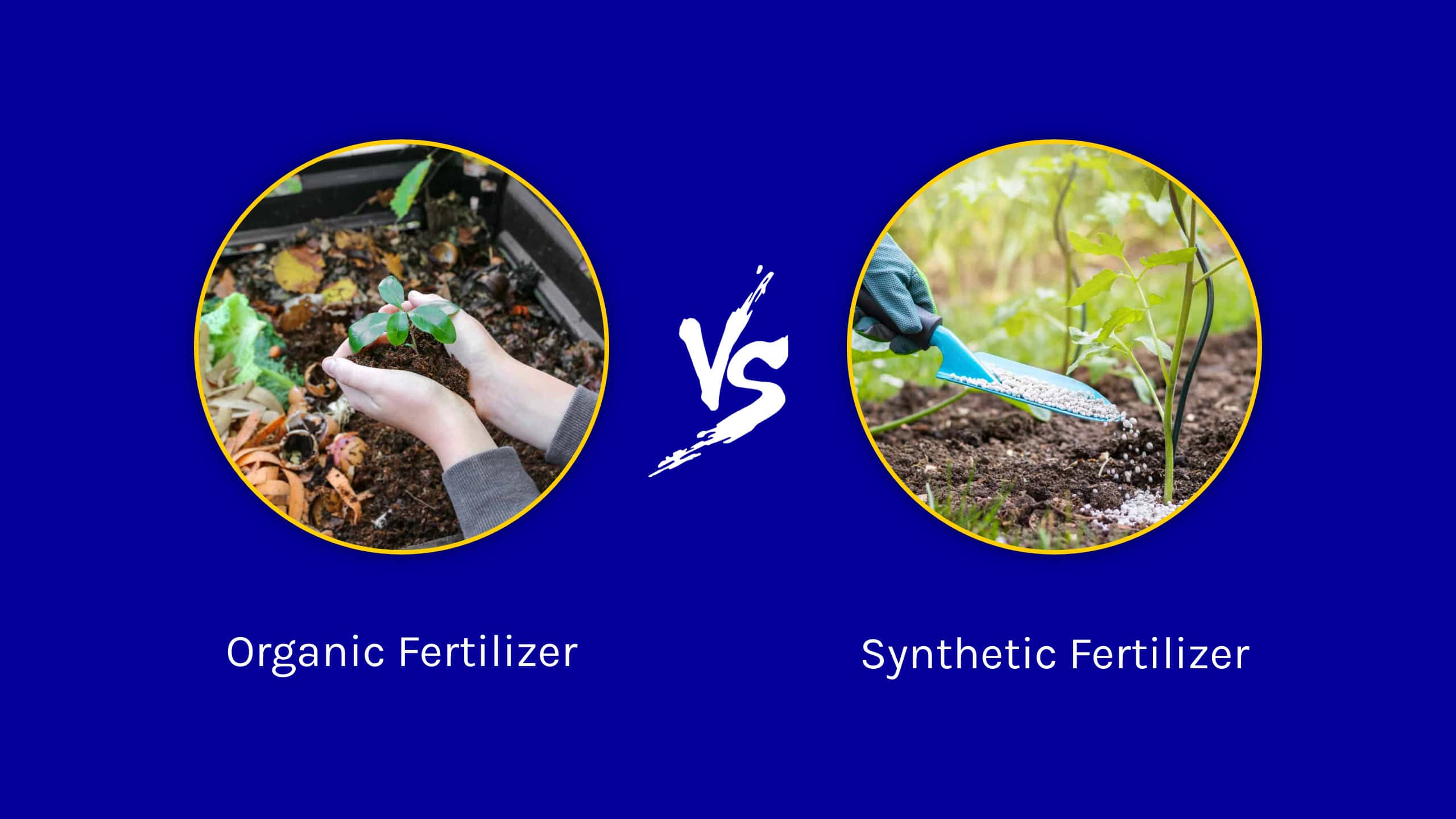
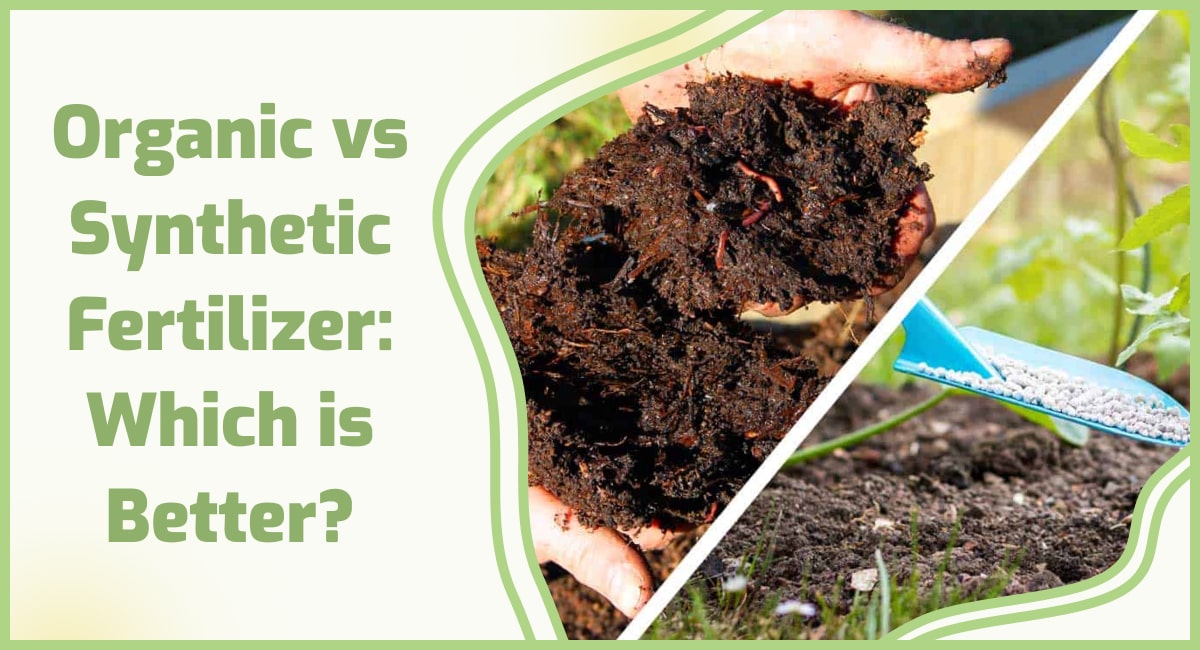
Compost feeds soil life slowly, while fertilizer supplies fast, targeted nutrients to plants.
I’ve spent years growing vegetables, renovating lawns, and testing soil mixes, so I know how confusing compost vs fertilizer choices can be. This guide breaks down what each product really does, when to use them, and how they affect plants, soil, costs, and the planet. Read on for clear comparisons, hands-on tips from my garden, and simple steps to get the best results for your yard or pots.
What are compost and fertilizer?
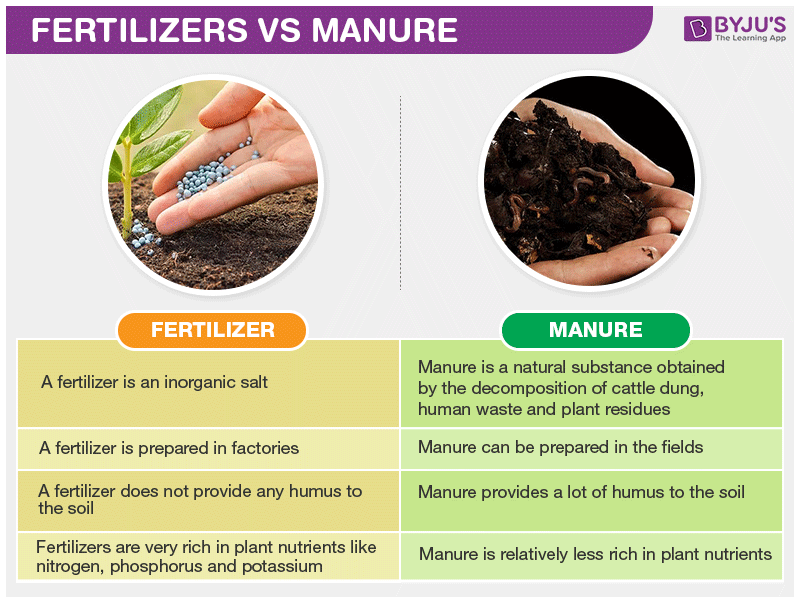
Compost is broken-down organic matter. It comes from kitchen scraps, leaves, and yard waste that microbes have transformed into crumbly, earthy material. Compost improves soil structure, feeds soil life, and slowly releases nutrients to plants.
Fertilizer is a concentrated source of nutrients. It can be organic or synthetic and usually focuses on nitrogen, phosphorus, and potassium (NPK). Fertilizer gives plants nutrients quickly and in predictable amounts, but it doesn’t do as much for soil structure or biology.

How compost works vs how fertilizer works
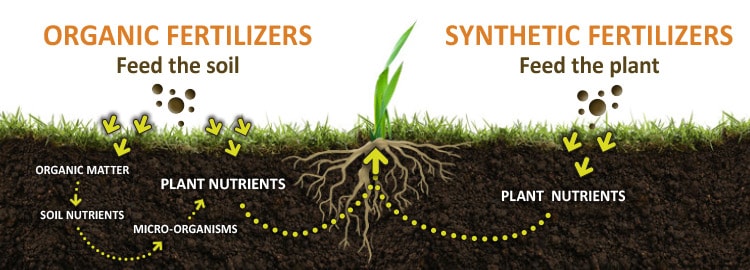
Compost vs fertilizer operate on different principles. Compost acts like a tonic for soil life. It feeds microbes and improves water retention, aeration, and nutrient-holding capacity. Fertilizer supplies specific nutrients plants need right away.
Nutrient release
- Compost releases nutrients slowly as microbes break down organic matter. This means steady feeding over weeks to months.
- Fertilizer releases nutrients fast. Some formulas are immediate-release and show results within days.
Soil biology
- Compost builds diverse microbial life. Healthy microbes cycle nutrients and suppress some diseases.
- Fertilizer does not add beneficial microbes. Heavy use can harm microbial balance if soil becomes salty or imbalanced.
Speed of effect
- Compost vs fertilizer: compost improves long-term soil health; fertilizer gives fast visible green-up. Use compost for foundation and fertilizer for quick fixes.
Benefits of compost vs fertilizer
Compost benefits
- Improves soil texture and drainage while holding water for plants.
- Increases beneficial microbes and earthworms.
- Slowly supplies a broad range of micronutrients and organic matter.
- Reduces the need for frequent watering and helps prevent erosion.
Fertilizer benefits
- Provides fast, measurable nutrient boosts for growth and blooms.
- Easy to match to plant needs using NPK ratios.
- Good for correcting specific deficiencies quickly.
- Works well for high-demand crops and timed feeding schedules.

Limitations and risks
Compost limitations
- Nutrient levels are variable and low compared to fertilizers.
- Can be bulky and slow to change soil nutrient profile.
- Poorly made compost can contain weed seeds or pathogens.
Fertilizer limitations
- Overuse can burn plants, cause runoff, and harm water quality.
- Synthetic fertilizers can reduce long-term soil organic matter.
- Precise application is needed to avoid nutrient imbalances.
Risk management
- Test your soil before heavy fertilizer use to target needs.
- Use well-finished compost and avoid adding immature piles to beds.
- Combine both tools when appropriate to balance fast results and long-term health.

When to use compost vs fertilizer
For new beds and rebuilding soil
- Use compost as a base. Mix it into topsoil to build structure and life.
- Compost vs fertilizer here: compost is the long-term foundation; fertilizer alone won’t fix poor soil.
For seedlings and transplants
- Use light compost in potting mixes for water retention and microbes.
- Add a small, balanced fertilizer at transplant time for a quick start if needed.
For lawns
- Apply compost annually as a topdressing to improve soil and reduce thatch.
- Use fertilizer for fast green-up and to correct nutrient deficiencies in spring or fall.
For high-demand crops
- Combine compost with periodic fertilizer feeds during fruit and rapid growth stages.
- Compost vs fertilizer in vegetable gardens: compost builds soil; fertilizer meets peak nutrient demand.
How to make and apply compost and fertilizer
Making compost (simple method)
- Collect kitchen scraps, yard waste, and brown material like leaves.
- Build a pile or bin, layer greens and browns, and keep it moist.
- Turn the pile every few weeks to speed breakdown. Finished compost is dark and crumbly.
Applying compost
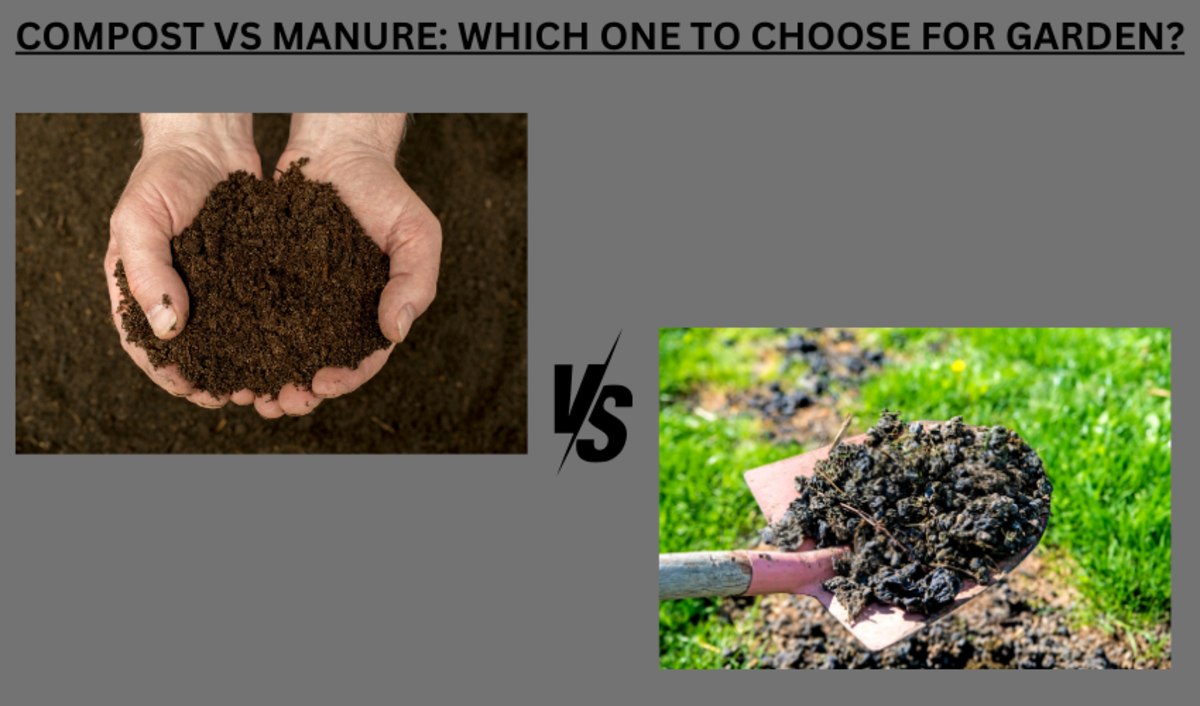
- Work 1 to 3 inches into new beds or top-dress established beds with 1/2 to 1 inch.
- Use compost tea sparingly for a mild nutrient boost and microbe stimulation.
Choosing and applying fertilizer
- Match the NPK ratio to plant needs (e.g., high nitrogen for lawns, high phosphorus for blooms).
- Apply per label rates and water in to avoid burning roots.
- Consider slow-release or organic fertilizers to reduce leaching and need for frequent feeding.
Cost, environmental impact, and sustainability
Cost comparison
- Compost can be free if you make it. Bagged compost costs more but builds soil long-term.
- Fertilizers vary widely in price. Synthetic fertilizers are often cheaper per nutrient unit.
Environmental impact
- Compost reduces landfill waste, stores carbon in soil, and lowers runoff risk.
- Overuse of fertilizer contributes to water pollution and greenhouse gas emissions if misapplied.
Sustainability
- Using compost supports a circular system: waste becomes resource.
- Use fertilizer responsibly and choose organic or slow-release options when possible for lower environmental harm.
Personal experience and practical tips
From my garden: I once used heavy fertilizer on a new bed with poor soil. Plants greened fast but wilted by late summer. After adding compost and switching to targeted fertilizer feeds, the bed recovered and needed less watering.
Tips I learned
- Start with a soil test to know what the soil lacks.
- Use compost every season to build resilience.
- Use fertilizer for quick fixes, not as the sole strategy.
- Avoid overfeeding; less is often better than more.
Common mistakes to avoid
- Adding immature compost to beds, which can rob nitrogen temporarily.
- Applying fertilizer at too high a rate or right before heavy rain.
- Forgetting that compost benefits accumulate slowly.
Frequently Asked Questions of compost vs fertilizer
What is the main difference between compost and fertilizer?
Compost improves soil structure and feeds microbes while slowly releasing nutrients. Fertilizer supplies concentrated, targeted nutrients quickly for plant uptake.
Can I use both compost and fertilizer together?
Yes. Compost builds long-term soil health, and fertilizer can supply extra nutrients during peak growth. Use compost as the base and fertilizer for timely boosts.
Is compost a substitute for fertilizer in vegetable gardens?
Compost can reduce fertilizer needs but may not meet high nutrient demands alone. For heavy feeders, combine compost with targeted fertilizer applications.
Will fertilizer harm soil life?
Excessive synthetic fertilizer can harm soil microbes and reduce organic matter over time. Balanced use and adding compost help maintain healthy soil biology.
How often should I add compost to my garden?
Apply compost once or twice a year as a top dressing or mix it into beds when preparing soil. Small, regular additions build soil faster than rare, large doses.
Is homemade compost safe to use around edible plants?
Properly finished compost is safe and beneficial for edible gardens. Avoid compost with diseased plants or treated wood and ensure the pile reached adequate temperatures to kill pathogens.
Which is better for potted plants: compost or fertilizer?
Potted plants need both good potting mix (with compost) and regular fertilizer feeds. Compost improves water holding, while fertilizer supplies consistent nutrients.
Can compost prevent nutrient runoff better than fertilizer?
Yes. Compost binds nutrients more effectively in soil and reduces runoff risk. Slow-release fertilizers also reduce runoff if used correctly.
How do I know if my compost is ready?
Finished compost is dark, crumbly, and smells earthy. If your pile still smells sour or has visible undecomposed scraps, let it mature longer.
Should I test my soil before using fertilizer?
Always test soil before applying fertilizer. A test shows nutrient levels and pH, so you can choose the right fertilizer type and amount.
Conclusion
Compost vs fertilizer is not an either-or choice. Compost builds soil, supports microbes, and improves resilience. Fertilizer gives targeted, fast nutrients when plants need them most. Use compost as your soil foundation and apply fertilizer smartly for fast results when required. Start with a soil test, add compost regularly, and choose fertilizers that match your plants’ needs. Try this blend in your next season and watch soil life and plant health improve. Share your results or questions below, subscribe for more tips, or leave a comment about what worked in your garden.