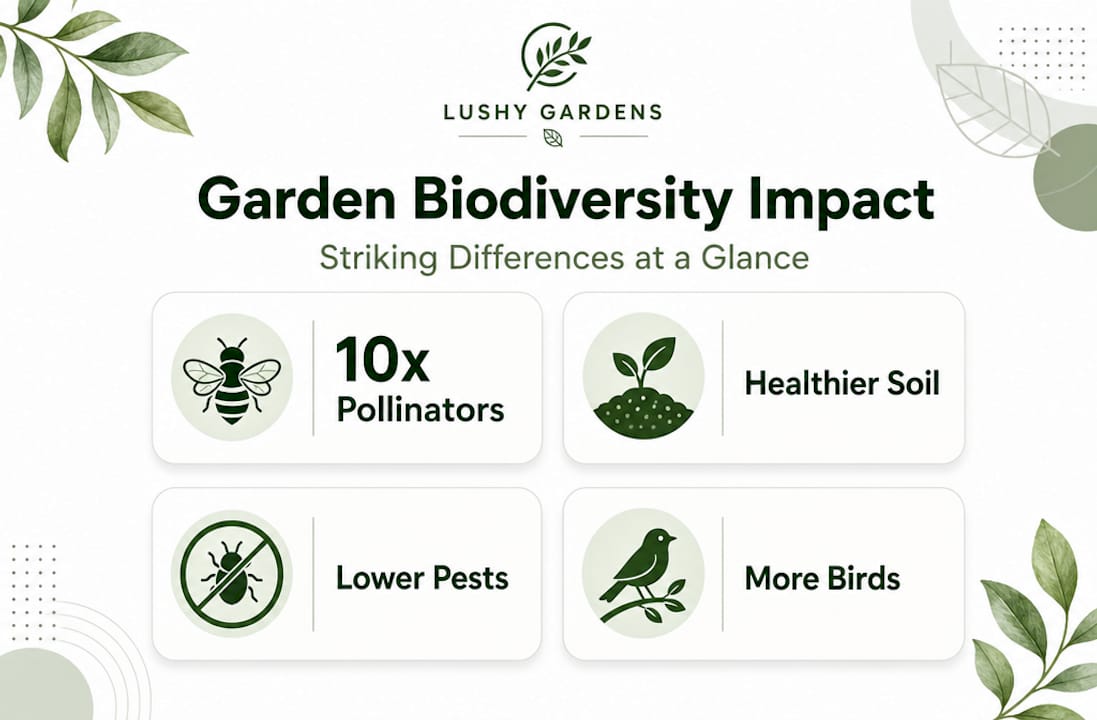
Garden plant diversity for ecosystem resilience means growing different plants with different roles, growth habits, root systems, and bloom times. This helps a garden support wildlife, protect soil, manage water, and recover from pests, heat, drought, and other stresses.
Across the United States, a garden in coastal Maine faces different challenges from one in Florida, Arizona, Texas, or the Pacific Northwest. Some yards deal with long dry spells. Others face heavy rain, strong winds, summer heat, or cold winters. Yet all these gardens can become stronger when they contain a healthy mix of plants that fit their local conditions.
Garden plant diversity for ecosystem resilience is more than growing many kinds of flowers. It means choosing trees, shrubs, grasses, herbs, and ground covers that perform different jobs. Some plants feed bees and butterflies. Others shade the soil, slow rain, hold loose earth, or give small animals a safe place to rest. When these roles work together, the garden becomes less reliant on one plant or one type of habitat.
Research on residential gardens links plant diversity and habitat complexity with greater wildlife diversity. A 2023 review in Biodiversity and Conservation examined 408 published papers on garden biodiversity. It found that plant cover and plant makeup were often linked with greater wildlife diversity. It also found that the strength of the evidence varied across studies. This means diversity is a sound design goal, but it is not a promise that every diverse garden will resist every threat.
The best approach is to build diversity around local needs. Start with the soil, sunlight, rainfall, and space you have. Then select plants that offer food, shelter, shade, and soil cover at different times of year. A well-planned garden can support both people and nature while giving itself more ways to cope with change.
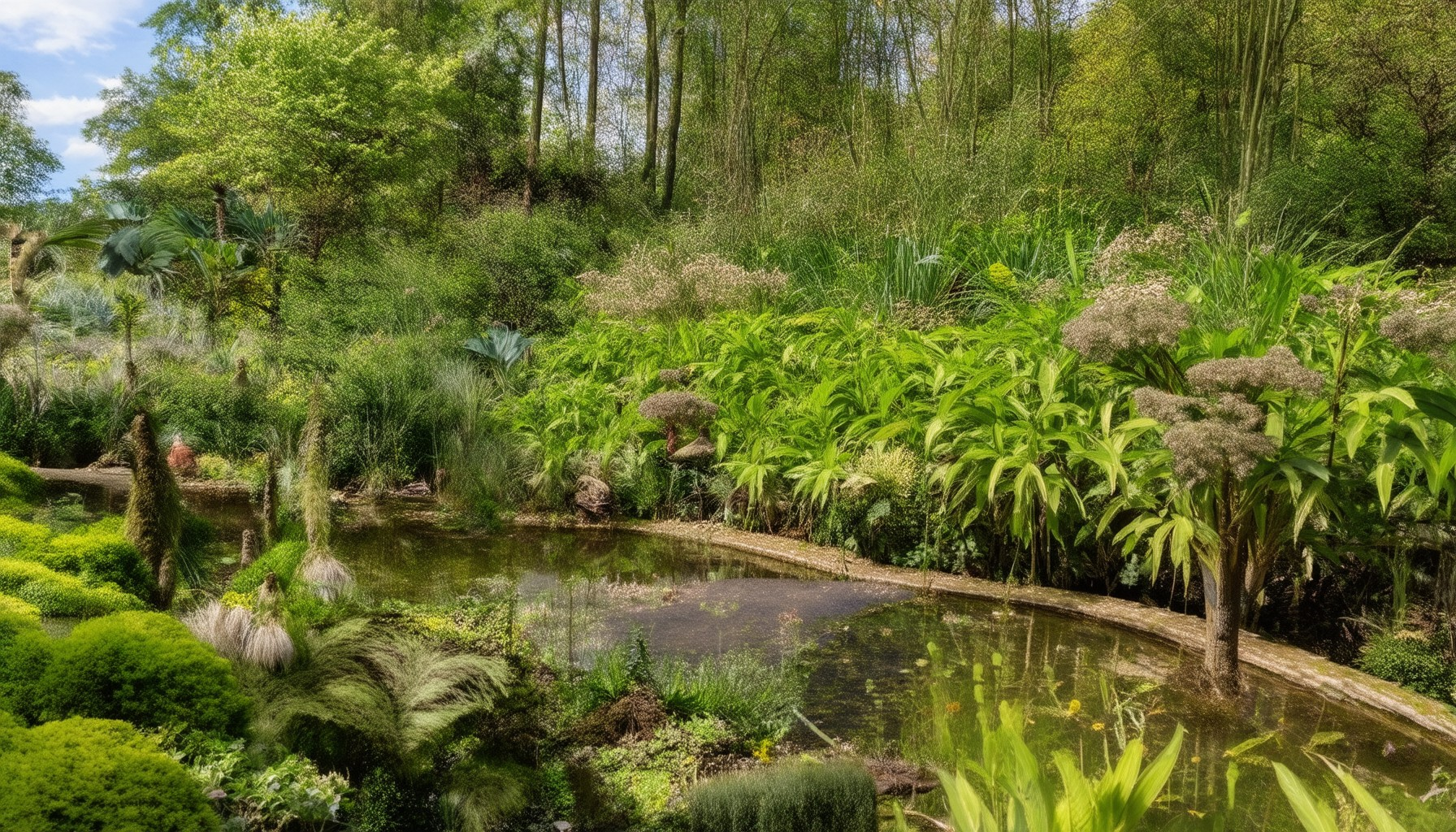
Source: oldseed.org
What Garden Ecosystem Resilience Really Means
Ecosystem resilience is the ability of a living system to handle change, recover from harm, and keep doing its main jobs. In a home garden, those jobs include growing healthy plants, holding soil, moving water, supporting wildlife, and providing useful spaces for people.
A resilient garden does not need to stay perfect. Leaves may show insect damage. Some flowers may fail in a hot summer. A few plants may die after a storm. The key is that the whole garden can keep working even when one part suffers.
Plant diversity helps spread risk. If every plant belongs to one species, a pest or disease that attacks that species can damage much of the garden at once. A mix of plants with different traits gives the garden more ways to respond.
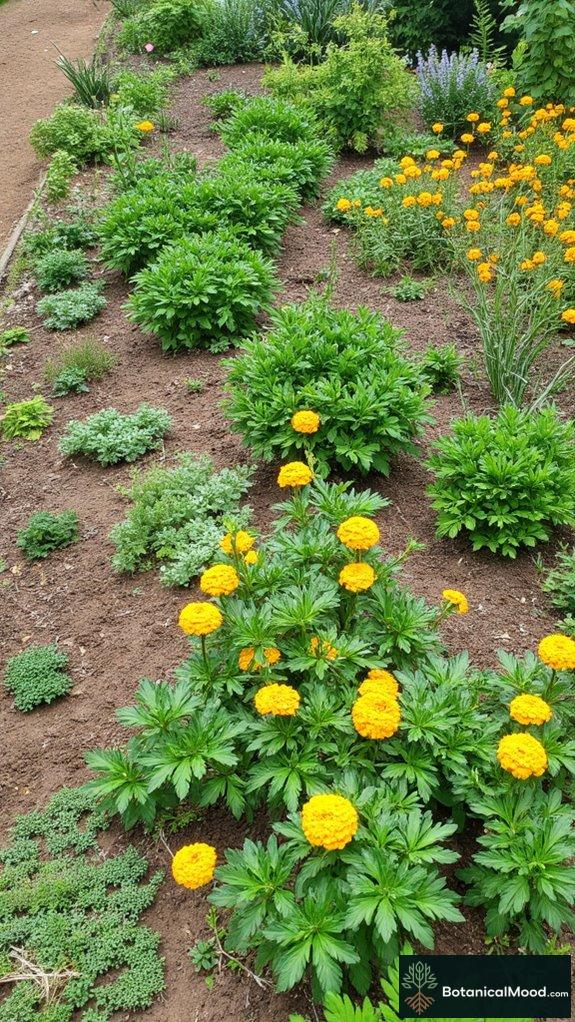
Source: botanicalmood.com
Resistance
The ability of plants and garden life to withstand a stress, such as heat, drought, disease, or heavy rain, without major damage.
Recovery
The ability of the garden to regain healthy growth after a storm, pest outbreak, dry spell, or other disturbance.
Adaptation
The ability of the planting to keep functioning as weather, soil conditions, and local wildlife needs change.
Continuity
The steady supply of shade, food, shelter, soil cover, and other useful functions across the seasons.
Plant Diversity Is More Than a Species Count
Species richness means the number of different plant species in a space. It is one way to measure diversity, but it does not tell the whole story. A bed with 20 plants that all need the same water, light, and soil may be less resilient than a bed with fewer plants that have different needs and roles.
Functional diversity is the range of jobs that plants perform. It includes traits such as root depth, leaf size, growth rate, flower shape, bloom time, and tolerance to dry or wet soil. These traits affect how plants use resources and how they support other forms of life.
For example, a garden with shallow-rooted ground covers, deep-rooted perennials, flowering shrubs, and shade trees has more varied functions than a bed filled with many similar flowers. Each group adds a different part to the system.
Taxonomic diversity
The range of plant species and related plant groups in the garden.
Functional diversity
The range of plant traits and ecological jobs, such as shade, soil cover, food, and water use.
Structural diversity
The mix of plant heights, shapes, and layers above and below the soil.
Seasonal diversity
The range of plants that grow, flower, fruit, and provide shelter at different times of year.
How Plant Diversity Helps a Garden Handle Stress
Different plants respond to the same stress in different ways. This is one of the main reasons diversity can help a garden recover. A long dry spell may harm plants with shallow roots, while deeper-rooted plants may keep growing. A pest may attack one plant group but leave other groups alone.
Ecologists often describe this idea as response diversity. It means that plants can perform similar jobs but react differently to change. If one flowering plant stops blooming during a heat wave, another may still offer nectar. If one shrub suffers from disease, other plants can continue to provide cover.
This does not mean that a diverse garden is free from pests or damage. It means that the loss of one plant is less likely to remove an entire garden function.
Source: bluestem.ca
Protection against pest outbreaks
A varied planting can make it harder for pests that depend on one host plant to spread across the whole garden. It can also provide food and shelter for predatory insects and other natural enemies.
Better response to weather changes
Plants with different water needs, root systems, and heat tolerance can respond in different ways during dry, wet, or unusually hot periods.
More reliable food for wildlife
A range of flowering plants, fruiting shrubs, and host plants can provide resources across more of the year.
More stable soil cover
Plants with different growth habits can cover bare ground, slow water flow, and reduce the risk of soil loss.
Functional Redundancy Creates a Safety Net
Functional redundancy means that more than one plant can perform a useful job. For example, several flowering species may provide nectar for bees. Several ground covers may protect soil from direct sun and rain. Several shrubs may offer shelter for birds.
If one species fails, another may still perform a similar task. This creates a safety net for the garden. The plants do not need to be identical. In fact, differences in their growth and stress response make the system more useful.
Aim for a balance. Include several plants that support key functions, but avoid filling the garden with species that all have the same weak points.
For pollinator food
Use several flowering plants with different bloom periods and flower forms.
For soil cover
Combine low-growing plants, grasses, and leaf litter where suitable.
For shade and shelter
Use a mix of trees and shrubs that suit the space and local climate.
Diversity Can Support Natural Pest Control
Some insects feed on garden pests. Lady beetles, lacewings, hoverfly larvae, and certain wasps can help limit harmful insect populations. These useful insects also need food, shelter, and safe places to complete their life cycles.
A study published in Landscape and Urban Planning in 2021 examined plant diversity and structure in urban ornamental gardens. Its findings linked richer, more varied plantings with greater diversity and abundance of natural enemies. The work also suggested that dense, varied planting could help reduce pest numbers.
This is a useful design clue, not a guarantee. A garden may still have pest outbreaks. Check plants often, identify the insect before taking action, and use the least harmful control that will solve the problem.
Keep useful flowers available
Small flowers can provide food for many adult beneficial insects.
Avoid needless spraying
Broad pesticide use can harm helpful insects along with pests.
Allow some insect activity
A few chewed leaves do not always mean that a plant is in danger.
Build Plant Diversity Around Different Ecological Roles
The easiest way to plan a diverse garden is to think about what each plant does. Do not begin by buying a long list of flowers. Begin by listing the needs of the space and the jobs that the planting should perform.
A resilient garden often includes several plant forms. Trees create shade and shelter. Shrubs add cover and flowers. Perennials provide food and long-term ground cover. Grasses and sedges add structure and habitat. Low-growing plants help protect the soil.
Not every garden needs all these layers. A small sunny balcony may use containers with herbs and flowers. A large yard may have room for trees, shrubs, and a broad mix of ground plants. The goal is to make the best use of the space you have.
Source: nybg.org
Trees
Trees can provide shade, cool nearby surfaces, slow rain, store carbon, and offer food and shelter for wildlife. Choose a mature size that fits the site.
Shrubs
Flowering and fruiting shrubs add habitat at a middle height. They can provide nesting cover and food for birds and insects.
Flowering perennials
Perennials can provide nectar, pollen, host leaves, and long-term cover. Select a mix with different bloom periods.
Native grasses and sedges
These plants can add root structure, nesting material, winter cover, and food for some insects and birds.
Ground covers
Low plants help reduce bare soil, limit erosion, and shade the ground. Match them to the amount of sun and water available.
Herbs and food plants
Many herbs and vegetables can provide flowers, seeds, and useful harvests. Let some suitable plants flower when space and crop needs allow.
Use Different Root Systems
Plant roots do more than hold a plant in place. They help the soil take in water, create spaces for air, and support many living organisms. Roots also hold soil in place during rain and wind.
A mix of plants with different root forms can use soil space in different ways. Fine roots can form a dense network near the surface. Deeper roots can reach lower soil layers. Fibrous roots can help bind loose soil.
Do not assume that every plant with deep roots will improve every soil. Root growth depends on soil depth, compaction, water, and the plant itself. Choose species that can grow well in the conditions you have.
Shallow roots
Useful for surface cover and for holding the upper soil layer.
Deep roots
Can use deeper soil moisture and add root channels where the soil allows.
Fibrous roots
Can form a dense network that helps hold soil and reduce surface erosion.
Include Plants With Different Bloom Times
A garden that blooms for only a few weeks may offer a short burst of food, then leave pollinators with little to use. A longer bloom season gives insects more chances to find nectar and pollen.
Choose early, middle, and late-season flowers. Include plants that bloom at different heights and have different flower shapes. Some insects use small open flowers, while others can reach nectar in deeper flowers.
The Xerces Society and USDA conservation guidance both stress the value of providing flowers across the growing season. A useful starting goal is to have several plant species flowering in each broad season, where local climate and space allow.
Spring
Include early flowers and suitable flowering shrubs or trees for insects that become active after winter.
Summer
Use a mix of flowering perennials and herbs that can provide steady food during warm months.
Fall
Keep late flowers in the plan. They can help insects build energy before cold weather.
Choose Plants That Fit Your Local United States Region
The right plant for a resilient garden is one that can grow well in the local climate and site. A plant that thrives in a cool, wet yard may struggle in a hot, dry one. A plant that grows well in coastal soil may not tolerate heavy clay or high salt inland.
Start with plants native to your part of the United States when possible. Native plants have a long history of growing in local conditions and often support local insects and other wildlife. Some specialist insects depend on particular native plants for food during part of their life cycle.
Native does not mean suitable for every yard. A native plant from a wet lowland may fail on a dry slope. A plant native to one part of a state may not be native to another. Check its natural range and site needs before planting.
A 2024 review in Urban Ecosystems examined 165 papers on native and non-native plants in urban landscapes. It found strong overall evidence that native plants support higher wildlife abundance and diversity. It also reported mixed findings and some cases where non-native plants performed as well or better on particular measures. The practical lesson is to favor suitable regional natives while checking every plant for its ecological impact.
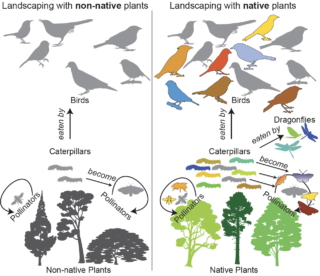
Source: plantedwellness.co
Northeast and Mid-Atlantic
Check plants for cold winters, humid summers, local soil, and seasonal rain. Use regional native trees, shrubs, grasses, and flowers that fit the site.
Southeast and Gulf Coast
Consider high summer heat, humidity, intense rain, and local soil drainage. Choose plants that can handle the actual moisture level of the planting area.
Midwest and Great Plains
Plan for seasonal temperature swings, wind, and possible dry periods. Local prairie plants may be useful in suitable open, sunny spaces.
Southwest and Interior West
Give special attention to water limits, heat, elevation, and soil. Select plants that can handle the local rainfall pattern rather than relying on extra irrigation.
Pacific Northwest
Consider differences between wet coastal areas and drier inland areas. Select plants for local summer water needs as well as winter conditions.
Alaska and colder mountain areas
Check local growing seasons, frost dates, elevation, and natural plant ranges. Use local extension and native plant resources.
Native Plants, Non-Native Plants, and Invasive Species
Native plants should usually form the base of a wildlife-focused garden. They often have useful links with local insects, birds, and other wildlife. They can also fit local rain and soil patterns when chosen from the right region.
Non-native plants are not all invasive. Some can offer nectar, pollen, shade, or other useful functions. However, a plant that grows well in a garden may also spread beyond it and harm nearby natural areas.
An invasive plant is a non-native species that spreads and causes harm to the environment, economy, or human health. Check state and local invasive plant lists before buying or sharing seeds. Do not plant a species known to invade nearby natural areas.
Be careful with highly bred flowers as well. Some double-flowered forms have little or no pollen or nectar. A plant’s name or flower color alone does not prove that it offers good wildlife value. Look for information on its flowers, host value, and local use.
Check the natural range
Use state native plant societies, local botanical gardens, and Cooperative Extension resources.
Check invasive plant alerts
Review state agriculture or natural resource agency lists before planting unfamiliar species.
Check ecological value
Look for evidence that the plant offers pollen, nectar, host leaves, fruit, or shelter.
Check the growing site
Confirm that the plant fits your light, soil, moisture, and space.
Do Not Use Hardiness Zones as Your Only Guide
USDA plant hardiness zones describe average annual extreme minimum winter temperatures. They are useful, but they do not tell you everything about a site.
Two yards in the same zone may have very different summer heat, rainfall, wind, soil, and drainage. A plant may survive the winter but still fail during a dry summer or in waterlogged soil.
Use hardiness zones along with local plant ranges, ecoregion information, soil tests, and advice from your Cooperative Extension office.
Sun
Record full sun, part sun, and shade across the garden.
Water
Check how fast water drains and which areas stay wet or dry.
Soil
Check texture, pH, compaction, and organic matter when these factors affect plant choice.
Space
Allow for mature plant height, width, and root growth.
How to Plan a Diverse and Resilient Garden
A good planting plan starts with a clear view of the site. Walk through the garden at different times of day. Watch where the sun falls. Look for wet spots, dry patches, compacted soil, and areas where rain flows across the ground.
Next, decide what you want the garden to do. A pollinator bed may focus on flowers and host plants. A sloped garden may need plants that hold soil. A hot yard may need shade and plants that can cope with heat. Many gardens can meet several of these needs at once.
Use the following steps to build a planting plan. Work in small areas if the whole yard feels too large. A single diverse bed can be a useful start and can grow over time.
Source: lushygardens.com
Step 1: Make a site map
Draw the garden and mark sunlight, shade, slopes, paths, water flow, and existing plants. Note areas that stay wet or dry.
Step 2: List the main stresses
Write down the problems the site faces. These may include drought, flooding, heat, wind, poor soil, pests, or heavy foot traffic.
Step 3: Set the main goals
Choose the jobs the planting should perform. Examples include pollinator food, shade, erosion control, wildlife shelter, and low-water cover.
Step 4: Choose plant groups
Select trees, shrubs, perennials, grasses, sedges, and ground covers as needed. Aim for different root forms, heights, and growth patterns.
Step 5: Spread bloom times
Select early, middle, and late flowers. Add host plants and plants that offer seeds or fruit where suitable.
Step 6: Check plant compatibility
Make sure the plants can share the same light, water, and soil conditions. Do not force plants with very different needs into one small bed.
Step 7: Plant and care for the site
Follow suitable planting depth and spacing. Water during establishment based on weather, soil, and local planting advice.
Step 8: Review the results
Watch plant survival, bloom periods, wildlife use, water needs, and signs of erosion or pest damage. Adjust the plan when needed.
A Simple Example for a Small Home Garden
Imagine a sunny garden bed that measures 10 feet by 12 feet. The soil drains well, but the site gets hot in summer. The owner wants to support bees, protect the soil, and reduce the need for frequent watering.
A useful plan could include one small native shrub, several local flowering perennials with different bloom times, a few bunch grasses, and low-growing plants near the bed edge. The plants should be selected from the local native range and matched to the soil and sunlight.
The shrub can offer shelter and seasonal flowers. The perennials can supply nectar and pollen. The grasses can add structure and cover. The low plants can shade the soil and reduce bare patches.
This is an example of a design approach, not a fixed planting formula. The exact number and type of plants depend on their mature size, local climate, and the needs of the site.
Main goal
Support pollinators and protect the soil during hot weather.
Plant mix
Use a mix of one suitable shrub, flowering perennials, native grasses, and low ground-cover plants.
Key diversity traits
Include different bloom times, flower shapes, heights, and root forms.
Care plan
Water as needed during establishment, keep harmful weeds in check, and limit disturbance of soil and wildlife habitat.
Signs of success
Plants survive, bare soil decreases, flowers appear across more of the season, and pollinators visit the bed.
Use Plant Groups Rather Than Random Spacing
Planting several plants of the same species in a small group can make flowers easier for pollinators to find. It can also create a stronger visual pattern and make care easier.
Groups should still be part of a wider mix. Avoid making the whole garden one large block of a single species. Repeat selected plants in different parts of the garden while adding other species with different roles.
Give each plant enough room to reach its mature size. Crowded plants may compete for light, water, and air. This can raise stress and make some diseases more likely.
Repeat useful plants
Use small groups of key flowers and grasses in more than one part of the garden.
Keep different groups nearby
Place plants with similar water and light needs together.
Allow mature growth
Check plant labels and regional guides for mature width and height before setting spacing.
Protect Soil, Water, and Wildlife as the Garden Grows
Plant diversity works best when the rest of the garden is managed with care. Soil, water, insects, and plants form one connected system. A change in one part can affect the others.
Healthy soil contains bacteria, fungi, earthworms, and many other living things. These organisms help break down plant matter and move nutrients through the soil. Roots and soil organisms also affect how well the ground holds water.
A 2019 study of urban gardens in Zurich found that higher plant diversity was linked with greater soil animal diversity and soil multifunctionality. This is useful evidence for the value of diverse planting, but it does not prove that every garden will get the same result. Soil, climate, and management all matter.
Keep soil covered
Use suitable living ground covers, leaf litter, or organic mulch to protect bare soil from sun and heavy rain.
Limit soil disturbance
Avoid needless digging and tilling. These actions can break soil structure and disturb organisms that live in the ground.
Use compost with care
Add mature compost when it suits the soil and plant needs. More compost or fertilizer is not always better.
Water with a clear purpose
Water new plants as needed and adjust as they become established. Avoid keeping plants in soil that is too wet for their roots.
Protect water quality
Keep excess fertilizer and pesticides out of drains and waterways. Use only the inputs that the garden needs.
Create Habitat Beyond Flowers
Flowers are only one part of wildlife habitat. Many insects need host plants for their young. Some bees nest in bare soil, while others use hollow stems or small holes in wood. Birds may use shrubs and trees for cover and nesting.
A garden with flowers but no nesting space may support adult insects for only part of their life cycle. Add suitable shelter and keep some areas less disturbed. This makes the garden useful for more than feeding adult pollinators.
A shallow water source can also help wildlife. Keep it clean and change the water often enough to prevent mosquito breeding. Add stones or another safe landing area so small insects can reach the water.
Host plants
Include plants that provide food for butterfly and moth caterpillars, not only flowers for adult insects.
Bare soil
Keep a small, safe patch of suitable bare ground for ground-nesting bees where local conditions allow.
Stems and leaves
Leave some healthy stems and fallen leaves in suitable areas for shelter and winter cover.
Shrubs and trees
Use suitable woody plants to provide cover, nesting space, and seasonal food.
Water
Provide a clean, shallow water source with safe access and regular care.
Use Careful Pest Management
Do not treat every insect as a pest. Many insects help with pollination, pest control, and the breakdown of plant matter. Some damage to leaves is part of a working garden.
First, identify the problem. Check whether the plant is truly at risk. Look for signs such as severe leaf loss, weak growth, or damage that keeps spreading. Then consider hand removal, pruning, barriers, or other low-risk methods.
If a pesticide is truly needed, choose one suited to the pest and follow the label. Avoid spraying open flowers or exposing pollinators. Never use a product in a way that goes against its label or local rules.
Inspect first
Identify the insect and assess the level of damage before taking action.
Try low-risk methods
Use hand removal, barriers, or targeted pruning when these methods can solve the problem.
Protect beneficial insects
Avoid broad treatments that may harm pollinators and natural pest enemies.
Common Mistakes That Can Weaken Garden Resilience
More plants do not always mean more resilience. A garden can contain many species and still have weak points. The problem may be poor plant choice, poor spacing, a lack of seasonal food, or care that removes useful habitat.
The goal is not to make a garden look wild or to stop all maintenance. The goal is to manage the space in a way that protects its useful functions. Good design can still include clear paths, neat edges, and attractive planting groups.
Counting species without checking their roles
A long plant list may hide the fact that every plant needs the same conditions or faces the same pests. Choose plants with different useful traits.
Planting only summer flowers
This can leave pollinators without enough food in early spring or late fall. Spread bloom times across the growing season.
Choosing plants by appearance alone
A plant may look attractive but offer little food or shelter. Check its ecological role before planting.
Using invasive ornamentals
Some garden plants can spread into natural areas and displace local species. Check state and local alerts before buying.
Ignoring mature plant size
Crowded plants may compete for light and water. Plan for mature height, width, and root growth.
Removing every fallen leaf and stem
A very clean garden may remove shelter used by insects in winter. Leave some suitable plant matter in safe areas.
Using too much fertilizer
Excess nutrients can harm nearby water and may favor fast-growing plants over a balanced mix. Test the soil when needed.
Relying on one plant type
A garden made mostly of one tree, one shrub, or one flower type can be vulnerable to a pest or disease that targets it.
Watering every plant the same way
Plants have different moisture needs. Group plants by water needs and avoid overwatering dry-site species.
Why a Native Plant Garden Can Still Fail
Using native plants is a strong starting point, but it does not remove the need for good site planning. A native species can still fail if it is planted in the wrong soil, light, or moisture conditions.
A plant from a dry upland may not survive in a low spot that stays wet. A plant that needs full sun may become weak under a thick tree canopy. A local species may also need time to establish before it can handle dry weather.
If a planting fails, review the site before adding more plants. Check drainage, soil compaction, sunlight, root competition, and watering. Replace failed plants with species that better match the conditions.
Weak growth
Check light, soil, water, and root competition before adding fertilizer.
Repeated plant loss
Check whether the plant is suited to the local site and whether the same stress affects nearby plants.
Poor flowering
Check plant maturity, light, pruning, and water stress.
Standing water
Review drainage and replace plants that cannot handle the wet conditions.
How to Measure Progress and Improve Garden Resilience
A resilient garden should be judged by how well it works over time, not just how it looks on planting day. Keep simple notes on plant survival, flowering, wildlife visits, water use, and recovery after bad weather.
You do not need special tools to begin. A notebook, a simple garden map, and a few photos can help you see change from season to season. Record which plants thrive and which ones struggle.
The most useful signs are steady plant cover, a longer period of flowers, fewer bare soil patches, and a range of insects and birds using the garden. These signs do not prove that the whole ecosystem is healthy, but they can help guide better choices.
Plant survival
Record which plants survive each season and which ones need repeated replacement.
Bloom coverage
Note when the first and last flowers appear and whether there are long gaps with no blooms.
Wildlife use
Watch for bees, butterflies, hoverflies, birds, and other wildlife. Record visits without assuming that every visitor proves successful breeding.
Soil cover
Look for fewer bare patches, less surface erosion, and better protection from heavy rain.
Water needs
Track which areas need extra water and whether suitable plants can cope with local dry periods after establishment.
Pest and disease patterns
Record repeated problems and check whether they affect one species or several plant groups.
Recovery after stress
Check how the garden responds after heat, drought, storms, or pest damage.
Use a Simple Seasonal Review
In spring, check new growth, early flowers, and winter damage. Look for bare areas and plants that did not return. Avoid removing all old stems before insects have had a chance to emerge.
In summer, watch water needs, plant stress, pests, and flowering gaps. Take note of which plants keep growing during hot periods and which ones need more care.
In fall, record late flowers, seeds, and fruit. Leave suitable stems and leaves in some areas for winter habitat. Review the planting plan and decide what needs to change next year.
Spring review
Check plant return, early bloom, soil cover, and signs of winter stress.
Summer review
Check heat stress, water use, pest damage, and gaps in flower supply.
Fall review
Check late bloom, seed and fruit supply, and safe areas for winter shelter.
What to Do When the Plan Does Not Work
If plants keep dying, do not simply add more species. Find the cause first. A drainage problem, compacted soil, poor light, or wrong plant choice can affect many species at once.
If flowers stop too early, add suitable plants with later bloom times. If pollinators visit only a few flowers, check flower shape, plant grouping, sun exposure, and the presence of nearby habitat.
If pests keep returning, identify the pest and the plant it attacks. Add suitable habitat for natural enemies and review pesticide use. If a serious disease affects trees or shrubs, ask a qualified local arborist or plant health professional for help.
Find the main cause
Check the site and plant needs before changing the planting list.
Make small changes
Replace a few poorly suited plants or fill one seasonal gap at a time.
Keep useful plants
Do not remove healthy plants just because they attract some insects or show minor leaf damage.
Ask for local help
Use Cooperative Extension, native plant groups, or qualified tree and plant care professionals when the cause is unclear.
What the Research Can and Cannot Tell Gardeners
Research supports the use of plant diversity in garden design, but the strength of the evidence depends on the outcome being measured. Wildlife visits, plant survival, pest levels, and soil health are different measures. A result for one does not prove a result for all the others.
The 2023 review of residential garden research found links between plant diversity, habitat complexity, and wildlife. It also found that many studies were observational. This means researchers often saw patterns but could not always prove that plant diversity alone caused them.
The 2018 review and meta-analysis in Conservation Biology found that pollinators responded positively to higher plant species diversity, woody vegetation, garden size, and sun exposure. It also found that isolated gardens tended to have less favorable pollinator outcomes. This supports the value of both good garden design and links between green spaces.
The 2024 review of native and non-native urban plants found strong overall support for native plants in helping urban wildlife. However, it also reported mixed results for some measures. This is why plant origin, ecological role, local range, and site fit should all be considered together.
No single plant mix can protect a garden from every drought, flood, disease, or climate shift. Diversity is one part of resilience. Healthy soil, suitable water use, good maintenance, and careful plant choice also matter.
Documented finding
Several research reviews link varied garden planting with stronger wildlife support and useful habitat features.
Important limit
Many garden studies are observational, so they cannot always show cause and effect.
Practical conclusion
Use diversity as a design principle, then check the results in your own garden and local climate.
Not established
There is no universal number of plant species that guarantees ecosystem resilience in every garden.
Why Garden Size and Nearby Habitat Matter
A small garden can provide useful food and shelter, but it cannot meet every wildlife need on its own. Some insects need large areas of suitable habitat. Birds and other animals may move across several yards to find food, water, and shelter.
Where possible, connect the garden with nearby trees, parks, planted verges, community gardens, and other green spaces. A hedge, a row of shrubs, or a group of flowering plants may help create a safer route between habitat patches.
Do not assume that a single garden can replace a natural area. Home gardens are useful parts of a wider network, but they work best when they support, rather than replace, larger natural habitats.
Connect planting areas
Use suitable shrubs, trees, and flowers to link nearby green spaces where possible.
Keep local habitat
Protect existing healthy trees, native plants, and natural areas before adding new landscaping.
Work with neighbors
Shared planting goals can create a wider supply of food and shelter than one isolated yard.
Frequently Asked Questions
Q
How many plant species should a resilient garden have?
There is no fixed number that works for every garden. A useful planting should include enough different species to provide varied plant forms, bloom times, root systems, and ecological roles. A small garden can still offer good diversity when its plants are well chosen.
Focus on functional diversity and local suitability rather than reaching an arbitrary species count. Include more than one plant that can provide important functions such as flowers, shelter, and soil cover.
Q
Are native plants always better for ecosystem resilience?
Native plants are usually a strong first choice, especially for gardens that aim to support local wildlife. They often provide food and host resources for insects that have local ecological links with those plants.
However, a native plant must still fit the soil, water, and light conditions. Non-native plants are not all invasive, but avoid species known to spread and harm nearby natural areas. Check local guidance before planting.
Q
Can a small garden support ecosystem resilience?
Yes. A small yard, patio, or container garden can offer flowers, food, and shelter. Use plants with different bloom times and forms. Include suitable host plants and avoid pesticide use that could harm beneficial insects.
A small garden will not replace a large natural habitat, but it can become one useful part of a wider network of green spaces.
Q
Does plant diversity reduce garden pests?
It can help in some cases. Different plants may make it harder for a pest that depends on one host species to spread. A varied garden may also support predators and other natural enemies that feed on pests.
However, diversity does not prevent every pest problem. Identify pests before acting, allow minor damage where safe, and use targeted control when needed.
Q
How can I make my garden more resilient to drought?
Choose plants suited to local rainfall and soil. Use suitable native plants, protect the soil with mulch or ground covers, and group plants by water needs. Avoid planting species that need constant water in areas with limited rainfall.
Water new plants during establishment as needed. Once plants are established, adjust care to the weather and the needs of each species. Do not assume that all native plants are drought tolerant.
✦ Wrapping Up
Conclusion
Garden plant diversity for ecosystem resilience is about building a planting that can support many useful functions. Different trees, shrubs, flowers, grasses, and ground covers can help protect soil, manage water, support wildlife, and reduce the risk of losing every garden function to one problem.
Start with the conditions in your own yard. Choose plants that fit your region, soil, sunlight, and water supply. Add different bloom times, root forms, and growth habits. Protect soil life, reduce needless chemical use, and leave suitable places for wildlife to feed and rest.
A resilient garden grows over time. Some plants will thrive, while others may need to be replaced. Watch how the garden responds to weather and wildlife needs, then make small changes. The aim is not a perfect garden, but a healthy living space with many ways to handle change.
💡 Key Takeaway
Start by mapping your garden’s sun, soil, and water conditions. Then choose a small group of locally suitable native plants with different heights, root systems, bloom times, and ecological roles. Add more diversity as the garden grows, and review plant health, wildlife use, and soil cover each season.