Choose garden plants by their expected full-grown height and width, not by their size at the garden center. Match each plant to the space it will occupy, allow room for growth, and avoid choices that need constant pruning to stay small.
Across the United States, home gardens range from small city yards to large suburban lawns and open country plots. Each space has different limits. A shrub that fits beside a wide front porch may block a window in a small yard. A young tree that looks harmless near a driveway may later spread over the path. The best way to avoid these problems is to plan for the plant’s mature size before buying it.
A plant’s size at purchase tells you very little about the space it will need in the years ahead. A small nursery pot can hold a plant that will grow several feet tall and wide. Check its mature height, mature spread, growth rate, and natural shape. Then compare those details with your garden space, nearby plants, paths, walls, and other fixed features.
Good plant choices can reduce future work and help each plant grow in its natural form. They also give trees, shrubs, flowers, and groundcovers enough room to develop. Think of the garden as a space that will change over time. A sound planting plan makes room for that change.
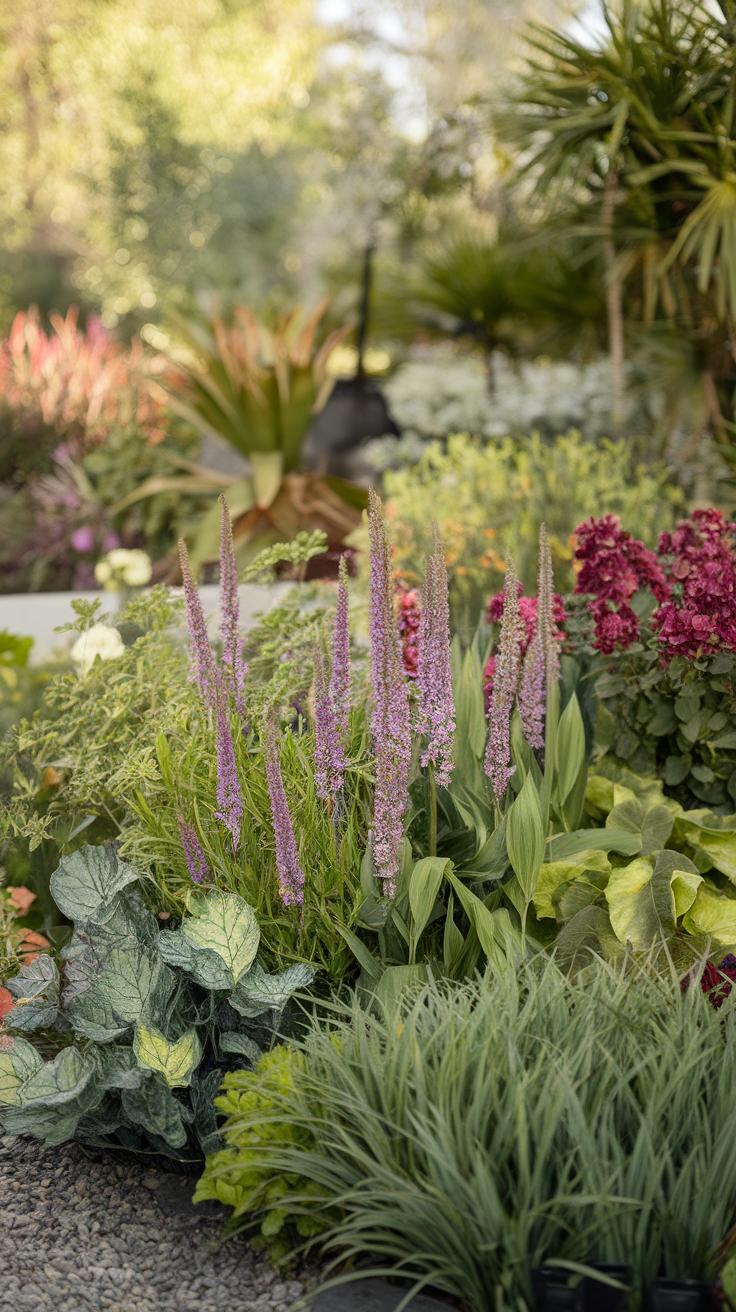
Source: finegardening.com
Start With Height, Spread, and Growth Habit
The first step in plant selection is to understand what mature size means. Mature size is the height and width a plant can reach when it has grown in suitable conditions. It is not the size of the plant when you buy it. It is also not always a fixed number. Many plant guides give a range because growing conditions can change the final result.
Height tells you how tall a plant may become. Spread tells you how wide it may grow from one side to the other. Both numbers matter. A tall, narrow shrub may fit in a small border, while a short, wide shrub may need much more ground space.
Growth habit also matters. It describes the plant’s natural shape as it grows. Some plants grow upright. Others form a round mound, spread along the ground, or send out new shoots. A plant with a wide, spreading habit needs more room than a plant with the same height but a narrow form.
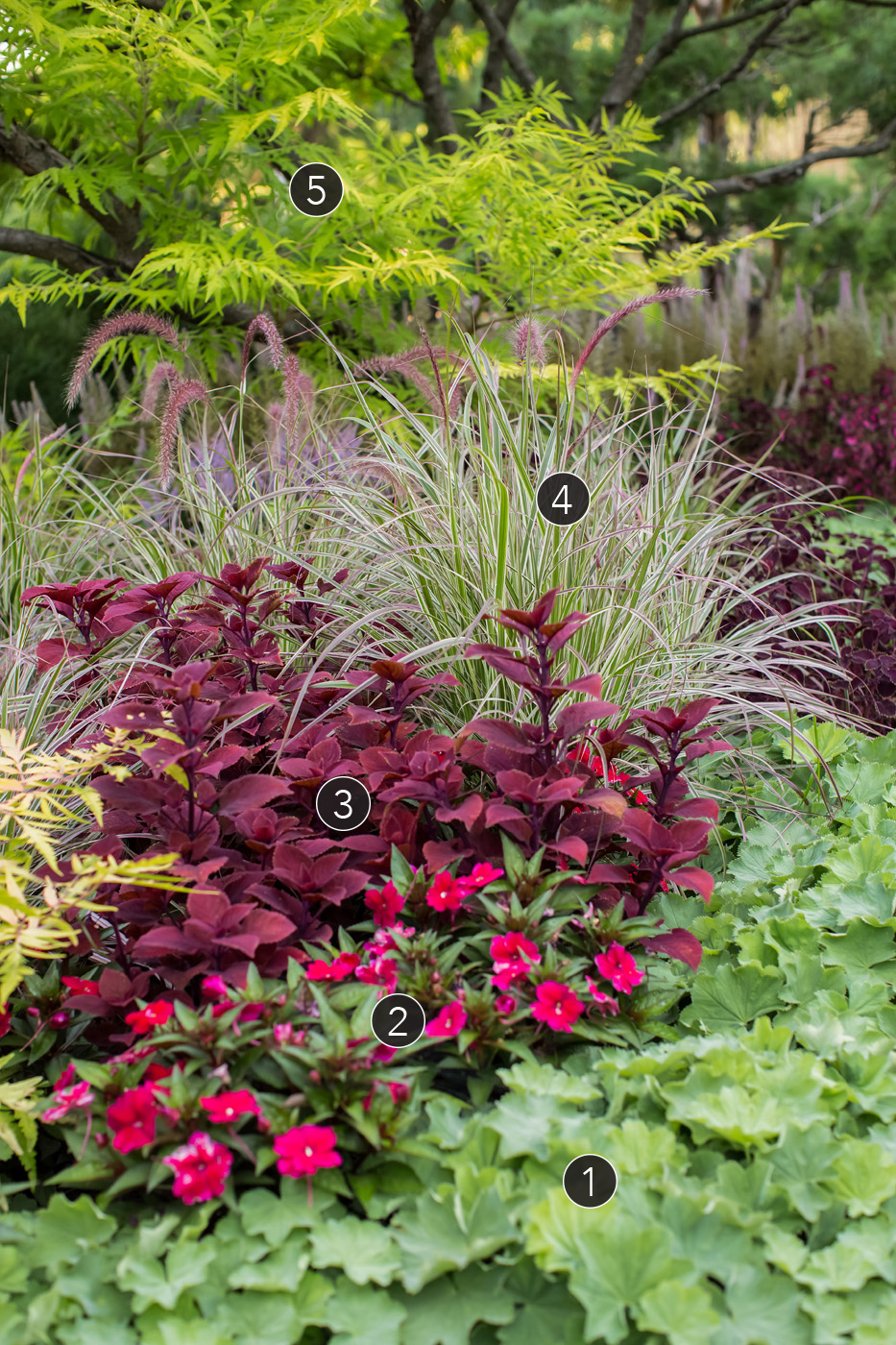
Source: gardentap.ca
Mature height
This is the expected height of the plant when it is fully grown. Check it when planting near windows, doors, fences, and overhead wires.
Mature spread
This is the expected width of the plant. It helps you plan space between plants, walls, paths, and other garden features.
Growth habit
Look for upright, rounded, spreading, trailing, columnar, or clumping forms. Each shape needs a different amount of room.
Growth rate
A slow-growing plant may take years to fill its space. A fast-growing plant may reach its expected size sooner and need more room early on.
Why Plant Width Can Matter More Than Height
Many gardeners focus on height because tall plants are easy to notice. Yet width often causes more spacing problems. A shrub may stay below a window but still spread over a walkway or cover a nearby plant. A tree may fit above a garden bed while its canopy reaches over the roof or driveway.
Picture a shrub that can grow 5 feet wide. If you place it in a 3-foot-wide bed, it will not have enough room to keep its natural shape. You may need to trim it often, move it, or replace it. Choosing a plant with a smaller spread would be a better long-term fit.
Always check the full size in both directions. If a plant has a mature height of 4 feet and a spread of 6 feet, plan for the 6-foot width as well as the height.
For narrow beds
Look for compact or upright plants with a small mature spread.
For open spaces
Consider rounded shrubs, broad perennials, or spreading groundcovers if their final width fits the area.
Verify the Exact Plant and Its Mature Size
Do not rely on a common plant name alone. The same common name may refer to more than one plant. Even plants in the same species can have different sizes. Named cultivars may have been selected for smaller growth, different shapes, or other traits.
Read the plant tag and look for the botanical name. Check the cultivar name if one is listed. Then compare the tag with a trusted plant database or a local university Extension guide. These sources can help you confirm mature height, spread, growth rate, and the conditions that affect growth.
Pay close attention to size ranges. A plant listed as 3 to 5 feet tall may reach the upper end when it grows in good conditions. If your space has a strict height limit, do not plan around the smallest number. Choose a plant that will fit even if it reaches the larger end of its normal range.
The University of Georgia Extension gives a useful example of cultivar differences. Blue sage, Salvia guaranitica, can grow to about 5 feet tall and wide. Lady in Red salvia, Salvia coccinea ‘Lady-in-Red’, is much smaller and may stay within about 2 feet. This shows why the exact plant name matters when space is limited.
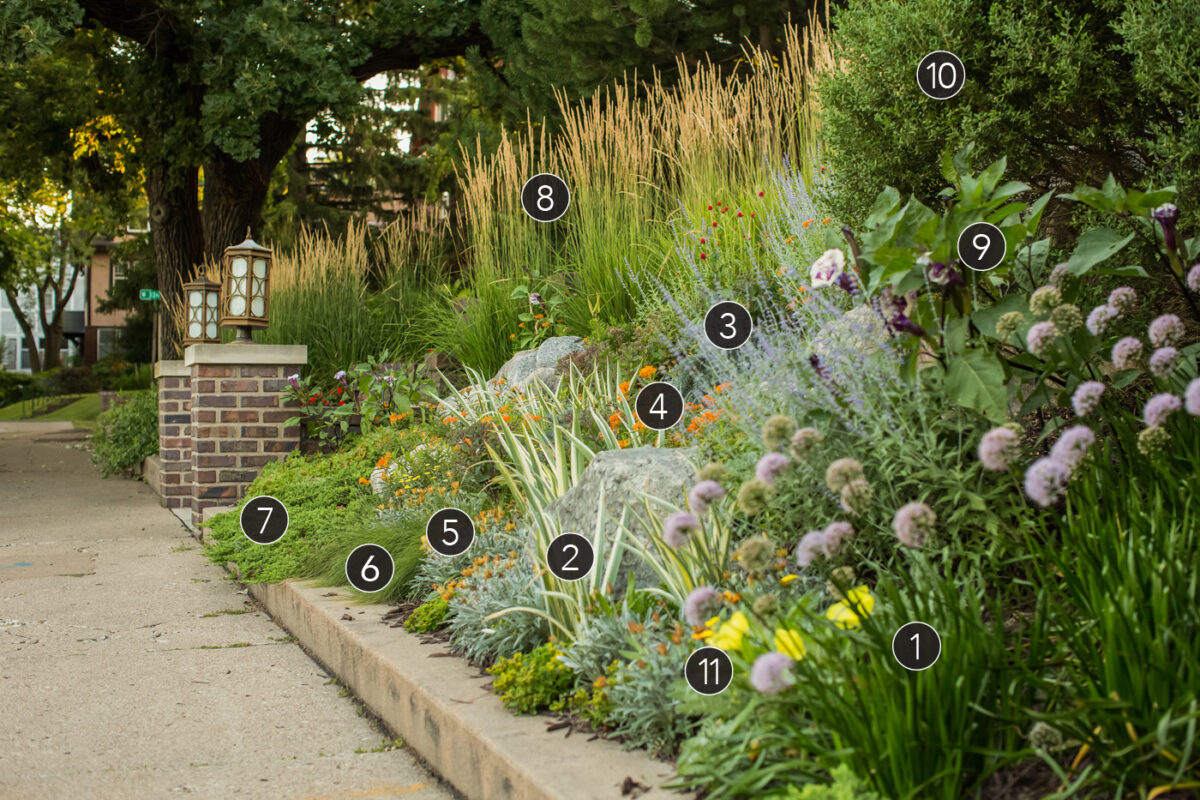
Source: wakeupwakecounty.com
Read the plant label
Check the botanical name, cultivar, mature height, mature spread, and suggested spacing.
Check more than one source
Compare nursery details with a university Extension guide or a trusted botanical plant database.
Look at local examples
Visit public gardens or nearby yards to see how the same plant grows in a climate like yours.
Check the growth range
Use the larger end of the stated range when a narrow space leaves little room for error.
Why the Growing Region Changes Plant Size
A plant may not reach the same size in every part of the United States. Heat, cold, rainfall, soil, and sunlight all affect growth. A shrub that grows well in a mild coastal area may grow more slowly in a cold inland region. A plant in a warm, wet climate may grow faster or larger than the same plant in a dry site.
USDA hardiness zones are useful for checking winter cold limits. However, they do not tell you the full story of mature size. Also check heat tolerance, local rainfall, soil drainage, and summer conditions. A plant that survives winter may still struggle in strong summer heat.
For the best size estimate, look for plant information that matches your region. Local Extension offices, public gardens, and trusted nurseries can help you find plants that grow well in your area.
Cold regions
Check winter hardiness and the expected size of the plant under a shorter growing season.
Hot regions
Check heat tolerance, summer water needs, and the effect of long growing seasons.
Dry regions
Look for plants suited to local rainfall and soil moisture. Poor growth in dry soil can change the expected size.
Measure the Planting Space Before You Choose
Measure the garden area before visiting a nursery or ordering plants. A quick sketch can prevent a costly mistake. Mark the length and width of each bed, then note the location of walls, fences, doors, windows, paths, steps, and existing plants.
Do not measure only the bare soil around the plant. Think about the full space the plant will occupy. A shrub near a walkway needs room for its branches and for people to pass. A tree near a house needs room for its future canopy. A tall plant near a window should not block the view when it reaches full height.
Also check features above and below the ground. Overhead wires can limit tree height. Roof edges can limit branch growth. Underground pipes, drains, septic systems, and utility lines may affect where trees and shrubs can be planted. Check local rules and utility guidance before digging near these features.
A good plan also leaves room for garden care. You may need to reach a water tap, clean a drain, trim a fence, or walk behind a shrub. If a plant blocks access, even a plant with the right mature size may be a poor choice.
Source: finegardening.com
Measure the bed
Record its length, width, and shape. Note any narrow sections that may limit plant spread.
Mark fixed features
Show buildings, fences, paths, windows, gates, utility access points, and existing plants.
Check the view
Think about how tall plants will look from inside the home, from the street, and from nearby seating areas.
Keep access open
Leave enough room to walk, water, clean, mow, and care for the garden.
Draw Plants at Their Expected Mature Size
A simple scaled plan makes plant selection much easier. Draw the bed on paper and choose a scale. For example, you could use 1 inch on paper to represent 5 feet in the garden. Draw a circle for each plant, using its mature spread as the circle’s diameter.
A plant with a 4-foot mature spread would use a circle that represents 4 feet at your chosen scale. A plant with a 2-foot spread would use a smaller circle. Place the circles on the plan and check where they touch or overlap.
This method shows how much room each plant needs. It also helps you find empty areas before you buy. You can add smaller plants between larger ones, but do not fill every gap without checking future growth.
Start with large plants
Place trees and large shrubs on the plan first because they take up the most space.
Add smaller plants
Place perennials and groundcovers around the main plants while leaving room for their mature spread.
Check the full layout
Look for blocked paths, crowded groups, and areas that will be hard to maintain.
Work Out Plant Spacing and Clearance
Proper spacing gives plants room to grow and helps you avoid future crowding. For plants with a similar mature spread, a useful starting point is to place their centers about one mature spread apart. This means a plant that grows 5 feet wide would have about 5 feet between its center and the center of the next plant if you want their mature edges to meet.
For plants with different spreads, use a simple calculation. Add the two mature widths and divide the total by two. This gives the center-to-center distance that allows the plants to meet at their expected outer edges without planned overlap.
For example, imagine one shrub will grow 5 feet wide and another will grow 3 feet wide. Add 5 and 3 to get 8. Divide 8 by 2. The result is 4 feet. A center-to-center distance of about 4 feet gives each plant room to reach the space between them.
This is a planning guide, not a rule for every garden. Some gardeners want plants to touch sooner for a dense hedge or groundcover. Others want open gaps for air flow, access, or a natural look. Check the plant’s own spacing guidance and adjust the layout to fit its growth habit.
Source: aubracusa.com
Same-size plants
Use the mature spread as a starting point for center-to-center spacing.
Different-size plants
Add both mature spreads and divide by two to estimate the center-to-center distance for plants that meet without overlap.
Dense planting
Closer spacing may fill a bed sooner, but it can raise the need for pruning and future thinning.
Open planting
Wider spacing allows more air and access, but the bed may take longer to look full.
How Much Space Should You Leave Near a Building?
Do not place a shrub right against a wall just because it looks small in its pot. Measure its expected spread and leave room for the mature branches. You may also need extra space for airflow, wall care, windows, and access to the building.
A useful planning method is to take half the plant’s mature width and add a working gap. For example, a shrub that will grow 5 feet wide has a half-width of 2.5 feet. If you add a 1-foot gap, its center would be 3.5 feet from the wall. This is one landscape planning guideline, not a universal distance for every plant or building.
Trees need even more careful planning. Consider the full canopy, branch growth, nearby roofs, overhead wires, and the tree’s site needs. Check local guidance before planting near power lines or underground services. A qualified arborist can help with large trees and difficult sites.
Near windows
Choose plants that will stay below the window or use a natural shape that will not block the view.
Near walkways
Leave room for branches to grow without making the path narrow or unsafe.
Near utility lines
Choose plants that fit the space and follow local utility planting rules.
Near foundations
Check mature width, roots, drainage, and the room needed for building care.
When Closer Spacing Makes Sense
Some planting goals call for plants to grow together. A hedge may need close spacing to create a screen. Groundcovers may need a planned density to cover bare soil. A flower bed may use groups of perennials to create a full display.
However, close spacing should match the plant type and the job you want it to do. It should not be used only to make a new garden look full on the first day. Young plants need room to develop roots, leaves, and new growth.
For a hedge, check the suggested spacing for the exact plant and decide how soon you want the plants to join. For mixed beds, leave enough room for each plant’s natural shape. This can reduce the need to cut back healthy growth later.
Hedges
Use plant-specific spacing guidance and allow for the desired speed of hedge growth.
Groundcovers
Use the recommended spacing for the expected time to cover the soil.
Mixed borders
Allow room for plants to grow without one type taking over the others.
Choose Plants That Fit Their Job and Their Site
The best plant is not always the largest or the fastest-growing one. It is the plant that fits the space and does the job you need. Before choosing a tree, shrub, or flower, decide what you want it to do. It may provide shade, privacy, flowers, seasonal color, food, or cover for bare soil.
Large trees can create shade and give a yard a strong focal point. Yet they need room for their canopy and future branches. Small trees may be better near a front walk or in a compact yard. Large shrubs can form a screen along a property edge, while compact shrubs may work better near doors and windows.
Perennials also need space. Some form neat clumps, while others spread by roots or underground stems. A plant that spreads quickly can take over a small bed. Check whether it forms a clump, spreads slowly, or sends out new shoots over time.
Match mature size with light, soil, and water needs. A plant that fits the space but struggles in the site will not give you the result you want. Check sun exposure, soil drainage, moisture, local heat, and cold tolerance before making the final choice.
Source: finegardening.com
For shade
Choose a tree with a mature canopy that fits the open area and does not conflict with nearby structures.
For privacy
Choose shrubs or trees that reach the needed height and width without blocking paths or access.
For small gardens
Look for compact cultivars, narrow growth habits, and plants with modest mature spreads.
For flower beds
Combine plants with different mature heights and widths while allowing room for each plant to develop.
For ground cover
Check how far the plant spreads and whether it can be controlled within the planned bed.
Do Not Depend on Frequent Pruning to Control Size
A common mistake is to buy a large plant for a small space and plan to keep cutting it back. This can lead to more work each year. It may also spoil the plant’s natural shape or reduce flowers on plants that bloom on older growth.
Some plants handle regular pruning well. Others do not. A plant that naturally grows 10 feet wide may never be a good fit for a 4-foot space. Repeated cutting will not change its basic growth habit.
Choose a naturally compact plant when the space is small. If you want a large plant, give it enough room to reach its normal size. This is often easier and better for long-term plant health.
Choose compact forms
Look for named dwarf or compact cultivars when you have a strict space limit.
Check pruning needs
Find out whether the plant needs light shaping or regular size control.
Respect natural growth
Do not expect frequent cutting to turn a naturally large shrub into a small one.
Plan for Growth During the First Few Years
New plants may look small and leave open gaps in the garden. This is normal. Many perennials and shrubs need time to settle in and grow. University of Maryland Extension notes that many perennials can take about three years to become well established and develop a fuller look.
Do not fill every open space with extra plants just to make the garden look complete at once. Some plants will spread, while others will gain height and width over time. Extra plants can create crowding before you expect it.
If you want color while larger plants grow, use short-term options that are easy to remove or move. Annual flowers can fill some gaps. A suitable mulch layer can also help cover bare soil while plants develop.
First year
Focus on good planting, water, and root establishment rather than instant size.
Second year
Watch the growth pattern and check whether plants are filling the space as expected.
Third year
Review the mature spacing and thin or move plants only when their growth shows a clear need.
Common Size Selection Mistakes and How to Fix Them
A few simple checks can help you avoid the most common planting mistakes. Many problems begin when gardeners focus on the plant’s current look rather than its future size. Others happen when a plant tag is read without checking the exact cultivar or local growing conditions.
If a plant becomes too large, first identify its exact name and learn how it responds to pruning. Some shrubs can be pruned or renewed in stages. Others may be better moved or replaced with a smaller type. Do not cut a large tree without checking its needs and the risks involved.
If plants begin to crowd each other, check which ones are spreading faster than expected. You may be able to divide or move some perennials. For large shrubs and trees, seek advice from a qualified local professional before making major cuts or moves.
Problem: A shrub covers a window
Cause: Its mature height or spread was not checked. Fix: Check the cultivar and consider moving or replacing it with a naturally smaller plant.
Problem: Plants grow into a walkway
Cause: The bed did not allow enough room for mature width. Fix: Trim only where suitable, then review the layout and move or replace plants if needed.
Problem: One plant takes over the bed
Cause: The plant has a spreading growth habit. Fix: Check whether it can be divided or contained, and leave more space for nearby plants.
Problem: The garden looks empty
Cause: Plants have not reached their mature size. Fix: Give them time and use temporary flowers or mulch rather than adding too many permanent plants.
Problem: A tree conflicts with a building
Cause: The future canopy and site limits were not considered. Fix: Ask a qualified arborist to assess the tree and safe options.
Frequently Asked Questions
Q
Why should I check a plant’s mature size before buying it?
Mature size helps you choose a plant that will fit its space as it grows. It can prevent overcrowding, blocked windows, narrow paths, and extra pruning. It also helps you plan how many plants to buy and how far apart to place them.
Q
Should I use mature height or mature width when choosing plants?
Check both. Mature height matters near windows, doors, roof edges, and overhead wires. Mature width matters when planning space between plants, walls, fences, and paths. The plant must fit in both directions.
Q
How far apart should plants be spaced?
For plants with the same mature spread, their centers can be placed about one mature spread apart as a starting point. For two plants with different spreads, add their widths and divide by two to estimate center-to-center spacing. Adjust this distance for hedges, groundcovers, airflow, access, and the plant’s own growing needs.
Q
Do dwarf plants always stay small?
No. Dwarf and compact cultivars are often smaller than standard forms, but they still have a mature height and spread. Check the exact cultivar and its expected size. Also allow for changes caused by climate, soil, sunlight, and water.
Q
What should I do if a plant grows larger than its space?
First, identify the plant and learn whether it can handle pruning or division. A suitable shrub may be pruned or moved, while a spreading perennial may be divided. If a large tree or shrub is too close to a building, ask a qualified arborist or local landscape professional to assess the safest option.
✦ Wrapping Up
Conclusion
Garden plant selection by mature size helps you build a garden that can grow without becoming crowded. Check the full-grown height, spread, and growth habit of each plant. Measure the space, plan the spacing, and check nearby structures before you buy.
The right plant is one that fits your garden now and still fits as it grows. Choose the exact species and cultivar, use trusted local plant information, and allow room for future growth. A little planning before planting can save time, work, and money later.
💡 Key Takeaway
Before buying your next plant, write down its mature height and spread, measure the space available, and draw its full-grown footprint on a simple garden plan. If the plant does not fit without constant pruning, choose a smaller or more suitable variety.