Garden edging vs landscape edging: garden edging is decorative and close-in, landscape edging is functional and often structural.
I’ve spent years designing yards and installing borders, so I know how confusing the terms can be. This article breaks down garden edging vs landscape edging with clear definitions, real-world tips, material pros and cons, cost notes, and step-by-step choices you can use today. Read on to pick the right edge for your space and avoid common mistakes I learned the hard way.

Key differences: garden edging vs landscape edging
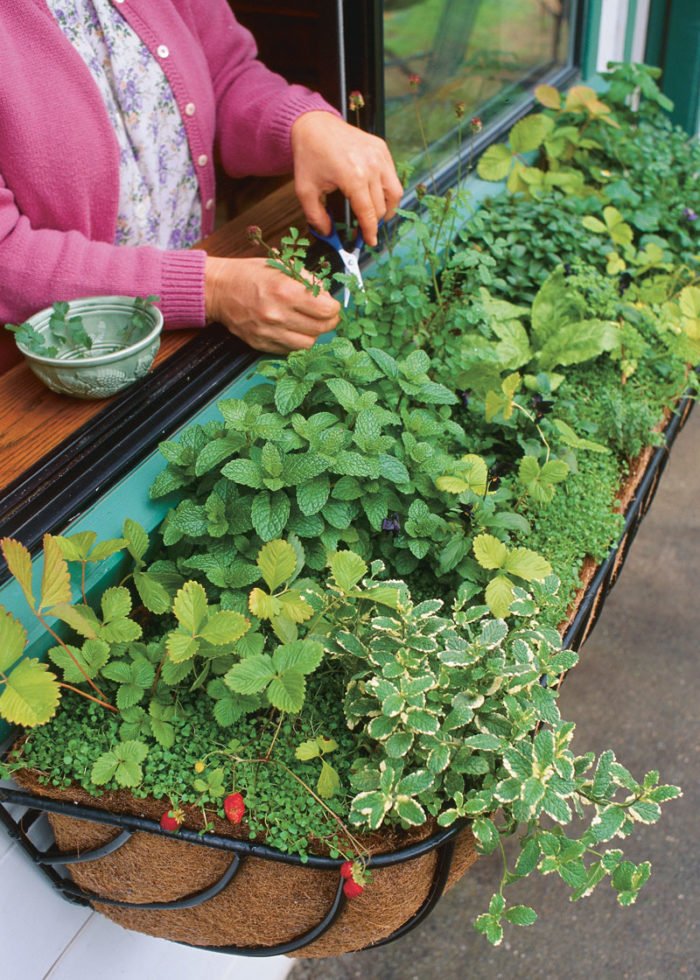
Garden edging usually means the narrow, decorative strip that frames flower beds and small plantings. Landscape edging is a broader term that covers functional borders for lawns, paths, retaining, and heavy-duty separation. The main differences are purpose, scale, and strength. Garden edging leans toward beauty and detail. Landscape edging leans toward control, durability, and landscape management.
- Purpose: garden edging focuses on visual finish and plant separation. landscape edging focuses on soil containment, lawn control, and erosion management.
- Scale: garden edging is small and close to planting beds. landscape edging can be larger and run along long borders.
- Strength: garden edging often uses light materials. landscape edging uses heavier materials built to last.
Definitions and common examples
A clear definition helps when you buy or plan.
- Garden edging
- Short, decorative borders next to flower beds and small gardens.
- Examples: low metal strips, brick soldier rows, short plastic curbs.
- Landscape edging
- Functional borders for large areas, driveways, steep beds, and pathways.
- Examples: poured concrete curbs, stone retaining edges, heavy steel or pavers.
These definitions show why the terms get mixed up. One is about looks and the other about structure. Yet they often overlap in real projects.

Materials, styles, and pros/cons
Picking materials depends on style, budget, and job. Below are common choices and quick notes.
- Metal edging (steel or aluminum)
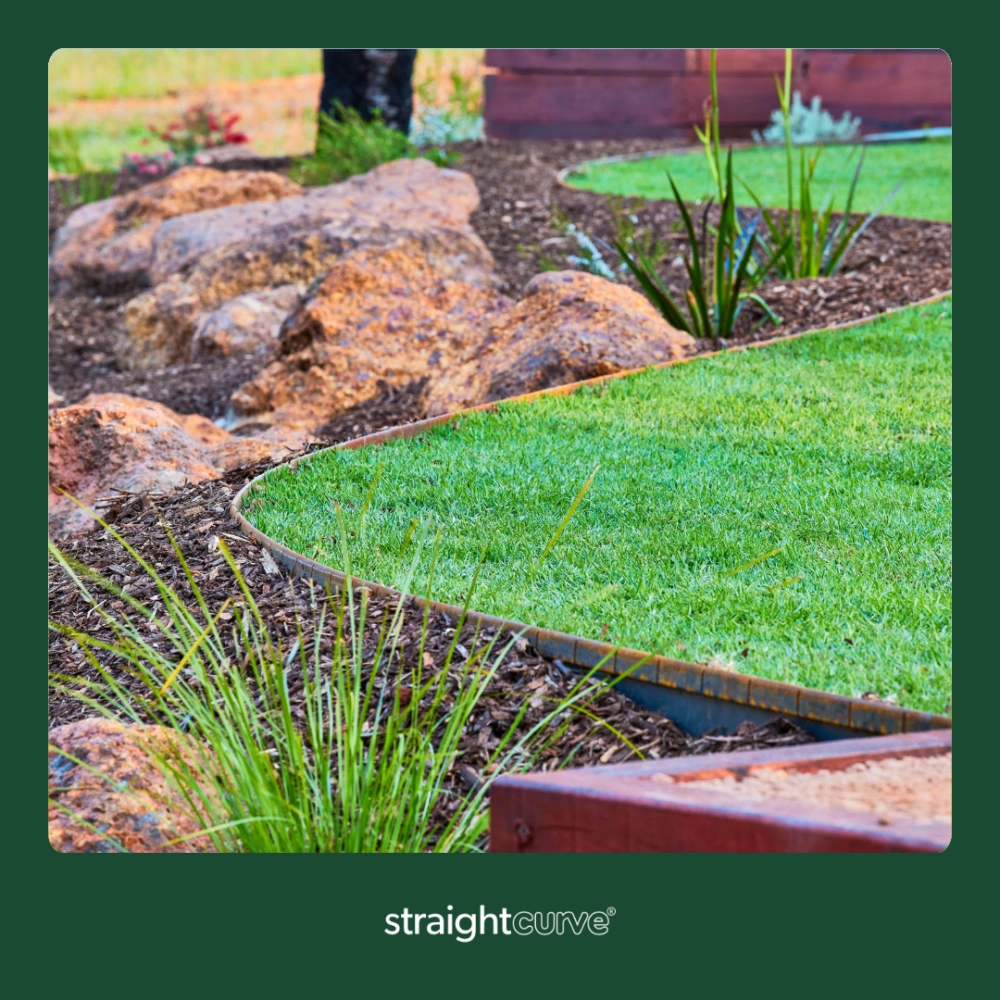
- Pros: slim profile, neat line, durable. Good for both garden edging and light landscape edging.
- Cons: can corrode if cheap; needs proper installation to stay straight.
- Plastic/vinyl edging
- Pros: cheap, easy to install, good for simple garden edging.
- Cons: short lifespan, can be pushed out by mowers or frost.
- Brick and stone
- Pros: classic look, very durable when mortared, great for both types.
- Cons: labor-intensive and costlier.
- Concrete and poured curbs
- Pros: strongest option for landscape edging, resists erosion and heavy use.
- Cons: highest cost and permanent.
- Timber and composite
- Pros: warm look, good for raised beds and garden edging.
- Cons: timber can rot unless treated or composite is used.
When choosing, match the material to whether you need a pretty border or a load-bearing barrier.
Installation, maintenance, and cost
A good install makes any edging perform well. I’ll share basics so you plan right.
- Installation steps for basic garden edging
- Mark the line, dig a shallow trench, place edging, backfill and tamp.
- Installation steps for heavy landscape edging
- Excavate deeper, add gravel for drainage, set edging on compacted base, use concrete or spikes for anchoring.
- Maintenance
- Garden edging: occasional realignment, clean edges, replace short sections.
- Landscape edging: inspect anchors, repair mortar or joints, clear soil buildup.
- Cost ranges (general)
- Plastic/vinyl: low cost per linear foot.
- Metal and brick: mid-range.
- Concrete and stone: high cost per linear foot.
From my projects, poor anchoring is the most common mistake. Take the time to level and secure anchors the first time.
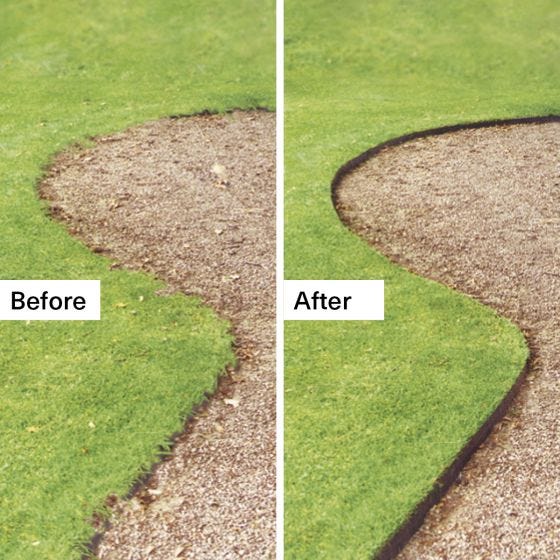
Design uses, placement tips, and mistakes to avoid
Where you put edging affects how your yard looks and works. Here are practical tips from on-the-job experience.
- Use garden edging to:
- Frame small beds, guide the eye, and create neat borders near plants.
- Use landscape edging to:
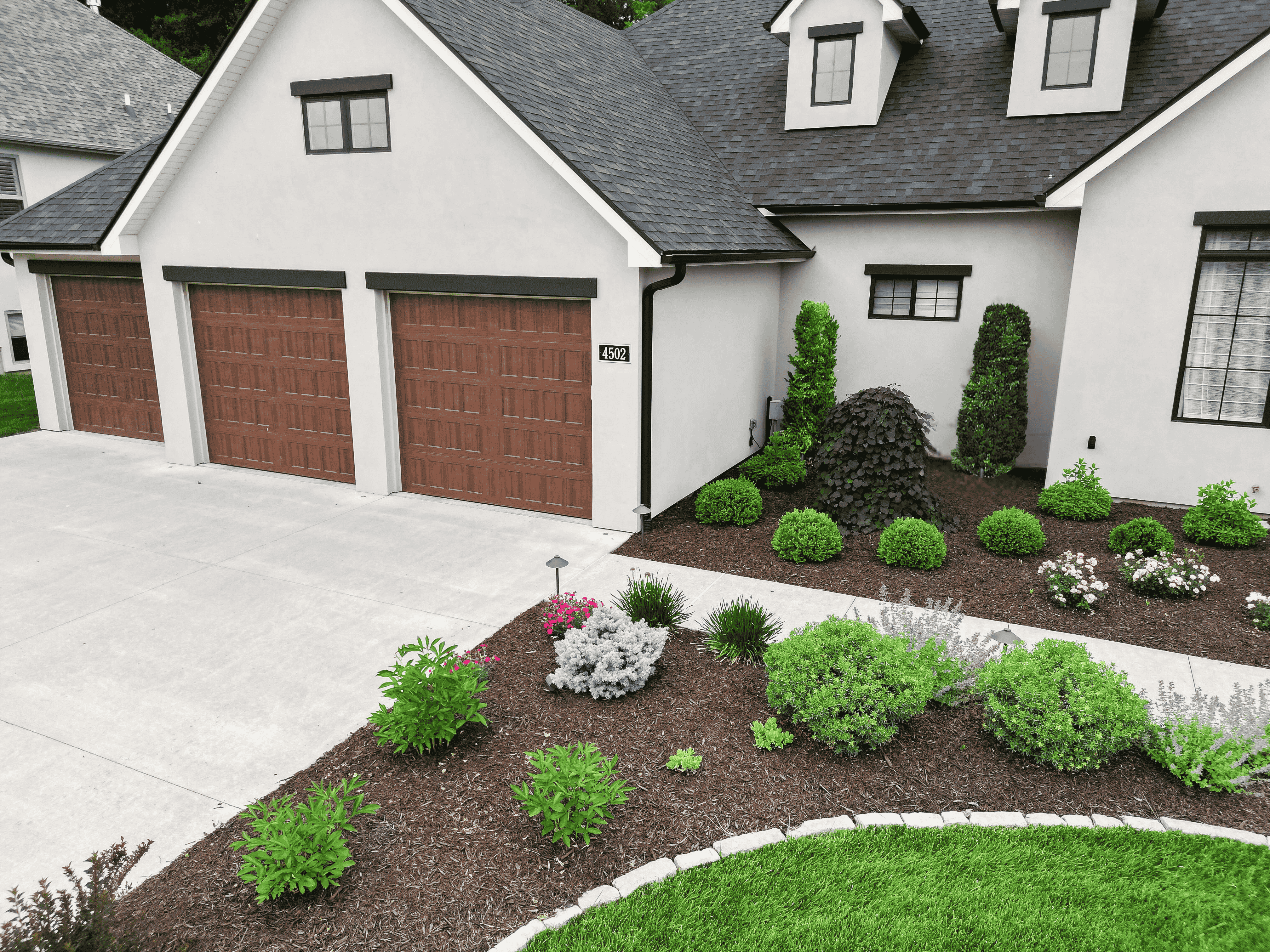
- Hold back soil, separate mulch from grass, define pathways, and stop erosion.
- Placement tips
- Keep edging visible but not so high it trip hazards.
- Place lawn-side lower if using a mower to reduce damage.
- Common mistakes
- Choosing a flimsy material for a heavy job.
- Installing without a proper base or drainage.
- Hiding the edge in mulch where lawn runoff will bury it.
Personal note: I once used thin plastic edging for a slope and it bowed within a season. Switching to steel with deep anchors solved it and saved future rework.

Practical decision guide: which to choose?
Decide with a quick checklist. Answer these questions to pick between garden edging vs landscape edging.
- Is the primary goal decorative or structural?
- Decorative: garden edging.
- Structural: landscape edging.
- How much traffic or mechanical contact will the edge face?
- High traffic: choose strong landscape edging.
- Low traffic: garden edging can be fine.
- Budget and permanence
- Short-term or temporary: plastic or timber garden edging.
- Long-term: stone, concrete, or heavy metal landscape edging.
Quick action plan
- Map your border lines on the lawn with spray paint or string.
- Choose material based on the checklist above.
- Install a proper base and anchors for anything meant to last.
- Inspect after the first rainy season and adjust.
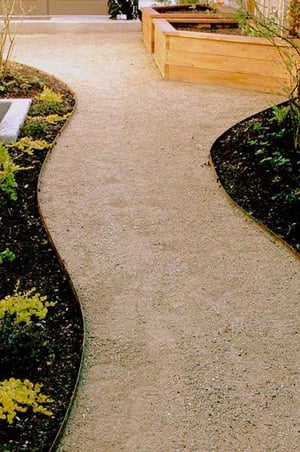
PAA-style questions inside the guide
Which is better for lawns: garden edging or landscape edging?
Landscape edging is often better for lawns because it stops grass and roots from invading beds. Garden edging works when you only want a light visual separation.
Can I install landscape edging myself?
Yes, many landscape edging projects are DIY-friendly with the right tools and time. For large curbs or poured concrete, hiring a pro is wise.
How deep should edging be installed?
For simple garden edging, 2–4 inches is common. For landscape edging that holds soil, dig deeper and set a compacted base of gravel, often 6–12 inches.
Frequently Asked Questions of garden edging vs landscape edging
What is the main difference between garden edging and landscape edging?
Garden edging is typically decorative and used close to plants. Landscape edging is more structural and used for control and durability.
Will metal edging rust quickly?
High-quality steel with proper coating resists rust for many years. Cheap metal without coating can rust faster, especially in wet soil.
Can I switch from garden edging to landscape edging later?
Yes. Remove the old material, prepare a better base, and install a more robust option. Expect higher cost and more labor for the upgrade.
Does edging help with weed control?
Edging can limit lawn grass intrusion, but it won't stop weeds from the soil or air. Combine edging with a weed barrier and mulch for best results.
How long does each type usually last?
Plastic edging may last 3–5 years. Metal and brick can last 10–30 years. Concrete curbs can last decades with minimal care.
Is hiring a pro necessary for landscape edging?
For long runs, steep slopes, or poured concrete, a pro ensures correct grade and durability. For simple short runs, many homeowners can do it themselves.
Conclusion
Garden edging vs landscape edging comes down to purpose: choose garden edging for finish and charm, and landscape edging for strength and control. Match material to need, install a proper base, and plan for maintenance to get the best life from your edge. Try a small test run before tackling long stretches, and learn from mistakes like under-anchoring or picking the wrong material. Ready to edge your yard? Start by mapping your borders, pick one material, and make a plan — then share your results or ask for help in the comments.