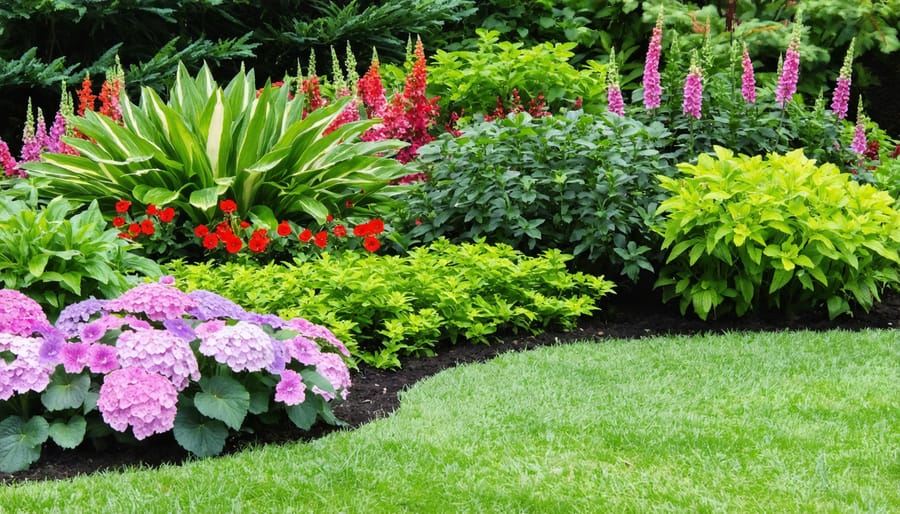
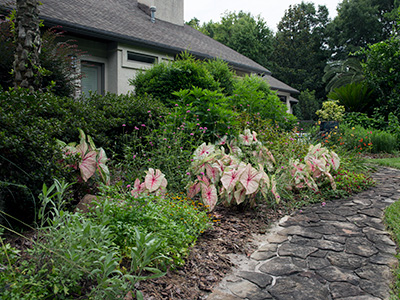
Garden habitat layers and vertical diversity mean growing plants at different heights and adding natural features from the soil to the tree canopy. This creates food, shelter, nesting areas, and safe places for many forms of wildlife.
Across the United States, home gardens can support local wildlife in many ways. A yard in Florida may have a very different mix of plants from one in Maine, Texas, or Oregon. Yet all these places can benefit from a mix of plant heights and natural features. A garden with trees, shrubs, flowers, grasses, and groundcover offers more places for wildlife to live.
Many home yards have only two main levels. They have a short lawn and a few tall trees. The space between them is often empty. This leaves less room for birds, insects, frogs, and other small animals. Adding plants at more heights can help fill this gap.
Think of a layered garden as a small natural habitat. Each level has a role, much like floors in a home. Some plants offer food, while others give shade or cover. Dead leaves, wood, and healthy soil add even more life below the plants. The goal is not to fill every inch, but to build a useful mix that suits the site.
Source: bluestem.ca
What Garden Habitat Layers And Vertical Diversity Mean
Garden habitat layers are groups of plants and natural features found at different heights. These levels can include tall trees, small trees, shrubs, flowers, grasses, groundcover, and leaf litter. Each level offers a different type of space for living things.
Vertical diversity is the range of heights, shapes, and forms in a garden. It is not just about planting tall plants. It also means adding plants with different growth habits, leaf sizes, branch forms, and root systems. Together, these features make the garden more complex.
A flat lawn offers little cover for most small wildlife. A layered garden gives them more places to feed, hide, rest, and move. It can also help soil hold water and protect it from strong sun and rain.
Source: fytogreen.com.au
Vertical structure
This means the range of plant heights from the ground to the tallest tree crowns.
Plant diversity
This means using different plant types and species with varied forms and needs.
Habitat diversity
This means offering food, water, cover, and safe spaces for different forms of life.
Vertical Diversity Is More Than Plant Height
Two plants can reach the same height but offer very different habitat. One may have dense branches, while the other has open stems. One may produce seeds, while the other may offer nectar. Both can serve a useful role.
A good design also looks at how plants grow across the ground. Groups of shrubs, open flower patches, and connected groundcover create a mix of spaces. This is called horizontal diversity. It works with vertical diversity to make a richer garden.
Height
Use short, medium, and tall plants.
Shape
Mix upright, spreading, clumping, and climbing plants.
Density
Provide both open spaces and areas with dense cover.
Why A Layered Garden Is Useful
Different animals use different parts of a garden. Some insects live in the soil. Others feed on leaves or flowers. Birds may search for food on the ground, in shrubs, or high in tree branches.
When a garden offers several types of space, more species may find what they need. This does not mean every animal will visit. Local climate, nearby habitat, food supply, and other factors also shape wildlife use.
More feeding sites
Flowers, leaves, seeds, fruit, and insects offer food at many heights.
More shelter
Dense plants and natural ground cover help wildlife avoid harsh weather and danger.
More nesting space
Trees, shrubs, grasses, and natural materials offer different places to raise young.
The Main Layers Of A Wildlife-Friendly Garden
A useful habitat garden can have several plant levels. A forest is a good model, but the same idea can work in a prairie-style yard, a small city lot, or a dry garden. The exact plant mix will depend on the local habitat.
Some garden guides use set height bands to explain these levels. For example, one forest-based model places the ground layer below about 3 feet, shrubs from about 3 to 12 feet, and smaller trees from about 12 to 30 feet. Mature canopy trees rise above that. These are guide values, not fixed rules for every region or plant community.
Source: gardeningsolutions.ifas.ufl.edu
Start at the ground
The lowest levels support soil life, small insects, and ground-feeding wildlife.
Build through the middle
Flowers, grasses, and shrubs add cover, food, and resting places.
Add height where suitable
Small trees and canopy trees add shade, nesting sites, and more food sources.
The Canopy Layer
The canopy is the highest plant level. It is often made up of mature trees with wide crowns. These trees offer shade, seeds, nuts, fruit, and places for birds to perch.
Trees can also cool the ground below them. Their crowns slow some rain, while their roots help hold soil in place. Their branches may support birds, insects, and other small animals.
Choose trees based on their mature size. A tree that fits a small yard now may grow too large over time. Check its root spread, crown width, and water needs before planting.
Habitat role
Offers high perches, nesting sites, shade, seeds, and fruit.
Plant choice
Use native trees suited to your local soil and climate.
Planning need
Allow room for mature branches, roots, and nearby structures.
The Understory Tree Layer
The understory sits below the tallest trees. It may include small native trees, young trees, and flowering trees. These plants can grow in part shade, though their light needs vary.
This layer helps connect the tall canopy with the shrubs below. It can also offer flowers, fruit, and safe places for smaller birds. In a small yard, one well-placed small tree may be enough.
Habitat role
Adds mid-level cover, flowers, fruit, and nesting options.
Plant choice
Look for local small trees that can grow under or near larger trees.
The Shrub Layer
Shrubs fill much of the space between the tree canopy and the ground. Their branches can form dense cover for birds and small animals. Many shrubs also offer berries, seeds, nectar, and insects.
A mix of shrub sizes and shapes gives wildlife more choices. Some shrubs may stay green in winter, while others lose their leaves. Both types can add value to a garden.
Habitat role
Provides shelter, nesting cover, fruit, flowers, and insect food.
Plant choice
Use local native shrubs with varied bloom and fruit times.
Design tip
Plant shrubs in groups with enough room for their mature spread.
The Herbaceous Layer
The herbaceous layer includes plants with soft stems. It can contain wildflowers, ferns, native grasses, sedges, and many garden perennials. These plants may grow from a few inches to several feet tall.
Flowers can feed bees, butterflies, flies, and other insects. Leaves may feed caterpillars and other plant-eating insects. Seed heads can feed birds when flowers fade.
Use plants with different bloom times. This can help provide food from spring through fall. Keep some seed heads in place through winter when they are safe to leave.
Habitat role
Offers nectar, pollen, seeds, leaves, and cover.
Plant choice
Mix native flowers, grasses, sedges, and shade plants.
Design tip
Use several plant heights rather than one level of flowers.
The Groundcover Layer
Groundcover plants grow close to the soil. They may spread across open ground or form low clumps. These plants help cover bare soil and can reduce the space available for weeds.
Groundcover also gives small insects and other soil animals places to hide. It can help keep the soil cool and slow water loss. Choose plants that will not spread into nearby natural areas.
Habitat role
Provides low cover and helps protect soil.
Plant choice
Use local native plants that fit the light and water conditions.
The Leaf Litter And Soil Layer
The lowest habitat level is often easy to miss. It includes leaf litter, small twigs, fallen wood, rocks, roots, and living soil. This layer is full of life, even when it looks quiet.
Fungi, worms, insects, and tiny soil animals help break down dead plant matter. This process returns nutrients to the soil. It also creates food for birds, frogs, and other animals.
You do not need to leave every part of the yard untidy. Keep safe leaf litter under trees and shrubs. Remove leaves from drains, paths, and areas where they may create a hazard.
Habitat role
Supports soil life, shelter, food, and natural decay.
Useful features
Keep some leaves, small logs, twigs, and safe rock groups.
Care tip
Keep natural debris away from vents, drains, and building risks.
How Vertical Layers Support Garden Wildlife
Each habitat level can meet a different need. When these levels work together, a garden can support more parts of the local food web. This means plants, insects, birds, and other animals can all play a role.
Plants form the base of many land food webs. They turn sunlight into plant growth. Some insects feed on leaves, while others use flowers for nectar and pollen. Birds, spiders, frogs, and other animals may then feed on these insects.
A layered garden also gives wildlife a choice of places to live. Some species need open ground. Others need thick shrubs or tree crowns. A mix of spaces is often more useful than a garden with one plant type.
Source: gardeningrise.com
Food
Trees, shrubs, flowers, grasses, and ground plants offer fruit, nuts, seeds, leaves, nectar, and insects.
Cover
Dense leaves and branches give animals places to hide from weather and predators.
Movement
Connected plant groups can give small animals safer paths through open yards.
Nesting
Different plant heights and natural materials offer varied nesting sites.
Soil health
Roots, fungi, and soil animals help support healthy soil and plant growth.
Support More Than Adult Pollinators
A garden with flowers can attract adult bees and butterflies. Yet their young may need very different plants. Many butterfly caterpillars feed on certain host plants, not just any flower.
This is why plant choice matters at every level. Native trees and shrubs can support local insects. Native grasses and flowers can also offer food and cover. A mix of host plants and nectar plants serves more stages of insect life.
For adult insects
Grow plants with flowers that offer nectar and pollen.
For young insects
Include the host plants needed by local caterpillars and other insects.
For winter
Keep some seed heads and safe plant stems for food and shelter.
Create Cover Near Food And Water
Wildlife needs more than food. A bird may find berries in a shrub but still need nearby cover. A bee may find flowers but need a safe place to nest.
Place shelter close to useful food and water sources when possible. This can reduce the need for small animals to cross large open areas. It also makes the garden easier to use.
Near a birdbath
Add shrubs or low plants nearby, while keeping a clear view of the water.
Near flower beds
Keep some bare soil or safe nesting areas for ground-nesting bees where suitable.
Near fruit plants
Add nearby shrubs or trees that offer safe resting and cover.
How To Plan Garden Habitat Layers Step By Step
Good layering starts with the site, not the plant list. First, learn what your garden can support. Then choose plants that fit the space and work well together.
You do not need to plant every layer at once. Start with the largest plants and build around them. This helps avoid crowding and makes future care easier.
Source: greenroofs.com
Step 1: Map the site
Mark sunny, shady, wet, dry, windy, and sheltered areas.
Step 2: Check the soil
Look at soil texture, drainage, and pH when needed.
Step 3: Set habitat goals
Decide which local wildlife needs you want to support.
Step 4: Choose the plant layers
Select trees, shrubs, flowers, grasses, and groundcover that fit the site.
Step 5: Plan mature size
Leave room for full plant height and spread.
Step 6: Add natural features
Keep safe leaf litter, logs, stones, and water sources where suitable.
Step 1: Study Sun And Shade
Watch how sunlight moves across the yard. A spot may get full sun in the morning and shade in the afternoon. A tree can also make an area darker as it grows.
Mark areas with full sun, part shade, and deep shade. Then match plants to each area. This helps avoid poor growth and the need to move plants later.
Sunny areas
Use plants that can handle direct sun and local heat.
Shady areas
Choose native ferns, sedges, flowers, and shrubs suited to shade.
Changing light
Plan for future shade from trees and nearby buildings.
Step 2: Check Soil And Water
Soil and water needs can change over a short distance. A low spot may stay wet after rain, while a raised bed may dry fast. These differences affect which plants will grow well.
Check how fast water drains after a storm. A soil test can help when pH or nutrient levels are not clear. Do not add large amounts of fertilizer without a clear need.
Wet soil
Use plants suited to wet or poorly drained ground.
Dry soil
Choose plants that can handle dry spells once established.
Rich soil
Avoid adding extra nutrients when plants do not need them.
Step 3: Choose Plants Native To Your Area
Native plants are species that occur naturally in a region. They often have close links with local insects and other wildlife. A plant native to one part of the United States may not be native to another.
Use local plant lists from a state Extension office, native plant group, or trusted regional source. Check the plant’s mature size, water needs, bloom time, and growth habit. Avoid plants known to spread into nearby natural areas.
Native plants are not all suited to every yard. A native wetland plant may fail in dry sand. A woodland plant may struggle in full sun. Match each plant to the site.
Check local range
Choose plants that naturally occur in your region or nearby eco-region.
Check growth needs
Match the plant to your soil, light, and water.
Check spread
Avoid plants that may become invasive in your area.
Step 4: Place Tall Plants First
Trees and large shrubs shape the space around them. Their crowns affect shade, wind, and the room available for smaller plants. Place them before you add the lower layers.
Keep large plants away from power lines, roof edges, and underground services. In the United States, call 811 before digging to help locate buried utility lines. Check local rules for planting near public land or roads.
Allow mature room
Use the expected full height and spread, not the size of the young plant.
Keep safe space
Leave room for buildings, paths, wires, and service lines.
Think about shade
Place shade-loving plants under suitable trees and sun-loving plants in open areas.
Step 5: Fill The Middle And Ground Levels
Once the tall plants are in place, add shrubs and herbaceous plants. Use different heights and forms. Leave open gaps where sunlight, paths, or access are needed.
Finish with groundcover and a suitable layer of leaf litter. Keep the soil covered where possible, but do not force plants into spaces where they will compete for water or light.
Add shrubs
Use more than one size and form where space allows.
Add flowers and grasses
Mix bloom times, seed forms, and plant heights.
Cover bare soil
Use safe groundcover or leaf litter to protect the soil.
How To Add Vertical Diversity In A Small Garden
A small yard can still have several habitat levels. You do not need a large tree or a wide woodland bed. A small tree, a few shrubs, tall flowers, and groundcover can create useful layers.
The key is to use space well. Think about height, width, and how plants grow over time. A narrow bed along a fence can hold more than one plant level if each plant has the right light and room.
Source: greentowerharvest.com
Use a small native tree
Choose a species that fits the mature size of the yard.
Grow compact shrubs
Use shrubs with a size and shape that suit the available space.
Add tall flowers
Use native flowers and grasses to fill the middle level.
Cover the soil
Plant low groundcover in open areas where it can spread safely.
Use Fences And Walls With Care
A fence can support a climbing plant or vine. This adds height without taking up much ground space. Choose a local native vine that will not harm the fence or spread into nearby wild areas.
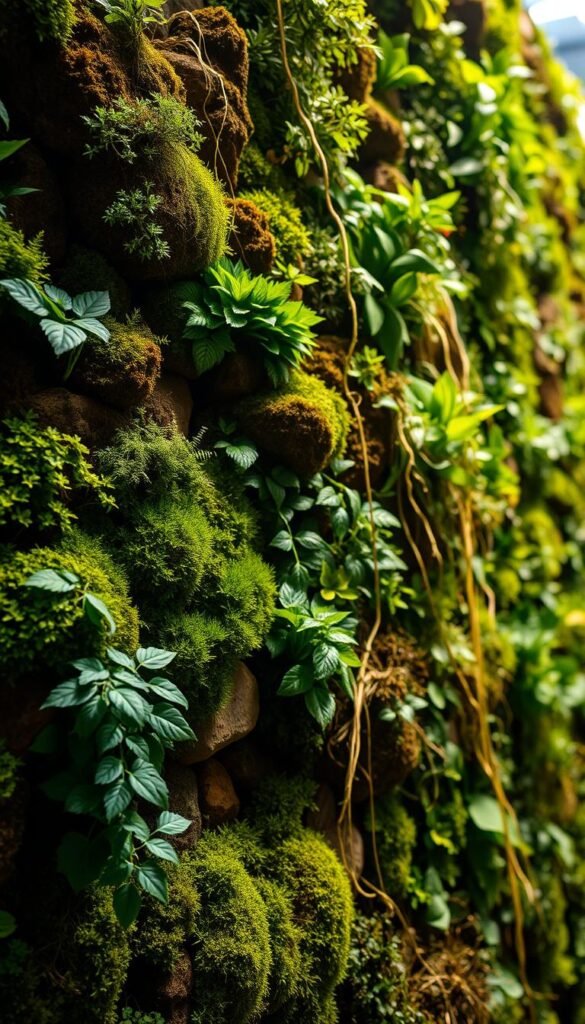
A green wall or vertical planter can also add plants to a small space. These systems may support some insects, but they are not a full replacement for trees, shrubs, soil, or natural ground cover. They often need more care and water than plants in open ground.
Climbing plants
Choose vines that fit the support and do not damage nearby structures.
Wall planters
Check water flow, drainage, weight, and plant needs.
Ground space
Keep some soil-level habitat for insects and other small wildlife.
Use Pots And Raised Beds
Pots can hold small shrubs, flowers, and grasses. A group of pots at different heights can add more structure to a patio or balcony. Use plants that can handle the heat and dry soil found in containers.
Place pots where they will not block safe movement. Make sure they drain well and do not leak onto paths. Group plants with similar water needs to make care easier.
Use varied heights
Mix low pots, raised planters, and taller containers.
Choose suitable plants
Use compact species that can grow well in limited soil.
Protect water supply
Check pots often during hot or dry weather.
Make A Layered Garden Along A Border
A narrow border can hold several levels. Place taller shrubs or a small tree toward the back, then add lower flowers and groundcover in front. This works well when the plants receive enough light.
Do not make every border a solid wall of plants. Leave small open spaces and clear paths. These gaps can help wildlife move while keeping the garden easy to care for.
Back of the bed
Use suitable small trees or taller shrubs.
Middle of the bed
Add flowers, ferns, and native grasses.
Front of the bed
Use low plants and groundcover.
Common Mistakes When Building Habitat Layers
More plants do not always mean better habitat. A garden can have many species but still lack food, shelter, or safe space. Good design means choosing plants that work together and suit the site.
Avoid adding layers just to reach a certain number. A desert garden does not need the same structure as a woodland garden. A sunny prairie may have many grass and flower heights without any tall trees.
Planting too close
Crowded plants may compete for light, water, and root space. Use mature plant size when planning.
Using plants from the wrong region
A plant that is native somewhere in the United States may not support the same local wildlife in another region.
Choosing only showy flowers
Flowers help adult pollinators, but host plants, shrubs, trees, and grasses also matter.
Removing every fallen leaf
A fully bare garden floor loses useful shelter and food for soil life.
Making the garden too dense
Wildlife also needs open ground, clear water access, and room to move.
Using too much fertilizer
Extra nutrients can harm some native plant communities and may wash into streams.
Ignoring invasive plants
Some garden plants can spread beyond the yard and harm nearby natural habitats.
Do Not Treat Every Garden Like A Forest
Forest layering is a useful model, but it is not the only one. Grasslands, deserts, wetlands, and coastal habitats have their own forms of vertical diversity.
A prairie may have short flowers, tall grasses, and deep roots. A desert garden may use low shrubs, cacti, and open sandy soil. A wetland garden may use plants that grow at different water depths.
Use the natural plant community of your area as your guide. The best layers are the ones that fit your local conditions.
Woodland garden
Use trees, understory plants, shrubs, woodland flowers, and leaf litter.
Prairie garden
Mix native grasses and flowers with different heights and root depths.
Dry garden
Use drought-suited native shrubs, low plants, and open ground.
Wet garden
Use plants that suit the water level and soil drainage.
Do Not Remove All Natural Habitat Features
A garden does not need to look neat in every corner. Some leaves, safe logs, and dry stems can support wildlife. These features are part of the habitat, not signs of poor care.
Still, natural features need safe placement. Do not keep a dead tree that may fall on people or buildings. Ask a qualified tree care worker to assess a risky tree. Keep brush piles away from buildings and fire risks.
Keep safe logs
Place fallen wood in a stable spot away from paths and buildings.
Leave some stems
Keep healthy dry plant stems where they will not create a hazard.
Check dead trees
Get a qualified assessment before leaving a large dead tree standing.
How To Maintain And Improve Garden Habitat Layers
A habitat garden changes as plants grow. Trees make more shade. Shrubs spread. Flowers set seed. Some plants die back in winter and return in spring. Good care allows these changes while keeping the main habitat features in place.
The best care plan is based on plant needs and local wildlife. Avoid cutting every plant at the same time. Use light, careful care instead of a full clean-up when possible.
Source: greentowerharvest.com
Water new plants
Give young plants the water they need while roots become established.
Limit chemical use
Avoid routine pesticide use that may harm insects and other wildlife.
Keep useful plant matter
Leave safe leaves, seed heads, and stems where they support habitat.
Control invasive plants
Remove plants that pose a known risk to nearby natural areas.
Care For Each Layer At The Right Time
Trees may need pruning when branches are dead, damaged, or unsafe. Avoid heavy pruning just to make the tree look small. A tree care worker can help with large branches or work near power lines.
Shrubs may need light pruning to keep paths open. Check the plant’s flowering and nesting periods before you cut. Some birds may use dense shrubs during the breeding season.
Many native flowers and grasses can keep their seed heads through winter. Wait until spring warmth arrives before cutting them back when local conditions allow. This can protect insects that use plant stems for shelter.
Trees
Check branch health, root space, and long-term shade.
Shrubs
Prune only when needed and avoid active nests.
Flowers and grasses
Keep some seed heads and stems through the cold months.
Groundcover
Remove invasive growth and keep useful soil cover.
Protect Wildlife While Managing Pests
A few chewed leaves do not mean a plant is failing. They may be food for caterpillars or other insects. Some plant damage is part of a healthy garden food web.
Start by finding the cause of a problem. Check the plant, the pest, and the level of damage. Remove a small number of pests by hand when safe. Use other control steps only when needed.
If a pesticide is needed, choose a product that is suitable for the pest and follow its full label. Keep it away from flowers used by pollinators. Do not spray in a way that exposes people, pets, or wildlife.
Check first
Make sure the insect is causing real harm before taking action.
Use simple steps
Remove damaged plant parts or pests by hand when practical.
Limit exposure
Follow all label rules and avoid harm to helpful insects.
Keep Water Sources Clean And Safe
A small birdbath or shallow water dish can help local wildlife. Place it where animals have nearby cover but can still see danger. Change the water often and clean the dish to limit dirt and disease.
A small pond can support more forms of life. It should have safe edges and a way for small animals to get out. Keep water sources free from harmful chemicals and avoid adding fish unless the pond is designed for them.
Clean water
Replace old water and clean dishes on a regular basis.
Safe access
Provide shallow edges or escape points where needed.
Good placement
Keep water near useful cover but away from places where pets can reach wildlife.
How To Tell If Your Layered Garden Is Working
A good habitat garden shows signs of life over time. You may see bees on flowers, birds feeding in shrubs, or insects using plant stems. You may also notice better soil cover and more plant growth.
Do not judge success by the number of birds you see on one day. Wildlife activity changes with weather, season, food, and nearby land use. Look for signs over several months and across more than one season.
More kinds of activity
Look for insects, birds, spiders, and other wildlife using different plant levels.
Food through the seasons
Check whether flowers, seeds, fruit, and other food sources are available at different times.
Healthy plant growth
Look for plants that suit their site and do not need constant care.
Better soil cover
Check for fewer large bare areas and less soil loss after rain.
Simple Signs To Watch For
Keep a small garden record. Note when plants flower, when birds visit, and which insects use the garden. Photos taken from the same place can help you see changes over time.
Look at the garden from the ground up. Check the soil, low plants, shrubs, and tree crowns. If one level is missing, you may be able to add a suitable plant or natural feature.
At soil level
Look for earthworms, safe leaf litter, and healthy soil cover.
In the flower layer
Look for bees, butterflies, flies, and other flower visitors.
In the shrub layer
Look for birds, shelter, fruit, and signs of nesting.
In the tree layer
Look for perching birds, insects, and changes in shade.
Troubleshooting Common Problems
If plants fail to grow, first check light, water, soil, and plant fit. Do not assume that adding fertilizer will solve the problem. Too much water or poor drainage may be the real cause.
If wildlife does not visit, check whether the garden offers food, water, and cover. Also look at nearby land use, pets, noise, and bright lights. A garden cannot control every factor that affects wildlife.
Plants keep dying
Check drainage, sun, soil, watering, and the plant’s local range.
The garden feels too crowded
Remove or move plants that block paths or compete for space.
Few insects visit
Add local host plants and flowers with different bloom times.
Birds have no safe cover
Add suitable shrubs and small trees near food and water.
Invasive plants spread
Identify the plant and follow local guidance for safe removal.
A Practical Example Of A Layered Garden Plan
Imagine a homeowner in the eastern United States with a sunny yard and one mature tree. The yard has a wide lawn but few plants between the grass and the tree crown. The goal is to add food and cover without making the space hard to use.
The homeowner could keep the mature tree, add a small group of local native shrubs, and plant native flowers and grasses around them. Low groundcover could fill open soil under suitable light. Some leaf litter could stay under the tree and shrubs.
The exact species would depend on the state, soil, light, moisture, and mature plant size. The example shows the design idea, not a plant list for every eastern yard.
Upper layer
Keep the existing mature tree if it is healthy and safe.
Middle layer
Add two or more suitable native shrubs with different forms.
Flower layer
Plant local native flowers that bloom at different times.
Low layer
Add groundcover or low grasses that suit the shade and soil.
Soil layer
Keep some leaves and small natural debris in safe areas.
How To Adjust The Plan
If the yard is very small, use a compact native tree or skip the tree layer. Add shrubs, tall flowers, and groundcover instead. If the yard is dry, choose plants suited to low water needs.
If the yard is shady, use woodland plants that can grow with less light. If the yard stays wet, select plants that can handle wet soil. The best design is one that fits the place.
Small space
Use compact plants and make use of fences or safe supports.
Dry space
Use drought-suited native plants and avoid water-heavy species.
Wet space
Choose plants suited to wet soil and protect nearby waterways.
Deep shade
Use shade-tolerant native plants instead of forcing sun-loving flowers to grow.
Frequently Asked Questions
Q
How Many Layers Should A Habitat Garden Have?
There is no fixed number. A garden can start with three main levels: trees, shrubs, and low plants. You can add more levels with flowers, grasses, vines, groundcover, and leaf litter. The best number depends on your space and local habitat.
Q
Can A Small Garden Support Vertical Diversity?
Yes. A small yard can use a compact tree, shrubs, tall flowers, and groundcover. Containers, raised beds, and suitable climbing plants can add more height. Keep enough open space for safe movement and plant care.
Q
Are Native Plants Needed For Every Habitat Layer?
Native plants are a strong choice because they often support local insects and wildlife. Try to choose species that naturally grow in your region. Match each plant to your soil, water, and light. Also avoid plants that are invasive in your area.
Q
Is A Vertical Living Wall The Same As A Layered Habitat Garden?
No. A living wall adds plants to a vertical surface. It may offer some food and shelter, but it does not replace mature trees, shrubs, soil, and natural ground features. A full habitat garden uses many kinds of space, not just a wall.
Q
Should I Leave Leaves And Dead Plant Stems In My Garden?
Keep some safe leaf litter and dry stems where they can support insects and soil life. These features can also offer food and shelter for wildlife. Remove debris from drains, paths, and unsafe areas. Check local fire rules before keeping large piles of dry plant matter.
✦ Wrapping Up
Conclusion
Garden habitat layers and vertical diversity help turn a simple yard into a richer living space. Trees, shrubs, flowers, grasses, groundcover, and leaf litter each play a role. Together, they can provide food, cover, nesting areas, and healthy soil for local wildlife.
You do not need a large garden or a complex plan to begin. Start by checking your site and finding the plant levels that are missing. Choose native plants that fit your local conditions, allow room for growth, and keep useful natural features where they are safe.
💡 Key Takeaway
Walk through your garden and look from the soil to the tallest branches. Mark the layers you already have and the ones that are missing. Then add one suitable local native plant or natural habitat feature at a time.